Published: 3 July 2026
The English Chronicle Desk
The English Chronicle Online
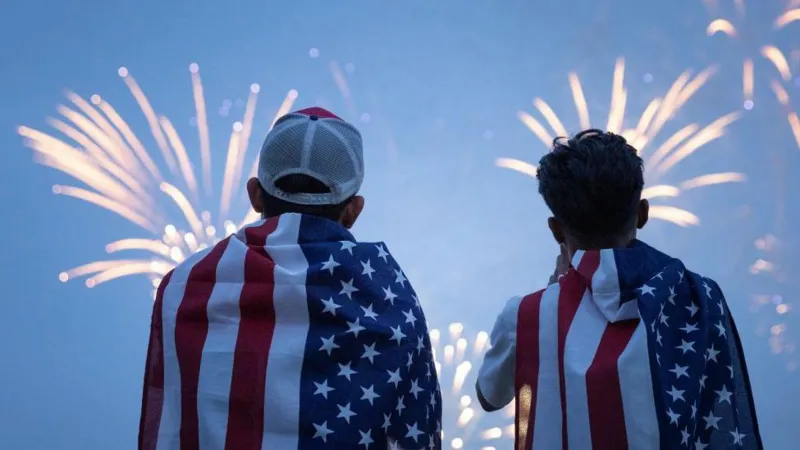
Every year on 4 July, millions of Americans gather to celebrate Independence Day with fireworks, parades, concerts and family barbecues, commemorating the adoption of the Declaration of Independence in 1776 and the birth of the United States.
Across the Atlantic, however, the date passes rather differently. While Britain’s former colonies celebrate their break from the Crown, the UK generally treats the anniversary as an ordinary summer day, with only occasional historical events, exhibitions and cultural activities acknowledging one of the most significant moments in shared Anglo-American history.
Although the American Revolution marked the end of British rule over the 13 colonies, modern Britain views the anniversary less as a reminder of defeat and more as part of a centuries-long relationship that has evolved into one of the world’s closest diplomatic and strategic partnerships.

Today, rather than dwelling on the conflict that created the United States, both countries largely focus on their enduring political, economic and cultural ties.
For Americans, Independence Day represents national identity, freedom and the founding principles of the republic.
Communities across the country host patriotic celebrations, military flyovers, concerts and spectacular fireworks displays, while families gather to mark one of the nation’s most important public holidays.
In Britain, by contrast, 4 July has never developed into a widely recognised historical commemoration.
Most schools, businesses and public institutions continue operating as normal, and many people may only become aware of the occasion through international news coverage or social media.
Historians note that while the American Revolution fundamentally transformed the future of North America, it was only one of many conflicts experienced by Britain during its long imperial history.
As a result, the anniversary occupies a relatively modest place in British public consciousness.
Although there are no nationwide celebrations, some museums, libraries and historical organisations use the occasion to explore the shared history between Britain and the United States.
Exhibitions may examine the political tensions that led to the American Revolution, the drafting of the Declaration of Independence or the evolution of the “special relationship” between the two countries.
Historic sites associated with figures such as King George III, British military commanders or early colonial administration sometimes host talks and educational events for visitors interested in the period.
Academic institutions also use the anniversary as an opportunity to discuss constitutional history, democracy and the lasting influence of the revolutionary era.
Rather than celebrating or mourning the event, these programmes typically encourage historical understanding and reflection.
Despite the war that separated the two nations nearly 250 years ago, Britain and the United States have since become close allies.
The countries fought alongside one another in both World Wars, worked together throughout the Cold War and continue to cooperate on defence, intelligence sharing, trade and scientific research.
Political leaders on both sides of the Atlantic frequently describe the relationship as one of the strongest international partnerships in the world.
Shared language, legal traditions and cultural links have further strengthened these ties over generations.
As a result, Independence Day is rarely viewed in Britain through the lens of historical rivalry.
Instead, it often serves as a reminder of how dramatically international relationships can evolve over time.
While most Britons do not mark the occasion, American expatriates living in the UK often organise Independence Day events of their own.
US embassies, cultural organisations, international schools and American community groups may hold receptions, family picnics or themed celebrations featuring traditional American food and music.
Some pubs and restaurants also embrace the holiday by offering special menus, live entertainment or screenings of fireworks displays taking place in the United States.
These events tend to attract both American citizens and British friends interested in experiencing a taste of American culture.
The anniversary also highlights the deep historical connections between Britain and the United States.
Every year, thousands of American tourists visit locations linked to colonial history, including London, Bristol, Plymouth and other cities associated with early migration to North America.
Similarly, many Britons travel to the United States to explore sites connected with the Revolutionary War and the country’s founding.
Tourism experts say interest in shared heritage has grown steadily, with visitors eager to understand how historical events shaped both nations.
Museums on both sides of the Atlantic increasingly collaborate on exhibitions that explore these intertwined histories from multiple perspectives.
Although the Revolution ended centuries ago, its political ideas continue to influence democratic societies worldwide.
Concepts such as representative government, constitutional rights and popular sovereignty remain central to public debate in both Britain and the United States.
The UK developed along a different constitutional path, retaining its monarchy while gradually expanding parliamentary democracy.
The United States established a republic with a written constitution and an elected president.
Political scientists often compare the two systems, noting that both have evolved considerably since the eighteenth century while maintaining strong democratic traditions.
Modern cultural connections arguably overshadow historical divisions.
British musicians, actors and writers enjoy enormous success in the United States, while American films, television programmes and music remain hugely popular across the UK.
Sport has also become an increasingly important link.
The National Football League regularly stages games in London, while Premier League football enjoys a vast following in America.
These exchanges have created generations of people with close personal, educational and business connections across the Atlantic.
Members of the British Royal Family have frequently visited the United States over the years, while successive American presidents have made state visits to Britain.
These occasions symbolise the friendly diplomatic relationship that has replaced the hostilities of the eighteenth century.
Independence Day itself sometimes prompts official messages exchanged between political leaders, emphasising cooperation and mutual respect.
Diplomatic observers note that such gestures reinforce the importance both governments place on maintaining strong bilateral relations despite occasional policy disagreements.
Public opinion surveys and historical commentators suggest that most Britons regard the Fourth of July with curiosity rather than strong emotion.
For many, it is simply another example of how different nations celebrate defining moments in their own histories.
Others see it as an opportunity to reflect on the remarkable transformation of a colonial dispute into one of the world’s most enduring international partnerships.
The anniversary rarely provokes controversy in modern Britain, where historical events are generally viewed through a broader international perspective.

As the United States celebrates another Independence Day with fireworks, parades and patriotic ceremonies, Britain is likely to observe the occasion quietly, if at all.
Yet beneath these contrasting approaches lies a shared history that continues to shape politics, culture and diplomacy nearly two and a half centuries after the Declaration of Independence was signed.
The journey from revolution to alliance remains one of the most remarkable transformations in international relations.
Today, the United Kingdom and the United States are bound not by colonial rule but by cooperation, shared democratic values and extensive economic, military and cultural ties.
While Americans proudly commemorate the birth of their nation every Fourth of July, Britain’s understated response reflects the confidence of two countries whose relationship has long since moved beyond the conflict that once divided them.
Related News:
 Trump Taiwan China drills: US President Downplays Tensions
 Trump Pulls Canada from His Controversial ‘Board of Peace’ Plan
 US Says It “Supports” UK Chagos Islands Deal
 US Will Not Back Out of Tariff Deals with UK and Others, Says Trump Trade Representative
 Britain’s Position and Trump Vows to Press On in Iran Conflict
 UK Prepares Aircraft Carrier for Middle East Crisis
 Fox News Cut In Over Trump King Charles Claim
 Charles Faces Trump Test in High-Stakes US Visit
 UK Stands Firm on Falklands Amid US Rift
 Fear and Betrayal: The Chilling Case of Kouri Richins
 UK Must Act with Courage and Clarity on Israel-Palestine Conflict, Says Foreign Affairs Committee Report
 Radioactive Leak at UK’s Nuclear Warhead Base Sparks Outcry Over Safety and Secrecy
 Mutual Inconvenience: Why Alaska Was Chosen for the Trump-Putin Summit on Ukraine
 Terence Stamp, ’60s British Film Legend and Star of Superman, Dies at 87
 Is the UK Ready to Put Boots on the Ground in Ukraine? Assessing Military Capacity and Challenges
 Shein UK Faces Allegations of Shifting Majority of Profits to Singapore to Reduce UK Tax
 Public Trust in SNP Hits Historic Low Amid NHS Concerns
 Johnson Suggests Mandelson Linked to China Spy Controversy
 Rachel Reeves signals welfare reform ahead of key budget
 I’m a Celebrity 2025 line-up revealed: Osbourne joins
 Palace May Restore Hyphen to Andrew Mountbatten-Windsor’s Name
 Royal Navy Shadows Russian Warships Entering the Channel
 Two National Guard Soldiers Critically Injured Near White House
 American Mother Extradited From UK to U.S. on Murder Charges
 Russia losses Ukraine war peace talks intensify amid rising deaths
 Trump Weighs Response to Iran Crackdown as Tehran Says Communication Open With US
 US Clears Nvidia AI Chip Sales to China in Policy Shift
 EU Says US Ties Have Suffered ‘Big Blow’ After Greenland Crisis
 Videos reveal earlier clash before Alex Pretti shooting
 UK New Car Discounts Near £6,000 as Prices Are Slashed
 Starmer Weighs Fast-Tracking Defence Boost
 Iran Says ‘Guiding Principles’ Agreed With US at Nuclear Talks
 Snow and Rain Warnings as Cold Snap Continues in the UK
 Dual Nationals Face Scramble for UK Passports as New Rules Come Into Force
 Eight Skiers Found Dead After California Avalanche
 Australian PM Says Former Prince Andrew Has Suffered ‘Extraordinary Fall’ but That Won’t Prompt Republic Referendum
 Farage Chagos Islands Row Sparks Fury
 Storm Hernando: Edinburgh Airport Flights Cancelled in US Travel Chaos
 ‘We’ve been paying for happy endings for Andrew for years’: inside the royal disgrace, biographer says
 Bill Gates ‘Took Responsibility’ Over Epstein Ties in Staff Meeting, Foundation Says
 American Citizen Killed in Cuba Boat Shooting, U.S. Officials Say
 Trump Faces Questions Over Iran Conflict Plan
 Brit ‘in Good Spirits’ Amid Dubai Missile Attacks, Stranded but Safe
 Trump rebukes Starmer over Iran strikes
 Minister Meets Crews Who Will ‘Take Out’ Iranian Drones
 Thousands Protest Iran Strikes Outside US Embassy London
 US Bombers Arrive at RAF Base Amid Rising Iran Tensions
 UK–US Tensions Ease as Starmer and Trump Hold First Call Since Iran Row
 Real Estate Brothers Convicted in Sex Trafficking Trial
 Iran War Puts Trump at Political Risk Amid Rising Prices
 Yvette Cooper: UK Must Follow Principles, Not US Pressure
 Iran War Warning: Starmer Backs Ukraine Visit
 Trump’s Confidence Undimmed — But Every Iran Option Carries Risk
 Australia Imposes Sudden Travel Ban on Iranian Visitors
 UK Forces Ready to Seize Russian Shadow Fleet Vessels
 Net Closes on Lyons Clan: Partner Arrested in Dubai as Crime Boss Snared in Bali
 Chain of Fire: US Bunker Busters Strike Major Iranian Ammo Depot in Isfahan
 ‘The Final Word’: Kathleen Stock’s Polemic Against Assisted Dying Reshapes the UK Debate
 Open Justice Prevails as Court Rejects Bondi Gunman’s Family Anonymity Bid
 The Banbridge Rescue: 300 Sheep Saved from Massive Hay Shed Inferno
 ‘The £100,000 Hammer’: War in Iran Forces UK Businesses to Absorb Historic Fuel Hikes
 “Three-Wheeled Triumph”: Mayor of Erewash Completes 2,000-Mile European Charity Run
 “An Endurance Test for the Mind”: British Couple Sentenced to 10 Years in Tehran
 Premier League drama defines crucial weekend
 Trump Threatens UN Budget Cuts as US Pushes ‘Trade Over Aid’ Agenda
 US Court Restores Abortion Pill Access Temporarily
 Miami Upgrades Shake Up F1 Title Fight
 “The Cost of Conviction”: Palestine Action Activists Found Guilty Over ‘Clinical’ Factory Damage
 “The Local Gavel”: Polls Open Across Hampshire and Isle of Wight in Delayed ‘Milestone’ Vote
 “The Blue Light Intersection”: Seventeen-Year-Old Critically Injured in ‘Nasty’ Police Pursuit Crash
 “The Fractured Frontier”: Sir John Curtice Declares the ‘Sacred’ Two-Party Era Over After ‘Milestone’ Results
 The Pathogen Protocol”: Third British National Monitored for ‘Nasty’ Suspected Hantavirus
 US Awaits Iran Reply on New Ceasefire Proposal
 “A Thorn in the Side”: Farage Faced with Fresh Financial Scrutiny as Corporate Accounts Challenge Reality TV Defense
 “A Historic Tumble”: Lost 1930s Film Reel Reveals the Untamed Origins of Gloucestershire’s Legendary Cheese-Rolling
 UK Faces Most Dangerous Era, Military Chief Warns
 Israel Strikes Iran After Missile Attack
 Son Urges Iran Prisoner Exchange for Jailed British Pair
 US Launches Strikes on Iran After Military Helicopter Downed Near Strait of Hormuz
 Weekly Quiz Explores Royal Challenges, Global Headlines and the Stories Behind the News