Published: 06 July 2026. The English Chronicle Desk. The English Chronicle Online.
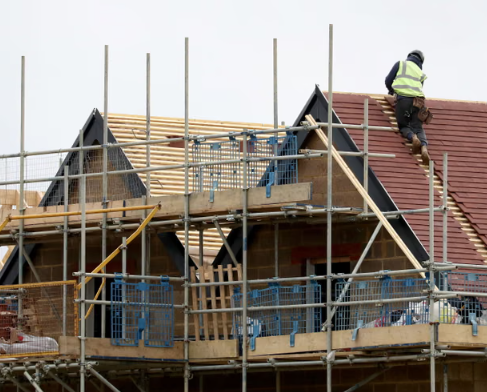
The landscape of rural England faces a quiet but truly seismic shift today. New analysis suggests that half of all future affordable homes are at risk. Ministers are currently considering significant changes to national planning regulation frameworks. These proposed rule changes target private housing developers across the entire country. The government aims to jumpstart sluggish national rates of new housebuilding. Their primary focus involves ending existing affordable housing quota requirements currently. These specific obligations are widely known as section 106 legal agreements. Such rules currently apply to medium developments of ten to forty-nine units. Ministers are debating allowing developers to make simple cash payments instead. These payments would go directly to various local authorities across England. A final government decision is expected to arrive within a few weeks. The National Housing Federation has conducted an urgent analysis of figures. Their findings highlight a major danger for our most rural communities today. More than half of all affordable homes occupy such medium-sized sites.  The National Housing Federation represents many vital housing associations across the nation. They warn that ending these requirements could prove costly for everyone. We might lose thirty-two thousand affordable homes over the next decade. This loss would strike at the heart of our rural village life. Families are already struggling to find affordable places to live near home. They are frequently priced out of communities they have long called home. These new proposals risk making the current housing crisis much worse indeed. The chief executive of the National Housing Federation issued a warning recently. Kate Henderson described this requirement as a critical tool for local delivery. It ensures affordable homes are built in our most remote rural areas. Removing this mandate could endanger half of all future rural home supply. Such a move would certainly lead to increased waiting lists for housing. We would likely see rising levels of homelessness across many rural counties. It could also cause severe staff shortages in local schools and businesses. Local services often rely on workers living within their own immediate community. Without affordable housing, these vital local economies will surely begin to suffer. The Ministry of Housing, Communities and Local Government has responded to concerns. A spokesperson stated that no firm decisions have been reached on policy. They emphasized a commitment to making planning processes simpler and more transparent. The government maintains a focus on building the homes this country needs. They also aim to deliver essential infrastructure projects across the entire nation. Section 106 agreements remain a vital source of new affordable housing today. In the absence of high council housebuilding, they serve a crucial role. These agreements accounted for thirty-six percent of all affordable homes last year. However, ministers have grown concerned about these rules during recent months. They believe these requirements act as a hindrance to new building efforts. Developers are already struggling with the high costs of project finance. They also face rising prices for essential construction materials across the country. Experts also point out that housing associations face very tight budgets. Many organizations find it difficult to buy homes built under these arrangements. They simply lack the capital required to manage these units effectively today. London has already seen significant changes to its own planning policy landscape. Ministers and the mayor, Sadiq Khan, have reduced local housing requirements. They acted after new housebuilding rates plummeted to just a few thousand. Developers now qualify for fast-track status with lower affordable housing numbers. The government is now looking to apply similar logic to rural areas. Under these new proposals, builders could make payments instead of housing. These cash payments would be earmarked for affordable homes built elsewhere. Critics worry that this money will not deliver homes in the villages. The funds might be diverted to urban centers instead of rural locations. Ministers have been advised to avoid major policy announcements right now. The nation is currently waiting for a new prime minister to emerge. Andy Burnham is the member of parliament for Makerfield and the frontrunner. He is widely considered the favorite to become the next prime minister. Official work is understood to be continuing on these technical changes regardless. A spokesperson for Andy Burnham would not comment on these specific proposals.
 The political future remains uncertain for many rural communities across the country. Local authorities are watching these developments with a very keen sense of interest. They know that housing policy impacts the future health of their residents. We must balance the need for growth with the need for community. Future generations rely on the decisions that are made in London today. The balance between private development and public good is always very delicate. Rural England represents a unique social fabric that requires careful policy protection. Everyone deserves a place to call home within their own local community. We will continue to monitor these developments as more information becomes available. The English Chronicle remains committed to covering these vital issues for you. Our goal is to provide clarity on complex matters of national policy. We hope this report provides a thorough overview of the current situation. Thank you for choosing us to stay informed on this important topic.
Related News:
 Green Party Surges Past Labour in Latest UK Poll
 Trump’s UK Ambassador Urges North Sea Drilling to Strengthen US Ties
 French Taxi Driver Cleared in David Lammy Theft Case After Fare Dispute
 Millionaires group urge Reeves to introduce wealth tax to ‘lift kids out of poverty’
 Starmer Faces Growing Dissent as Labour MPs Weigh Leadership Challenge
 Reeves rejects £1bn plea for NHS redundancy payouts
 PM Condemns Leaks, Vows Loyalty to Ministers and Stability
 Major Rent Reform Ends No-Fault Evictions in England
 Peers Flood Assisted Dying Bill with 942 Amendments
 Most Tories Expect to Support a Farage-Led Government
 Labour MP claims devolution bill is ‘blatant discrimination’ against Cornwall
 Millions Face Higher Taxes Under Reeves New Budget
 Starmer Says Labour’s Economic Plan Needs Years to Deliver
 Culture secretary to review Telegraph takeover by Daily Mail owner
 UK Government Borrowing Drops to £11.6bn in December
 Labour Blocks Burnham as Party Rift Deepens Ahead of Polls
 Andy Burnham and the Labour Rift Over Power and Leadership
 Huge mistake: Labour blocks Burnham from byelection bid
 Artificial intelligence will cost jobs, admits Liz Kendall
 Labour targets Greens on drugs in Gorton Denton byelection
 Greens nominate Hannah Spencer for Gorton and Denton byelection
 Mandelson Faces Police Inquiry Over Epstein Leak
 Starmer Condemns ‘Depraved’ Russian Strikes on Ukraine
 Labour Thinktank Row Deepens Over Journalist Probe Claims
 Morgan McSweeney downfall shocks Labour leadership
 Cabinet Secretary Shake-Up Triggers Due Diligence Warning
 Starmer Faces Inquiry Calls Over Thinktank Probe
 Royal Mail Delivery Crisis Deepens Amid Weather Chaos
 UK shelves £110m border project amid trade strain
 Farage Unveils Reform UK Frontbench Team
 California Democrats Vow Trump Reckoning
 Trump Tariffs Threat Spark UK and EU Alarm
 Wales Approves Assisted Dying Bill Consent
 UK EU Trade Reset Gains Public Backing
 Green Party Stuns Labour in Gorton and Denton Byelection
 Corbyn Leads Your Party in Coordinated Left-Flank Strategy
 Labour Together scandal sparks clean break vow
 Asylum Seekers to Work After Year-Long Wait
 Starmer Row as Greens Demand Apology
 Proposed Law Leaves Gap for Children of Convicted Paedophiles
 Gordon Brown urges court for crimes against children
 Starmer Praised for Stance on Trump and Iran Conflict
 Inquiry into HMRC child benefit errors launched by NAO
 NHS Plans to Cut Overseas Workers Labeled Overambitious
 Farage Faces Backlash Over Crypto Cameo Endorsements
 Army Probes Apache Flyover at Kid Rock’s Nashville Estate
 Relationship with Trump may be beyond repair, Starmer warned
 Unions Raise Concerns Over Doctors’ Pay Dispute
 UK Government Poised to Revive Stalled Hillsborough Law
 Starmer Faces Commons Test Over Mandelson Scandal
 UK Stands Firm on Falklands Amid US Rift
 Crackdown Backfires on UK Climate Protesters
 Welsh Labour Faces Potential Historic Election Defeat
 Starmer Survives Mandelson Rebellion
 Silent Tracks: Rail Line Without Passengers
 Major test for Labour as polls open in Great Britain
 Labour Members Doubt Starmer Future as Burnham Leads Poll
 Reform UK Faces Crisis as Newly Elected Councillors Resign
 Farage Faces New Questions Over Private Helicopter Use
 Keir Starmer Struggles to Secure His Grip on Downing Street
 Farage Faces Standards Probe Over Cash Property Purchase
 Green Party Makerfield Candidate Resigns Over Posts
 Secret Role of UK Security Services in Troubles Amnesty Law
 Farage and Reform UK Reshape British Politics
 Starmer Leadership Under Pressure After Setbacks
 Minister Criticises Police Guidance Amid Southampton Protests
 Makerfield Voters Demand Real Change as Election Looms
 The Hidden Crisis Eroding Trust in British Communities
 Deepfake Abuse on X Sparks Safety Concerns for Dissidents
 UK Ministers Lobby Trump Over Under-16s Social Media Ban
 Labour MP Revives Blocked Assisted Dying Bill in Commons
 Starmer Resolves to Fight Burnham in Leadership Battle
 Starmer Set to Announce Exit Plan as Burnham Eyes No 10
 Hollie Ridley to Step Down as Labour General Secretary
 Jarvis Urges Burnham to Secure 3.5% Defence Spending
 Farage Warns Sky News Following Financial Inquiry
 Reform UK Finances Face Deep NCA Probe
 Ann Widdecombe, Formidable Political Figure, Dies at 78
 Treasury Reform Urged After Tragic Loss
 Sadiq Khan Backs Call for Maximum UK Work Heat Limit