Published: 7 July 2026 | The English Chronicle Desk | The English Chronicle Online
A distinctive celebratory movement known around the world as the “Trump dance” has become one of the most recognisable gestures in modern sport, appearing on football pitches, in combat sports arenas and across social media platforms. Originally associated with US President Donald Trump, the dance has developed into a cultural phenomenon that has been adopted by athletes seeking to celebrate victories, entertain supporters or make political and personal statements.
The dance, characterised by rhythmic arm movements, side-to-side steps and a stiff, bouncing motion, gained widespread attention after Trump repeatedly performed it at political rallies and public appearances. Over time, the gesture moved beyond politics and entered popular culture, with athletes around the world recreating the movement after scoring goals, winning matches or achieving major sporting milestones.
Although the dance has supporters who view it as humorous and expressive, it has also attracted controversy because of its connection to a highly polarising political figure. Its appearance in sport has therefore created debate about the relationship between athletics, entertainment and political symbolism.
The origins of the “Trump dance” are linked to Trump’s public appearances during his political campaigns, particularly during rallies where he frequently used music performances and informal gestures to engage supporters.

The movement became more recognisable after Trump began performing the same short routine repeatedly at campaign events. Rather than a traditional choreographed dance, it was a simple series of movements that supporters quickly identified as a personal trademark.
The gesture gained even greater international attention when athletes began copying it.
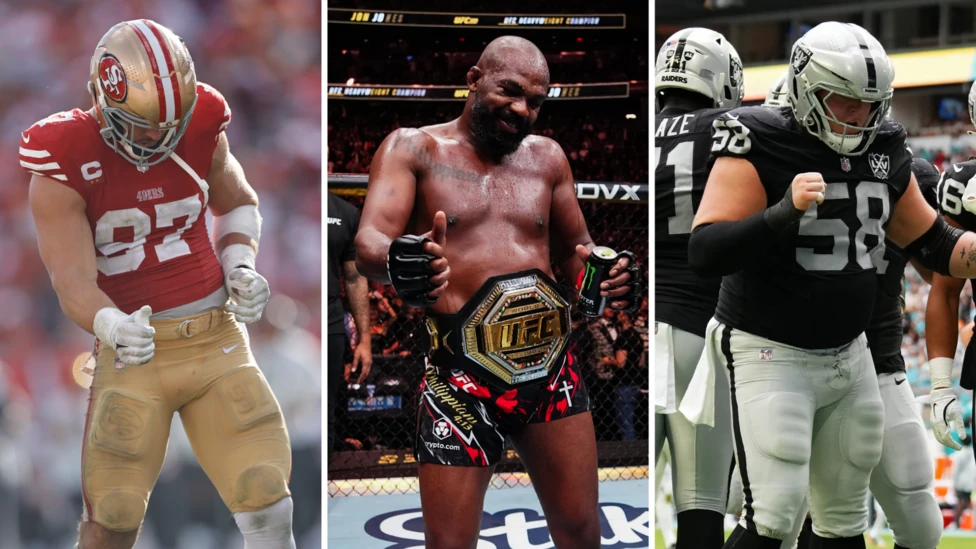
One of the earliest and most notable sporting appearances came in combat sports, where fighters often use celebrations to express personality and create memorable moments after victories.
Mixed martial artists and boxers have frequently borrowed popular dances, gestures and internet trends as part of their celebrations, and the Trump dance soon became another option for athletes looking to attract attention.
Football has perhaps provided the biggest stage for the dance’s spread.
In modern football culture, goal celebrations have become an important part of a player’s identity. From choreographed group routines to individual gestures, players often use celebrations to communicate emotion, humour or personal messages.
The Trump dance entered football conversations when several players performed variations of the movement after scoring goals or winning matches.
Its use has generated mixed reactions among supporters.
Some fans view it simply as a light-hearted celebration with no deeper meaning, similar to other viral dances that have appeared in sport. Others interpret it as a political statement because of its association with Trump, particularly in countries where debates surrounding American politics remain highly divisive.
The 2026 FIFA World Cup era has provided another major platform for viral celebrations, with players and supporters closely following every unusual gesture appearing during the tournament.
Football’s global audience means that celebrations can spread internationally within minutes through social media platforms, turning a player’s personal moment into a worldwide trend.
The influence of social media has played a crucial role in transforming the Trump dance from a political rally gesture into a sporting phenomenon.
Platforms such as TikTok, Instagram and X allow short clips of celebrations to reach millions of viewers, encouraging other athletes and fans to recreate the same movements.
In many cases, athletes adopt viral gestures because they understand their entertainment value and their ability to connect with younger audiences.
However, the use of politically associated gestures in sport remains complicated.
Sports organisations have traditionally attempted to maintain political neutrality, particularly during major international competitions involving athletes from different countries and backgrounds.
While personal expressions are often permitted, gestures carrying political messages can attract criticism or raise questions about whether sport is being used as a platform for political debate.
The Trump dance occupies an unusual position because it can be interpreted in multiple ways.
For some athletes, performing it may be intended as simple entertainment or recognition of a popular cultural trend.
For others, it may represent support for Trump’s political views.
The meaning often depends on the context, location and individual athlete involved.
Supporters of political expression in sport argue that athletes should have the same freedom of expression as anyone else. They point out that sports figures have historically used celebrations, clothing and public statements to express personal beliefs on social and political issues.
Critics, however, believe sporting events should focus primarily on competition and avoid gestures that may divide audiences.
The debate reflects a broader discussion about the changing role of athletes in society.
Modern sports stars are no longer viewed only as competitors. They are global personalities with enormous influence through television, advertising and social media. As a result, their actions both on and off the field often attract attention far beyond sport itself.
The Trump dance’s popularity also demonstrates how quickly cultural symbols can evolve.
A gesture created in a political environment has been transformed into a global sporting reference, showing the increasingly connected relationship between politics, entertainment and athletics.
Similar examples have occurred throughout sporting history.
Athletes have adopted popular dances, songs and internet trends as celebrations, while some have used gestures to communicate personal messages or draw attention to causes they support.
The difference with the Trump dance is its direct connection to one of the world’s most prominent political figures.
This connection has ensured that every appearance generates discussion.
Some athletes have embraced the attention, recognising that controversial celebrations often create greater visibility and engagement with fans.
Others have avoided the gesture because they do not want their sporting achievements linked to political debates.
For fans, reactions are equally varied.
Some supporters enjoy the humour and creativity of modern goal celebrations, viewing them as part of the entertainment aspect of sport.

Others argue that political references, intentional or not, can distract from athletic achievement and create unnecessary divisions among supporters.
Despite the debate, the Trump dance has become firmly established as one of the most recognisable viral gestures in contemporary sport.
Its journey from political rallies to football stadiums and sporting arenas reflects the power of modern media and the speed at which cultural trends can cross international boundaries.
Whether viewed as a joke, a celebration or a political statement, the dance has become a symbol of how sport increasingly interacts with wider society.
As athletes continue to search for new ways to celebrate and connect with audiences, viral movements will likely remain a major part of sporting culture.
The Trump dance represents just one example of how a simple gesture can take on a life of its own, moving from one environment to another and gaining meanings that extend far beyond its original purpose.
Related News:
 ‘A long time coming’: US table tennis finds its moment
 Rivalry That Changed Modern Football Forever
 Fans Bring Flags and Fire to World Cup Scenes
 11 EFL Stars Ready to Shine at World Cup
 Arsenal Trio Named on Player of the Year List
 Three Arsenal Stars Make Award Shortlist
 Fans Invited to Share Scotland World Cup Stories
 Fans Angry Over US Visa Rules Before World Cup
 Taylor Swift and Travis Kelce Marry at Madison Square Garden
 Trump Helps Clear Balogun for Belgium World Cup Clash
 Trump Intervenes in Fifa World Cup Balogun Ban
 Trump Helps Clear Balogun for Belgium World Cup Clash
 London Bids for 2029 World Athletics Championships with £45 Million Government Backing
 Fabio Wardley stuns Joseph Parker to earn Usyk title shot
 VAR Must Rein Its Neck In to Save Football’s Spirit
 Nancy Sacked by Celtic as O’Neill Returns for Season
 Actor Robert Duvall, Who Starred in The Godfather, Dies Aged 95
 Pacquiao and Mayweather Agree Professional Rematch for September
 Iran, the US, and a World Cup That Starts in Three Months
 Legendary Notre Dame College Football Coach Lou Holtz Dies at 89
 ‘Southern White House’ Stunt: US Army Probes Apache Flyby at Kid Rock’s Mansion
 ‘The Show Must Go On’: Megan Thee Stallion Hospitalized Mid-Performance in Broadway Debut
 Can Congress Stop US Sports Teams From Moving Cities?
 Miami Upgrades Shake Up F1 Title Fight
 Rising World Cup Ticket Prices Spark Concern
 Southgate Calls for Different Approach to Boys
 Iran Team Arrives in Mexico Amid US Visa Dispute
 “My Drinking Days Are Over” — How to Enjoy an Alcohol-Free World Cup
 Scotland Branded “Unprofessional” in World Cup Fallout as England Build Momentum
 Kane Enters Ballon d’Or Debate After Bayern Form, but World Cup Seen as Decisive Factor
 Trump Receives Mixed Reception at NBA Finals in Historic Presidential Appearance
 Football Regulator Contacts West Ham Over “Serious Allegations” Linked to Sullivan
 Chinese Football Fans Embrace Referee as Unexpected World Cup Figure
 Referee Controversy Raises Questions Over FIFA’s Control of the World Cup
 Nike Charges Fans Most for World Cup Replica Shirts
 Safeguarding Probe Limits West Ham Owner’s Role
 Saka Playing Through Pain As England World Cup Campaign Looms
 England Cruise Past Costa Rica as World Cup Warm-Up Sharpens Tuchel’s Vision
 Football Hopes to Outshine World Cup Drama in Mexico
 Tension Grips Mexico City Ahead of World Cup Opener
 Inside the Three Lions: Bellingham Reveals Euro 2024 Flaws
 Chaos and Celebration at the Historic Azteca Stadium
 ‘We all love him’: Henderson backs Bellingham for England success
 Real Madrid Sign Marc Cucurella From Chelsea
 Why Bringing Back Jordan Henderson Is Thomas Tuchel’s Masterstroke
 Can France Escape the Ghosts of their 2002 World Cup Nightmare?
 Deschamps Shields Mbappé From Fierce Political Storm
 Messi Equals World Cup Record In Masterclass Victory
 Tuchel’s England Mission Goes Beyond Football Success
 Historic Victory for Canada as They Defeat Nine-Man Qatar
 Heartbreak for Canada as Koné Suffers Horrific Injury
 New Premier League Fixtures Set Stage for Thrilling Season
 Declan Rice Facing Burnout as Tuchel Confronts Midfield Crisis
 How ‘Little Scotland’ Is Embracing the World Cup Spirit
 Cape Verde Hold Uruguay in Dramatic World Cup Clash
 World Cup 2026: Reclaiming the American Dream
 The Forgotten Hosts Making World Cup History Behind the Scenes
 Great Stories, Little Jeopardy – Does the New World Cup Format Really Work?
 Pampered, Protected and Primed – So Why Didn’t Scotland’s Players Perform?
 Paraguay Shock Germany in Historic Penalty Shootout
 Morocco Beat Dutch in Wild World Cup Penalty Drama
 Tuchel Set to Retain Southgate’s Penalty Strategy as England Focus on Tournament Success
 England Fans Praised for ‘Excellent’ Behaviour During World Cup Campaign
 Haaland Heroics Send Norway Into Historic Last 16 Knockout
 Kane Saves Tuchel as England Survive Dramatic Exit
 Ramos Sends Portugal into the Last 16
 Spain Dominates Austria to Reach Quarter-Finals
 Pubs Granted Permission to Stay Open Until 5am for England’s World Cup Clash with Mexico
 Former Olympian Indicted Over Alleged Vandalism at Washington’s Reflecting Pool
 From Friendship Bracelets to Wedding Rings: A Timeline of Taylor Swift and Travis Kelce’s Relationship
 Paul Seixas: French Cycling’s Teenage Hope at the Tour
 Norway’s Stunning World Cup Victory Over Brazil
 England Triumph in Azteca World Cup Thriller
 Trump’s Red-Card Intervention Hurts the US World Cup
 Police Probe Claim of Missing £1.5m in Yes Scotland Campaign
 England’s 10 Men Hold Firm in World Cup Thriller
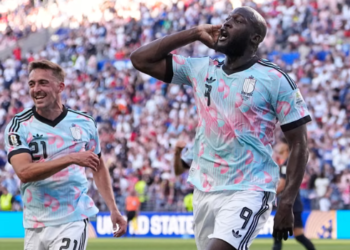 Belgium Thrashes USA After Red Card Controversy
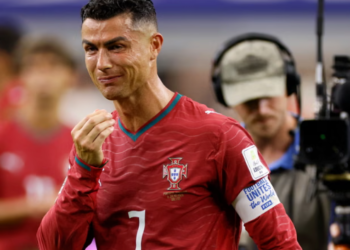 Ronaldo Says Farewell to the World Cup Stage
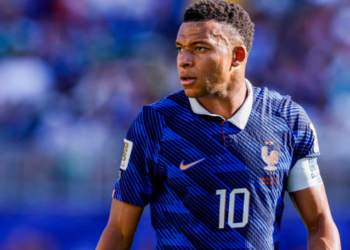 Kylian Mbappé Slams Paraguayan Senator Over Racist Attack
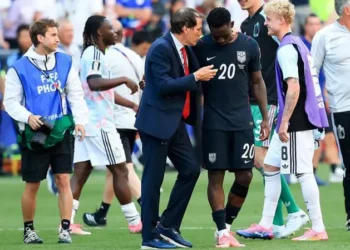 Balogun Drama Overshadows USA’s World Cup Exit