Published: 7 July 2026 | The English Chronicle Desk | The English Chronicle Online
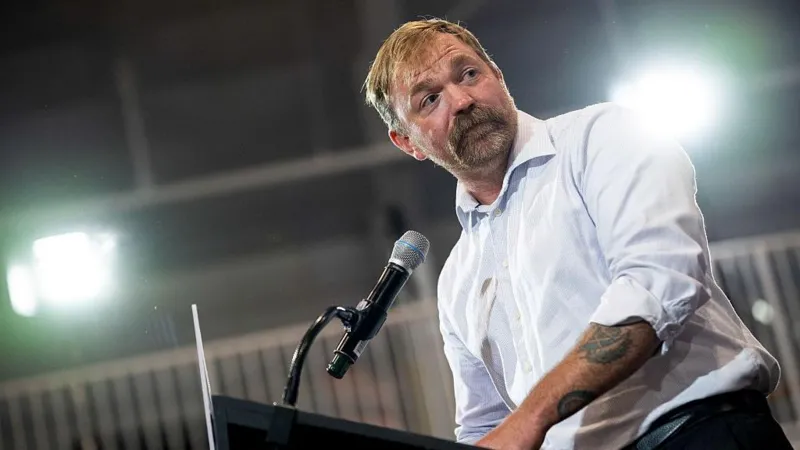
Senior Democratic figures have called on a Maine Senate candidate to withdraw from the election campaign following allegations of sexual assault, intensifying pressure on the politician as party leaders attempt to address concerns surrounding the race.
The calls for the candidate to step aside come amid growing political scrutiny over how parties respond when allegations of serious misconduct emerge involving individuals seeking public office. Democratic officials have argued that the claims require a response that protects public trust, while the candidate has faced increasing demands to suspend or end the campaign.
The candidate has denied wrongdoing and rejected the allegations, maintaining that they should not determine the outcome of the election. The dispute has created a difficult situation for Democrats in Maine, where party leaders must balance support for due process with concerns about the political and ethical implications of continuing the campaign.

The allegations have not resulted in a criminal conviction, and the legal process, if pursued, would determine whether any offences occurred. Under the principles of the justice system, allegations must be proven through evidence and legal proceedings rather than public accusations alone.
However, political parties often face separate questions regarding public confidence, campaign viability and the standards expected of candidates seeking elected office.
The pressure from Democratic leaders reflects a broader national debate that has emerged repeatedly in recent years involving allegations against politicians.
In many cases, party officials have been forced to decide whether allegations of misconduct should affect a candidate’s ability to continue representing the party. Those decisions often involve competing considerations, including fairness to the accused, support for alleged victims and the potential impact on voters.
Democratic officials urging the candidate’s withdrawal have argued that the allegations have created circumstances that make continuing the campaign difficult.
They have expressed concern that the controversy could distract from policy discussions and undermine confidence in the party’s candidate.
Supporters of the candidate, however, have argued that removing someone from an election before a full investigation or legal determination could undermine principles of fairness.
They have pointed to the importance of allowing allegations to be examined properly before reaching conclusions.
The situation has become particularly significant because Senate races often carry national implications.
Although the election is taking place in Maine, control of the US Senate can depend on contests across individual states. As a result, candidate controversies can quickly attract attention from national party organisations and political leaders.
The Democratic Party has faced similar challenges in previous elections, with officials often attempting to establish consistent standards for responding to allegations of misconduct.
The issue is complicated because political campaigns operate on timelines that do not always align with legal processes.
Investigations can take months or years, while elections require voters to make decisions within a limited period.
Party leaders must therefore make judgments based not only on legal outcomes but also on political realities and ethical considerations.
The Maine controversy highlights the continuing impact of the #MeToo movement, which brought increased attention to allegations of sexual harassment and assault across workplaces, entertainment, politics and other sectors.
Since the movement gained international prominence, many organisations have changed how they respond to allegations, placing greater emphasis on accountability and creating safer environments.
However, debates continue over how to balance accountability with protecting individuals from unproven claims.
Legal experts frequently stress that allegations should be investigated carefully and that both accusers and accused individuals have rights that must be respected.
The candidate’s supporters have argued that political pressure should not replace a proper examination of facts.
They say voters should have the opportunity to decide based on a complete understanding of the circumstances.
Opponents argue that candidates seeking public office must meet a higher standard because elected officials hold positions of public trust.
They believe serious allegations can affect a candidate’s ability to effectively serve, even before a legal conclusion is reached.
The disagreement has placed Maine Democrats in a challenging position.
Party officials must consider the concerns raised by national leaders, local voters and members of the political organisation while also managing the rights and response of the candidate involved.
The outcome could influence not only the Senate race but also broader discussions about how political parties handle allegations involving their own candidates.
As the campaign continues, attention is expected to focus on whether additional information emerges, whether investigations move forward and whether the candidate changes their position.
The decision ultimately rests with the candidate, but the growing calls for withdrawal demonstrate the significant political pressure surrounding the issue.
Election campaigns frequently involve intense scrutiny, but allegations of sexual misconduct can create challenges unlike ordinary political disagreements.
Candidates facing such accusations often find themselves defending both their reputation and their ability to continue campaigning effectively.
For voters, the situation raises difficult questions about trust, accountability and fairness.
Some may prioritise the allegations and the concerns raised by party leaders, while others may focus on the principle that individuals should not be judged without formal findings.

The debate reflects wider tensions in modern politics, where public expectations of transparency and accountability have increased while legal protections for accused individuals remain fundamental.
As the Maine Senate race develops, the controversy surrounding the candidate is likely to remain a central issue.
Whether the candidate withdraws or continues the campaign, the case will contribute to ongoing national conversations about political responsibility, allegations of sexual misconduct and the standards expected from those seeking elected office.
For now, Democratic leaders have made their position clear: they believe the candidate should step aside. The candidate, however, continues to dispute the allegations and has not indicated a willingness to end the campaign.
Related News:
 US Charges Sinaloa Governor in Major Cartel Case
 Trump Labor Secretary’s Husband Barred from Department Over Sexual Assault Allegations
 Inside Kyiv’s resolve as conflict nears five‑year mark
 Hillary Clinton Tells House Panel She Had No Idea of Epstein’s Crimes
 Utah Bereavement Author Convicted in Husband’s Poisoning Case
 Swalwell Faces Pressure to Quit Governor Race
 Harmeet Dhillon Faces Scrutiny in DOJ Role Debate
 FBI Links Brown University Shooting to Long-Term Grievances
 Cartel crackdown raises fears of fresh violence
 US states redraw maps after voting rights ruling
 US ‘Narco Boat’ Strikes Draw Global Outcry
 Immigration Judges Fear Pressure in Trump Era
 US judge dismisses Kilmar Abrego Garcia indictment
 Gunman Killed After White House Security Shootout
 Zelensky Invites Putin to Direct Peace Talks
 US Criticises UK Policing After Henry Nowak Case
 Bondi Points to Blanche Over Epstein File Release
 US Condemns Alleged ‘Two-Tier’ UK Policing
 Teen Among Arrests at Nowak Protest as Three Charged
 Six More to Appear in Court Over Henry Nowak Protest Arrests
 Watchdog Says MI5 Knew Agent’s Violent Misogynistic Views
 Erika Kirk Faces Husband’s Alleged Killer in Court
 Tasers Introduced in UK Prisons to Combat Rising Violence and Protect Staff
 Police Advised to Disclose Ethnicity of Suspects in High-Profile Cases
 Jailed Georgian Opposition Leaders Warn UK of Iranian Links to Ruling Party
 Boris Johnson Breached Rules on Post-Office Business Contacts
 French Taxi Driver Cleared in David Lammy Theft Case After Fare Dispute
 South African Detained After Neo-Nazi Rally in Australia
 US National Guard Member Killed in DC Shooting
 Files Link Andrew to Epstein Dinner After Prison Release
 Emails Show Epstein Funded Mandelson’s Husband After Jail
 Police Probe Mandelson Over Alleged Epstein Leak
 Starmer to Release Mandelson Files
 Last‑ditch Call to Save Police Front Counters in London
 Nine Arrested in France Over Death of Far‑Right Student
 Desperate Hunt for Breakthrough in Nancy Guthrie Case Turns to Mexico
 How Much Could Andrew’s Arrest Hurt the Royal Family?
 Trump Vows UFO File Release After Obama Interview
 US ‘Suitcase Murderer’ Deported From Bali After 11 Years in Jail
 American Citizen Killed in Cuba Boat Shooting, U.S. Officials Say
 US Senate Vote Fails to Rein in Trump War Powers on Iran
 Man on Trial for Rape That Led to Andrew Malkinson’s Wrongful Jailing
 Labour MP’s Partner Arrested on Suspicion of Spying for China
 Police Scotland Pays £8m Compensation to Staff
 Epstein Aides Still Control Money and Secrets
 After Mugabe: Family Feuds and Legal Battles
 Children’s Author Convicted in Husband Poisoning Case
 Belarus Leader Gifts Rifle to Kim Jong Un
 Mandelson’s Phone Messages Requested in Files Release
 Democracy Under Guard: Police Surge Support as Threats Against MPs Hit Record Highs
 The “Protective Shield”: Who is Todd Blanche, the New Acting U.S. Attorney General?
 The Bench Strikes Back: Lower Court Judges Emerging as Main Obstacle to Trump’s Executive Pivot
 The Moral Crisis Looming Within the American Chain of Command
 ‘Ghost Offences’: Data Reveals No Children Charged with New ‘Adult Crime’ Laws in 11 Years
 The Changing Face of Georgia: Trump-Backed Clay Fuller Wins Election
 Capitol Hill Showdown: Bill Gates to Testify in Expanding Epstein Inquiry
 The Gilgo Beach Case: Heuermann Expected to Plead Guilty to Eighth Victim
 Mass Arrests at London Palestine Protest Spark Debate
 Trump at Press Dinner Sparks Tension
 US Court Weighs Fate of TPS for Migrants
 Florida Redistricting Map Sparks Major US Political Battle
 US Voting Rights Ruling Sparks Celebration and Outcry
 The “Invisible” Tape: Leaked Video Contradicts Police Denial in Brutal Arrest Case
 US Court Ruling Reshapes Voting Rights Landscape
 Trump warns Iran as Middle East tensions surge again
 US Court Restores Abortion Pill Access Temporarily
 Florida Surgeon ‘Devastated’ Over Fatal Surgery Error
 US green card applicants must apply from abroad, DHS says
 Tulsi Gabbard exits after turbulent intelligence tenure
 Former ICC prosecutor condemns US sanctions
 DeSantis’s ‘Alligator Alcatraz’ Faces Final Shutdown
 Prosecutor Proposes Law to Combat Election Deceit
 Trump-Netanyahu Call Fuels Iran Talk Crisis
 Republicans Defy Trump on Ukraine Aid Bill
 Ex-Wife of Dubai Royal Relative Held in Custody
 Man Arrested 22 Years After Leeds Teen Murder
 Lammy Says He Challenged JD Vance Over Nowak Remarks
 South Africa Tightens Borders in New Migration Crackdown
 Henry Nowak Murder: How the Case Shocked Britain and Drew US Attention
 Trump’s Major Recruitment Drive Targets Border Patrol Growth