Published: 09 July 2026. The English Chronicle Desk. The English Chronicle Online.
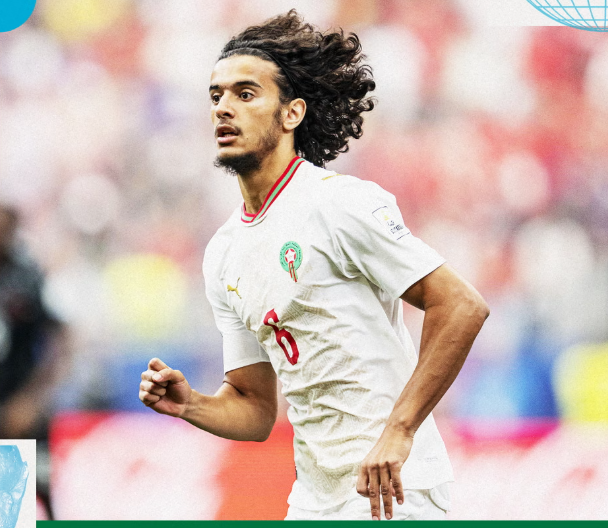
The upcoming World Cup quarter-final match between France and Morocco perfectly highlights modern global football. When Ayyoub Bouaddi steps onto the pitch in Boston, he will proudly wear a Morocco national shirt. Only one hundred and one days before this moment, he captained France at the youth level. Bouaddi is a talented Lille midfielder who faced a very difficult decision regarding his own future. He chose to represent Morocco after much careful consideration and many long talks with his family. The French technical director, Hubert Fournier, expressed his clear disappointment regarding the loss of such talent. This specific situation is not an isolated event for either nation during this current summer tournament. There are ninety-nine players at this World Cup who were born in France, a remarkable statistic. The Netherlands ranks second in this category, yet they trail France by thirty-two total players.
Only seven members of the current Morocco squad were actually born within their own home nation. Three players in that same squad were born in the Netherlands, their recent defeated tournament opponent. Six players in that same Morocco team were born in France, who they face next Thursday. Azzedine Ounahi recently joked that the providers of world football had finally won the big game. France, and the Paris region, remain the most significant providers of elite talent in global football. Of those ninety-nine players born in France, fifty-two of them hail from the busy Paris region. Only twelve of these players currently represent the official France national team on the world stage.
This region has seen a clear upward trend in player development over the last few years. São Paulo was once considered the primary world centre for such high level youth player development. That status has clearly changed as scouts now focus their efforts on the French capital instead. Paris Saint-Germain has shifted its internal strategy to provide clear pathways for these young local players. Talented stars like Warren Zaïre-Emery have benefited directly from this shift in the club’s philosophy. Intense levels of competition for places act as a major driver for increasing standards everywhere. Football is seen as a primary means for social mobility by many young families today. This creates an unrelenting level of intensity at the amateur level across the entire French nation.
Club level competition is currently creating a significant surplus of talent that cannot be fully utilized. One experienced scout explained that there are simply too many talents for clubs to use effectively. Consequently, many foreign clubs are now closely watching the French scene for potential new recruit signings. This situation is mirrored at the international level, where this surplus becomes a gift for others. Morocco is certainly a major beneficiary of the immense talent being nurtured within the French system. There remains no real ill feeling toward Bouaddi, despite the efforts of the French football federation. Even the legendary Zinédine Zidane reportedly tried to convince the young player to remain with France.
Bouaddi is certainly not the only player facing his birth nation in the upcoming quarter-final match. Neil El Aynaoui, who was born in Nancy, will likely partner him in the midfield area. Samir El Mourabet, born in Strasbourg, is another strong contender to start in that same position. Issa Diop, who represented France at the U21 level, will likely start in the central defence. Gessime Yassine and Redouane Halhal are also part of Mohamed Ouahbi’s very talented and diverse squad. They are part of a distinctly multicultural Morocco team comprised of nineteen players born far abroad. This includes players born in France, the Netherlands, Spain, Canada, and also in Belgium as well. Morocco is an extreme example, but twenty-three percent of all players are not representing their birth.
Morocco has strong arguments to attract talent beyond simple matters of the heart and national pride. They reached the semi-finals in 2022 and have invested heavily in the massive Mohammed VI Academy. This national training centre now rivals the best installations of the most elite European football nations. There is a clear ambition and a forward-looking vision present within the Moroccan football federation today. France’s complex colonial history in north Africa means there is a significant Maghrebin diaspora present there. More than a tenth of France’s current population was born outside of the country’s own borders. Nearly half of those people were born on the African continent, bringing many distinct cultural influences. This diversity was France’s greatest strength when they successfully won the World Cup back in 1998. The famous slogan “Black, Blanc, Beur” encapsulated that feeling of national unity for all the people.
Diversity continues to be a major strength for France despite some vocal attacks on its nature. In 2024, Enzo Fernández apologized after he and other players were filmed singing an offensive chant. The chant wrongly suggested that French players were not truly representative of the nation they served. After France beat Paraguay, a senator made comments about Kylian Mbappé that were condemned by many. The French federation denounced those utterly abhorrent and unacceptable comments with strong and very clear support. Even the UN Human Rights office and the Paraguayan government distanced themselves from those offensive remarks. French prosecutors have since launched an investigation into the matter to ensure that justice is served.
These comments provide a serious backdrop as France prepares to face Morocco on the big stage. Politics and sport have been deeply intertwined throughout the duration of this highly anticipated summer tournament. We have seen various controversies ranging from the treatment of the Iran delegation to tournament refereeing. Even Donald Trump has intervened in issues regarding the suspension of the player Folarin Balogun recently. Kylian Mbappé has been at the center of a political storm regarding the far right movement. The national team is widely considered to be representative of the diverse modern French population today. The French federation president reiterated this point, saying the players truly represent the nation of France. Diversity remains France’s greatest strength, and other countries are now benefiting from this positive global reality.
Related News:
 Reeves Faces Setback as Labour May Miss Homes Target
 Kate Winslet to Narrate Film Highlighting King’s Environmental Mission
 Trump’s UK Ambassador Urges North Sea Drilling to Strengthen US Ties
 UK Bans Fake Numbers: Scammers Lose Their Trick
 Vibe coding’ named Collins dictionary’s word of the year
BBC to Apologise Over Edited Trump Speech Amid Backlash
Vibe coding’ named Collins dictionary’s word of the year
BBC to Apologise Over Edited Trump Speech Amid Backlash
 Millionaires group urge Reeves to introduce wealth tax to ‘lift kids out of poverty’
 Reeves rejects £1bn plea for NHS redundancy payouts
 PM Condemns Leaks, Vows Loyalty to Ministers and Stability
 Phillipson Accused of Appeasing Unions by Diluting EBacc
 Saka Solidifies Role as Tuchel’s Key England Lieutenant
 Greene Pushes Epstein Files Amid Trump Fallout
 Zelenskyy Signs Fighter Jet Deal Amid Russian Drone Attacks
 Sundar Pichai Cautions on AI Hype and Market Risks
 Shadow Fleet at Sea: Europe’s Battle Against Illicit Oil Shipping
 Snow and Ice Cause Travel Chaos in North Yorkshire
 Director Michael Caton-Jones Reflects on Career and Beginnings
 Inside the Helpline Protecting Missing Children in the UK
 PlayStation PS5 Deals Hit Lowest Prices Ahead of Black Friday
 US Suspends Afghan Immigration After White House Shooting
 Five-Year-Old Dies After Rare Tonsil Surgery Complication
 Starmer Says Labour’s Economic Plan Needs Years to Deliver
 ‘Extinct’ Antelope Returns to Sahara, Bringing Hope
 IndiGo Cancels Hundreds of Flights Amid Pilot Shortages
 Young Britons Face Heaviest Burden from Ageing Population, Lords Warn
 U‑Turn on Farmers’ Inheritance Tax Sparks Political Firestorm
 Aston Villa Remain Arsenal’s Key Obstacle in Title Pursuit
 Irish Beach Tragedy: Irish Drown at Whitehaven Beach in Australia
 Starmer Faces Parliamentary Battles Over UK-EU ‘Reset’ Plan
 Met Police Vetting Failures Let Serial Rapists Remain
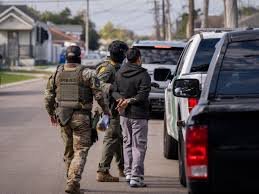 Federal Immigration Shift: Officers Leave Louisiana for Minneapolis
 Fatal Bolton Taxi Crash Claims Three Teens and Driver
 Australia grants Asio powers to designate hate groups under new laws
 Friedman Uninvited From 2024 Adelaide Writers’ Week
 US and Iran Agree to Two-Week Provisional Ceasefire
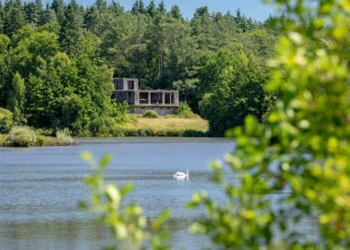 Battle of Britain Tower to House Tourists and Bats
 The Challenger: Will Péter Magyar End the Orbán Era?
 UK Government Poised to Revive Stalled Hillsborough Law
 Democrats Move to Impeach Defense Secretary Pete Hegseth
 Security Alert Near Israeli Embassy as Police Investigate
 Ben Roberts-Smith Denies War Crime Allegations in First Statement
 Home Office Faces Legal Risks Over Asylum Hotel Living
 US-Iran Standoff: Will Trump Deploy Ground Troops?
 Crisis in NHS Surgery Scheduling Hits Patients Hard
 Investigation Into Anti-Trump Motives After Gala Shooting
 Dubai Assets Linked to Sudan’s RSF Militia Exposed
 Blue Badge Abuse: The Rising Tide of Public Hostility
 Tragedy Strikes at Parafield Airport
 Scott Parker Leaves Burnley After Premier League Drop
 Silent Tracks: Rail Line Without Passengers
 Arteta urges Arsenal to step up in Atlético semi-final
 RFU Backs Borthwick Despite England’s Poor Six Nations
 Major test for Labour as polls open in Great Britain
 High-Profile Murder Trial Begins for Ian Watkins Death
 Trump Rejects Tehran Peace Plan as Regional Truce Crumbles
 Wes Streeting faces narrow road to Labour members’ favour
 Keir Starmer Struggles to Secure His Grip on Downing Street
 Trump and Xi Convene in Beijing for Historic High-Stakes Summit
 Farage Faces Standards Probe Over Cash Property Purchase
 Closing the Gap: UK Pensions Commission Demands Action
 Reality TV Under Scrutiny Following Serious Allegations
 UK Eases Russian Oil Sanctions as Fuel Costs Soar
 Alice Capsey Sparks England Win With Brilliant Fifty
 Maldives Cave Diving Tragedy Raises Safety Alarm
 Russian Electronic Attack Targets UK Defence Chief Jet
 UK Shoppers Face Prolonged Price Rises At Tills
 Tube Strike Brings Capital to a Standstill Over Shift Disputes
 Makerfield Voters Demand Real Change as Election Looms
 Man City Threaten Legal Action Over Haaland Real Madrid Shirt
 Celestial Waltz: Venus and Jupiter Meet at Twilight
 Abbott Signals Bold Strategy Change For Australian Right
 Ryanair Faces Probe Over Mandatory Family Seating Fees
 Britain’s Crowning Butterfly Takes the Nation by Storm
 Fifa Official Under Investigation Over Hand Gesture Controversy
 US Trafficking Arrest Exposes Shocking Exploitation
 Trump Signs Landmark Iran Accord in Versailles
 Grief and Devotion Amidst the Rubble of Nabatieh
 Stirchley Community Housing Scheme Faces Crisis
 Watchdog Warns Ministers to Pause Impending HS2 Reset
 EU Slashes Steel Quotas But Grants UK Favourable Rates