Published: 10 July 2026. The English Chronicle Desk. The English Chronicle Online.
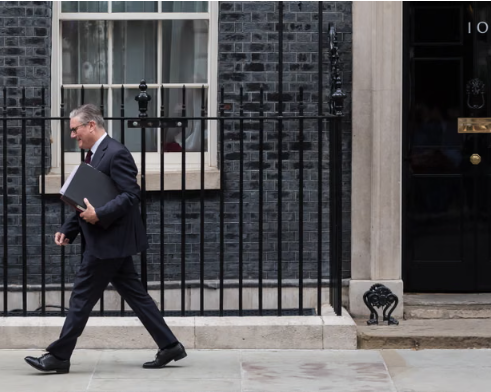
Sir Keir Starmer has indicated that he might issue a resignation honours list before he departs from Downing Street. This potential decision comes despite his explicit promise three years ago that he would forgo such honours when his own time in office concluded. The outgoing prime minister has twice refused to categorically rule out the creation of an awards list as he prepares to vacate his position in roughly ten days. His successor is almost certainly to be Andy Burnham, who has recently secured overwhelming support from his colleagues.
During his tenure as opposition leader in 2023, Starmer frequently targeted the conduct of his predecessor, Rishi Sunak. He was particularly vocal regarding Sunak’s decision to allow Boris Johnson to distribute numerous knighthoods and awards to various political allies. Starmer argued at the time that such actions were profoundly difficult to justify, especially given the turbulent circumstances surrounding Johnson’s departure from government. When reporters specifically asked if he would follow this precedent, Starmer was remarkably clear and direct in his initial response. He stated firmly that he would not produce a list because there were simply other ways to recognise people. He added that he believed it was far easier to be transparent and clear by simply saying he would not do it.
However, the political atmosphere shifted significantly during the recent Nato summit held in Ankara, where his tone seemed notably more measured. When pressed by journalists on whether he remained committed to his earlier pledge, Starmer adopted a more ambiguous stance. He told reporters that he would look at the matter in the usual course of things rather than offering a hard refusal. When the question was repeated to ensure clarity, he simply offered the exact same non-committal response, leaving the door open for a change of heart.
The process of awarding resignation honours is a long-standing tradition for outgoing prime ministers in the United Kingdom. While they have the power to nominate individuals for prestigious awards after leaving, the process is far from entirely discretionary. Each proposed list must undergo rigorous scrutiny and requires formal approval from both the successor in office and the House of Lords appointments commission. These safeguards are intended to ensure that the honours system maintains a level of integrity, though it has frequently faced intense public scrutiny.
Critics of the system often point to recent examples where these lists sparked significant controversy and public debate. Liz Truss, for instance, was granted a resignation honours list by Rishi Sunak despite serving as prime minister for only forty-nine days. Her brief and tumultuous period in office ended amid severe market instability, yet she was still entitled to name her own nominees for recognition. Similarly, Sunak himself faced widespread criticism for approving the resignation list submitted by Boris Johnson. That specific list featured more than forty names and appeared while a parliamentary inquiry was still actively investigating whether the former prime minister had intentionally misled the House of Commons.
Meanwhile, the transition of power within the Labour Party is proceeding with remarkable speed following the opening of nominations. Andy Burnham has effectively secured his path to the premiership, gathering support from an astonishing eighty percent of the parliamentary Labour party. He has collected some three hundred and twenty-two nominations, far exceeding the threshold required to ensure his victory. This tally leaves only eighty-one Labour MPs remaining who could theoretically support an alternative candidate, which is the absolute minimum required to force a formal ballot. However, established convention dictates that the outgoing leader does not nominate, meaning there is effectively no path left for any other contender to enter the race.
The list of high-profile figures who have already backed Burnham is substantial and reflects deep unity within the party. Notable supporters include senior politicians such as Rachel Reeves, David Lammy, Yvette Cooper, Ed Miliband, and Angela Rayner. Other prominent names throwing their weight behind him include Lucy Powell, Al Carns, Wes Streeting, and Louise Haigh. Only a few cabinet members, such as Shabana Mahmood and Steve Reed, have yet to officially nominate him, though they retain the opportunity to do so before the process concludes.
The nomination period officially commenced on Thursday morning, with a steady stream of MPs visiting the Labour offices in Westminster to add their signatures. Many of these representatives took to social media to broadcast their support, underscoring the sense of inevitability surrounding Burnham’s ascent. Shortly before midday, Burnham shared a short video announcing that he had officially nominated himself for the role. He accompanied this with a characteristically hopeful message, suggesting that he felt this would be his lucky third attempt at the leadership.
Reflecting on the impending transition, Starmer expressed genuine confidence in his successor’s ability to lead the country effectively from No 10. He noted that he has known Burnham for a considerable time and worked alongside him directly when he first entered parliament. Beyond the parliamentary support, a new leader must also demonstrate backing from local party branches and affiliated groups like trade unions. Burnham has already comfortably cleared these hurdles, having secured the official endorsement of both Unite and the Fire Brigades Union. As the nation watches this transition unfold, the focus remains on whether Starmer will ultimately choose to cement his own legacy with a final, potentially divisive, honours list.
Related News:
 UK Banks Granted Reprieve as BoE Delays Basel III Capital Rules Until 2028
 Singapore Corruption Scandal: Details Emerge on Iswaran’s Luxury Flight and Ties to Tycoon Ong Beng Seng
 Corfu Beyond the Crowds: Discovering Serenity in Southern Villages and Hidden Taverns
 Zelenskyy Signs Fighter Jet Deal Amid Russian Drone Attacks
 Sundar Pichai Cautions on AI Hype and Market Risks
 Shadow Fleet at Sea: Europe’s Battle Against Illicit Oil Shipping
 Snow and Ice Cause Travel Chaos in North Yorkshire
 Director Michael Caton-Jones Reflects on Career and Beginnings
 Inside the Helpline Protecting Missing Children in the UK
 PlayStation PS5 Deals Hit Lowest Prices Ahead of Black Friday
 US Suspends Afghan Immigration After White House Shooting
 Five-Year-Old Dies After Rare Tonsil Surgery Complication
 Starmer Says Labour’s Economic Plan Needs Years to Deliver
 ‘Extinct’ Antelope Returns to Sahara, Bringing Hope
 IndiGo Cancels Hundreds of Flights Amid Pilot Shortages
 Young Britons Face Heaviest Burden from Ageing Population, Lords Warn
 U‑Turn on Farmers’ Inheritance Tax Sparks Political Firestorm
 Aston Villa Remain Arsenal’s Key Obstacle in Title Pursuit
 Irish Beach Tragedy: Irish Drown at Whitehaven Beach in Australia
 Starmer Faces Parliamentary Battles Over UK-EU ‘Reset’ Plan
 Met Police Vetting Failures Let Serial Rapists Remain
 Federal Immigration Shift: Officers Leave Louisiana for Minneapolis
 Fatal Bolton Taxi Crash Claims Three Teens and Driver
 Australia grants Asio powers to designate hate groups under new laws
 Friedman Uninvited From 2024 Adelaide Writers’ Week
 ScottishPower Tops List of Worst UK Energy Suppliers
 Judi Dench Champions Fight to Save London’s Green Spaces
 Crowborough Camp Welcomes First Asylum Seekers
 BBC Funding Crisis: Tim Davie Warns of Jeopardy Ahead
 ABC Facebook Page Briefly Hacked, Adult Photos Posted
 Artificial intelligence will cost jobs, admits Liz Kendall
 Older Women Vanish from BBC Screens, Review Confirms Bias
 Meta trial over child exploitation claims begins
 Streeting moves on doctor pay to end strike dispute
 Ben Stokes injury joke after brutal ball strike
 UK and US Drop in Global Corruption Index Rankings
 Send spending gap leaves deprived areas behind
 Hidden Crisis: Domestic Abuse Suicide Toll in UK
 UK Unemployment Rate Climbs to 5.2% Peak
 Canberra Poster Seizure Sparks Free Speech Row
 BBC World Cup Presenting Duties Shared Among Trio
 Wales Approves Assisted Dying Bill Consent
 CPS Updates Guidance on Honour-Based and Dowry Abuse
 Stewart Brand on Musk, Bezos and a Life of Long Thinking
 English Cricket Faces Moral Crisis Over Indian Investment
 Wes Streeting faces narrow road to Labour members’ favour
 Keir Starmer Struggles to Secure His Grip on Downing Street
 Trump and Xi Convene in Beijing for Historic High-Stakes Summit
 Farage Faces Standards Probe Over Cash Property Purchase
 Closing the Gap: UK Pensions Commission Demands Action
 Reality TV Under Scrutiny Following Serious Allegations
 UK Eases Russian Oil Sanctions as Fuel Costs Soar
 Alice Capsey Sparks England Win With Brilliant Fifty
 Maldives Cave Diving Tragedy Raises Safety Alarm
 Russian Electronic Attack Targets UK Defence Chief Jet
 UK Shoppers Face Prolonged Price Rises At Tills
 Tube Strike Brings Capital to a Standstill Over Shift Disputes
 Makerfield Voters Demand Real Change as Election Looms
 Man City Threaten Legal Action Over Haaland Real Madrid Shirt
 Celestial Waltz: Venus and Jupiter Meet at Twilight
 Abbott Signals Bold Strategy Change For Australian Right
 Ryanair Faces Probe Over Mandatory Family Seating Fees
 Britain’s Crowning Butterfly Takes the Nation by Storm
 Fifa Official Under Investigation Over Hand Gesture Controversy
 US Trafficking Arrest Exposes Shocking Exploitation
 Trump Signs Landmark Iran Accord in Versailles
 Grief and Devotion Amidst the Rubble of Nabatieh
 Stirchley Community Housing Scheme Faces Crisis
 Watchdog Warns Ministers to Pause Impending HS2 Reset
 EU Slashes Steel Quotas But Grants UK Favourable Rates
 Trump Faces Backlash Over $2bn Earnings Since Return
 Starling Bank Trims Jobs for AI Future
 England Triumph in Azteca World Cup Thriller
 Breakthrough NHS Tests for Endometriosis Patients
 Welfare System Faces Radical Overhaul After Timms Review
 Burnham Pledges New Era of Open Debate for Labour MPs
 Ann Widdecombe, Formidable Political Figure, Dies at 78
 UK Schools Struggle as Classrooms Top 40C
 Yemen Accuses Iran of Violating National Sovereignty
 Houthis Strike Saudi Arabia as Middle East Tensions Rise