Published: July 10, 2026 | The English Chronicle Desk | The English Chronicle Online
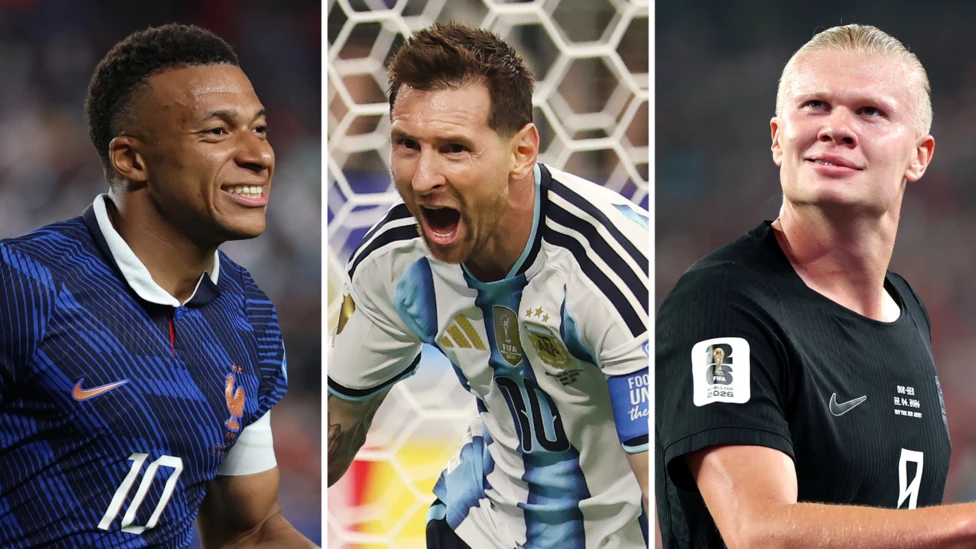
As the 2026 FIFA World Cup moves into its decisive knockout phase, another contest is unfolding alongside the battle for football’s biggest prize. While nations dream of lifting the famous trophy, the tournament’s finest forwards are locked in an equally captivating race for the Golden Boot, an individual honour that has historically crowned some of the greatest goalscorers the game has ever produced.
This year’s competition has produced one of the closest Golden Boot races in modern World Cup history. Several elite strikers remain separated by only a handful of goals, while the remaining knockout matches promise further opportunities for dramatic changes in the standings.
Unlike previous tournaments where one player established an early commanding lead, the 2026 edition has become a showcase of sustained excellence from multiple attacking stars representing different footballing philosophies, tactical systems and generations.
Every goal scored from this stage forward carries enormous significance.

Not only could it send a nation closer to World Cup glory, but it may also determine who finishes the tournament as its leading scorer.
Throughout football history, the Golden Boot has often become a defining chapter in legendary careers.
Names such as Just Fontaine, Gerd Müller, Paolo Rossi, Gary Lineker, Ronaldo Nazário, Miroslav Klose, James Rodríguez, Harry Kane and Kylian Mbappé have all etched themselves into World Cup folklore by finishing as the tournament’s top scorer.
Winning the award does more than recognise clinical finishing.
It often reflects consistency under immense pressure, decisive performances during knockout football and the ability to deliver when every opportunity matters.
This year’s contenders possess remarkably different strengths.
Some have built their campaigns through ruthless penalty-area finishing, converting crosses and close-range chances with extraordinary efficiency.
Others have combined spectacular long-range strikes with creative playmaking, influencing matches even when not finding the back of the net.
Modern football has also expanded expectations for centre-forwards.
Today’s elite attackers are judged not only by goals but also pressing intensity, movement, assists and tactical intelligence.
Nevertheless, when Golden Boot discussions begin, goals remain the decisive currency.
Every successful finish carries equal value regardless of distance, technique or occasion.
The knockout rounds often transform the race completely.
Group-stage fixtures generally provide greater scoring opportunities against varied opposition, while quarter-finals and semi-finals become increasingly tactical, limiting clear chances.
History repeatedly shows that one exceptional performance during a knockout match can completely alter the leaderboard.
A hat-trick or decisive brace may instantly elevate one contender above rivals who had appeared comfortably ahead only days earlier.
Managers therefore face delicate balancing acts.
Protecting key forwards from fatigue remains important, yet withdrawing prolific scorers too early risks limiting their chances of individual success.
Most elite coaches insist team objectives always outweigh personal milestones.
Players generally echo that sentiment publicly.
Privately, however, every world-class striker understands the prestige associated with finishing a World Cup as its leading scorer.
The psychological challenge becomes increasingly significant as the tournament progresses.
Opposing defenders now know precisely which attackers lead the scoring charts.
Extra attention, tighter marking and aggressive defensive strategies inevitably follow.
Great forwards distinguish themselves by continuing to score despite those adjustments.
Movement without possession becomes crucial.
Elite strikers constantly search for tiny defensive weaknesses, creating space through intelligent positioning rather than relying solely on physical superiority.
Those subtle qualities frequently separate Golden Boot winners from equally talented rivals.
The competition has also highlighted football’s tactical diversity.
Some leading scorers operate as traditional number nines, remaining close to the opposition penalty area throughout matches.
Others function more fluidly, drifting wide or dropping into midfield before arriving late inside dangerous positions.
Several attacking midfielders and wide forwards remain firmly within Golden Boot contention as well, reflecting football’s increasingly flexible tactical structures.
Set pieces have further influenced the race.
Penalty responsibilities naturally increase scoring opportunities, while free-kick specialists possess additional chances unavailable to conventional strikers.
However, many decisive goals have emerged through open play, showcasing creativity and technical brilliance under immense pressure.
Statistical analysis suggests conversion rates could ultimately determine the winner.
With opportunities becoming increasingly scarce against elite knockout opponents, clinical finishing outweighs volume of chances created.
One accurately placed finish may prove more valuable than numerous missed opportunities.
Supporters worldwide continue debating which forward deserves the honour.
Some prioritise total goals regardless of opposition quality.
Others argue performances during decisive knockout matches should carry greater weight than group-stage statistics.
There are also those who believe the Golden Boot should reward overall attacking contribution rather than pure finishing.
Official regulations, however, remain straightforward.
Goals scored determine the winner, with assists and playing time serving as tiebreakers if required.
That clarity ensures every attacking player understands exactly what is needed.
The award also carries broader significance beyond individual recognition.
A Golden Boot often enhances Ballon d’Or credentials, increases commercial value and further strengthens already impressive legacies.
For younger players, winning the tournament’s scoring title can mark the beginning of global superstardom.
For established stars, it represents confirmation of sustained excellence on football’s biggest stage.
Several current contenders already possess impressive club careers filled with domestic titles and continental success.
Adding a World Cup Golden Boot would elevate those achievements further, placing them alongside some of football’s most celebrated names.
Interestingly, history demonstrates that Golden Boot winners do not always lift the World Cup trophy.
Outstanding individual performances sometimes emerge from teams eliminated before the final.
Nevertheless, players representing nations still competing naturally possess greater opportunities to add goals as additional matches remain available.
That reality gives certain contenders a significant advantage entering the final rounds.
Fitness will also influence the outcome.
After weeks of intense competition in demanding conditions, fatigue inevitably affects sharpness, movement and decision-making.
Those capable of maintaining peak physical condition may gain crucial advantages during extra time and high-pressure knockout encounters.
Coaches, medical staff and sports scientists therefore play increasingly important roles behind the scenes.
Recovery sessions, nutrition, workload management and injury prevention have become essential components of maintaining attacking performance deep into tournaments.
Ultimately, however, the Golden Boot race remains beautifully simple.
It rewards football’s oldest currency: scoring goals.

Whether through spectacular volleys, composed finishes, towering headers or instinctive tap-ins, every strike brings one player closer to individual immortality.
With only a handful of matches remaining, the margin for error has disappeared.
One extraordinary performance could transform the standings.
One missed opportunity could prove decisive.
As the world’s greatest footballers continue chasing the World Cup trophy, another prize remains tantalisingly within reach.
When the final whistle blows on the tournament, only one player will stand alone as the 2026 FIFA World Cup’s leading scorer.
The race has rarely been tighter, the quality has rarely been higher, and the answer to who will ultimately claim the Golden Boot may not emerge until the very last kick of the championship.
Related News:
 Haaland Makes History as England Prepare for Biggest Test
 Rising World Cup Ticket Prices Spark Concern
 Rivalry That Changed Modern Football Forever
 Can Vinicius Win Over Brazil at Last?
 Fifa Faces Backlash Over Ticket Payment Demand
 Fans Bring Flags and Fire to World Cup Scenes
 11 EFL Stars Ready to Shine at World Cup
 Arsenal Trio Named on Player of the Year List
 Three Arsenal Stars Make Award Shortlist
 Fans Invited to Share Scotland World Cup Stories
 Iran Team Arrives in Mexico Amid US Visa Dispute
 Scotland Branded “Unprofessional” in World Cup Fallout as England Build Momentum
 Chinese Football Fans Embrace Referee as Unexpected World Cup Figure
 Referee Controversy Raises Questions Over FIFA’s Control of the World Cup
 Nike Charges Fans Most for World Cup Replica Shirts
 Saka Playing Through Pain As England World Cup Campaign Looms
 England Cruise Past Costa Rica as World Cup Warm-Up Sharpens Tuchel’s Vision
 Football Hopes to Outshine World Cup Drama in Mexico
 ‘We all love him’: Henderson backs Bellingham for England success
 Can France Escape the Ghosts of their 2002 World Cup Nightmare?
 Deschamps Shields Mbappé From Fierce Political Storm
 Messi Equals World Cup Record In Masterclass Victory
 Erling Haaland Double Fires Norway To Victory On Debut
 Iran Files Official Fifa Complaint Over World Cup Travel
 Historic Victory for Canada as They Defeat Nine-Man Qatar
 Heartbreak for Canada as Koné Suffers Horrific Injury
 Declan Rice Facing Burnout as Tuchel Confronts Midfield Crisis
 Rodrygo Reflects On World Cup Pressure And Social Media
 How ‘Little Scotland’ Is Embracing the World Cup Spirit
 Cape Verde Hold Uruguay in Dramatic World Cup Clash
 World Cup 2026: Reclaiming the American Dream
 The Forgotten Hosts Making World Cup History Behind the Scenes
 Great Stories, Little Jeopardy – Does the New World Cup Format Really Work?
 Martinelli Strikes Late as Brazil Edge Past Brave Japan
 Paraguay Shock Germany in Historic Penalty Shootout
 Morocco Beat Dutch in Wild World Cup Penalty Drama
 England Fans Praised for ‘Excellent’ Behaviour During World Cup Campaign
 France Dominate Sweden as Deschamps’ New Era Takes Shape
 Haaland Heroics Send Norway Into Historic Last 16 Knockout
 Kane Saves Tuchel as England Survive Dramatic Exit
 Ramos Sends Portugal into the Last 16
 Swiss Star Manzambi Shines in World Cup Victory
 Trump Helps Clear Balogun for Belgium World Cup Clash
 Norway’s Stunning World Cup Victory Over Brazil
 England Triumph in Azteca World Cup Thriller
 Trump’s Red-Card Intervention Hurts the US World Cup
 Trump Intervenes in Fifa World Cup Balogun Ban
 Police Probe Claim of Missing £1.5m in Yes Scotland Campaign
 Trump Helps Clear Balogun for Belgium World Cup Clash
 England’s 10 Men Hold Firm in World Cup Thriller
 USA World Cup Heartbreak: Belgium Ends Their Dream
 Spanish Late Winner Sends Ronaldo Into Final Sunset
 Belgium Thrashes USA After Red Card Controversy
 Balogun Drama Overshadows USA’s World Cup Exit
 Mexico’s World Cup Run Brings Joy After ICE Raids
 Messi’s Tears and Triumph in Epic World Cup Escape
 Switzerland Advance in Penalty Thriller
 Egyptian Fury After Argentina World Cup Heartbreak
 World Cup 2026 Power Rankings: England on the Rise
 Mbappé Brilliance Leads France Into Semi-Finals
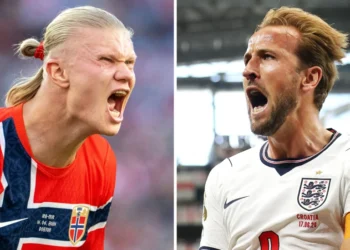 Kane vs Haaland: Which Striker Would You Choose?
 Haaland’s Two Worlds Meet on Football’s Biggest Stage
 Belgium Draws Global Support Before Spain Showdown
 Tottenham Takes On Newcastle
 Chaos at Ibrox as Martin’s Rangers Era Comes to an End
 Arsenal Showcase Depth and Flexibility as Arteta Eyes Title Challenge
 Tiny Curacao Makes History as Smallest Nation to Reach World Cup
 Hilary Knight speaks out on Trump’s recent hockey remarks
 India T20 World Cup Triumph Seals Historic Title Defence
 Iranian Captain Departs Australia Amid Asylum Tension
 Iran World Cup Move Talks Raise Global Concerns
 Beyond the Swoosh: Anta Sports Overtakes Rivals to Become Global Top Three
 “Three-Wheeled Triumph”: Mayor of Erewash Completes 2,000-Mile European Charity Run
 Premier League drama defines crucial weekend
 Miami Upgrades Shake Up F1 Title Fight
 Chasing Glory: The Quest for a New World Cup Champion
 Football Regulator Contacts West Ham Over “Serious Allegations” Linked to Sullivan
 Tuchel’s England Mission Goes Beyond Football Success
 Canada Secure Historic Last 16 Spot with Late Goal
 Former Olympian Indicted Over Alleged Vandalism at Washington’s Reflecting Pool