Published: 17 July 2026 | The English Chronicle Desk | The English Chronicle Online
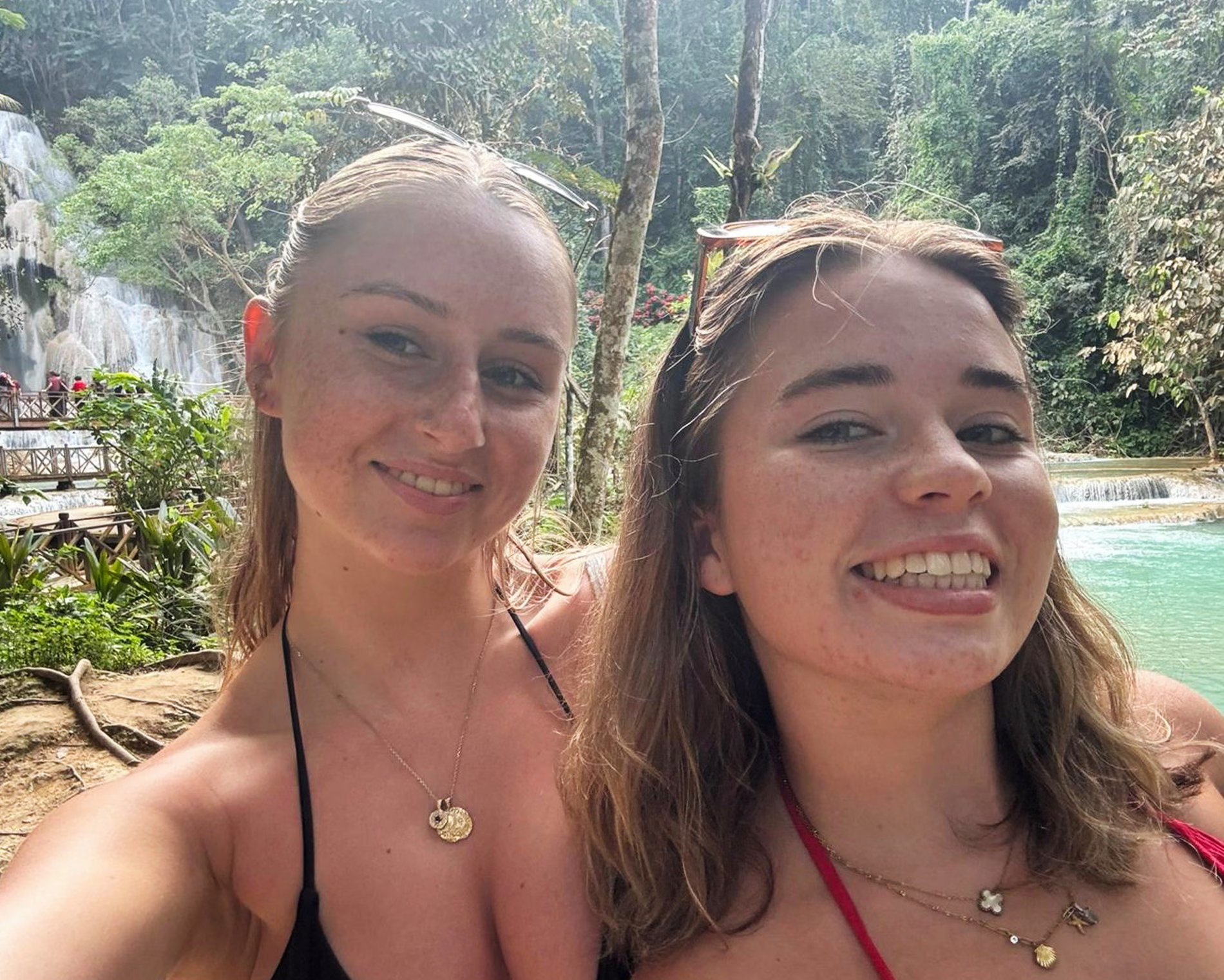
The family of two Australian teenagers who died from suspected methanol poisoning while travelling in Laos has expressed outrage over what they describe as “unacceptable” criminal charges brought in connection with the tragedy, saying they continue to seek justice and accountability for the devastating loss.
The case has attracted international attention, highlighting concerns about the dangers of contaminated alcohol in parts of Southeast Asia and raising questions about safety standards in the tourism industry.
As legal proceedings move forward, the victims’ relatives say they remain determined to ensure those responsible are held accountable.
The teenagers had travelled to Laos as part of a holiday when they became seriously ill after allegedly consuming alcoholic drinks believed to have been contaminated with methanol.

Despite receiving medical treatment, both later died, leaving their families and communities devastated.
The deaths prompted widespread concern among Australian authorities and international health experts, who warned travellers about the risks associated with counterfeit or illegally produced alcoholic beverages.
Methanol poisoning has been responsible for numerous fatalities around the world, particularly where unregulated alcohol enters the market.
Following the announcement of criminal charges related to the case, the victims’ family said they were deeply disappointed by what they considered an inadequate legal response.
In a public statement, relatives described the charges as “unacceptable” and argued they did not fully reflect the seriousness of the tragedy.
The family has called for a thorough investigation and stronger accountability measures, saying they want answers about how contaminated alcohol reached consumers.
They also urged authorities to ensure that similar incidents are prevented in the future.
Methanol is a toxic form of alcohol commonly used in industrial products such as fuel, antifreeze and solvents.
Unlike ethanol, which is the alcohol found in regulated alcoholic beverages, methanol is highly poisonous even in relatively small quantities.
When consumed, methanol is converted into toxic chemicals that can damage the nervous system and internal organs.
Symptoms may initially resemble ordinary alcohol intoxication but can rapidly progress to blurred vision, vomiting, seizures, organ failure and death.
Immediate medical treatment is essential because delayed diagnosis significantly reduces the chances of recovery.
Methanol poisoning incidents have occurred in many countries over the years.
They are often linked to counterfeit alcohol, illegal distillation or accidental contamination during production.
Public health experts warn that travellers can be particularly vulnerable when purchasing alcohol from unlicensed establishments or consuming homemade spirits.
Authorities regularly advise tourists to buy alcoholic beverages only from reputable businesses and to avoid drinks of uncertain origin.
The tragedy has renewed attention on safety standards within the tourism sector.
Countries that depend heavily on international visitors have increasingly focused on strengthening food and beverage safety regulations to maintain public confidence.
Tourism operators also face growing expectations to ensure that products served to guests meet proper health and safety standards.
Industry representatives have expressed sympathy for the victims’ families while emphasising the importance of strict quality controls.
Australian officials have continued to provide support to the affected families and have reiterated travel advice concerning alcohol safety overseas.
Government agencies regularly update travel guidance to alert citizens about health risks in different destinations.
Following several methanol poisoning incidents involving international tourists in recent years, Australian authorities have encouraged travellers to remain vigilant when purchasing alcoholic drinks abroad.
Human rights advocates and consumer safety experts say the case demonstrates the need for stronger regulation and enforcement against counterfeit alcohol.
Illegal production and distribution networks remain active in some regions, often driven by attempts to reduce manufacturing costs.
Experts argue that improved inspections, tougher penalties and greater public awareness could help reduce future incidents.
International cooperation is also considered important because counterfeit alcohol can cross national borders through illicit trade.
For the families of the teenagers, the legal process has become another painful chapter following an unimaginable personal loss.
Relatives have spoken about the lasting emotional impact of losing young family members during what was meant to be a memorable overseas trip.
They have said their campaign for accountability is motivated not only by the desire for justice but also by the hope that no other family experiences a similar tragedy.
Support from friends, community members and the wider public has provided comfort during an exceptionally difficult period.
The incident has prompted renewed efforts to educate travellers about the dangers of methanol poisoning.
Travel health specialists recommend purchasing alcohol only from licensed businesses, checking bottle seals and avoiding drinks with unusual taste, smell or appearance.

While such precautions cannot eliminate all risks, experts believe greater awareness can help reduce the likelihood of future poisonings.
As court proceedings continue, the families of the Australian teenagers remain focused on obtaining answers and ensuring meaningful accountability.
The case has become a powerful reminder of the dangers posed by counterfeit alcohol and the importance of effective regulation in protecting both local communities and international visitors.
For many, the tragedy underscores the need for stronger safety measures, improved enforcement and continued public education to prevent similar incidents from claiming more lives.
While no legal outcome can undo the loss suffered by the families, they hope their efforts will contribute to greater awareness and safer travel for others in the future.
Related News:
 Australian Doctor in Pioneering Cancer Trial Dies
 Costa Blanca Holiday Horror as Food Poisoning Outbreak Hits Four-Star Hotel
 CDC Plunged Into Turmoil as Ousted Chief Susan Monarez Refuses to Step Down
 First Group of Children from Gaza Arrive in UK for Life-Saving NHS Treatment
 Global Study Reveals Violence in GP Surgeries Linked to Long Waiting Times and Drug Refusals
 The diet that can significantly ease symptoms of IBS
 Sydney Shark Attack Surge Shocks Australia Beaches
 Coalition crisis deepens after Nationals frontbench resignations
 Andrew Hastie Emerges as Leadership Rival to Ley
 Townsville Hospital Probes Privacy Breach After Activist Posts Foetus Image
 Christchurch Shooter Seeks to Overturn Guilty Plea in Appeals Court
 Australia Police Defend Actions After Violence at Protest Over Israeli President Visit
 Facing a Demographic Catastrophe, Ukraine Is Paying for Troops to Freeze Their Sperm
 Australian PM Says Former Prince Andrew Has Suffered ‘Extraordinary Fall’ but That Won’t Prompt Republic Referendum
 Australian Prosecutors Consider Reopening British Girl’s Cold Case Disappearance
 Drugs, Denial, Stigma: Fiji’s HIV Crisis Hits Children
 Sydney kidnapping mystery deepens as grandfather’s remains found after mistaken abduction
 Security Threat Against Australian PM Linked to Banned Chinese Dance Group
 Australians Arrested Over Alleged Murder of Grandfather Mistakenly Kidnapped
 Security Threat Linked to Chinese Dance Group Triggers Bomb Scare for Australian PM
 ‘I Wanted to Save Her Life’ — The Moment Twin Sisters Learned They Were Identical
 Tick Bite Tragedy Claims Teen in Meat Allergy Case
 Not in the Mood to Exercise? These Simple Daily Habits Work Every Time
 Tehran Diary: Dark Days Under Relentless Bombardment
 Horror in the Outback as Crocodile Kills World-Renowned Doctor
 ‘I’m So Ready’: Céline Dion Announces 10-Night Paris Comeback Residency
 ‘The Invisible Killer’: Chiang Mai Air Pollution Sparks Health Crisis as Children Suffer Nosebleeds
 ‘The Invisible Killer’: Chiang Mai Air Quality Crisis Sparks Pediatric Health Emergency
 “An Amazing Legacy”: Prince William Praises Incredible £20m Milestone for Bowelbabe Fund
 “He Was One of the Kindest People I Knew”: The Tragic Death of Oliver Robinson
 Bangladesh Launches Emergency Vaccine Drive After 100 Child Deaths
 The Great Saddle-Up: Sydney Commuters Ditch the ‘Crazy’ Bowsers for the Bike Lane
 Reckoning in Sydney: Ben Roberts-Smith Arrested and Charged with Five War Crime Murders
 ‘The Nanny of Bondi’: Accused Pinochet Agent Adriana Rivas to be Extradited to Chile
 ‘It Was an Accident’: Rohan Dennis Breaks Silence to Attack ‘False Narrative’ Over Wife’s Death
 The Fallen Icon: Ben Roberts-Smith Charged with Five War-Crime Murders
 “I was fighting two wars”: Ukraine soldiers’ addiction crisis
 Fragile Silence Broken: 14 Killed in Southern Lebanon During “Bloodiest Day” of Truce
 Giuliani hospitalised in critical condition
 “The Floating Fever”: WHO Confirms Second Hantavirus Case as Cruise Outbreak Death Toll Reaches Three
 US Court Restores Abortion Pill Access Temporarily
 The Quarantine Crossing”: Hantavirus-Hit MV Hondius Bound for Canary Islands After Deadly Outbreak
 “The Reggio Return”: Princess Catherine to Embark on First Official Overseas Visit Since Cancer Treatment
 “The Heavyweight Hero”: FTD Brothers Smash £1 Million Milestone Mid-Marathon Odyssey
 “The Friendly Neighbourhood Runner”: Father’s 50-Marathon ‘Spider-Man’ Quest Hits Milestone for Sick Children
 “The Pressure Valve”: New GP Walk-In Clinic Eases Local ‘Resilience Deficit’ with 183 Patients Treated
 “A Systemic Fracture”: Child Protection Staff Suspended Following Alleged Murder of Australian Schoolgirl
 “The Exile of Care”: Vulnerable Teens Sent 200 Miles from Home as Local ‘Resilience Deficit’ Persists
 “The Pint-Glass Paradox”: How Beer Fuelled a ‘Clinical’ Debate on Australia’s Gas Tax and Energy Giants
 “The Ghost Galleon”: Hantavirus-Hit Cruise Ship Bound for Tenerife After High-Stakes Evacuations
 “The Swap Shop”: Dr Chris van Tulleken Backs Southampton Teens’ Fight Against ‘The Matrix’ of Ultra-Processed Food
 Hantavirus Cruise: Britons Face 45-Day Isolation Order
 “The Bio-Marker Breakthrough”: At-Home Blood Test Could Spot Alzheimer’s Risk Years Before ‘Clinical’ Symptoms
 “The Bio-Security Watch”: Two Britons in Self-Isolation After Bypassing ‘Hantavirus Bottleneck’ on MV Hondius
 “The Porthole Prison”: Passengers Reveal Life Inside the ‘Clinical Silence’ of the Hantavirus-Stranded MV Hondius
 The Pathogen Protocol”: Third British National Monitored for ‘Nasty’ Suspected Hantavirus
 Bad Weather Threatens Hantavirus Cruise Ship Evacuation
 Search Intensifies for Missing Hiker on WA Bibbulmun Track
 One Nation Stuns Australia With Historic Farrer Win
 Crisis in the Canary Islands as Cruise Ship Evacuated
 WHO Declares Ebola Outbreak a Global Emergency
 “The Invisible Shadow”: Fear Grips Eastern DR Congo as Deadly Bundibugyo Ebola Strain Spreads
 “The Invisible Surge”: WHO Warns Ebola Outbreak in DR Congo Spreading Faster Than Anticipated
 “The Final Dose”: Urgent Call for Second Meningitis B Vaccinations Following Regional Outbreaks
 “The Critical Intervention”: Essential Steps for Identifying and Treating Heat-Related Emergencies
 “The Climate Multiplier”: Assessing the Dual Threat of Disease-Bearing Mosquitoes and Heat-Related Mortality
 Deadly Ebola Outbreak Surges as Western Aid Vanishes
 Pope Meets Families in Italy Toxic Waste Zone
 Man killed in shark attack on Great Barrier Reef
 Israeli Strikes Kill 11 in Gaza City
 Everest Climber Recalls Guide’s Six-Day Survival
 Fuel and Supply Crisis Pushes Gaza Toward Collapse
 Global Chicken Consumption Soars, UN Reports
 Deadly Earthquake Hits Philippines
 Alleged Bondi Beach Gunman Faces 19 Additional Charges
 Family of British Toddler Voices Frustration as Australian Cold Case Murder Inquiry Opens
 Girl Survives 32 Hours Under Rubble After Venezuela Quake
 US Investigates ‘Explosive Diarrhoea’ Parasite Outbreak
 Mystery Grows Over Mitch McConnell’s Health
 US Military to Introduce Testosterone Deficiency Screening Under New Health Initiative