Published: 20 July 2026 | The English Chronicle Desk | The English Chronicle Online
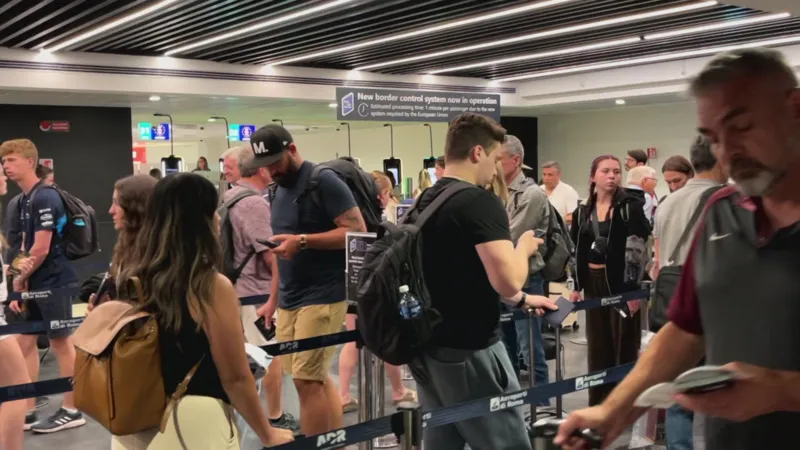
A major new European Union border control system could significantly increase waiting times for travellers, with one airport chief warning that passport checks may take up to three times longer than they do under current procedures.
The warning comes ahead of the wider rollout of the EU’s Entry/Exit System (EES), a digital border management programme designed to strengthen security by electronically recording the movements of non-EU travellers entering and leaving the Schengen area.
While officials say the new technology will improve border security and reduce identity fraud over the long term, airports and travel operators fear its introduction could lead to lengthy queues, operational challenges and disruption during busy holiday periods.
The Entry/Exit System is a new digital border management platform that will replace the traditional practice of manually stamping passports for many travellers entering or leaving the Schengen Area.
Instead of passport stamps, the system will electronically record information including travellers’ names, passport details, dates of entry and exit, and biometric data such as fingerprints and facial images.

The European Union says the new system is intended to modernise border management, improve the detection of overstays and strengthen efforts to combat identity fraud and cross-border crime.
The database will apply primarily to visitors from countries outside the European Union travelling for short stays.
Airport operators have raised concerns that the additional biometric checks required during a traveller’s first registration could substantially increase processing times.
One airport executive has warned that passport control procedures may take up to three times longer than current inspections, particularly during the early stages of implementation.
Industry representatives fear that longer processing times could create congestion inside airport terminals, especially during peak travel seasons when passenger numbers are at their highest.
They argue that additional staffing and infrastructure may be necessary to prevent significant delays.
The biggest impact is expected to fall on travellers using the new system for the first time.
During their initial registration, passengers will be required to provide biometric information alongside their travel documents.
Subsequent journeys are expected to be faster because much of the required information will already be stored within the system.
However, transport experts caution that the first months following implementation could prove particularly challenging as millions of travellers complete the registration process.
Airports across Europe have been preparing for the introduction of the Entry/Exit System by installing new equipment and training border personnel.
Many terminals are introducing automated kiosks and biometric scanning technology designed to speed up passenger processing.
Airlines are also advising passengers to allow extra time when travelling internationally after the system becomes operational.
Some carriers have updated their travel guidance to encourage passengers to arrive earlier than usual, particularly for flights departing during busy periods.
European Union officials maintain that the Entry/Exit System represents a major improvement in border security.
By replacing manual passport stamps with electronic records, authorities expect to improve the accuracy of border data while making it easier to identify individuals who overstay visa-free travel limits.
Officials also argue that biometric verification will reduce opportunities for document fraud and strengthen external border controls.
They acknowledge that there may be temporary operational challenges but believe the long-term benefits will outweigh initial disruption.
Travel organisations have expressed concern that longer border procedures could affect tourism.
Holidaymakers unfamiliar with the new requirements may experience confusion during the early stages of implementation.
Industry groups have urged governments and airport authorities to provide clear public information explaining how the new system works.
They also recommend increasing staffing levels during the transition period to minimise delays.
Tourism businesses hope that any disruption will be temporary as travellers become more familiar with the process.
British citizens travelling to many European destinations are expected to be among those using the Entry/Exit System following the UK’s departure from the European Union.
Travel experts advise UK passengers to check entry requirements before departure and allow additional time for border formalities.
The new system will operate separately from the forthcoming European Travel Information and Authorisation System (ETIAS), which will introduce a separate pre-travel authorisation requirement for eligible visitors.
Together, the two programmes represent the most significant changes to European border controls in many years.
Despite concerns about initial delays, many border management specialists believe digital systems will eventually improve efficiency.
Once passenger information has been registered, automated processing could reduce reliance on manual document inspections.
Digital border management is already used successfully in several countries around the world, where biometric technology has helped improve both security and passenger flow.
Experts believe the key challenge will be managing the transition rather than the technology itself.
Travel organisations are encouraging passengers to prepare carefully before travelling.
Checking passport validity, understanding entry requirements and arriving at airports earlier than normal may help reduce stress during the rollout period.
Airlines are also expected to issue updated guidance as implementation dates approach.
Authorities hope that increased public awareness will reduce confusion and allow border officials to process passengers more efficiently.
The European Union’s Entry/Exit System represents one of the most significant changes to border management in recent years.
While officials believe the digital platform will strengthen security and modernise immigration controls, airport operators remain concerned about the potential for longer queues and operational disruption during its introduction.
As airports, airlines and border agencies continue preparations, travellers are being encouraged to familiarise themselves with the new procedures and allow extra time for international journeys.
If successfully implemented, the system could eventually provide faster, more secure border crossings—but the transition period is likely to test airports and passengers alike.
Related News:
 The Quarantine Crossing”: Hantavirus-Hit MV Hondius Bound for Canary Islands After Deadly Outbreak
 “The Ghost Galleon”: Hantavirus-Hit Cruise Ship Bound for Tenerife After High-Stakes Evacuations
 Bad Weather Threatens Hantavirus Cruise Ship Evacuation
 Spain Tourism Surges as Travellers Avoid Middle East
 Spain Sees Tourism Boom as Travellers Shift Away From Middle East
 England and Norway Fans Turn Miami Into World Cup Carnival
 EU weighs response amid Greenland tariff crisis with Trump
 EU Says US Ties Have Suffered ‘Big Blow’ After Greenland Crisis
 Thousands Left Without Heating in Ukraine Amid Russia Strikes
 Canada Dispatches Senior Officials to Open Greenland Consulate
 Portugal Election Delivers Socialist Win as Far Right Surges
 Two Britons Among Three Dead in French Alps Avalanche
 Macron Rebuked in Franco-German Defence Row
 Facing a Demographic Catastrophe, Ukraine Is Paying for Troops to Freeze Their Sperm
 Jet2 Hands Passengers Life Ban After Mid‑Air Brawl
 Dual Nationals Face Scramble for UK Passports as New Rules Come Into Force
 New Russia Sanctions on Hold as Hungary Blocks EU Package Ahead of Fourth Ukraine War Anniversary
 Major 7.1 Earthquake Strikes Off Malaysian Tourist Coast
 Brit Killed in Horror Bus Crash as 18 Others Die and 25 Injured
Storm Hernando: Edinburgh Airport Flights Cancelled in US Travel Chaos
Brit Killed in Horror Bus Crash as 18 Others Die and 25 Injured
Storm Hernando: Edinburgh Airport Flights Cancelled in US Travel Chaos
 More Than 5,000 Flights Cancelled as US East Coast Digs Out of Record Snow
 Rob Jetten becomes Netherlands’ youngest ever prime minister
 Ukraine remembers its dead as war enters a fifth year
 UK’s New Travel System: What It Is and How Dual Nationals Are Impacted
 Louvre Museum Director Resigns Months After High‑Profile Heist
 Orbán Accuses Ukraine of Disrupting Oil Supplies to Hungary
 Spain Declassifies Files on 1981 Attempted Coup in Effort to Dispel Conspiracy Theories
 Hungary Faces Political Tension Over the Ukraine Crisis
 Islanders Advised on Travel to Middle East Amid Escalation
 Australian GP Confident Amid Travel Disruption
 Limited Flights Leave UAE But Disruption Continues Amid Iran Strikes
 U.S. Tells Citizens to Leave Israel Now as Regional Conflict Escalates
 Russia Blames Ukrainian Naval Drones as Tanker Sinks
 Macron Finds ‘Freedom Fries’ Redemption in Iran Crisis
 Finland Plans to Lift Decades‑Old Ban on Hosting Nuclear Weapons
 My One-Hour Flight Transfer Left Me Facing 10 Days Stuck in a City Under Attack
 Istanbul Mayor Faces Corruption Trial Amid Political Storm
 Air India Express Plane Damaged in Chaotic Landing at Phuket Airport
 Ukraine War Becomes Flashpoint in Hungarian Election
 I’ve Lived in a French Village for 35 Years. This is Why They are So Special.
 Paradise Aground: Cruise Ship Evacuated After Striking Reef Near ‘Cast Away’ Island
 The Spiky Standoff: German Mayors Call for Night-Time ‘Robot Ban’ to Save Hedgehogs
 ‘The Soul of Spain’: Politicians Clash Over Renewed Push to Move Picasso’s Guernica
 The ‘Svuota Londra’ Effect: Why the Super-Rich are Swapping Dubai for Milan
 The Outback Squeeze: ‘Out of Control’ Diesel Prices Threaten Australia’s Freight Arteries
 Grounded: Lufthansa Slashes 20,000 Summer Flights as Fuel Crisis Bites
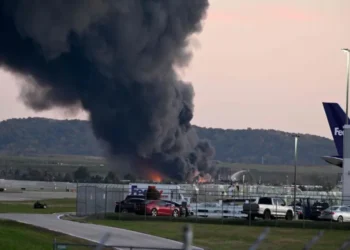 Two Dead in Adelaide Airport Plane Crash Fire
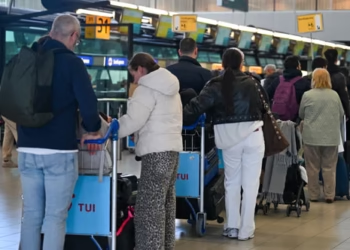 Border Chaos: UK Travellers Face Massive EU Delays
 Ukraine strikes Tuapse as oil disaster worsens
 Global order shifts amid Trump-era turmoil
 “Speechless and Determined”: Two Dead, 22 Injured in Leipzig “Vehicular Rampage”
 “The Floating Fever”: WHO Confirms Second Hantavirus Case as Cruise Outbreak Death Toll Reaches Three
 “The Sky Gaps”: ‘Turbulent’ Geopolitics and Storm Damage Force Temporary Flight Halts
 “Not a New Pandemic”: UN Health Agency Calms Global Fears Over ‘Nasty’ Hantavirus Cruise Outbreak
 France Faces Record Presidential Crowded Race Amid Far-Right Surge
 Norway Doubles Down on Oil and Gas for Europe Energy Security
 “The End of the Towel War?”: How Hotels are ‘Clinically’ Stopping the Sunbed Dash
 Ex-Chief of Staff Named in Major Ukraine Corruption Probe
 Australia Welcomes the Iconic Michelin Guide
 France Quarantines Cruise Ship After Suspected Virus Death
 Pope Meets Families in Italy Toxic Waste Zone
 Man killed in shark attack on Great Barrier Reef
 Former ICC prosecutor condemns US sanctions
 Deadly Russian Air Raids Strike Across Ukraine
 Zelensky Invites Putin to Direct Peace Talks
 Republicans Defy Trump on Ukraine Aid Bill
 Everest Climber Recalls Guide’s Six-Day Survival
 Papal Visit Offers Political Lifeline to Spanish Premier
 European Allies Set Peace Terms for Ukraine
 Families Grieve Beyond Air India Crash Victims
 Iran Team Arrives in Mexico Amid US Visa Dispute
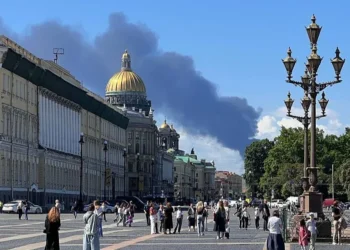 Drone Attacks Overshadow Russia Economic Forum
 Armenia Votes Under Pressure From Russia

 Everest Guide’s Miraculous Survival Sparks Questions Over Mountaineering Safety Standards
 Pope Leo Visits Canary Islands to Draw Attention to Migrant Crisis
 Russian Artist and Kremlin Critic Shot Dead in Poland
 Le Pen Appeal Verdict Could Reshape France’s Political Future
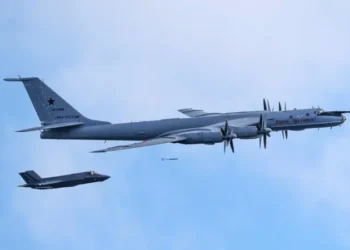 UK Fighter Jets Intercept Russian Aircraft Over Norwegian Sea
 Le Pen to Run for President Despite Embezzlement Conviction