
Published: 15 July 2026 | The English Chronicle Desk | The English Chronicle Online
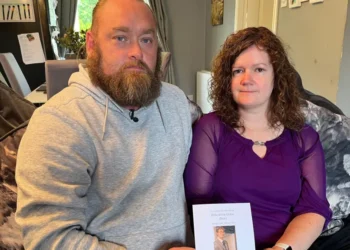
The parents of a university student who died after contracting meningococcal B (MenB) disease have welcomed new recommendations calling for wider use of the MenB vaccine among teenagers, saying they hope other families will never have to experience the same heartbreak.
Their comments come after health experts advised that adolescents from the age of 15 should be offered free MenB vaccinations, arguing that expanding the programme could prevent serious illness and save lives.
The recommendation has renewed discussion about meningococcal disease, vaccination policies and the importance of protecting young people as they enter later adolescence and higher education.
The student’s parents said the loss of their child had transformed their understanding of meningococcal disease, describing how the infection progressed rapidly despite efforts to seek medical help.

They said no parent expects a healthy teenager to become critically ill within such a short period and expressed hope that wider vaccination could spare other families from similar grief.
Speaking in support of the updated advice, they urged policymakers to act quickly, stressing that prevention is far better than dealing with the devastating consequences of the disease.
Their campaign has become part of a broader effort to improve awareness of meningitis and meningococcal infections.
Meningococcal B, commonly known as MenB, is a strain of bacteria that can cause meningitis and septicaemia.
Although relatively uncommon, the disease can develop rapidly and become life-threatening within hours.
Symptoms often begin with fever, headache, vomiting and muscle pain before progressing to more severe illness.
Early diagnosis and urgent medical treatment are essential, but even with prompt care, the infection can sometimes prove fatal or leave survivors with long-term complications.
Health experts have recommended expanding access to the MenB vaccine to include teenagers aged 15 and above.
The proposal reflects growing evidence that adolescents remain vulnerable to meningococcal disease, particularly as they begin attending colleges, universities and other settings where close contact increases the risk of bacterial transmission.
Experts argue that broader vaccination could significantly reduce the number of severe infections among young people.
The recommendations will now be considered by health authorities before any changes to national immunisation programmes are introduced.
Although meningococcal disease can affect people of all ages, teenagers and young adults face particular risks.
Living in shared accommodation, attending educational institutions and participating in social activities can increase opportunities for bacteria to spread.
University students have historically been identified as one of the groups most likely to benefit from vaccination programmes.
Medical specialists say extending vaccine coverage could strengthen protection during this important stage of life.
Vaccination remains one of the most effective methods of preventing meningococcal disease.
The MenB vaccine stimulates the body’s immune system to recognise and fight the bacteria responsible for the infection.
While no vaccine offers complete protection, health experts say immunisation substantially reduces the likelihood of developing severe illness.
Widespread vaccination also contributes to protecting communities by reducing overall transmission.
Medical professionals continue to emphasise the importance of recognising meningococcal disease symptoms early.
Because the illness can initially resemble flu or other common viral infections, delays in seeking treatment may occur.
Parents, teachers and young adults are encouraged to become familiar with warning signs, including high fever, severe headache, neck stiffness, sensitivity to light, confusion and the appearance of a distinctive rash.
Prompt medical attention can significantly improve outcomes.
Health charities and meningitis awareness organisations have welcomed the recommendation for wider vaccination.
Campaigners say expanding eligibility could help prevent avoidable deaths while increasing public awareness about the disease.
Many organisations have spent years encouraging greater access to vaccines and improved education about meningococcal infections.
They argue that investment in prevention represents both a public health and economic benefit.
While experts have issued their recommendations, any expansion of vaccination programmes will require approval from health authorities and government ministers.
Officials will consider scientific evidence, public health benefits and financial implications before making a final decision.

If approved, the changes could lead to thousands more teenagers becoming eligible for free MenB vaccination in the coming years.
For the student’s parents, the expert recommendation represents an important step toward preventing similar tragedies.
They believe wider vaccination could save lives while ensuring more families are protected from an illness that can strike without warning.
Their message remains simple but powerful: no family should have to experience the pain of losing a child to a preventable disease.
The recommendation to expand free MenB vaccination for teenagers has renewed attention on one of the most serious bacterial infections affecting young people.
Supported by families who have experienced devastating loss, health experts believe broader immunisation could significantly reduce the impact of meningococcal disease.
As health authorities consider the proposal, campaigners hope swift action will ensure future generations receive greater protection against an illness that continues to claim lives despite advances in modern medicine.
Related News:
 Concerns Mount Over Accuracy of At-Home Health Tests as Study Calls for Stricter Regulation
 The Ketamine Crisis in the UK is a Silent Epidemic Leaving Users with Lifelong Pain
 Cats Develop Dementia Similarly to Humans, Study Finds
 Alarming rise in abusive teen relationships in the UK sparks urgent warnings
 Why E-Bikes and E-Scooters Are Making Streets a ‘Nightmare’ for Blind People
 Millions in the UK at Higher Risk of Heart Failure and Stroke Due to Air Pollution, Study Warns
 UK Graduates in Healthcare Report Highest Satisfaction with Degree Choices
 Systemic Racism in Maternity Care Continues to Endanger Black Women in England, MPs Warn
 One in Three GPs in England Do Not Work in NHS, Raising Concerns Over Access to Care
 UK Doctors Guilty of Sexual Misconduct Continue Practising Amid Weak Sanctions, Research Finds
 Starmer Unveils Plan for NHS “Online Hospital” to Tackle Waiting Lists
 Questions Remain as Rugby Legend Lewis Moody Faces Motor Neurone Disease Diagnosis
 Women Challenge Meta Over Targeted Ads After Miscarriage
 £18 Prostate Cancer Test Could Save Thousands of Lives
 One in 12 Secondary Pupils Sent to Isolation Weekly
 M&S and Morrisons Lead Christmas Supermarket Taste Test
New Prostate Cancer Drug Set to Halve Death Risk in England
M&S and Morrisons Lead Christmas Supermarket Taste Test
New Prostate Cancer Drug Set to Halve Death Risk in England
 UK Health Leaders Push for Urgent Tobacco & Vape Bill
 Hospice Cuts Raise Alarm Across England Amid Funding Crisis
 Celebrities and Charities Demand UK Government Act on Child Poverty
 Patients to Test Health at Home to Ease NHS Winter Pressure
 Shouting Works Best to Deter Gulls, UK Study Finds
 Reeves rejects £1bn plea for NHS redundancy payouts
 Stroke Patient Mistaken for Drunk, Care Delayed
 ‘Traumatic Wait’: Northern Ireland Women Face Breast Cancer Delays
 Coffins Now Too Large to Cremate Amid Rising Obesity Crisis
 Five-Year-Old Dies After Rare Tonsil Surgery Complication
 Fibromyalgia Patients Struggle as NHS Fails to Provide Care
 More Patients Now Contacting GPs Online, Data Shows
 Children to Receive Home Vaccines as England Acts
 Local Fish Could Boost UK Health and Economy Significantly
 NHS Violence Crisis: Staff Face Daily Assaults
 Celebrity Campaign Highlights SMA Screening Failures
 UK Glaucoma Rise Signals Looming Eye Health Crisis by 2060
 Reform UK Health Plan ‘Would Cost £1.7bn’, Streeting Says
 Pneumonia Surge Pushes England Emergency Cases Higher
 UK MPs Demand Ban on Brazilian Butt Lifts
 NHS Urges Nine Million People to Get Therapy
 Half of Britons Avoid GP When Ill, Survey Reveals Growing Concern
 Drop in Overseas Workers Sparks ‘Car Crash’ for UK Hospitals
 ‘I Almost Died After a Touch‑and‑Go C‑Section’
 50,000 People Waited Over 24 Hours in A&E Corridor Care
 New Infection Risk Alert at Glasgow’s Flagship Hospital
 Woman, 29, ‘Chucked’ Into Care Home 100 Miles Away
 Father Dies by Suicide Weeks After Wedding in Clitheroe
 ‘We can’t go back’: mother of six-year-old cancer survivor fears UK visa changes
 Palantir NHS Contract Sparks Fears Over Data Power
 UK Patients Face Long Journeys as Pharmacies Cut Hours
 Charity Watchdog Takes Control of Learning Disability Care Home
 The High Cost of Survival: How the 2026 Fiscal Outlook is Redefining British Life
 Safety Fears at New £200m Maternity Unit: Mums-to-Be ‘Put at Risk’
 Fuel Famine: How African Nations are Rationing Power and ‘Diluting’ Petrol to Survive
 ‘Zoom Dysmorphia’ Explosion: BDD Patients Quadruple in Post-Pandemic UK
 NHS Staff Shortages Stifling Recovery for Stroke Survivors
 ‘It’s Heartbreaking’: NHS Training Freeze Leaves Resident Doctors in Limbo
 Wes Streeting Accuses Doctors of Torpedoing Pay Deal
 ‘The Best Decision I Ever Made’: A Mother’s Viral Plea After a Near-Miss with Lung Disease
 The Miracle of Phoenix: ‘Half Dead’ Rescue Dog Defies the Odds in Worcestershire
 The Hidden Hurdle: Breaking the Silence on Athletic Incontinence
 Southern Skies: High Turnout and Surprise Visitors in Birdwatch 2026
 GSK cancer drug shows early promise in trials
 Toxic Trail: Dog Owners Warned Over ‘Vile’ Poisoned Meat Found in Parks
 The Waiting Ward: ‘Month of Worry’ as Doctor Strikes Trigger Seismic Surgery Delays
 Policy Stand-Off: Streeting Denies Any ‘System Update’ to Resident Doctor Pay Deal
 The “Cancer Commute”: Patient Warns of Breaking Point Over 40-Mile Treatment Trek
 New Scan Offers Hope for Faster Endometriosis Diagnosis
 “Invisible Agony”: 98-Year-Old Woman Left in “Severe Pain” for Days Amidst Care Backlog
 The “Time Tax” of Memory: Why Dementia Care is the Ultimate Test of UK Resilience
 “A Medicine Desert”: Why the Battle for Basic Prescriptions is About to Intensify
 The Pathogen Protocol”: Third British National Monitored for ‘Nasty’ Suspected Hantavirus
 NHS Drug Deal Faces Legal Threat Over US Trade Agreement
 Record Spending Highlights Growing Crisis In National Health Service
 NHS Approves Landmark Ovarian Cancer Drug
 Family Says Heatwave Drownings Reopen Grief
 Nursing Workforce Crisis Leaves Disabled Patients at Risk
 The Hidden Revival of a Fatal Infection on British Soil
 NHS Urges Investigation For Irregular Periods
 Stricter Rules Proposed to Shield Children from Vaping
 London Tube Heat Reaches Dangerous Levels
 UK Heatwaves May Have Claimed Thousands of Lives