Published: 30 July 2026 | The English Chronicle Desk | The English Chronicle Online
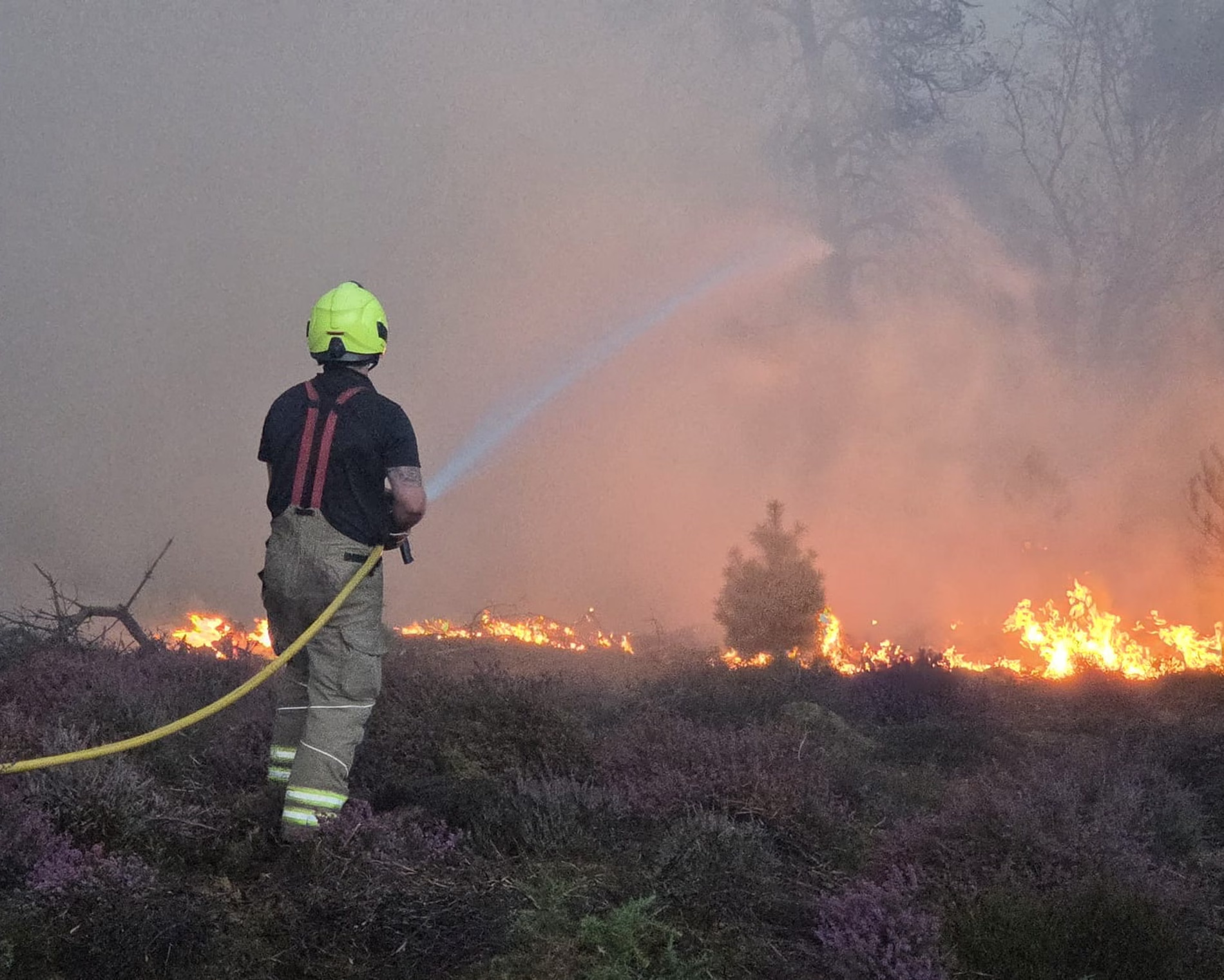
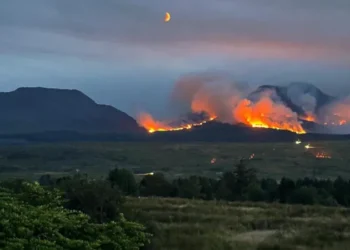
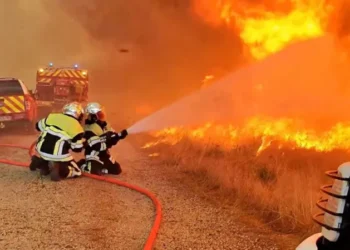
A major incident has been declared in Suffolk after around 90 firefighters were deployed to tackle a fast-moving wildfire that spread across large areas of heathland.
Emergency services were called to the blaze as dry conditions and strong winds created challenging firefighting conditions. Crews have been working for hours to contain the flames, protect nearby communities and prevent the fire from spreading further across vulnerable countryside.
The incident highlights growing concerns about wildfire risks during periods of extreme heat and dry weather, with fire services across the UK warning that prolonged hot conditions can rapidly increase the danger of large-scale outdoor fires.
Suffolk Fire and Rescue Service declared a major incident as the scale of the wildfire became clear and additional resources were brought in to support firefighting operations.
Approximately 90 firefighters have been involved in efforts to control the blaze, using specialist equipment and vehicles designed for dealing with difficult terrain.

Heathland fires can be particularly challenging because they often spread quickly through dry vegetation, including grass, bushes and peat-rich ground.
Fire crews have been working across uneven landscapes where access can be difficult, requiring careful planning and coordination.
Additional support has been provided by emergency partners, including police and local authorities, as officials manage the wider impact of the incident.
Firefighters have faced demanding conditions due to hot temperatures, dry vegetation and changing wind patterns.
Wildfires can behave unpredictably, with flames sometimes changing direction rapidly as wind conditions shift.
Crews must balance aggressive firefighting with safety precautions, particularly when operating near areas where the ground may remain unstable or where hidden fires can continue burning beneath the surface.
Incident commanders have stressed that public safety remains the highest priority while firefighters work to bring the situation under control.
Fire services have also warned that even after visible flames are extinguished, hotspots may continue to pose a risk for several days.
Suffolk’s heathlands are valuable natural environments that support a wide range of wildlife and plant species.
However, these landscapes can become highly vulnerable during periods of prolonged dry weather.
Heathland vegetation often provides fuel that allows fires to spread quickly, particularly when humidity levels are low.
Environmental experts say wildfires can have long-lasting effects on ecosystems, damaging habitats and affecting species that depend on fragile landscapes.
Recovery after a major fire can take years, depending on the severity of the damage.
Residents living near the affected area have been advised to remain alert as emergency services continue operations.
Authorities have urged people to avoid the area to allow firefighting teams and emergency vehicles to operate safely.
Road closures and access restrictions may be introduced while crews work to control the fire and assess risks.
Local communities have expressed concern about smoke, air quality and the potential for flames to spread closer to homes.
Emergency services have advised residents with respiratory conditions to take precautions if smoke levels increase.
The wildfire comes during a period of unusually hot and dry weather across parts of the UK.
Fire authorities have repeatedly warned that heatwaves create ideal conditions for wildfires, particularly in areas with dry grass, woodland and heathland.
During hot weather, vegetation loses moisture and becomes easier to ignite.
A small fire caused accidentally or deliberately can quickly develop into a major incident if conditions are favourable.
Fire services have encouraged the public to take extra care outdoors by avoiding activities that could create sparks or flames.
Authorities have reminded the public that simple actions can help prevent wildfires.
People are being advised to:
- Avoid leaving cigarettes or smoking materials outdoors.
- Dispose of rubbish responsibly.
- Avoid using disposable barbecues in countryside areas.
- Take care with campfires and outdoor cooking equipment.
- Report any signs of fire immediately.
Fire officials say many wildfires are preventable and often caused by human activity rather than natural events.
During periods of high fire risk, even small mistakes can have serious consequences.
Scientists say climate change is contributing to conditions that increase wildfire risks around the world.
Rising temperatures, longer dry periods and more frequent extreme weather events are creating environments where fires can start and spread more easily.
Although the UK does not experience wildfires on the same scale as some countries, experts say the risk is increasing as summers become warmer and drier.
Fire services have been adapting their strategies, investing in specialist equipment and improving training to respond to larger and more complex incidents.
Rural fires present unique challenges compared with urban emergencies.
Limited road access, changing terrain and large areas of vegetation can make it difficult for crews to reach the source of a fire quickly.
Firefighters may need to create containment lines, remove fuel sources and use specialist vehicles capable of operating off-road.
In some cases, aerial support such as helicopters or aircraft may be considered to help slow the spread of flames.
Coordinating resources across large areas requires close cooperation between multiple agencies.
Local organisations and residents often play an important role during wildfire emergencies.
Communities can support emergency services by following official instructions, reporting concerns and avoiding areas where operations are underway.
After the immediate threat has passed, attention will turn toward assessing environmental damage and supporting recovery efforts.
Experts say restoring damaged heathland requires careful management to allow natural regeneration while protecting surviving habitats.
The Suffolk incident follows a number of recent wildfire emergencies across the UK during periods of extreme summer weather.
Fire services have increasingly highlighted the need for greater awareness as climate patterns change.
Officials say public behaviour plays a crucial role in reducing wildfire risks, particularly during heatwaves.
National emergency planning has also focused on improving coordination between fire services, local authorities and environmental agencies.
Authorities are expected to investigate how the Suffolk wildfire began once the immediate emergency response is complete.
Determining the cause will help officials understand whether additional prevention measures are needed.
Investigations into wildfires often examine factors such as accidental ignition, human activity, weather conditions and environmental factors.

If deliberate involvement is suspected, police may launch a criminal investigation.
The declaration of a major incident in Suffolk demonstrates the serious threat posed by wildfires during periods of extreme heat and dry weather.
With around 90 firefighters working to control the heathland blaze, emergency teams are facing difficult conditions as they protect communities and valuable natural habitats.
The incident serves as another reminder of the importance of wildfire prevention and preparedness as climate change increases the likelihood of extreme weather events.
As firefighters continue battling the flames, authorities are urging the public to remain cautious and follow safety advice to help prevent further incidents.
Related News:
 Dozens of Flood Warnings in England After Days of Non-Stop Rain
 Flooding May Worsen Before It Improves as More Rain Forecast for the UK
 Storm Hernando: Edinburgh Airport Flights Cancelled in US Travel Chaos
 Storm Hernando: Edinburgh Airport Flights Cancelled in US Travel Chaos
 UK Winter Nowhere Near a Record Breaker Despite Floods and Storms
 UK Records Warmest Day of the Year as Temperatures Exceed 18 °C
 Farmers on Edge as Record Rainfall Dampens Slurry Season
 Scotland Braces for 80mph Gales and ‘Intense Rain’
 Amber Heat Health Alerts Issued as UK Temperatures Expected to Exceed 30C
 Met Office Issues Amber Extreme Heat Warning as Temperatures Near 35C
 Temperatures Set to Fall This Week, But Forecasters Warn Heat Could Return Soon
 Rain Forecast to Return This Weekend as Parts of UK Edge Closer to Drought Conditions
 Amber Heat Health Alerts Issued as UK Heatwave Set to Reach 35C Peak
 “Enough is Enough”: Local MP Vows to Fight Rainham Quarry Plans
 Heat, Drought and Fire Push UK Nature to Breaking Point in 2025
 UK Snow Forecast Arctic Blast to Bring Up to 11 Inches of Snow
 Norfolk Coastal Graves at Risk as Erosion Deepens Family Anguish
 Local Fish Could Boost UK Health and Economy Significantly
 World’s richest 1% consume annual emissions in just ten days
 Storm Goretti leaves Cornwall homes without power
 Robo-Vaccination Could Transform Fight Against Bovine TB
 No Gas Boiler Ban as UK Warm Homes Plan Backs Heat Pumps
 Judi Dench Champions Fight to Save London’s Green Spaces
 UK joins North Sea wind grid pact with nine European nations
 Devon hosts first high-density hydro power system
Storm Chandra floods Somerset, triggers major incident declaration
Devon hosts first high-density hydro power system
Storm Chandra floods Somerset, triggers major incident declaration
 UK Pfas Action Plan Faces Criticism From Environmentalists
 Wigan Dump Crisis Sparks Health and Safety Alarm
 What is Groundwater Flooding and Why Dorset is Seeing ‘Historical Highs’
 UP IN FLAMES: Huge Blaze Rips Through Odeon Cinema, Students Evacuated
 Temperatures Dip Below Freezing as Arctic Air Sweeps Across the UK
 Snow and Rain Warnings as Cold Snap Continues in the UK
 Shutting North Sea ‘Will Drive Up Carbon Emissions’
 Deer Shooting England: New Plan to Protect Woods
 Illegal Waste Dumping: New Drone Unit Launched
 Break from Wintry Weather as UK Temperatures to Climb to 14 °C
 Fly-Tippers to Be Hunted by ‘Drone Squad’ in Crackdown from the Sky
 Bumper Ski Season but Avalanches Threaten Scotland’s Snowy Hills
 Deer Shooting to Be Facilitated in England to Protect Woodlands
 Group Expands Legal Claim Over South West Water Pollution
 Scotland’s Climate Plans Face Scrutiny Over ‘Science Fiction’ Targets
 Police Appeal After Goshawk ‘Brutally Shot’
 Miliband Says Climate Impact of Data Centres Is Uncertain
 Conservation Budgets Hit by Increased Fly‑Tipping Costs
 Water Cremation Introduced in UK First
 Wood burner legal threats spark council row
 Dramatic Rescue as Ice Shelf Detaches on Lake Huron
 Net Zero Cheaper Than One Fossil Fuel Crisis, UK Told
 Travel Chaos on M8 and M74 Amid 70 mph Gales as Trains Also Cancelled
 London Considers New SUV Charges to Improve Road Safety
 MPs Slam Agency Over Failing Fight Against Waste Dumping
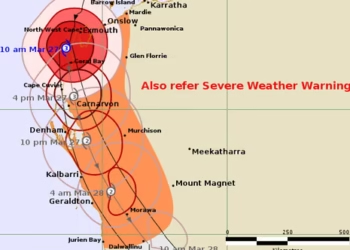 Tropical Cyclone Narelle Batters the Western Australian Coast
 Spring Awakening: Temperatures to Hit 17°C as Britain Bathes in Sunshine
 Red Skies and Raging Floods: One Dead as Storm Erminio and Saharan Dust Grip Greece
 The Banbridge Rescue: 300 Sheep Saved from Massive Hay Shed Inferno
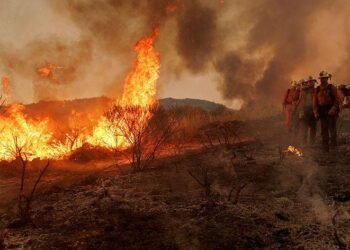 Evacuations Ordered as California Wildfires Spread Fast
 UK Records Earliest Spring as Nature Awakens Fast
 Storm Dave Disrupts Travel but Conditions Set to Ease
 Storm Dave Disrupts Road and Rail Travel as Conditions Begin to Ease
 Country Diary: A Bum Note Amid the Dawn Chorus
 Country Diary: The Eagle’s Shadow Over the Lambing Shed
 RSPB Urges Summer Bird Feeder Removal to Curb Disease
 The Lough’s Lament: Can Fiction Spark a ‘Seismic’ Rescue for Lough Neagh?
 Southern Skies: High Turnout and Surprise Visitors in Birdwatch 2026
 Night of Fire: Thousands of Turkeys Perish in Cheshire Barn Inferno
 “A Canvas of Spring”: Readers Capture Scotland’s Golden Hour and New Life
 Saving Our Lost Rainforests: The Battle for Dartmoor
 Man Praised for Saving Neighbours After Lightning Strike Sparks House Fire
 Whitehall Steps In: The Battle Over Thames Water Deepens
 Why Extreme Heat Can Cause Trees to Collapse and What Experts Say Can Be Done
 Extreme Heat Grounds Birds of Prey Across the UK
 New Debt Limits Proposed for England’s Water Sector
 UK Heatwaves May Have Claimed Thousands of Lives
 Over 100 Firefighters Tackle Major Blaze in East London
 UK Heatwave Nears Two-Week Milestone as High Temperatures Continue Across the Country
 Britain Set for ‘Bumper Year’ for Butterflies as Conservationists Predict Strong Season
 Confidential Court Papers Reveal Alleged Scale of Illegal Sewage Discharges Across Water Network
 No Helicopters Available to Fight Wildfires as ‘Crisis Management’ Plans Activated
 Three-Quarters of England’s Riverbanks Still Off Limits
 Wildfires Intensify in South-West France as Region Braces for 40C Heatwave