Published: 20 July 2026 | The English Chronicle Desk | The English Chronicle Online
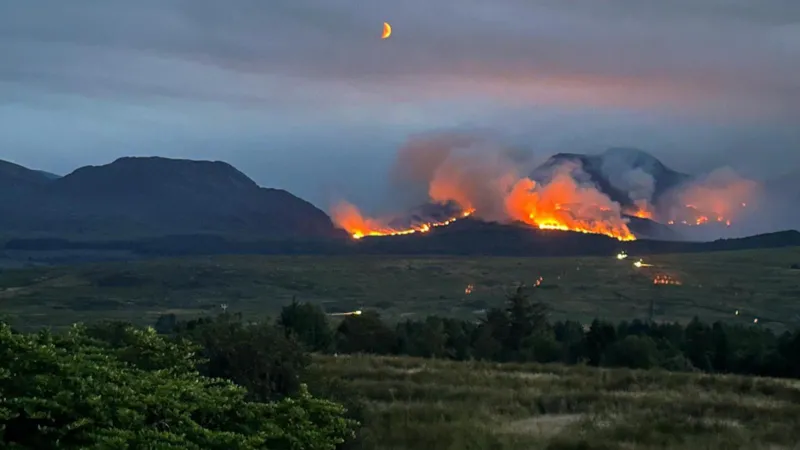
Emergency authorities have activated “crisis management” plans as wildfire risks increase, with concerns growing over the lack of available helicopters to support firefighting operations.
Officials have warned that the absence of dedicated aerial resources could make it more difficult to respond quickly to major blazes, particularly in remote areas where ground crews face challenges reaching affected locations.
The situation has raised questions about wildfire preparedness, emergency planning and whether existing resources are sufficient to deal with increasingly frequent extreme weather events.
Wildfire response teams rely on a combination of ground crews, specialist equipment and aerial support to contain rapidly spreading fires.

Helicopters can play a crucial role by transporting water directly to difficult-to-reach areas, supporting firefighters on the ground and helping slow the spread of flames.
However, authorities have warned that limited helicopter availability could affect the speed and effectiveness of responses during a major wildfire emergency.
Emergency management plans have been put into action as officials prepare for the possibility of worsening wildfire conditions.
The measures include closer monitoring of high-risk areas, improved coordination between emergency services and increased readiness among firefighting teams.
Authorities say the plans are designed to ensure resources are deployed effectively and that communities receive warnings and support if fires threaten homes or infrastructure.
Officials have stressed that preparation is essential during periods of extreme heat and dry conditions.
The risk of wildfires has increased in recent years due to hotter temperatures, prolonged dry periods and changing weather patterns.
Dry vegetation can become highly flammable, allowing fires to spread rapidly, especially during windy conditions.
Environmental experts say climate change is contributing to longer and more intense periods of wildfire risk in many parts of the world.
Fire services have urged the public to take extra care during dry weather, including avoiding activities that could accidentally start fires.
Firefighting organisations have raised concerns that the lack of helicopters could leave emergency services with fewer options during large-scale incidents.
While ground crews remain the main force in tackling wildfires, aerial support can provide a significant advantage during the early stages of a fire.
Experts say rapid intervention is often critical because small fires can quickly become major emergencies if not contained.
Officials are reviewing available resources and considering alternative arrangements if additional aerial support is required.
Rural communities are often among those most vulnerable to wildfire outbreaks.
Many villages and isolated areas are surrounded by farmland, forests or open countryside, where fires can spread quickly.
Residents in high-risk areas have been advised to remain alert, follow official guidance and prepare emergency plans if evacuation becomes necessary.
Local authorities have been working with emergency services to improve communication and response procedures.
Wildfire crews often operate in extremely challenging environments, including high temperatures, smoke-filled conditions and difficult terrain.
Firefighters must carefully manage resources while protecting both themselves and affected communities.
Officials have praised the dedication of emergency personnel and emphasised the importance of ensuring they have appropriate equipment and support.
The shortage of wildfire helicopters has prompted calls for greater investment in emergency response infrastructure.
Campaigners and experts argue that changing climate conditions require updated approaches to disaster preparation.
They say governments must consider long-term strategies, including improved firefighting equipment, specialist training and stronger prevention measures.
Investment in early warning systems and land management is also viewed as essential.
Authorities continue to emphasise that preventing wildfires is often more effective than responding after they begin.
Public awareness campaigns encourage people to avoid actions that could ignite dry vegetation.
Simple mistakes, such as discarded cigarettes, unattended fires or unsafe use of machinery, can lead to devastating consequences during dry periods.
Officials say public cooperation is a vital part of wildfire prevention.
Scientists have warned that extreme weather events are likely to become more frequent as global temperatures rise.
Longer heatwaves and changing rainfall patterns could increase pressure on emergency services.
Experts say wildfire planning must evolve to reflect these changing risks.
They argue that governments, communities and emergency agencies need to work together to build stronger resilience.
With crisis management plans now activated, authorities are closely monitoring wildfire risks and preparing for possible emergencies.

The lack of helicopter support has highlighted wider concerns about whether current firefighting resources are adequate for future challenges.
While officials continue working to manage immediate risks, experts say long-term investment and improved planning will be essential to protect communities from increasingly severe wildfire threats.
As weather conditions remain unpredictable, emergency services are urging the public to stay informed, follow safety advice and support efforts to prevent fires before they start.
Related News:
 Dozens of Flood Warnings in England After Days of Non-Stop Rain
 Fast-moving Wildfires Rage Across Southwestern US
 UK Winter Nowhere Near a Record Breaker Despite Floods and Storms
 UK Records Warmest Day of the Year as Temperatures Exceed 18 °C
 Evacuations Ordered as California Wildfires Spread Fast
 Queensland Braces for Potential Second Severe Cyclone Hit
 Temperatures Set to Fall This Week, But Forecasters Warn Heat Could Return Soon
 Why Extreme Heat Can Cause Trees to Collapse and What Experts Say Can Be Done
 Rain Forecast to Return This Weekend as Parts of UK Edge Closer to Drought Conditions
 What is Groundwater Flooding and Why Dorset is Seeing ‘Historical Highs’
 BRRRITAIN: Met Office Issues Yellow Weather Warning for More Snow
 Temperatures Dip Below Freezing as Arctic Air Sweeps Across the UK
 Flooding May Worsen Before It Improves as More Rain Forecast for the UK
 Shutting North Sea ‘Will Drive Up Carbon Emissions’
 Brace for Trump’s Brave New World of 1.7°C Global Warming
 As Trump Retreats from Climate Goals, China Is Becoming a Green Superpower
 ‘The New Tobacco’: Cities Ban Fossil Fuel Adverts
 Storm Hernando: Edinburgh Airport Flights Cancelled in US Travel Chaos
 Storm Hernando: Edinburgh Airport Flights Cancelled in US Travel Chaos
 Scotland’s Climate Plans Face Scrutiny Over ‘Science Fiction’ Targets
 Ocean Warming Drives Massive Marine Life Loss, Study Warns
 Tropical Flowers Shift Blooming Due to Climate Crisis
 Farmers on Edge as Record Rainfall Dampens Slurry Season
 Conservation Budgets Hit by Increased Fly‑Tipping Costs
 Net Zero by 2050 ‘Cheaper Than One Fossil Fuel Crisis’
 Scotland Braces for 80mph Gales and ‘Intense Rain’
 Millions Left Without Power as Grid Fails
 Concern Over Six Weeks of Sewage Discharge Into River
 Red Skies and Raging Floods: One Dead as Storm Erminio and Saharan Dust Grip Greece
 UK Records Earliest Spring as Nature Awakens Fast
 Cyclone Vaianu Forces Mass Evacuations in New Zealand
 Capitalism ‘Suicidal’, Warns Petro at Climate Summit
 Record May Heat to Cold Front in Eastern Australia
 The Great May Meltdown: Europe Braces for a Historic Swing from Arctic Chill to Extreme Late-Spring Heat
 UK Faces Mass Water Shortages by 2055, Lords Warn
 Hope for mountain bongos returns to Kenya
 Mangrove Forests Recover After Years of Damage
 Deadly Earthquake Hits Philippines
 At Least 19 Killed After Powerful Earthquake Hits Southern Philippines
 Airline Leaders Warn 2050 Net Zero Target May No Longer Be Achievable
 Amber Heat Health Alerts Issued as UK Temperatures Expected to Exceed 30C
 Met Office Issues Amber Extreme Heat Warning as Temperatures Near 35C
 Net Zero School Remains Cool and Open as Heatwave Tests Britain’s Buildings
 Hosepipe Ban Introduced Across Hampshire and Isle of Wight as Water Supplies Come Under Pressure
 Sydney Records Hottest June Since 1859 as Expert Warns New High a ‘Signature’ of Global Warming
 African Fishermen Blame Chinese Trawlers for Declining Catches
 UK Heatwaves Ignite Crisis of Sleep and Public Safety
 UK Braces for Prolonged Heatwave as Amber Alerts Issued
 ‘Extreme’ Marine Heatwave Forecast for UK Waters
 Extreme Heat Grounds Birds of Prey Across the UK
 Households Urged to Conserve Water Amid Rising Temperatures
 UK Seas Face Extreme Heatwave as Global Temperatures Surge
 Europe Scorched as Record Heatwaves Grip the Continent
 Deadly Spain Wildfire Leaves 11 Dead, 19 Missing
 UK Heatwaves May Have Claimed Thousands of Lives
 UK Heatwave Nears Two-Week Milestone as High Temperatures Continue Across the Country
 Britain Set for ‘Bumper Year’ for Butterflies as Conservationists Predict Strong Season
 ‘Extinct’ Antelope Returns to Sahara, Bringing Hope
 Conservatives Pledge to Scrap 2030 Petrol and Diesel Car Ban
 UK Weather: End of Cold Spell in Sight as Temperatures Rise
 No Gas Boiler Ban as UK Warm Homes Plan Backs Heat Pumps
 Devon hosts first high-density hydro power system
 South Africa’s Garden Route Gem Faces Looming Water Crisis
 Draft Severe Weather Plan Following Storm Flooding
 Snow and Rain Warnings as Cold Snap Continues in the UK
 Fly-Tippers to Be Hunted by ‘Drone Squad’ in Crackdown from the Sky
 How Do You Modernise Mango Farming? India’s Growers Urged to Innovate as Climate Change Hits
 The Banbridge Rescue: 300 Sheep Saved from Massive Hay Shed Inferno
 Country Diary: The Eagle’s Shadow Over the Lambing Shed
 Moldova River Crisis Exposes War’s Hidden Cost
 Fuel Prices Drop Despite Geelong Refinery Blaze
 Governments Fail Murray-Darling River Projects
 Crackdown Backfires on UK Climate Protesters
 Pope Meets Families in Italy Toxic Waste Zone
 UN Issues Urgent Warning: Imminent Return of El Niño
 Trump Approves $700m Coal Industry Investment
 Man Praised for Saving Neighbours After Lightning Strike Sparks House Fire
 London Tube Heat Reaches Dangerous Levels
 Confidential Court Papers Reveal Alleged Scale of Illegal Sewage Discharges Across Water Network