Published: 3 July 2026
The English Chronicle Desk
The English Chronicle Online
A hosepipe ban has been introduced across Hampshire and the Isle of Wight as prolonged dry weather and increased demand place growing pressure on regional water supplies.
The temporary restrictions, announced by the area’s water provider, are designed to protect essential water resources and ensure sufficient supplies remain available for households, businesses and critical public services during one of the driest periods of the year.
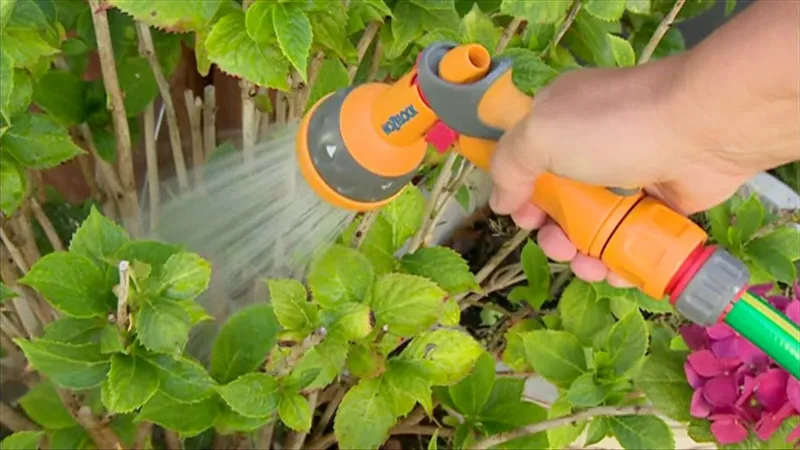
The move affects hundreds of thousands of customers and limits the use of hosepipes for a range of domestic activities, including watering gardens, washing private vehicles, cleaning patios and filling paddling pools.
Water companies say the restrictions have become necessary following weeks of below-average rainfall combined with higher temperatures that have significantly increased daily water consumption.

Reservoirs, rivers and underground aquifers have all experienced declining water levels, while demand for treated drinking water has risen sharply as households attempt to keep gardens green and cool outdoor spaces during warmer weather.
Officials stressed that essential household uses, including drinking, cooking, washing and sanitation, will not be affected by the restrictions.
The hosepipe ban is intended to reduce non-essential water use until supplies begin to recover through sustained rainfall.
Water company representatives said they had monitored conditions closely before deciding to introduce the temporary use ban.
Engineers and environmental specialists have been working to manage available resources efficiently, but the combination of dry weather and sustained demand left few alternatives.
The company said the restrictions form part of its drought management plan, which is designed to protect water supplies while minimising disruption to customers.
Residents are being encouraged to use watering cans instead of hosepipes, collect rainwater where possible and avoid unnecessary water consumption throughout the period of the restrictions.
Simple actions such as turning off taps while brushing teeth, repairing leaking pipes and using full loads in washing machines and dishwashers can collectively save millions of litres of water each day.
Environmental organisations have welcomed efforts to reduce unnecessary water consumption.
They warn that prolonged dry conditions not only affect public water supplies but also place considerable pressure on wildlife habitats, rivers and wetlands.
Lower river levels can reduce oxygen available for fish and other aquatic species while increasing water temperatures that affect ecosystems.
Farmers across southern England have also been closely monitoring weather conditions.
Many agricultural producers rely on stable water supplies to support crops and livestock during the summer months.
Extended dry periods can reduce harvest yields, increase irrigation costs and create additional financial pressure for rural businesses already dealing with changing weather patterns.
Gardening groups acknowledged that the restrictions may disappoint many homeowners, particularly during the peak growing season.
However, horticultural experts note that established plants often survive temporary dry conditions better than many people realise.
They recommend watering plants with recycled household water where appropriate, applying mulch to retain moisture and watering during cooler evening hours to minimise evaporation.
Car owners are also being reminded that while commercial car washes may continue operating because many recycle water, washing vehicles at home using a hosepipe is generally prohibited under the temporary restrictions.
Customers are advised to check detailed guidance issued by their water supplier to understand exactly which activities are permitted and which are temporarily restricted.
Businesses may also be affected depending on how they use water.
Certain commercial activities are exempt where water use is considered essential, while others may need to adopt alternative methods during the ban.
Water companies say they are working with affected sectors to minimise disruption wherever possible.
Meteorologists have linked the current situation to an extended period of warm, dry weather that has limited opportunities for reservoirs and groundwater sources to recover.
Climate experts warn that hotter summers and more variable rainfall patterns are likely to increase the frequency of water shortages across parts of the UK in coming decades.
As a result, long-term investment in water infrastructure, reservoir capacity and leakage reduction is becoming increasingly important.
Consumer organisations have encouraged water companies to continue addressing leakage within their own networks alongside asking customers to reduce consumption.
Large volumes of treated water are lost annually through ageing pipes, making infrastructure improvements a key part of long-term water security.
Many suppliers have already committed to replacing older pipelines and investing in smarter monitoring systems capable of detecting leaks more quickly.
Local councils are also encouraging residents to support wider water conservation efforts.
Schools, community groups and environmental charities have launched campaigns promoting responsible water use, emphasising that small individual actions can collectively make a significant difference.
Water efficiency has become an increasingly important public policy issue as population growth and climate change place greater pressure on natural resources.
Experts argue that sustainable water management will require cooperation between governments, utility companies, businesses and consumers.
Investment in new reservoirs, improved recycling technologies and better household efficiency could all play important roles in strengthening future resilience.
For residents of Hampshire and the Isle of Wight, the immediate priority is helping reduce demand while protecting essential supplies.

Officials have urged customers to comply with the restrictions, noting that widespread cooperation can help avoid the need for more severe measures if dry conditions continue.
While many hope rainfall will arrive soon, weather forecasts remain uncertain.
Until water levels recover sufficiently, the temporary hosepipe ban is expected to remain in force, with regular reviews taking place as environmental conditions change.
The situation serves as another reminder of the growing challenges facing water management in a changing climate.
As communities adapt to increasingly unpredictable weather, responsible water use is becoming not only an environmental responsibility but an essential part of safeguarding future supplies.
Related News:
 What is Groundwater Flooding and Why Dorset is Seeing ‘Historical Highs’
 Dozens of Flood Warnings in England After Days of Non-Stop Rain
 Temperatures Dip Below Freezing as Arctic Air Sweeps Across the UK
 Fast-moving Wildfires Rage Across Southwestern US
 Brace for Trump’s Brave New World of 1.7°C Global Warming
 As Trump Retreats from Climate Goals, China Is Becoming a Green Superpower
 ‘The New Tobacco’: Cities Ban Fossil Fuel Adverts
 Scotland’s Climate Plans Face Scrutiny Over ‘Science Fiction’ Targets
 Ocean Warming Drives Massive Marine Life Loss, Study Warns
 Tropical Flowers Shift Blooming Due to Climate Crisis
 UK Winter Nowhere Near a Record Breaker Despite Floods and Storms
 UK Records Warmest Day of the Year as Temperatures Exceed 18 °C
 Conservation Budgets Hit by Increased Fly‑Tipping Costs
 Net Zero by 2050 ‘Cheaper Than One Fossil Fuel Crisis’
 Millions Left Without Power as Grid Fails
 Concern Over Six Weeks of Sewage Discharge Into River
 Evacuations Ordered as California Wildfires Spread Fast
 UK Records Earliest Spring as Nature Awakens Fast
 Queensland Braces for Potential Second Severe Cyclone Hit
 Capitalism ‘Suicidal’, Warns Petro at Climate Summit
 Record May Heat to Cold Front in Eastern Australia
 UK Faces Mass Water Shortages by 2055, Lords Warn
 Hope for mountain bongos returns to Kenya
 Mangrove Forests Recover After Years of Damage
 At Least 19 Killed After Powerful Earthquake Hits Southern Philippines
 Airline Leaders Warn 2050 Net Zero Target May No Longer Be Achievable
 Temperatures Set to Fall This Week, But Forecasters Warn Heat Could Return Soon
 Net Zero School Remains Cool and Open as Heatwave Tests Britain’s Buildings
 Why Extreme Heat Can Cause Trees to Collapse and What Experts Say Can Be Done
 ‘Extinct’ Antelope Returns to Sahara, Bringing Hope
 Red Squirrels Thrive in Highlands After Decade-Long Rescue
 Conservatives Pledge to Scrap 2030 Petrol and Diesel Car Ban
 Eden Project Founder Celebrates 25 Years of Nature’s Hope
 Local Fish Could Boost UK Health and Economy Significantly
 UK Weather: End of Cold Spell in Sight as Temperatures Rise
 Storm Goretti leaves Cornwall homes without power
 No Gas Boiler Ban as UK Warm Homes Plan Backs Heat Pumps
 Devon hosts first high-density hydro power system
 US-Style Pickup Trucks Surge on UK Roads
 South Africa’s Garden Route Gem Faces Looming Water Crisis
 Draft Severe Weather Plan Following Storm Flooding
 Wigan Dump Crisis Sparks Health and Safety Alarm
 Flooding May Worsen Before It Improves as More Rain Forecast for the UK
 Fly-Tippers to Be Hunted by ‘Drone Squad’ in Crackdown from the Sky
 How Do You Modernise Mango Farming? India’s Growers Urged to Innovate as Climate Change Hits
 Storm Hernando: Edinburgh Airport Flights Cancelled in US Travel Chaos
 Germany Faces Backlash Over Scrapped Renewable Heating Mandate
 UK’s First Geothermal Plant Powers 10,000 Homes
 Greenpeace $345m Ruling Sparks Appeal Battle
 Study Says Only Two Nations May Survive Nuclear War
 Guernsey Mother Breaks Down After £11,500 Battery Waste Fine
 MPs Slam Agency Over Failing Fight Against Waste Dumping
 The Banbridge Rescue: 300 Sheep Saved from Massive Hay Shed Inferno
 Paradise Aground: Cruise Ship Evacuated After Striking Reef Near ‘Cast Away’ Island
 Country Diary: The Eagle’s Shadow Over the Lambing Shed
 Miles Jupp: How the Magic of the Ashes Sparked a Bold Blag
 The Toxic Scent Destroying Life in a Lancashire Town
 Southern Skies: High Turnout and Surprise Visitors in Birdwatch 2026
 Moldova River Crisis Exposes War’s Hidden Cost
 Heavier SUVs Accelerate Britain’s Pothole Crisis
 Fuel Prices Drop Despite Geelong Refinery Blaze
 Celestial Magic: The Lyrid Meteor Shower Returns
 Governments Fail Murray-Darling River Projects
 Crackdown Backfires on UK Climate Protesters
 Renewable Energy as a Strategic Shield for UK Security
 The Sinking Ledger: How Climate Change Is Dismantling the Pacific’s Economic Backbone
 Older Than Dinosaurs: Secrets of Mayfly Dance Revealed
 UK Firm Faces Backlash Over US Oil Advertising Deals
 Ukraine strikes Tuapse as oil disaster worsens
 The Campaign To Save Britain’s Original Bramley Apple Tree
 EU Deal May Force UK Ban on Cancer-Linked Weedkiller
 “A Canvas of Spring”: Readers Capture Scotland’s Golden Hour and New Life
 Pope Meets Families in Italy Toxic Waste Zone
 Man killed in shark attack on Great Barrier Reef
 UN Issues Urgent Warning: Imminent Return of El Niño
 Bear Escapes Factory Through Open Window
 Trump Approves $700m Coal Industry Investment
 Family Says Heatwave Drownings Reopen Grief
 Cambridge Recreates Historic 336-Year-Old Garden