Published: 16 September 2026. The English Chronicle Desk. The English Chronicle Online
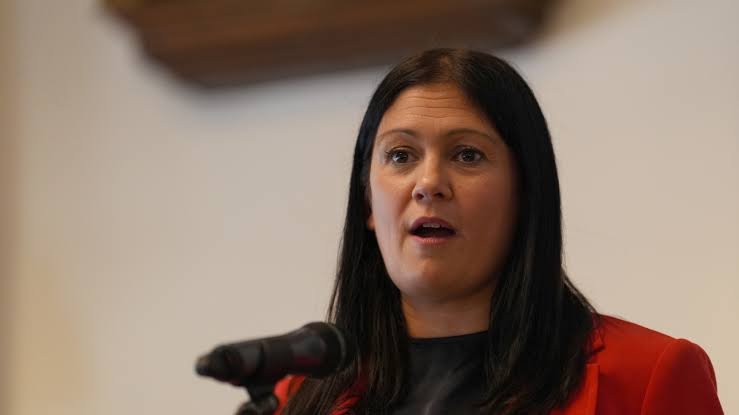
The UK government is preparing to strengthen protections against online harassment and doxxing, with Culture Secretary Lisa Nandy warning that social media platforms must take greater responsibility when users publish private information or target people with intimidation.
Nandy criticised Elon Musk’s X after the platform did not attend a meeting she hosted with social media companies to discuss abuse, intimidation and the publication of personal information online. Speaking in media interviews on Wednesday, she described X’s absence as an “absolute disgrace” and said the government was committed to tightening the law around doxxing.
The issue has become increasingly prominent as public-facing workers and volunteers have reported being subjected to online abuse connected to their professional activities. Nandy said the government wanted to ensure that publishing information such as a person’s home address in circumstances where it could place them at risk would result in rapid action by platforms.
The government’s wider approach to online safety has already been developing through legislation and policy measures aimed at increasing the responsibilities of technology companies. Nandy was appointed Secretary of State for Digital, Culture, Media and Sport in July 2026, and her department has been pursuing a broader programme focused on online safety and technology regulation.

The latest dispute centres specifically on doxxing, a practice in which personal or identifying information is published online, potentially exposing individuals to harassment, intimidation or unwanted contact. Nandy said different platforms currently operate under different terms of service and apply different standards when dealing with abusive material.
Speaking about the meeting, she said social media companies had been invited to discuss their responsibilities and that some platforms would automatically remove certain material while others would not. According to the Guardian report, X did not send a representative to the meeting, prompting Nandy’s criticism.
Her proposed response would focus on ensuring that certain types of dangerous personal information cannot remain publicly available online. She said she had made a commitment to the Royal National Lifeboat Institution, as well as charities, public-sector workers and others who face abuse while carrying out their duties, that the law would be tightened.
The comments came after concerns about online abuse directed towards RNLI volunteers. The organisation has faced hostile attention from anti-migrant campaigners because of its involvement in rescuing people travelling in small boats. The dispute has highlighted a wider question over the extent to which online platforms should intervene when political disagreements turn into targeted harassment of individuals.
Nandy said the concern extended well beyond volunteers working for charities. She referred to shop workers, social workers and police officers who can face harassment online because of their occupations. Her argument is that people should not have to accept the exposure of their private information as an unavoidable consequence of doing public-facing work.
The government has not yet set out a complete legislative framework for the proposed changes in the material reported on Wednesday. However, the plans form part of a wider programme in which ministers have been seeking greater accountability from technology companies.
Earlier in September, the government announced plans for new legislation intended to strengthen protections for children online. The Department for Culture, Media and Sport said major technology platforms would be required to introduce stronger device-level protections, while the government also planned measures covering applications used by children.
That programme demonstrates the broader direction of government policy: rather than relying entirely on voluntary action by technology companies, ministers have indicated that legislation may be used when they believe existing protections are insufficient.
The government has also announced wider measures concerning children’s use of social media. Its July response to the national consultation on growing up in the online world said social media companies would no longer be able to offer their services to children under 16. It also outlined additional protections for 16- and 17-year-olds and proposed restrictions on certain harmful online functions.
The debate over doxxing, however, involves a broader section of the population. Unlike measures specifically designed to protect children, proposed action on the publication of private information would potentially affect workers, volunteers, public figures and ordinary members of the public who become targets of online campaigns.
The central challenge is how to protect people from intimidation without creating unnecessarily broad restrictions on legitimate political debate or criticism. Social media platforms host discussions about public policy, elections, migration, policing, public services and many other contentious subjects. Government intervention therefore raises questions about how harmful targeting should be distinguished from lawful expression.
Nandy’s position, as reported on Wednesday, focuses on personal safety rather than preventing criticism itself. Her concern is particularly directed at cases where private information, such as a home address, is published in a manner that could expose someone to harm or sustained harassment.
The differences between platforms also remain significant. Nandy said companies have different terms of service and different approaches to removing hateful or abusive material. This means that material removed from one service may remain accessible elsewhere, potentially allowing harassment to move between platforms.
The absence of X from the meeting has therefore become a prominent part of the political debate. Nandy’s description of the platform as an “absolute disgrace” reflects her stated expectation that large technology companies should engage directly with government discussions about online safety.
At the same time, the government faces the practical task of determining what new legal duties would look like and how they would be enforced. Any new rules would need to establish what information should be removed, how quickly platforms should act and what responsibilities should apply to companies when harmful material is reported.
The issue also comes as the government continues to consider how technology companies should respond to wider online risks. Official government policy has increasingly emphasised stronger platform responsibility, particularly where online services can contribute to serious harm. Nandy has previously told Parliament that the government intends to take a more active role in shaping the online environment rather than leaving decisions entirely to private technology companies.

For people whose work places them in direct contact with the public, the question is particularly immediate. Charity volunteers, police officers, social workers and other workers may be exposed to criticism as part of their duties, but the publication of personal information creates a different kind of risk. The government’s proposed crackdown would seek to draw a clearer legal boundary between public debate and conduct that can threaten individual safety.
The coming months are therefore likely to determine how far ministers take the proposals. The government will need to translate Nandy’s commitment into specific legal provisions while addressing questions about enforcement, platform responsibility and freedom of expression.
For now, the political message from the Culture Secretary is that social media companies should not treat abusive targeting and the publication of private information as matters solely for their own internal rules. The government intends to examine whether stronger legal requirements are needed, while the controversy surrounding X has placed the relationship between ministers and major technology platforms firmly back in the spotlight.
The wider online-safety programme suggests that the government is increasingly willing to consider legislation where voluntary measures are judged insufficient. Whether the same approach can produce effective and proportionate protections against doxxing will depend on the detail of the proposed rules, their enforcement and the response of the platforms expected to implement them.
Related News:
 Ministers Condemn Far-Right Unrest in Portsmouth
 Patriot Platform Raises Concern Across Britain
 Election Candidate Abuse Raises Alarm in England
 Tasers Introduced in UK Prisons to Combat Rising Violence and Protect Staff
 Police Advised to Disclose Ethnicity of Suspects in High-Profile Cases
 Charlie Kirk Killing Used to Mobilise UK’s Largest Far-Right Rally in Decades
 Jailed Georgian Opposition Leaders Warn UK of Iranian Links to Ruling Party
 UK Police to Gain New Powers to Manage Repeated Protests, Home Office Announces
 Teen and Man Arrested Over Nursery Cyber Attack Exposing 8,000 Children
 Boris Johnson Breached Rules on Post-Office Business Contacts
 China Spy Case Hearing Reveals Key Gaps in Prosecution
 It’s time to come clean on the China spy case
 French Taxi Driver Cleared in David Lammy Theft Case After Fare Dispute
 Met Police Culture Makes Racial Harm ‘Inevitable’
 Remaining rebel Labour MPs have whip restored
 Victims’ commissioner Baroness Newlove dies aged 63
 Emails Show Epstein Funded Mandelson’s Husband After Jail
 Police Probe Mandelson Over Alleged Epstein Leak
 Undercover officer deceived women with ‘grotesque and cruel’ lies, spycops inquiry told
 Mass Arrests at London Palestine Protest Spark Debate
 MoD Has Lost Track of Veteran Recall List, Says Adviser
 NHS Safety Fears as Nurses Cover Doctor Gaps
 Reform UK funding: mystery billionaire revealed
 UK may ban protests amid rising antisemitism fears
 Barrister Criticises Trial After Suicide Case Verdict
 Father’s diaries reveal doubts over Hawking
 Victim says non-custodial rape sentence ‘rock in my face’
 Murder Probe Continues After Arrest Release
 Westminster Council Threatens Charing Cross Soup Kitchen
 BBC Warned About Missing Clothes of Murder Victim
 Cambridge Professor Jason Arday Found Dead at Home
 Woman speaks after teacher jailed for historic rape
 Ghent Professors Questioned Cofnas Appointment
 Masked Protesters Bring Dover Port Traffic to Standstill
 UN expert urges UK to rethink Israel policy
 Armed Suspect Attacks Ohio Governor Candidate
 Councils spend £125m on illegal children’s care
 Miliband Rejects Chief Rabbi’s West Bank Warning
 Reform UK Receives Record £36m Donation From Crypto Billionaire
 UK Urged to Probe US Diplomat Case
 Targeted Attack in Bury Sparks Murder Investigation as Community Awaits Justice
 Man Remanded After Children Fall Ill at Leicestershire Summer Camp in Shocking Child Cruelty Case
 Mass Arrests in London as Protest Defies Ban on Palestine Action
 Merseyside Police Helicopter Crew Cleared After Low-Altitude Pursuit of Suspect
 Urgent Action Needed on Windrush Compensation as Survivors Speak of “Waiting to Die”
 Tanni Grey-Thompson Faces Abuse Over Opposition to Assisted Dying Bill
 UK Launches Major Crackdown on Networks Profiting from Online Child Sexual Abuse
 Zarah Sultana Seeks Legal Action After Bitter Clash with Jeremy Corbyn Over Party Membership Funds
 Mahmood Pledges Reform of Modern Slavery Laws After Court Blocks Deportation Appeal
 UK Fighter Jet Purchase Could Breach Nuclear Treaty, Warns CND
 No Evidence Found to Substantiate Alleged Rape in Oxfordshire Churchyard, Police Confirm
 Digital ID Plans Ignite Debate Over £600m Treasury Tax Boost and Privacy Concerns
 Yvette Cooper Backs Digital ID Plan for UK Teens
 Reform UK candidate fined £19,000 after using AI-generated cases to challenge election
 FBI Director Kash Patel Defends Girlfriend Amid Government Jet Claims
 UK Bans Fake Numbers: Scammers Lose Their Trick
 Just Stop Oil Protesters Convicted Amid Climate Defence Row
 Major Rent Reform Ends No-Fault Evictions in England
 Peers Flood Assisted Dying Bill with 942 Amendments
 Serial Rapist and Former Cop Found Guilty Again
 Most Tories Expect to Support a Farage-Led Government
 Tim Walz urges Trump to withdraw federal agents immediately
 Proposed Law Leaves Gap for Children of Convicted Paedophiles
 Teen Admits Filming Westfield Chair Prank
 Crackdown Backfires on UK Climate Protesters
 Greens Face Internal Row Over Antisemitism Claims
 Farage and Reform UK Reshape British Politics
 Starmer Leadership Under Pressure After Setbacks
 UK Ministers Lobby Trump Over Under-16s Social Media Ban
 Burnham unveils £65m drought aid for farmers
 Unions Warn Labour Over Zero-Hours Contract Reforms
 RAF Barnham Protests Fuel Tensions in Norfolk Town
 UK plans tougher Israel stance with settlement trade ban
 Abusive ex used Tesla to control and harass former partner
 New Mexico Takes Facebook to Trial Over Data Scandal
 UK Retailers Accused of Breaking Refund Laws
 Farage Threatens Union Funding Ban Over Reform Donations
 UK Pay Growth Slows to 3.9% as Rate Decision Nears
 Bank Urged to Slow Bond Sales as UK Costs Rise
 UK Heatwaves Set to Worsen Pothole Damage, RAC Warns