Published: 26 September 2026. The English Chronicle Desk. The English Chronicle Online
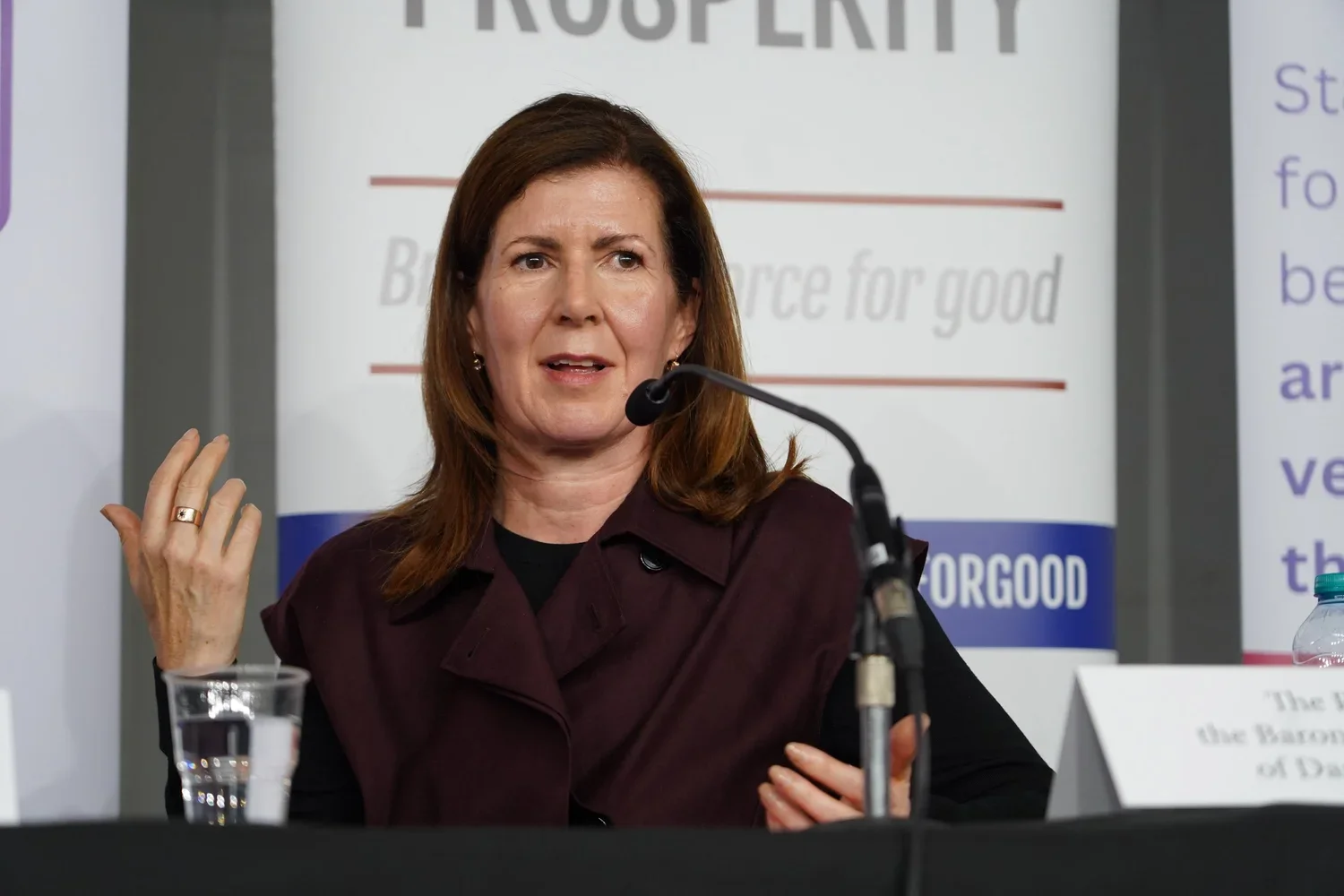
Labour must work to reunite voters across the centre-left and wider progressive political spectrum if it is to make the most of divisions among parties on the right, the party’s deputy leader Lucy Powell has said, as the party prepares for its annual conference in Liverpool.
Powell argued that Labour now has an opportunity to rebuild its political appeal under new leader Andy Burnham after a period in which, she believes, the party struggled to communicate its broader purpose and values clearly. Her comments come at a significant moment for Labour, with the party entering its annual conference following months of political change and renewed attention on its prospects at the next general election.
Labour’s annual conference is due to take place in Liverpool from 27 to 30 September, with Powell scheduled to deliver the deputy leader’s speech at the opening of the main conference programme. Powell has served as the party’s deputy leader since October 2025 and was appointed secretary of state for education in July 2026.
In an interview ahead of the conference, Powell said Labour needed to reconnect with voters who had previously supported the party but had since moved towards other political groups. She described the task as rebuilding a broad progressive coalition, arguing that voters who had shifted towards the Greens, the SNP, Plaid Cymru or Reform UK should not be assumed to be permanently lost to Labour.

She said the political landscape had become more fragmented, giving voters a wider range of choices than in previous elections. In her view, Labour’s challenge was to persuade people who broadly share progressive or centre-left priorities that Labour could once again provide a political vehicle for those concerns.
Powell said recent electoral evidence suggested that parties could benefit when they succeeded in bringing their various voter groups together. She argued that Labour should therefore concentrate on rebuilding relationships with voters who had become disillusioned with established politics.
Her comments also reflected the changing political environment on the right. Reform UK has expanded its electoral presence and has sought to attract voters who have become dissatisfied with traditional parties. Powell argued that some people who had considered Reform were motivated by frustration with the political status quo rather than by a permanent commitment to its programme.
She said Labour should make a clearer case for its own political values instead of allowing political debate to be defined entirely by its opponents. According to Powell, the party should be more confident in discussing issues such as workers’ rights, childcare, poverty and social protection.
Her argument marks a notable emphasis on political communication. Powell suggested that Labour had previously become too focused on technical explanations and had not always communicated sufficiently clearly why its policies mattered to ordinary people.
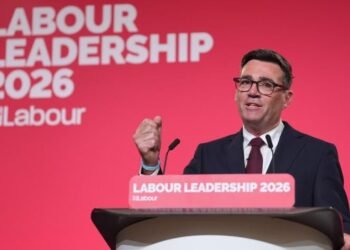
She said the change in Labour’s leadership had been necessary to give the party an opportunity to present a stronger political narrative. Andy Burnham was elected Labour leader in July 2026, receiving the support of 379 Labour MPs and 23 affiliated organisations.
Powell suggested that the new leadership should use this opportunity to explain Labour’s objectives more directly, while remaining within the framework of the party’s existing manifesto commitments. She argued that voters were looking not only for individual policies but also for a clear explanation of what a government stood for and who it was seeking to help.
The education secretary is also expected to use the conference period to set out plans for expanding work against harassment and harmful behaviour in schools. The focus will include the development of healthier relationships, stronger school communities and a wider cultural approach to preventing misogyny and harassment.
Powell has argued that classroom teaching alone cannot change attitudes towards misogyny. Her proposed approach would seek to make healthy relationships and a sense of belonging part of wider school life rather than treating them solely as subjects addressed during relationships, sex and health education lessons.
The emphasis on relationships and belonging comes as revised statutory relationships and sex education and health education guidance has come into force in England. The Department for Education says the revised guidance took effect on 1 September 2026.
Government education policy has also increasingly placed emphasis on pupils’ engagement and sense of belonging. Recent Department for Education initiatives have highlighted belonging, engagement and preparation for adult life as elements of efforts to improve educational outcomes.
Powell’s political message and her education agenda therefore share a common theme: the importance of rebuilding connections between institutions and the communities they serve. In politics, she believes Labour needs to reconnect with voters who have become detached from the party. In schools, she argues that young people need stronger real-world relationships and communities alongside their digital lives.
She also addressed the debate surrounding social media and young people, saying the planned restrictions on social media access for under-16s should be viewed as an opportunity to think more broadly about how young people build relationships outside online platforms.
Powell said that a highly connected digital environment had not necessarily produced stronger social connections. Instead, she argued, isolation could become more prominent when social interaction was increasingly mediated through online platforms.
The political significance of the issue extends beyond education. Labour has been attempting to develop a message that connects economic policy with everyday experiences, including the pressures facing families, workers and young people.
Powell said the party should not hesitate to speak openly about its reasons for pursuing policies intended to reduce poverty or strengthen public services. She suggested that concerns about possible political reactions had sometimes made Labour less direct in explaining its priorities.
She also pointed to welfare and support for vulnerable people as areas where Labour needed to maintain a clear sense of purpose. Rather than discussing individual measures in isolation, she argued, the party should explain the broader principles behind them and the groups it believes public policy should support.
Her remarks come as Labour faces the challenge of defining its political identity under a new leader while dealing with competition from several parties. The party must simultaneously appeal to traditional Labour supporters, voters who moved towards other progressive parties and people who have become disillusioned with established political institutions.
The question of whether those groups can be brought into a broader coalition is ultimately dependent on voters and on how Labour’s policies and political communication develop before the next general election. Powell’s intervention indicates that party strategists see coalition-building as an important part of Labour’s longer-term approach.

For now, Labour is entering its Liverpool conference with renewed attention on its political direction. Powell’s message is that the party should communicate its values more confidently, reconnect with voters who have drifted away and demonstrate how its policies relate to people’s everyday lives.
Her comments also underline the wider challenge facing established political parties in an increasingly fragmented electoral environment. With more parties competing for support, broad voter alliances can no longer be taken for granted. Labour’s task, as Powell describes it, is to persuade different groups that despite their differing priorities, they share enough common ground to support the same political project.
Whether that approach succeeds will depend on how Labour translates its message into policy, organisation and campaigning over the coming years. What is clear from Powell’s intervention is that the party intends to place political identity, values and voter engagement at the centre of its preparations for the next electoral contest.
The immediate test will come at the Labour conference, where the new leadership will have an opportunity to define its priorities and present its political direction to members, supporters and the wider public. The conference will also provide a platform for Labour figures such as Powell to demonstrate how the party intends to turn its renewed emphasis on values and community into practical government policy.
Related News:
 Bridget Phillipson Vows to Confront Unions Over Reading Tests
 England’s Special Needs Support Faces Breaking Point
 UK Ministers Drop Foreign Student Targets for Global Education Push
 SEND Plan Gains Cautious Support Amid England Schools’ Workload Concerns
 Student Loan Crisis Sparks Outrage Among Graduates in England
 NHS Safety Fears as Nurses Cover Doctor Gaps
 School Bosses Face Strict Pay Cap
 Exeter Approves Saudi Military Training Partnership
 Green Party Surges Past Labour in Latest UK Poll
 Trump’s UK Ambassador Urges North Sea Drilling to Strengthen US Ties
 Children to Learn Local History in Major Curriculum Overhaul
 French Taxi Driver Cleared in David Lammy Theft Case After Fare Dispute
 Labour immigration crackdown could cost UK £4.4bn
 Millionaires group urge Reeves to introduce wealth tax to ‘lift kids out of poverty’
 Starmer Faces Growing Dissent as Labour MPs Weigh Leadership Challenge
 Reeves rejects £1bn plea for NHS redundancy payouts
 PM Condemns Leaks, Vows Loyalty to Ministers and Stability
 Major Rent Reform Ends No-Fault Evictions in England
 Most Tories Expect to Support a Farage-Led Government
 Starmer Says Labour’s Economic Plan Needs Years to Deliver
 City & Guilds pay surge sparks backlash amid £22m cuts
 Labour Blocks Burnham as Party Rift Deepens Ahead of Polls
 Huge mistake: Labour blocks Burnham from byelection bid
 Artificial intelligence will cost jobs, admits Liz Kendall
 Greens nominate Hannah Spencer for Gorton and Denton byelection
 Mandelson Faces Police Inquiry Over Epstein Leak
 Labour Thinktank Row Deepens Over Journalist Probe Claims
 Morgan McSweeney downfall shocks Labour leadership
 Send spending gap leaves deprived areas behind
 Cabinet Secretary Shake-Up Triggers Due Diligence Warning
 Starmer Faces Inquiry Calls Over Thinktank Probe
 UK shelves £110m border project amid trade strain
 Farage Unveils Reform UK Frontbench Team
 California Democrats Vow Trump Reckoning
 Wales Approves Assisted Dying Bill Consent
 UK EU Trade Reset Gains Public Backing
 New Era for UK Special Needs Support
 Green Party Stuns Labour in Gorton and Denton Byelection
 Corbyn Leads Your Party in Coordinated Left-Flank Strategy
 Labour Together scandal sparks clean break vow
 Adelaide University Faces Backlash Over Event Cancellation
 Asylum Seekers to Work After Year-Long Wait
 Starmer Row as Greens Demand Apology
 Proposed Law Leaves Gap for Children of Convicted Paedophiles
 Gordon Brown urges court for crimes against children
 Inquiry into HMRC child benefit errors launched by NAO
 NHS Plans to Cut Overseas Workers Labeled Overambitious
 Farage Faces Backlash Over Crypto Cameo Endorsements
 Relationship with Trump may be beyond repair, Starmer warned
 Unions Raise Concerns Over Doctors’ Pay Dispute
 UK Government Poised to Revive Stalled Hillsborough Law
 UK Stands Firm on Falklands Amid US Rift
 Welsh Labour Faces Potential Historic Election Defeat
 Silent Tracks: Rail Line Without Passengers
 Major test for Labour as polls open in Great Britain
 Reform UK Faces Crisis as Newly Elected Councillors Resign
 Keir Starmer Struggles to Secure His Grip on Downing Street
 Farage Faces Standards Probe Over Cash Property Purchase
 Secret Role of UK Security Services in Troubles Amnesty Law
 Farage and Reform UK Reshape British Politics
 Minister Criticises Police Guidance Amid Southampton Protests
 Makerfield Voters Demand Real Change as Election Looms
 Tech Trends and the Battle Against Exam Hall Cheating
 The Hidden Crisis Eroding Trust in British Communities
 Labour MP Revives Blocked Assisted Dying Bill in Commons
 Starmer Set to Announce Exit Plan as Burnham Eyes No 10
 British Teens in EU Face Soaring UK University Fees
 Burnham Pledges New Era of Open Debate for Labour MPs
 Ann Widdecombe, Formidable Political Figure, Dies at 78
 UK Schools Struggle as Classrooms Top 40C
 Security Row Erupts Following Tragic Death
 Burnham unveils £65m drought aid for farmers
 Unions Warn Labour Over Zero-Hours Contract Reforms
 Former Diplomats Urge UK and France to Act on Palestine
 Ghent Professors Questioned Cofnas Appointment
 Bayeux Tapestry Revives Franco-British Ties
 Tom Watson Takes Senior Role at Palantir
 Mahmood Warns Far Right Over Asylum Protests
 MPs Defend UK Economic Watchdog Against Critics
 The Tests Awaiting Andy Burnham After Labour Conference