Published: 04 September 2025 | The English Chronicle Desk
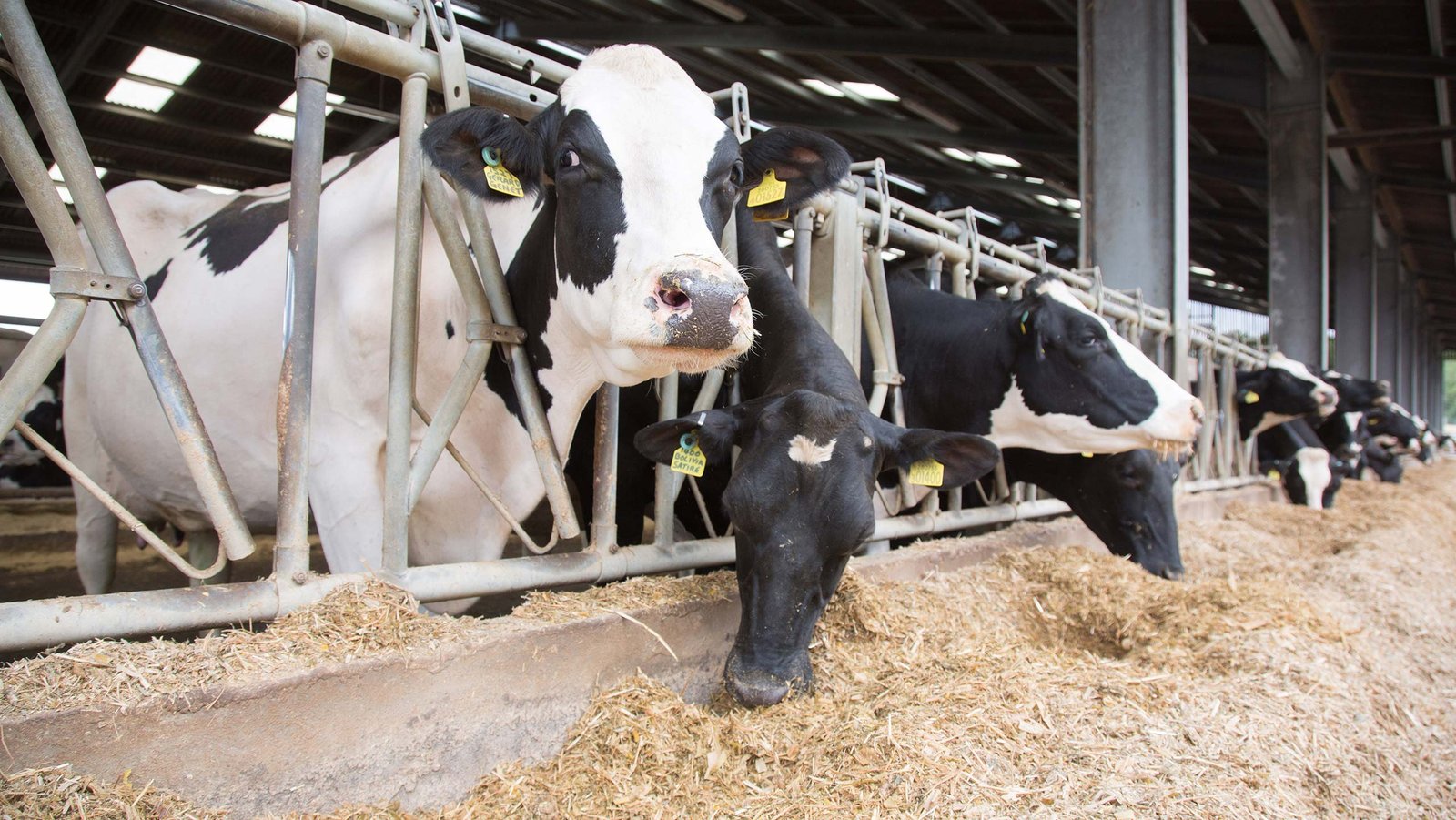
The United Kingdom’s long-running battle to eliminate bovine tuberculosis (TB) in cattle is facing fresh scrutiny, as scientists warn that current efforts are unlikely to succeed without a significant increase in urgency and government funding. Controversy has long surrounded the strategy, particularly the use of badger culls to curb the transmission of TB from wildlife to cattle, a measure that has divided farmers, animal welfare groups, and policymakers alike.
The government has committed to ending badger culls by 2029 and shifting toward vaccination, with an ambitious goal of eradicating TB from English cattle herds by 2038. However, a new scientific review has cautioned that the strategy will only work if vaccination of badgers is accelerated and infection control within cattle herds is strengthened.

Professor Sir Charles Godfray, who led the government-commissioned review, highlighted the pressing need for action. “We’re obviously fully aware of the great pressures of the public finances at the moment. Nevertheless, we believe that investment in bovine TB control now will save money in the future,” he said, underlining the potential long-term benefits of proactive measures.
Bovine TB continues to have a devastating impact on British farming and wildlife. Over the past decade alone, 274,000 cattle in England have been compulsorily slaughtered, while more than 230,000 badgers have been culled since 2013. Compensation payments for slaughtered cattle reached almost £23 million last year. High-profile farmers, including television personality Jeremy Clarkson, have publicly shared their struggles, with Clarkson revealing that his farm at Diddly Squat had been affected by TB, leaving him and his staff “absolutely devastated.”
Scientific analysis indicates that while most cattle are infected by other animals within their own herds, the original source of TB is likely to be wildlife or the movement of infected cattle between farms. The switch from culling to vaccination will play a central role in the future strategy, though experts warn that implementing mass badger vaccination presents logistical and economic challenges. Professor Godfray explained: “Considerable effort will be required to scale up vaccination, so that it becomes viable, both economically and logistically.”
Alongside badger vaccination, improving biosecurity and testing to reduce cattle-to-cattle transmission remains critical. Hopes are now pinned on a cattle vaccine currently under evaluation by government veterinary regulators. Professor James Wood of the University of Cambridge, who also contributed to the review, stressed the potential impact of such a vaccine. “This is a very exciting advance, but we feel that greater urgency could be applied here. Cattle vaccination presents huge opportunities for protecting cattle and reducing transmission in herds,” he said.

Farming Minister Daniel Zeichner affirmed the government’s commitment to eradicating the disease, noting the scale of investment already made. “The government is determined to eradicate bovine TB—a devastating disease that destroys too many farmers’ livelihoods and has led to the culling of thousands of badgers. Following a record year for badger vaccination in 2024, a new Badger Vaccinator Field Force will be deployed next year. We are also developing a cattle vaccine and, along with the Scottish and Welsh governments, have invested over £40 million into vaccine-related research,” he said.
The government has confirmed it will consider the review’s findings, with a revised national strategy for eradicating bovine TB expected next year. Experts and farming communities alike will be watching closely, as the balance between wildlife protection, farming livelihoods, and public spending remains a delicate and contentious issue.
Related News:
 The Ketamine Crisis in the UK is a Silent Epidemic Leaving Users with Lifelong Pain
 Wethersfield Controversy Deepens as Asylum Seeker Numbers Set to Surge by 50%
 Prince Harry Cleared of Bullying Allegations Amid Charity Dispute Fallout
 Woman Warned She Might Need Leg Amputation to Survive After Liquid Brazilian Butt Lift
 Heartbreak in the New Forest as Shetland Ponies Vanish, Community on Edge
 Russell T Davies Warns of Declining UK Gay Rights Amid Rise of Reform UK and Trump Influence
 Alarming rise in abusive teen relationships in the UK sparks urgent warnings
 Inquest Finds Agency Worker Failings Led to Unlawful Death of Vulnerable 14-Year-Old
 Shocking Rise in Children’s Exposure to Violent Online Pornography Raises Alarm
 EuroMillions Record-Breaking £210m Jackpot Won by Lucky Lottery Ticket Holder
 Human Remains Discovered in Lancashire May Be Those of Children, Police Say
 Akinwale Arobieke Found Dead at Liverpool Home
 Why E-Bikes and E-Scooters Are Making Streets a ‘Nightmare’ for Blind People
 Millions of UK Phones to Receive Nationwide Emergency Alert Test on Sunday
 UK Retail Sales Rise in August, but Tax Concerns Loom Over Festive Period
 Norfolk Hospital Ranked Worst in England as NHS League Tables Return
 Britain’s Butterfly Numbers Rebound but Remain Average
 More Than Half of UK Births Now Involve Medical Intervention
 Oxford Union Condemns President-Elect’s Comments Following Charlie Kirk Shooting
 UK Wage Growth Remains High, But Cost of Living Pressures Bite
 UK Doctors Guilty of Sexual Misconduct Continue Practising Amid Weak Sanctions, Research Finds
 Corbyn and Sultana Clash Over Membership Portal as Divisions Surface in New Leftwing Party
Zarah Sultana Seeks Legal Action After Bitter Clash with Jeremy Corbyn Over Party Membership Funds
Corbyn and Sultana Clash Over Membership Portal as Divisions Surface in New Leftwing Party
Zarah Sultana Seeks Legal Action After Bitter Clash with Jeremy Corbyn Over Party Membership Funds
 Dagenham Left in Limbo After Smithfield and Billingsgate Market Relocation Cancelled
 Ministers Consider Granting Mayors Oversight of Schools and Hospitals in Major Devolution Push
 Heavy Drinkers Lead Growth in Non-Alcoholic and Low-Alcohol Market
 Patricia Crowther, Known as UK’s Oldest Witch, Dies Aged 97
 Starmer Unveils Plan for NHS “Online Hospital” to Tackle Waiting Lists
 A Third of EU Citizens in UK Report Discrimination by Public Bodies Post-Brexit
 Marks & Spencer Staff to Work on Boxing Day for First Time in Five Years Amid Cost-Cutting Measures
 UK households brace for October benefit payments and rising energy costs amid cost-of-living pressures
 Jilly Cooper: The Bonkbuster Queen Who Redefined Romantic Fiction
 Celebrity Traitors First Look: A Star-Studded Highland Adventure That Hooks from the Start
 Majority of UK Men Would Opt for Prostate Cancer Screening, Survey Finds
 Ambulance Worker Fired After Flinging Amputee from Wheelchair and Offering Bribe
 Women Challenge Meta Over Targeted Ads After Miscarriage
 Mum’s Final Wish: Donating Her Body to Science
 UK Woman Becomes Longest Survivor of Heart-Lung Transplant
£18 Prostate Cancer Test Could Save Thousands of Lives
UK Woman Becomes Longest Survivor of Heart-Lung Transplant
£18 Prostate Cancer Test Could Save Thousands of Lives
 Pregnant Women in England Face Rising Risk of Severe Birth Injury
 One in 12 Secondary Pupils Sent to Isolation Weekly
 Lotto result jackpot draw halted due to technical glitch
 UK Health Leaders Push for Urgent Tobacco & Vape Bill
 Prince Andrew May Leave Royal Lodge for Frogmore Cottage
 King Charles Heckled Over Prince Andrew-Epstein Links
 Prunella Scales: From Fawlty Towers Icon to Beloved Canal Explorer
 Hospice Cuts Raise Alarm Across England Amid Funding Crisis
 UK Woman Loses Child Benefit After Booking Flight She Never Took
 UK launches search for first-ever ‘town of culture’ to highlight overlooked areas
 Mass Stabbing on Doncaster to London Train Leaves Ten Injured
 Children to Learn Local History in Major Curriculum Overhaul
 Experts Warn on Home Birth Risks, Call for Skilled Midwives
 The Lowry Hotel: Manchester’s Iconic Five-Star Retreat
 Prince William Plants Trees with Brazil’s Nature Heroes
 Greta Thunberg Backs Student Facing UK Visa Revocation
 Oprah enjoys Meghan’s jam on English muffins
 Newcastle United Lifts Ban on Fan Over Gender-Critical Views
 Jailed UK climate protesters face extremist-style restrictions
 Boris Johnson accused of undermining BBC leadership
 How to get help when a child goes missing – call 999 urgently
 ‘Reckless’ cuts to victims’ services will cost more than they save
 UK toy market enjoys bumper year as ‘kidults’ fuel demand
 Politics latest: Starmer ‘will fight any leadership coup’ as Streeting denies attempt to oust Labour PM
 Son Reveals UK Couple in Iran Resort to Hunger Strike for Help
 New weather warning issued with risk of flooding
 UK Asylum Overhaul Sparks Debate Over Human Rights and Deportations
 Mum Calls for New Licence Rules After Teen Road Death
 £1 Breakfast Club Brings Parents Together in Sheffield
 Mother Watches in Horror as Teen Daughter Dies on Tracks
 ‘Traumatic Wait’: Northern Ireland Women Face Breast Cancer Delays
 Commuters warned as yellow snow and ice alert hits Northern Ireland
 Kate Forbes: Motherhood Harder Than Politics
 Coffins Now Too Large to Cremate Amid Rising Obesity Crisis
 Labour MP claims devolution bill is ‘blatant discrimination’ against Cornwall
 Planned Palestinian Flag Raising at Belfast City Hall Faces Delay Amid Legal Concerns
 Fibromyalgia Patients Struggle as NHS Fails to Provide Care
 Machynlleth High Street Left Without Christmas Lights
 Search underway for British man overboard off Tenerife
 “Enough is Enough”: Local MP Vows to Fight Rainham Quarry Plans
 Virgin Media Fined £23.8m Over Telecare Safety Failures