Published: 03 October 2026. The English Chronicle Desk. The English Chronicle Online
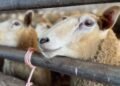
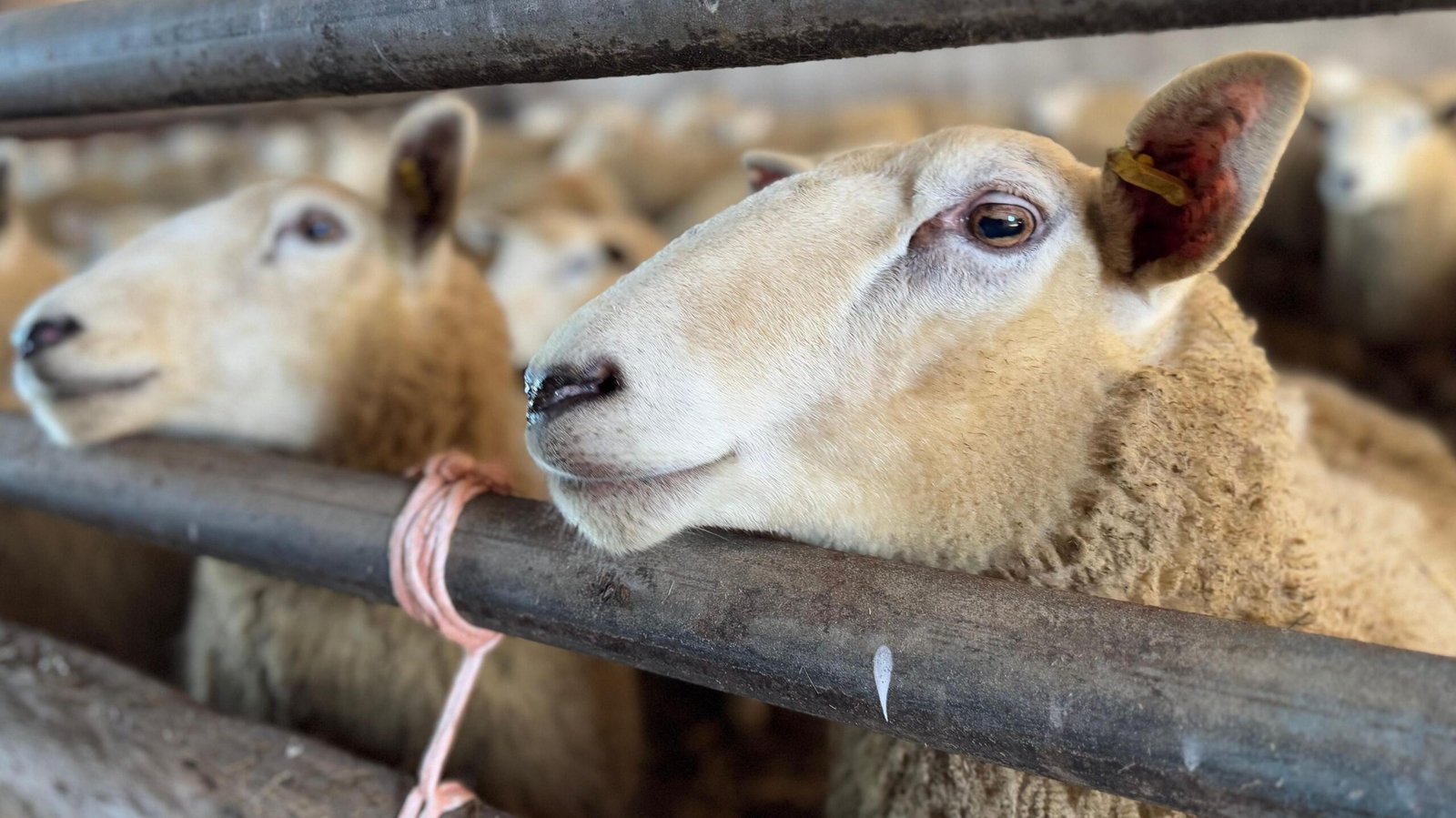
British farmers are facing the country’s most serious bluetongue outbreak on record, with confirmed cases in the current season already exceeding the combined total recorded across the previous three seasons. The rapidly expanding disease has reached livestock farms in Scotland for the first time this summer and has been detected as far north as Aberdeenshire, raising fresh concerns about how changing weather patterns are allowing diseases once associated with warmer regions to establish themselves further north.
Bluetongue is a viral disease that primarily affects ruminants such as sheep and cattle. It is not considered a threat to human health or food safety, but its effects on livestock can be severe. Infected animals may develop fever, ulcers, swelling around the head and mouth, lameness and other debilitating symptoms. In serious cases, animals can die. The condition takes its name from one of its most recognisable symptoms, in which the tongue of an affected animal can become swollen and bluish and, in some cases, protrude from the mouth.
The virus is transmitted by biting midges, tiny insects whose activity is strongly influenced by temperature and environmental conditions. Bluetongue originated in Africa and has progressively expanded into Europe over recent decades. Scientists and international animal-health authorities have increasingly linked the changing distribution of the disease to warmer conditions, which can create more favourable environments for the insects that carry and transmit the virus.

The strain currently causing concern in Britain is bluetongue virus serotype 3, commonly known as BTV-3. The strain was first detected in England in 2023 and has since become an increasingly significant concern for the livestock sector. This year’s outbreak, however, has reached a scale that has placed farmers under considerably greater pressure.
Britain’s current bluetongue season began on 1 July 2026 and will run until 30 June 2027. According to figures recorded by the Department for Environment, Food and Rural Affairs, 2,201 cases had been registered by the beginning of October, including 1,103 cases during September alone. Although the season was only three months old, the total had already surpassed the number of cases recorded during the previous three seasons combined.
The figures also do not represent the total number of individual animals infected. Defra defines a case according to the premises where at least one animal infected with bluetongue is present. This means that a single recorded case can involve more than one affected animal, leaving the actual impact on livestock potentially much greater than the headline number of premises suggests.
For farmers, the outbreak has created another layer of uncertainty at a time when many agricultural businesses are already dealing with difficult financial and environmental conditions. Livestock producers are being encouraged to remain alert for symptoms and to monitor their animals closely, with the National Farmers’ Union warning that constant vigilance has become an important part of managing the disease.
Vaccination remains one of the key measures available to farmers seeking to protect livestock from bluetongue. However, obtaining vaccines has reportedly proved challenging in some areas. Demand for the vaccines has increased as the disease has spread, creating additional logistical pressure for farmers who need to protect their herds and flocks.
The financial and practical burden can be particularly significant for smaller livestock businesses. Farmers must not only arrange vaccination but also monitor animals, respond to suspected infections and potentially provide additional care for livestock that become ill. Those responsibilities require extra labour at a time when many farms are already facing higher operating costs.
The agricultural sector has also been affected by wider climate-related pressures. Drought conditions during the summer have added costs and created additional difficulties for livestock businesses, leaving some farmers to manage bluetongue alongside problems involving feed, water, animal welfare and general farm productivity.
The disease’s movement into Scotland represents another important development in the current outbreak. Bluetongue has now been identified as far north as Aberdeenshire, demonstrating how the geographical range of the disease has expanded. The appearance of cases in northern areas has intensified discussion about whether warmer temperatures are helping the virus and the insects that transmit it to survive in places where conditions were previously less favourable.
Temperature plays a particularly important role in the transmission cycle. Biting midges require suitable environmental conditions to survive and reproduce, while the virus itself needs sufficiently warm conditions to develop within the insects. When temperatures remain high for longer periods, the period during which transmission can occur may also increase.
Scientists and climate analysts have therefore warned that the current outbreak could be an indication of a broader challenge facing Britain’s agricultural sector. Warmer summers and milder winters could allow some pests and pathogens to survive for longer periods or establish themselves in areas that previously offered less suitable conditions.
Tom Cantillon, a senior analyst at the Energy and Climate Intelligence Unit, described the record outbreak as a warning of what could become increasingly common under a warming climate. He argued that changing temperatures could enable pests and pathogens that were previously unable to survive consistently in Britain to establish themselves more easily.
The concerns extend beyond livestock diseases. Britain has already experienced evidence of other insects associated with warmer climates appearing in new environments. Earlier this summer, mosquitoes capable of transmitting diseases including Zika and dengue were reportedly found breeding in homes in east London. Experts have warned that continued warming could increase the possibility of further incursions by invasive mosquito species.
For farmers, however, the immediate concern remains protecting animals and limiting the consequences of the current bluetongue outbreak. The disease cannot spread directly from animal to animal in the same way as many conventional livestock infections. Instead, the movement and activity of infected biting midges play a central role, meaning that weather conditions and insect populations can significantly influence how quickly the disease spreads.
The absence of a direct threat to people does not mean the outbreak has no wider consequences. Livestock diseases can affect farm incomes, animal welfare, veterinary workloads and the stability of agricultural supply chains. Farmers may also face restrictions and additional management requirements when disease is detected, depending on the circumstances and official control measures in place.
The growing geographical range of bluetongue also presents a challenge for preparedness. Areas that have historically experienced little or no exposure to the disease may now need to prepare for outbreaks, while farmers further south may face longer periods of transmission than in previous years.
For the agricultural community, vaccination, surveillance and rapid recognition of symptoms remain important tools for reducing the impact of the disease. But the longer-term challenge is more complicated. If increasingly warm conditions continue to favour the insects responsible for transmission, farmers and authorities may have to adapt to a disease environment that is different from the one they have managed in the past.

The current outbreak has therefore become more than a livestock-health issue. It is also an illustration of the pressures that a changing climate can place on rural communities and food production. While farmers can take practical steps to protect their animals, the environmental conditions that influence the spread of diseases such as bluetongue are shaped by broader changes in temperature and weather.
As Britain moves deeper into the 2026-27 bluetongue season, farmers are likely to remain under pressure to monitor their livestock closely and secure appropriate protection. The continuing spread into northern parts of the country has made the issue increasingly visible, while the record number of reported premises has underlined the scale of the challenge.
For the livestock sector, the outbreak is a reminder that climate change is not only about distant environmental consequences. Its effects can also appear directly on farms, in animal health, working conditions and business costs. The experience of Britain’s farmers this year suggests that preparing for climate-related agricultural diseases may become an increasingly important part of protecting both livestock and rural livelihoods.
Related News:
 UK Schools Struggle as Classrooms Top 40C
 London Tube Heat Reaches Dangerous Levels
 Hospice Cuts Raise Alarm Across England Amid Funding Crisis
 Celebrities and Charities Demand UK Government Act on Child Poverty
 Experts Warn on Home Birth Risks, Call for Skilled Midwives
 Patients to Test Health at Home to Ease NHS Winter Pressure
 London’s Childlessness Crisis: Schools Closing as Families Shrink
 North Sea oil workers must lose weight or face job loss
 Shouting Works Best to Deter Gulls, UK Study Finds
 Reeves rejects £1bn plea for NHS redundancy payouts
 Leading doctors issue warning amid ‘bad’ flu season
 Stroke Patient Mistaken for Drunk, Care Delayed
 ‘Traumatic Wait’: Northern Ireland Women Face Breast Cancer Delays
 Welsh Government Christmas 2020 Lockdown Criticised
 Coffins Now Too Large to Cremate Amid Rising Obesity Crisis
 NHS paediatric leave parents waiting months for answers
 Five-Year-Old Dies After Rare Tonsil Surgery Complication
 Fibromyalgia Patients Struggle as NHS Fails to Provide Care
 More Patients Now Contacting GPs Online, Data Shows
 People in England’s Poorest Areas Face Higher Lung Health Emergencies
 Children to Receive Home Vaccines as England Acts
 UK Enforces Junk Food Ad Ban Before 9pm
 Patients Collapsing in NHS Corridors, Watchdog Warns
 NHS Violence Crisis: Staff Face Daily Assaults
 NHS corridor care crisis sparks fears over patient safety
 Jess’s Rule Urges GPs to Rethink Persistent Symptoms
 Small risk warning raised over weight-loss jabs in UK review
 Pneumonia Surge Pushes England Emergency Cases Higher
 Streeting moves on doctor pay to end strike dispute
 UK reports baby formula toxin poisoning cases across the country
 Children of Close-Relative Parents Face Higher Mortality Risk in England
 Aberdeen Chosen for GB Energy HQ at Marischal Square
 Campaign Demands NHS Action on Placenta Accreta Diagnosis
 Placenta Accreta Warning as Hunt Urges Action
 Half of Britons Avoid GP When Ill, Survey Reveals Growing Concern
 NHS Maternity Units Cover Up Harmful Childbirth Errors
 Drop in Overseas Workers Sparks ‘Car Crash’ for UK Hospitals
 Weight-loss drugs may transform heart attack recovery
 Cancer Death Rate in Britain Falls by Nearly a Third
 UK Patients Face Long Journeys as Pharmacies Cut Hours
 UK Biobank Health Data Leaks Raise Privacy Concerns
 NHS Plans to Cut Overseas Workers Labeled Overambitious
 UK Energy Reform Could Cut Bills by £200
 Palantir Boss Defends NHS Deal Amid Government Break Clause
 Unions Raise Concerns Over Doctors’ Pay Dispute
 Wes Streeting Accuses Doctors of Torpedoing Pay Deal
 Private Profits From NHS Contracts Spark Urgent National Debate
 Crisis in NHS Surgery Scheduling Hits Patients Hard
 NHS Safety Fears as Nurses Cover Doctor Gaps
 Crackdown Backfires on UK Climate Protesters
 New Scan Offers Hope for Faster Endometriosis Diagnosis
 New AI Tool To Target Obesity Risk And Transform NHS Care
 Barrister Criticises Trial After Suicide Case Verdict
 Tractor Breakdown Tests Lincolnshire Farmers
 NHS Drug Deal Faces Legal Threat Over US Trade Agreement
 NHS Staffing Crisis Reaches Dangerous Levels
 Empowering the Elderly or Shifting the Blame to Individuals?
 UK Faces Mass Water Shortages by 2055, Lords Warn
 Pope Meets Families in Italy Toxic Waste Zone
 Record Spending Highlights Growing Crisis In National Health Service
 Clean Air Initiatives Spark Major Fall in London Hospital Admissions
 Labour MP Revives Blocked Assisted Dying Bill in Commons
 Mortuary Crisis Exposed at Scandal-Hit NHS Trust
 The Hidden Revival of a Fatal Infection on British Soil
 NHS Urges Investigation For Irregular Periods
 UK Heatwaves Ignite Crisis of Sleep and Public Safety
 Trump Immigration Cuts Threaten US Caregiver Stability
 Three-Quarters of England’s Riverbanks Still Off Limits
 Burnham unveils £65m drought aid for farmers
 UK Subsidence Claims Surge After Record-Breaking Summer
 Disabled Travellers Seek Fairer UK Care Rules
 NHS Breast Care Review Finds Serious Patient Harm
 Headteachers Warn New Ofsted System Is Harming Wellbeing
 GP List Policy Risks Cutting Off Vulnerable Patients
 NHS ADHD and Autism Assessment Delays Deepen
 Drones Could Speed Up Defibrillator Delivery
 Most Popular UK Hybrids Miss Rapid Charging
 Europe’s Record Heat Summer Signals Climate Risks
 Berlin App Helps Residents Protect City Trees
 Polanski Says Leadership Not Tied to By-election Result