Published: 16 October 2025. The English Chronicle Desk. The English Chronicle Online.
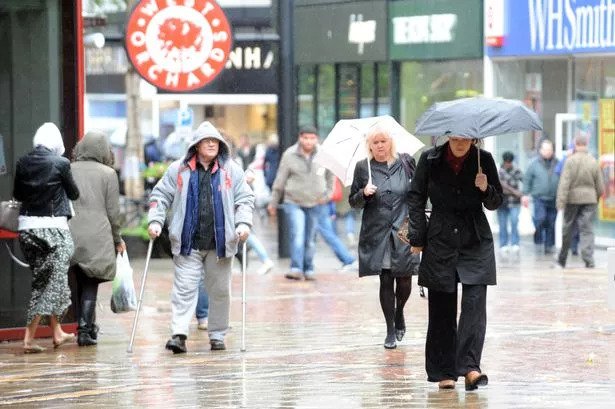
The United Kingdom has been shrouded in grey skies for days, with little sign of sunshine breaking through. Many across the country have been wondering what exactly is causing the seemingly endless dullness this autumn. Meteorologists say the culprit is a weather pattern known as “anticyclonic gloom” — a phenomenon that may sound obscure, but is in fact a familiar part of Britain’s seasonal climate story.
Anticyclonic gloom occurs when a high-pressure system, or anticyclone, becomes stationary over the UK. Unlike low-pressure systems, which bring wind and rain, high pressure tends to bring calm and dry conditions. But in autumn, when the sun’s energy weakens and the days grow shorter, this same calmness can create a blanket of low cloud that lingers stubbornly over the landscape.

According to the Met Office, the science behind it is simple yet fascinating. During high pressure, air from the upper atmosphere sinks down toward the ground. As it descends, it warms slightly, creating a stable layer that prevents air near the surface from rising. This traps moisture, haze, and pollutants in the lower atmosphere, forming the persistent grey cloud that has defined the past week.
In summer, the sun’s heat is often strong enough to break up these low clouds, allowing for clear skies by afternoon. But in October, the sunlight is too weak to have the same effect. Without that lift — and with almost no wind to stir the air — the moisture and haze remain trapped. The result is what meteorologists call anticyclonic gloom: a widespread greyness that can feel endless and oppressive.
Dr Helen Roberts of the Met Office described it as “a paradox of weather.” She explained that the very stability people associate with good weather in summer can lead to dreary, sunless days in autumn. “High pressure brings calm conditions, but at this time of year it also means cloud and mist that simply refuse to clear,” she said.
The still air under an anticyclone also causes another problem — pollution. With little vertical movement in the atmosphere, traffic emissions, smoke, and other pollutants accumulate near the surface, sometimes resulting in hazy or foggy conditions. This trapping effect has been linked to poor air quality events in several UK cities over the years. One of the most tragic examples was the Great Smog of 1952, when a high-pressure system over London combined with heavy coal burning to create a deadly blanket of toxic fog that claimed thousands of lives.
Thankfully, such extreme events are now a thing of the past thanks to modern environmental policies. Yet even today, the same atmospheric mechanics can cause temporary spikes in air pollution, particularly in large urban centres like London, Birmingham, and Manchester. The Department for Environment, Food and Rural Affairs (Defra) has already noted higher-than-average pollution readings this week due to stagnant air.
While the gloom has been widespread, not every part of the country has been equally affected. In fact, those living in higher elevations have been treated to a completely different view. The Pennines, the Scottish Highlands, and parts of Snowdonia have experienced bright, crystal-clear skies above the cloud layer. The Met Office reported that humidity levels in some of these elevated areas dropped to as low as four per cent earlier in the week — extraordinarily dry conditions for this time of year.
People living in these regions have been sharing spectacular photographs online, capturing a surreal contrast between the radiant sunshine above and the thick grey sea of cloud below. For those stuck under the gloom, however, social media has been filled with less cheerful comments — many describing the weather as “endless twilight” or “permanent morning.”
The long spell of overcast weather is also taking a psychological toll. Health experts warn that extended periods of low light can contribute to Seasonal Affective Disorder, a type of depression linked to seasonal changes. Dr Rebecca Huntley, a psychologist from the University of Leeds, said the lack of sunlight affects both mood and energy levels. “Our bodies rely on daylight to regulate serotonin and maintain healthy sleep patterns,” she said. “When the days remain dark and dull, people often feel more tired, less motivated, and emotionally flat.”
She advises people to make a conscious effort to get outside during the brightest parts of the day, even if the sky looks grey. “There’s still plenty of light reaching the surface — far more than what you get indoors. A lunchtime walk can really help.”
For those longing for sunshine, meteorologists do have some cautiously optimistic news. The high-pressure system currently responsible for the gloom is expected to shift eastward into the North Sea over the coming weekend. As it moves, southerly winds are forecast to return, bringing slightly milder air and, crucially, more movement in the atmosphere. That means some of the stubborn low clouds could finally begin to break up.
Friday may bring the first glimpses of sunshine for parts of southern England, western Wales, and northern Scotland, while other regions might have to wait until the weekend. By Saturday, most of the UK will remain largely dry, but with occasional bright spells breaking through the cloud in some areas.
Meteorologist Craig Snell from the Met Office explained that while the return of wind and rain might sound unappealing, it could actually lift the nation’s mood. “The irony is that a bit of bad weather could be exactly what’s needed to break this cycle of dullness,” he said. “The next Atlantic front will stir things up, clear the haze, and let us see some proper daylight again.”

That change could arrive by Sunday, as wetter and windier weather begins to push in from the west. It will likely signal the end of the current high-pressure dominance and usher in a more typical October pattern — alternating periods of rain, sunshine, and brisk winds.
For now, however, most of the UK remains under the spell of anticyclonic gloom — a reminder of how the nation’s famously unpredictable climate can surprise even in its stillness. The phenomenon is a natural part of Britain’s atmospheric rhythm, but its impact is undeniably psychological as much as meteorological.
In the words of one weather forecaster, “We may not be able to change the sky, but we can take comfort in knowing it won’t last forever. The sun is still there — just hidden behind the cloud, waiting for its turn again.”
Related News:
 A Delicate Dance of Sunshine and Storms: UK’s Summer Forecast Holds Mixed Fortunes for Holidaymakers
 Concerns Mount Over Accuracy of At-Home Health Tests as Study Calls for Stricter Regulation
 NHS Under Pressure: Waiting Times Soar as Staffing Crisis Deepens
 The Ketamine Crisis in the UK is a Silent Epidemic Leaving Users with Lifelong Pain
 UK Launches World-First Gonorrhoea Vaccine Amid Record Infection Surge
 Storm Floris Slams the UK,‘Danger to Life’ Warnings as Ferocious 90mph Winds Cause Chaos Nationwide
 Woman Warned She Might Need Leg Amputation to Survive After Liquid Brazilian Butt Lift
 AI Tools Used by English Councils Found to Downplay Women’s Health Issues, Raising Concerns Over Gender Bias in Care
 Fire Contained at Edinburgh’s Arthur’s Seat After Overnight Battle by Firefighters
 England Braces for Prolonged Dry Spell as National Drought Group Urges Urgent Water-Saving Measures
 Cats Develop Dementia Similarly to Humans, Study Finds
 Appalling Rise in Pharmacy Crimes: Staff Face Increasing Theft and Aggression
 Alarming rise in abusive teen relationships in the UK sparks urgent warnings
 Learner Drivers to Face CPR and Defibrillator Questions in New Theory Tests
 UK Heatwave Continues with Temperatures Soaring, Thunderstorms Forecast Across the Country
 Inquest Finds Agency Worker Failings Led to Unlawful Death of Vulnerable 14-Year-Old
 UK Patients Face Steep Price Rise for Weight-Loss Drug Mounjaro
 UK Weather: Heat Alerts Extended as Temperatures Set to Reach 30°C This Weekend
 Shocking Rise in Children’s Exposure to Violent Online Pornography Raises Alarm
 K Braced for 600-Mile Rainstorm with Eight Counties Set to Escape Downpours
 Baby Food Manufacturers Given 18 Months to Improve Nutrition and Labelling
 UK Rocked by Two Earthquakes in Three Hours as Tremors Strike Cumbria and Iconic Welsh Landmark
 Why E-Bikes and E-Scooters Are Making Streets a ‘Nightmare’ for Blind People
 Millions in the UK at Higher Risk of Heart Failure and Stroke Due to Air Pollution, Study Warns
 Norfolk Hospital Ranked Worst in England as NHS League Tables Return
 NHS Trials £100 Blood Test That Could Revolutionise Alzheimer’s Diagnosis
 More Than Half of UK Births Now Involve Medical Intervention
 UK Graduates in Healthcare Report Highest Satisfaction with Degree Choices
 NHS ‘Toxic Culture’ Risks Harm to Mothers and Babies, Health Leader Warns
 Systemic Racism in Maternity Care Continues to Endanger Black Women in England, MPs Warn
 One in Three GPs in England Do Not Work in NHS, Raising Concerns Over Access to Care
UK Doctors Guilty of Sexual Misconduct Continue Practising Amid Weak Sanctions, Research Finds
One in Three GPs in England Do Not Work in NHS, Raising Concerns Over Access to Care
UK Doctors Guilty of Sexual Misconduct Continue Practising Amid Weak Sanctions, Research Finds
 Private Psychology Costs Surge in UK as Practitioners Turn Away Clients Amid Record Demand
 Heavy Drinkers Lead Growth in Non-Alcoholic and Low-Alcohol Market
 Omeprazole Alert: NHS Issues Guidance on Safe Use for Heartburn and Indigestion
 Starmer Unveils Plan for NHS “Online Hospital” to Tackle Waiting Lists
 Tragic Death Strikes Half-Marathon in Stoke-on-Trent: Runner Dies Shortly After Crossing Finish Line
 Call to Allow ‘Safe and Effective’ At-Home Abortions Up to 12 Weeks in the UK
 Storm Amy set to disrupt travel across UK with winds reaching 95mph
 Storm Amy Ravages UK: Fatalities, Widespread Travel Chaos, and Power Outages
 Questions Remain as Rugby Legend Lewis Moody Faces Motor Neurone Disease Diagnosis
 Eligibility Confusion Over COVID Vaccination Leaves Pharmacies Struggling Across the UK
 Majority of UK Men Would Opt for Prostate Cancer Screening, Survey Finds
 Scientists Announce First Potentially Accurate Blood Test for Chronic Fatigue Syndrome
 NHS Facilities Staff Vote to Strike Over Pay Discrimination
 Survey Shows Most GPs Rushing Appointments
 Ambulance Worker Fired After Flinging Amputee from Wheelchair and Offering Bribe
 Women Challenge Meta Over Targeted Ads After Miscarriage
 Mum’s Final Wish: Donating Her Body to Science
 Genetic Tests May Predict Return of Blood Cancer
 UK Woman Becomes Longest Survivor of Heart-Lung Transplant
£18 Prostate Cancer Test Could Save Thousands of Lives
UK Woman Becomes Longest Survivor of Heart-Lung Transplant
£18 Prostate Cancer Test Could Save Thousands of Lives
 Thousands in the UK sue Johnson & Johnson over alleged talcum powder, linked to cancer
 Pregnant Women in England Face Rising Risk of Severe Birth Injury
 ‘Game-Changing’ HIV Prevention Jab Set for NHS Approval
 Hermer to face questions on alleged China spy case intervention
 One in 12 Secondary Pupils Sent to Isolation Weekly
 UK Health Leaders Push for Urgent Tobacco & Vape Bill
 Man Trapped in Quicksand Rescued in Dramatic Coastal Rescue
 Hospice Cuts Raise Alarm Across England Amid Funding Crisis
 Celebrities and Charities Demand UK Government Act on Child Poverty
 Experts Warn on Home Birth Risks, Call for Skilled Midwives
 Experts Urge Legal Right to Timely Cancer Care
 London’s Childlessness Crisis: Schools Closing as Families Shrink
 North Sea oil workers must lose weight or face job loss
 Crisis charity to become landlord amid UK housing emergency
 Leading doctors issue warning amid ‘bad’ flu season
 New weather warning issued with risk of flooding
 Cold Snap Brings Snow Risk as Flood Recovery Continues
 UK launches major AI drive to fight deadly superbugs
 ‘Traumatic Wait’: Northern Ireland Women Face Breast Cancer Delays
 Commuters warned as yellow snow and ice alert hits Northern Ireland
 Welsh Government Christmas 2020 Lockdown Criticised
 Coffins Now Too Large to Cremate Amid Rising Obesity Crisis
 NHS paediatric leave parents waiting months for answers
 Catherine urges end to stigma around addiction
 Delhi’s Toxic Air Crisis Leaves Children Sick and Vulnerable
 Fibromyalgia Patients Struggle as NHS Fails to Provide Care
 “Enough is Enough”: Local MP Vows to Fight Rainham Quarry Plans
 GPs Failing Frail Elderly: Only 1 in 6 Assessed – NAO