Published: 12 November 2025. The English Chronicle Desk. The English Chronicle Online
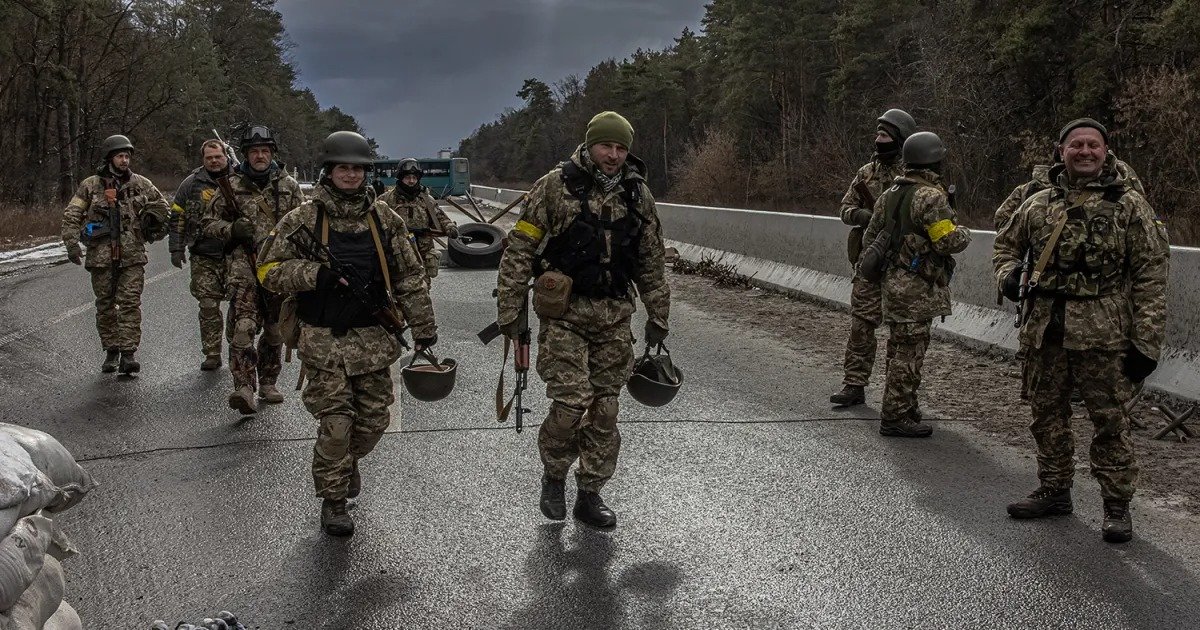
Ukrainian forces have been forced to withdraw from several key positions in the southern Zaporizhzhia region, as Russia’s military continues to exploit adverse weather conditions to make tactical gains. The situation, officials say, is dynamic and evolving rapidly, with both sides engaged in intense fighting that has seen villages change hands multiple times over the past week.
Vladyslav Voloshyn, spokesperson for Ukraine’s Southern Defense Forces, told public broadcaster Suspilne that Ukrainian troops had “completely withdrawn” from the villages of Uspenivka and Novomykolaivka. He described the fighting as “very fierce” and stressed that operations in other areas, such as Yablukove, remain ongoing. “The defensive operation is ongoing, and the contact line remains dynamic,” he said, highlighting the fluidity and unpredictability of the front line.
Voloshyn added that the withdrawal was a tactical decision, aimed at preserving forces and regrouping to strengthen defensive positions further inland. “We are not abandoning our strategy or the broader defense of the region,” he said. “This is about maintaining the effectiveness of our forces under extremely challenging conditions.”

Weather conditions have played a significant role in recent operations. Reports indicate that heavy rainfall, strong winds, and low visibility have hampered Ukrainian reconnaissance capabilities, particularly the deployment of drones and other surveillance systems. Russian troops have reportedly taken advantage of this reduced visibility to move in small units, on foot or motorcycles, and carry out targeted advances. Analysts suggest that such small-unit manoeuvres allow Russian forces to probe Ukrainian defences while minimising exposure to long-range artillery or air strikes.
The withdrawal from Uspenivka and Novomykolaivka marks a setback for Kyiv in its ongoing effort to maintain a defensive line along the southern Zaporizhzhia corridor, a strategically significant region linking central Ukraine with the contested territories in the east and the Crimean Peninsula. Control of this area is crucial not only for military operations but also for logistics and the movement of supplies. Losing ground here could have ripple effects on Ukrainian defensive operations further north and east.
Military experts have also highlighted that adverse weather can impact troop morale, equipment functionality, and the speed of reinforcement movements. Tanks and heavy artillery are particularly vulnerable to muddy terrain, while infantry movements can be slowed, affecting the ability to respond to enemy maneuvers. For both Ukrainian and Russian forces, commanders must balance aggressive tactics with the realities imposed by the weather.
Meanwhile, the Ukrainian government faces internal challenges alongside the military situation. On Wednesday, Ukraine’s Prime Minister Yuliia Svyrydenko announced the suspension of German Galushchenko, the country’s justice minister, amid an ongoing investigation into corruption within the energy sector. The Prime Minister described the suspension as the result of an “extraordinary session of the government,” signalling the seriousness of the allegations and the urgency with which the government is addressing them.
Galushchenko, who previously served as energy minister, was reportedly the subject of investigative actions carried out by Ukrainian authorities on Tuesday. While officials have not confirmed whether the investigation is directly related to the energy corruption case, it underscores broader concerns about accountability and governance during a period of national crisis. Analysts note that maintaining internal political stability is as critical for Ukraine as its military operations, given that corruption scandals can undermine public confidence and weaken international support.
In terms of military strategy, Ukrainian forces appear to be recalibrating their defensive posture, focusing on fortifying positions that are less vulnerable to weather-related tactical disadvantages. Defense analysts suggest that this approach reflects lessons learned from previous engagements, where rapid withdrawals and repositioning have allowed Kyiv to preserve operational capacity despite localized losses. “It’s a delicate balance between holding territory and preserving fighting strength,” said one analyst familiar with the southern front.
Russia’s strategy, by contrast, appears to be leveraging both the terrain and meteorological conditions to incrementally wear down Ukrainian positions. The use of smaller, mobile units allows for flexible and opportunistic advances, which can be particularly effective when conventional reconnaissance and surveillance are impeded. This tactic has been used in other theatres of the conflict, demonstrating Moscow’s willingness to adapt to environmental conditions in order to maintain operational momentum.
Local civilians in the affected areas continue to face significant hardships. Many have been forced to evacuate their homes, while those who remain contend with power outages, limited access to clean water, and disrupted supply lines. Humanitarian organisations have expressed concern over the increasing number of displaced persons and the risks posed by ongoing shelling and crossfire in these contested regions. Efforts to deliver aid have been hampered by both military activity and poor weather, highlighting the intersection of natural and man-made challenges in the conflict.
International observers have called for restraint and urged both sides to prioritise civilian safety. The United Nations and Red Cross have reiterated their warnings that conflict in densely populated areas, compounded by adverse weather, can rapidly escalate into humanitarian crises. Aid workers report that communities in southern Zaporizhzhia are particularly vulnerable, with limited access to medical care and essential services.

While the situation remains precarious, Ukrainian military officials continue to emphasise resilience and determination. Voloshyn stated that despite tactical withdrawals, morale among troops remains high and that reinforcements are being positioned to counter any further Russian advances. “We will continue to defend our territory, and our commitment to Ukraine’s sovereignty is unwavering,” he said.
The international community has been closely monitoring developments, with Western allies reaffirming their support for Ukraine. Diplomatic statements have highlighted the need for both military and political stability, as Kyiv navigates not only the battlefield but also governance challenges at home. Analysts suggest that success in repelling Russian advances will depend on Ukraine’s ability to integrate military strategy with internal reforms and continued support from partner nations.
As the conflict continues into its third year, the situation in southern Zaporizhzhia serves as a microcosm of the broader war — a contest of strategy, endurance, and adaptability under extreme conditions. The interplay of weather, terrain, and tactical innovation underscores the complexity of modern warfare, while the human cost remains high for both soldiers and civilians. Observers note that in the coming weeks, developments in this region could have significant implications for the trajectory of the war, influencing both military momentum and diplomatic negotiations.
Related News:
 UK University Faces Counter-Terror Probe Over China Pressure
 Second world war veterans honoured as King leads Remembrance Sunday
 New Epstein Files Spark Political Clash in Washington
 Ukraine Energy Corruption Scandal Hits Zelensky’s Inner Circle
 Greene Pushes Epstein Files Amid Trump Fallout
 UN Security Council Approves Trump’s Gaza Peace Plan
 WhatsApp Messages Expose Nathan Gill’s Bribery
 Venezuela Threatens Nobel Winner Machado with Fugitive Status
 Trump Envoy to Discuss Ukraine Peace at Kremlin
 Video shows Israeli troops kill Palestinians after surrender
 Guinea-Bissau President Flees After Military Coup
 Channel Crossings Surge: Over 1,000 People Arrive in the UK in Small Boats in a Single Day
 Jailed Georgian Opposition Leaders Warn UK of Iranian Links to Ruling Party
 Kosovo agrees to host Britain’s refused asylum seekers
 British Woman in Iran ‘Losing Hope’ Amid Ongoing Detention
 BBC Journalist Held and Interrogated in Vietnam
 FBI Director Kash Patel Defends Girlfriend Amid Government Jet Claims
 UK University Suspends Human Rights Research Following Pressure from China
 Trump Speaks on Prince Andrew’s Royal Scandal Fallout
 French Taxi Driver Cleared in David Lammy Theft Case After Fare Dispute
 Abigail Spanberger Elected Virginia’s First Female Governor
 Mikie Sherrill Elected New Jersey’s Governor in Key Win
 Just Stop Oil Protesters Convicted Amid Climate Defence Row
China-critical UK academics face ‘extremely heavy’ pressure from Beijing
Just Stop Oil Protesters Convicted Amid Climate Defence Row
China-critical UK academics face ‘extremely heavy’ pressure from Beijing
 British military receives first Ajax armoured vehicles – eight years late
 Met Police Culture Makes Racial Harm ‘Inevitable’
 British Grandmother to Return Home After Death Sentence in Bali
 Eleven Arrested After Pro-Palestine Protest at Villa Match
 Boris Johnson accused of undermining BBC leadership
 Remaining rebel Labour MPs have whip restored
 BBC to Apologise Over Edited Trump Speech Amid Backlash
 Britain deploys RAF specialists to assist Belgium with drone threats
 ‘Reckless’ cuts to victims’ services will cost more than they save
 BBC director-general and news chief resign amid bias row
 BBC’s Tim Davie to Address Staff Amid Trump $1bn Threat
 BBC Faces Backlash as Reform UK Withdraws from Film
 Trump Claims Victory as Longest Shutdown Ends
 Hamas Fighters in Gaza Tunnels Stall Ceasefire Progress
 New review urges UK to repatriate Shamima Begum, others from Syria
 Hasina Rejects Allegations Ahead of Bangladesh Tribunal Verdict
 US Justice Department Files Lawsuit Against California Over Partisan Voting Maps
 Oklahoma Governor Grants Last-Minute Clemency to Death Row Inmate
 US Pushes Global Effort to Stop Arms Flow to Sudan RSF Forces
 South Sudan President Removes Vice-President Amid Political Uncertainty
 Berlin Reintroduces Military Service Amid Rising Security Concerns
 Israel Confirms Returned Hostage as Meny Godard
 Trump Deploys DHS to Charlotte in Major Arrest Operation
 UK Candidate Moved to Safe House After Election Threats
 Tragedy Strikes Indian Pilgrims in Saudi Bus Accident
 South African Detained After Neo-Nazi Rally in Australia
 Sheikh Hasina Sentenced to Death Over Protest Crackdown
 Why Russian Liberals Push Strongly Pro-Israel Narratives
 Congress Approves Release of Epstein Files, Trump Expected to Sign
 Forgotten War, Shattered Lives: Sexual Violence Devastates Women in Ethiopia
 Rama Rebukes Mahmood for Targeting Albanian Families
 Russian Vessel Used Lasers on RAF Pilots, UK Claims
 Pentagon Officials in Ukraine to Discuss War End
 Trump Signs Bill Releasing Justice Department Files on Epstein
 US Military Team Visits Kyiv Amid War Talks
 Texas Governor Faces Lawsuit From CAIR
 Mamdani’s Vision: Affordable, Democratic Socialism
 Most Tories Expect to Support a Farage-Led Government
 Ex-Classmate Accuses Farage of Dishonesty on Racism Claims
 Twenty-Four Nigerian Schoolgirls Freed After Abduction
 Two National Guard Soldiers Critically Injured Near White House
 Pope Leo XIV Begins Historic Trip to Turkey and Lebanon
 Zambia’s President Faces Stone-Throwing Anger Amid Challenges
 Southern Lebanon reels as Israeli strikes shatter communities
 India’s Labour Law Overhaul Sparks Fierce Debate
Trump to Recheck Green Cards from 19 Nations After DC Attack
India’s Labour Law Overhaul Sparks Fierce Debate
Trump to Recheck Green Cards from 19 Nations After DC Attack
 Carney’s Alberta Pipeline Deal Sparks Immediate Pushback
 Ex-Brexit MEP Rejects Claim of Pro-Russia Payments
 Kidnap Gangs, Jihadists and Separatists Plague Nigeria
 Jordan Bardella: France’s Young Presidential Contender
 Rare shark attack kills woman, injures man at remote NSW beach
 Chinese & Japanese Boats Clash Near Disputed Islands
 Putin Meets US Envoy Amid Key Ukraine Peace Talks
 EU plans $105bn Ukraine aid using frozen Russian assets
 Global campaign launched to free Palestinian leader Barghouti
 UK Aid Cuts Could Undermine Global Influence, Experts Warn