
Published: 19 May 2026. The English Chronicle Desk. The English Chronicle Online
In a “national security” style psychological assault that has put India’s escalating cybercrime crisis into the spotlight, prominent comedian Ankita Shrivastav has detailed her harrowing ordeal at the hands of a highly sophisticated “digital arrest” syndicate. Shrivastav, a well-known face in India’s stand-up and digital content space, is among millions of citizens who have fallen prey to the “nasty” and rapidly spreading FedEx courier scam—an asymmetric form of extortion that weaponizes institutional fear to bleed victims dry.

The elaborate scheme, which began with a routine automated phone call, escalated at a “160 MPH clip” into a multi-day virtual hostage situation. The criminals, impersonating customs officials and high-ranking federal police officers, exploited Shrivastav’s fear of legal ruin to strip away her autonomy and bypass the “bottleneck” of standard digital fraud defenses.
The psychological leverage used by the syndicate relies on a “clinical” and terrifying accusation designed to immediately induce panic.
The MDMA Setup: Shrivastav’s ordeal began when she received an interactive voice response (IVR) call claiming a FedEx package sent in her name from Mumbai to Taiwan had been intercepted. The caller asserted the box contained illegal contraband, including five passports, three credit cards, and 140 grams of MDMA (Ecstasy).
The Identity Theft Mask: When she naturally denied sending the package, the scammers “clinically” turned the tables, claiming her Aadhaar card (national identity) details had been compromised and linked to a transnational narcotics trafficking and money laundering ring.
The Skype Interrogation: To resolve the “crisis,” the fake agent moved her to a Skype video call, connecting her to individuals dressed in flawless, authentic-looking police uniforms operating from a backdrop that precisely mirrored a Mumbai Cyber Crime precinct.
Once the connection was established, the criminals executed an “asymmetric” interrogation tactic known across India as a “digital arrest,” bypassing the victim’s rational judgment through total isolation.
The 35-Hour Surveillance: Shrivastav was placed under strict instructions not to terminate the video call or communicate with family members under the pretext of “national security” and a strict “gag order.” The perpetrators forced her to keep her camera and microphone active at all times, effectively holding her hostage in her own home.
The “Narcotics Test” Humiliation: In an alarming escalation mirrored in similar cases across Bengaluru and Hyderabad, syndicates have used these continuous feeds to force victims into humiliating acts—such as mandatory “physical inspections” or stripping under the guise of an official medical evaluation for drug use.
The Fund Clearance Drain: To “clear” her name from the money laundering aspect of the fake probe, Shrivastav was ordered to empty her bank accounts into a “secure government holding asset” for validation. The criminals promised the funds would be returned within two hours—a “nasty” lie that routinely drains victims of life savings.
As public spaces like the Southbank Centre celebrate 75 years of progressive governance, international regulators are struggling with the “resilience deficit” of public awareness regarding modern cyber-extortion.
The FedEx Disclaimer: In a public fraud alert, FedEx India broke its “clinical silence” to reiterate that the global courier giant never requests personal data or transfers through unsolicited calls. “We do not ask customers to pay money to avoid arrest,” the company stated, urging users to bypass the “bottleneck” of panic and call the official national cybercrime helpline at 1930.
The Scale of Deception: Indian intelligence networks track these syndicates to sophisticated cross-border call centers running at a “160 MPH clip.” The networks rely on psychological profiling, pre-recorded police sirens, and forged Supreme Court arrest warrants to maintain the illusion of state authority.
Justice Has No Expiry Date: While Shrivastav has come forward to break the stigma surrounding these high-pressure scams, law enforcement notes that the “accountability rot” is deep, as stolen funds are converted into untraceable cryptocurrency within minutes of the transfer.

The exploitation of Ankita Shrivastav is a “clinical” warning that no one, regardless of education or public stature, is entirely immune to institutional terror weaponized by professional syndicates.
“We have bypassed the ‘bottleneck’ of simple phishing links; we are now dealing with total psychological warfare,” a digital security consultant remarked. By acknowledging the “nasty” mechanics of the “digital arrest” trap, public advocacy can “clinically” prepare citizens to hang up the phone. For now, the “speechless determination” of survivors speaking out remains the most critical “milestone” in shifting public awareness from blind compliance to healthy, life-saving skepticism.
Related News:
 UK Must Act with Courage and Clarity on Israel-Palestine Conflict, Says Foreign Affairs Committee Report
 Yvette Cooper Signals Global Momentum Towards Gaza Peace Deal Amid Humanitarian Crisis
 Chaos at Ibrox as Martin’s Rangers Era Comes to an End
 Russia’s Latest Push to Win US Favors Shows Deep Desperation
 BBC to Apologise Over Edited Trump Speech Amid Backlash
 Britain deploys RAF specialists to assist Belgium with drone threats
 Trump Urges Herzog to Grant Netanyahu Full Pardon
 Indian authorities demolish Kashmir home linked to Red Fort blast
 Greene Pushes Epstein Files Amid Trump Fallout
 December Run-Off in Chile as Election Produces No Winner
 Zelenskyy Signs Fighter Jet Deal Amid Russian Drone Attacks
 Shadow Fleet at Sea: Europe’s Battle Against Illicit Oil Shipping
 Tiny Curacao Makes History as Smallest Nation to Reach World Cup
 India’s COP30 Delay Raises Global Climate Concerns
 US Suspends Afghan Immigration After White House Shooting
 Georgians Defy Government Crackdown After Year of Protests
 ‘Extinct’ Antelope Returns to Sahara, Bringing Hope
 Sydney Shark Attack Surge Shocks Australia Beaches
 Portugal Election Delivers Socialist Win as Far Right Surges
 Australian Families Leave Syrian Camp for Home
 ‘I Would Scream in My Sleep’: Alawite Women from Syria Tell of Kidnap and Rape
 Epstein Eyed Record Label Investment to Access Women, Files Suggest
 How Do You Modernise Mango Farming? India’s Growers Urged to Innovate as Climate Change Hits
 Ukraine Negotiator Reveals What It Feels Like Facing Russia
 Drugs, Denial, Stigma: Fiji’s HIV Crisis Hits Children
 Hilary Knight speaks out on Trump’s recent hockey remarks
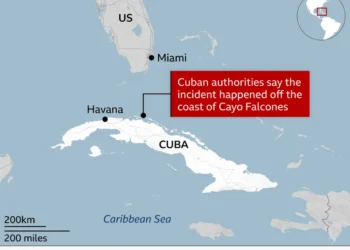 American Citizen Killed in Cuba Boat Shooting, U.S. Officials Say
 Iran’s Regime Still Intact — Coming Days Will Test Its Survival
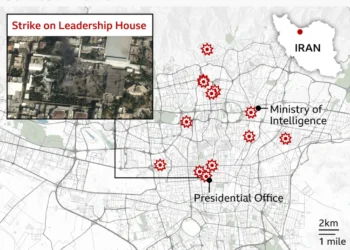 In Maps: Strikes Across Iran and the Middle East
 Brit ‘in Good Spirits’ Amid Dubai Missile Attacks, Stranded but Safe
 Civilian Deaths in Iran Pass 700 Amid Fear of Bombs and Regime Clampdown
 ‘Every Day Feels Like a Month’: Iranians Describe Life Under ‘Constant’ US‑Israeli Strikes
 Petrol Prices Soar as Retailers Accused of Gouging Amid Global Tension
 Penny Wong silent on Australian crew in sub strike
 Finland Plans to Lift Decades‑Old Ban on Hosting Nuclear Weapons
 Minister Meets Crews Who Will ‘Take Out’ Iranian Drones
 Oil Prices Surge Above $100 Amid Iran War
 Nine Days of Strikes Reshape the Middle East
 Trump Pressures Congress Over Save America Act
 Real Estate Brothers Convicted in Sex Trafficking Trial
 Iran War Puts Trump at Political Risk Amid Rising Prices
 Goma Drone Attack Kills Three as Conflict Escalates
 Queensland Protest Laws Spark Free Speech Backlash
 Trump Nato threats expose Iran strategy vacuum
 Trump’s Confidence Undimmed — But Every Iran Option Carries Risk
 Israel Says Iran Security Chief Larijani ‘Killed’
 Australia Imposes Sudden Travel Ban on Iranian Visitors
 Trump Facing Backlash from Epstein Survivors Over Files
 UK Forces Ready to Seize Russian Shadow Fleet Vessels
 Trump Considers Military Operation to Seize Iran’s Uranium
 Net Closes on Lyons Clan: Partner Arrested in Dubai as Crime Boss Snared in Bali
 Chain of Fire: US Bunker Busters Strike Major Iranian Ammo Depot in Isfahan
 ‘The Cost of Living’: Asia’s Migrant Workers Debate if Gulf Jobs are Worth the Risk of War
 Russia: The Unforeseen Winner of the Iran Conflict
 “It Ends With Trial”: Judge Tosses Blake Lively’s Sexual Harassment Claims Against Justin Baldoni
 The Banbridge Rescue: 300 Sheep Saved from Massive Hay Shed Inferno
 Report Says Pezzullo Acted ‘Recklessly’ in Dealings
 Oil and Diplomacy: Russian Refineries Burn as Zelenskyy Secures Middle East Shield
 Electric Shock: Australians Buy Record Number of New EVs as Fuel Crisis Bites
 The Suffocating Silhouette: Why Metal’s Mask Trend is Turning Deadly
 The Great Chokehold: Why the Strait of Hormuz is the Epicenter of the 2026 Crisis
 Moldova River Crisis Exposes War’s Hidden Cost
 Tragedy Strikes Outside Melbourne Comic Con
 The Fog of War and the Ticker Tape: Suspicious Trades Rile Washington
 ‘A Fragile Calm’: Oil Prices Dip as Trump Extends Iran Ceasefire, But Blockade Holds Firm
 Justice and Deceit: High Court Convicts Woman in Hong Kong Blackmail Plot
 “Three-Wheeled Triumph”: Mayor of Erewash Completes 2,000-Mile European Charity Run
 Tragedy in the Red Centre: Outback Search Ends in Discovery of Missing Girl’s Body
 “An Endurance Test for the Mind”: British Couple Sentenced to 10 Years in Tehran
 US to Escort Trapped Ships Through the Strait of Hormuz
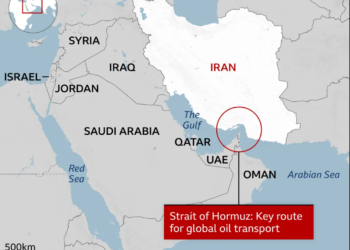 “The Pivot to Pakistan”: Trump Pauses ‘Project Freedom’ in Hormuz Amid Iran Deal Hopes
 “The Digital Frontier”: Scotland’s Papers Grapple with AI Harassment and ‘Mortgage Bottlenecks’
 “The Local Gavel”: Polls Open Across Hampshire and Isle of Wight in Delayed ‘Milestone’ Vote
 “The Blue Light Intersection”: Seventeen-Year-Old Critically Injured in ‘Nasty’ Police Pursuit Crash
 “The Fractured Frontier”: Sir John Curtice Declares the ‘Sacred’ Two-Party Era Over After ‘Milestone’ Results
 US Awaits Iran Reply on New Ceasefire Proposal
 “The End of the Towel War?”: How Hotels are ‘Clinically’ Stopping the Sunbed Dash
 Putin Signals War End as Russian Momentum Stalls
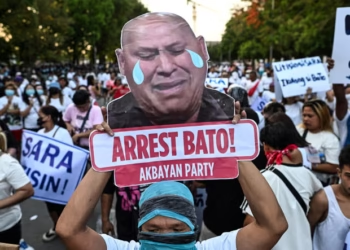 Philippine Senator Flees After Days Under Senate Siege
 High Street Crisis: Fears Grow Over Post Office Closures