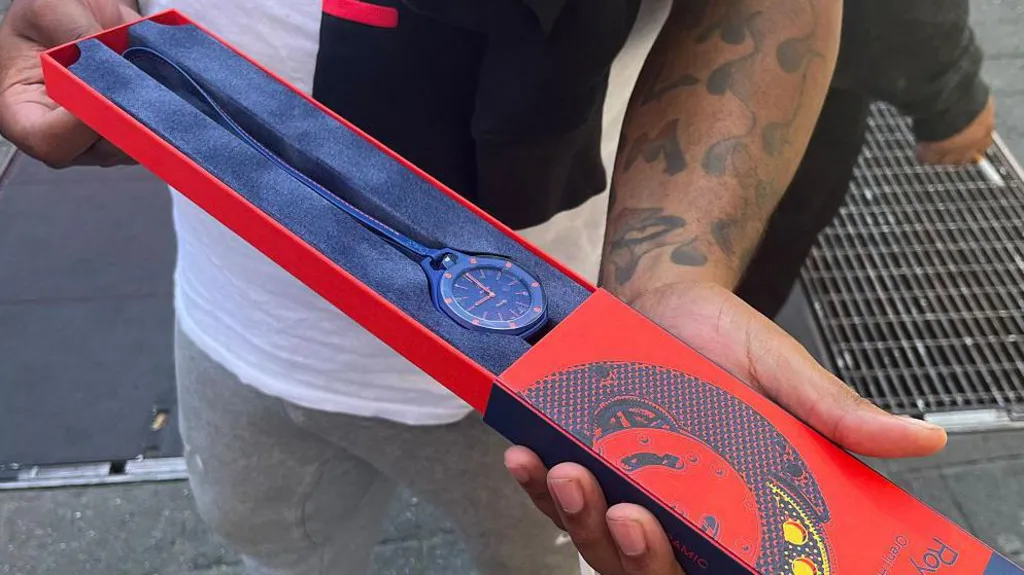

The sheer volume of the excitement stems from a collective “resilience deficit” among consumers who have long been priced out of high-end horology. For decades, the Audemars Piguet Royal Oak, with its iconic octagonal bezel and integrated bracelet, has sat comfortably behind a steep $20,000 “bottleneck” of retail waiting lists and astronomical secondary market markups. The Royal Pop completely bypasses this barrier, offering eight Swiss-made models priced at an accessible $400 to $420. This allows Gen Z hypebeasts and casual fashion enthusiasts to legally buy into the AP universe for the price of a standard pair of designer sneakers. On social media platforms like TikTok and Instagram, the drop is being treated as an absolute goldmine, with collectors realizing that a tiny, budget-friendly Swatch logo now shares real estate with the most prestigious craftsmanship in Le Brassus, effectively “recalibrating” what it means to own a status symbol in 2026.
What makes the Royal Pop so intensely fascinating—and fiercely debated among purists—is its radical rejection of the wrist. Rather than mimicking the traditional geometry of the Royal Oak wristwatch, the collection fuses the avant-garde lines of AP with the modular ingenuity of Swatch’s retro “POP” line from the 1980s. The result is a series of disruptive, 40mm bioceramic pocket watches meant to be worn around the neck, clipped to a belt loop, or attached to a handbag using a high-quality calfskin lanyard with contrasting stitching. The inner watch module can be “clinically” popped completely free of its frame with a distinct clicking sound, which Swatch has proudly marketed as the collection’s “acoustic signature.” This allows users to mix, match, and swap colors, transforming a once-stuffy, 19th-century horological format into a fluid, highly customizable streetwear accessory.
This speculative mania has drawn intense fire from traditional horological purists, who argue that the partnership inflicts severe long-term damage on Audemars Piguet’s hard-earned luxury pedigree. Critics lament that reducing the sacred octagonal bezel and its eight iconic hexagonal screws to a colorful, bioplastic novelty cheapens the elite status AP shares with historic houses like Patek Philippe and Vacheron Constantin. There is a deep, underlying fear that over-commercializing the brand’s intellectual property to chase Gen Z clout will ultimately alienate the ultra-wealthy clients who keep the company afloat. Yet, proponents argue that this is a brilliant masterclass in long-term survival, explicitly designed to plant a seed of brand aspiration in the minds of teenagers who will eventually save up to buy a solid-gold Royal Oak fifteen years down the line.

Ultimately, the global obsession with the Swatch Royal Pop proves that the definition of modern luxury has fundamentally shifted away from quiet exclusion toward loud, cultural relevance. Swatch has actively implored fans through its website to remain calm, confirming that the collection is not a limited edition and will remain in production for several months to bypass the “bottleneck” of early scalpers. For now, the “speechless determination” of thousands of individuals still standing in line outside boutiques from London to Mumbai is the only metric that matters. By blending the elitism of haute horology with the accessible, democratic joy of pop art, the Royal Pop has secured its place as the definitive, era-defining timepiece of 2026—a watch that doesn’t just tell the time, but loudly screams exactly where youth culture is heading.
Related News:
 UK Must Act with Courage and Clarity on Israel-Palestine Conflict, Says Foreign Affairs Committee Report
 Tottenham Takes On Newcastle
 Radioactive Leak at UK’s Nuclear Warhead Base Sparks Outcry Over Safety and Secrecy
 Terence Stamp, ’60s British Film Legend and Star of Superman, Dies at 87
 Hong Kong Summons UK and Australian Envoys Following Asylum Grants to Democracy Activists
 Is the UK Ready to Put Boots on the Ground in Ukraine? Assessing Military Capacity and Challenges
 Yvette Cooper Signals Global Momentum Towards Gaza Peace Deal Amid Humanitarian Crisis
 Chaos at Ibrox as Martin’s Rangers Era Comes to an End
 Russia’s Latest Push to Win US Favors Shows Deep Desperation
 BBC to Apologise Over Edited Trump Speech Amid Backlash
 Greene Pushes Epstein Files Amid Trump Fallout
 Zelenskyy Signs Fighter Jet Deal Amid Russian Drone Attacks
 Shadow Fleet at Sea: Europe’s Battle Against Illicit Oil Shipping
 US Suspends Afghan Immigration After White House Shooting
 ‘Extinct’ Antelope Returns to Sahara, Bringing Hope
 Trump Weighs Response to Iran Crackdown as Tehran Says Communication Open With US
 US Clears Nvidia AI Chip Sales to China in Policy Shift
 Gulf states warn Trump Iran strikes risk wider Middle East war
 Sydney Shark Attack Surge Shocks Australia Beaches
 EU Says US Ties Have Suffered ‘Big Blow’ After Greenland Crisis
 UK New Car Discounts Near £6,000 as Prices Are Slashed
 Portugal Election Delivers Socialist Win as Far Right Surges
 Australian Families Leave Syrian Camp for Home
 Starmer Weighs Fast-Tracking Defence Boost
 ‘I Would Scream in My Sleep’: Alawite Women from Syria Tell of Kidnap and Rape
 Epstein Eyed Record Label Investment to Access Women, Files Suggest
 How Do You Modernise Mango Farming? India’s Growers Urged to Innovate as Climate Change Hits
 Ukraine Negotiator Reveals What It Feels Like Facing Russia
 Drugs, Denial, Stigma: Fiji’s HIV Crisis Hits Children
 Hilary Knight speaks out on Trump’s recent hockey remarks
 American Citizen Killed in Cuba Boat Shooting, U.S. Officials Say
 Iran’s Regime Still Intact — Coming Days Will Test Its Survival
 In Maps: Strikes Across Iran and the Middle East
 Brit ‘in Good Spirits’ Amid Dubai Missile Attacks, Stranded but Safe
 Civilian Deaths in Iran Pass 700 Amid Fear of Bombs and Regime Clampdown
 ‘Every Day Feels Like a Month’: Iranians Describe Life Under ‘Constant’ US‑Israeli Strikes
 Penny Wong silent on Australian crew in sub strike
 Finland Plans to Lift Decades‑Old Ban on Hosting Nuclear Weapons
 Trump Pressures Congress Over Save America Act
 Iran War Puts Trump at Political Risk Amid Rising Prices
 Goma Drone Attack Kills Three as Conflict Escalates
 Queensland Protest Laws Spark Free Speech Backlash
 Trump Nato threats expose Iran strategy vacuum
 Trump Facing Backlash from Epstein Survivors Over Files
 UK Forces Ready to Seize Russian Shadow Fleet Vessels
 Trump Considers Military Operation to Seize Iran’s Uranium
 “It Ends With Trial”: Judge Tosses Blake Lively’s Sexual Harassment Claims Against Justin Baldoni
 The Banbridge Rescue: 300 Sheep Saved from Massive Hay Shed Inferno
 Report Says Pezzullo Acted ‘Recklessly’ in Dealings
 Hungary Claims Plot to Target Gas Pipeline Pre-Vote
 Oil and Diplomacy: Russian Refineries Burn as Zelenskyy Secures Middle East Shield
 Electric Shock: Australians Buy Record Number of New EVs as Fuel Crisis Bites
 The Suffocating Silhouette: Why Metal’s Mask Trend is Turning Deadly
 The Fallen Icon: Ben Roberts-Smith Charged with Five War-Crime Murders
 The Great Chokehold: Why the Strait of Hormuz is the Epicenter of the 2026 Crisis
 Moldova River Crisis Exposes War’s Hidden Cost
 The Frozen Frontier: Why Frostbite is the Least of Concerns for Canada’s Arctic Forces
 Diplomatic Deadlock: Lebanon Enters High-Stakes Border Talks with ‘No Cards to Play’
 Tragedy Strikes Outside Melbourne Comic Con
 “I was fighting two wars”: Ukraine soldiers’ addiction crisis
 The Fog of War and the Ticker Tape: Suspicious Trades Rile Washington
 ‘A Fragile Calm’: Oil Prices Dip as Trump Extends Iran Ceasefire, But Blockade Holds Firm
 Justice and Deceit: High Court Convicts Woman in Hong Kong Blackmail Plot
 Judicial Whiplash: Virginia Court Pauses Redistricting 24 Hours After Public Vote
 “Industrial-Scale Extraction”: White House Memo Accuses China of Mass AI Theft
 Beyond the Swoosh: Anta Sports Overtakes Rivals to Become Global Top Three
 “Three-Wheeled Triumph”: Mayor of Erewash Completes 2,000-Mile European Charity Run
 Tragedy in the Red Centre: Outback Search Ends in Discovery of Missing Girl’s Body
 “An Endurance Test for the Mind”: British Couple Sentenced to 10 Years in Tehran
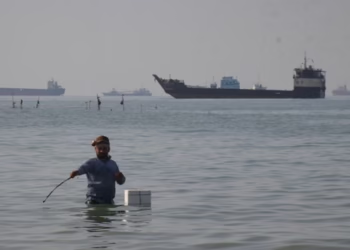 US to Escort Trapped Ships Through the Strait of Hormuz
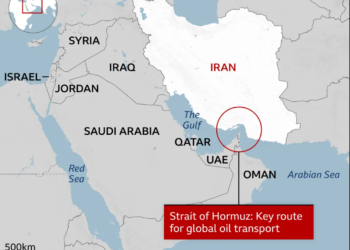 “The Pivot to Pakistan”: Trump Pauses ‘Project Freedom’ in Hormuz Amid Iran Deal Hopes
 “The Digital Frontier”: Scotland’s Papers Grapple with AI Harassment and ‘Mortgage Bottlenecks’
 “The Local Gavel”: Polls Open Across Hampshire and Isle of Wight in Delayed ‘Milestone’ Vote
 “The Blue Light Intersection”: Seventeen-Year-Old Critically Injured in ‘Nasty’ Police Pursuit Crash
 “The Fractured Frontier”: Sir John Curtice Declares the ‘Sacred’ Two-Party Era Over After ‘Milestone’ Results
 US Awaits Iran Reply on New Ceasefire Proposal
 “The End of the Towel War?”: How Hotels are ‘Clinically’ Stopping the Sunbed Dash
 Putin Signals War End as Russian Momentum Stalls
 Philippine Senator Flees After Days Under Senate Siege
 High Street Crisis: Fears Grow Over Post Office Closures