
Published: 19 May 2026. The English Chronicle Desk. The English Chronicle Online
The grand promises of a glittering, post-sporting urban renaissance have officially crumbled into a multi-million-pound real estate disaster, leaving a major former Olympic Village structurally “tainted” by hundreds of completely unsellable luxury apartments. A series of damning forensic audits and real estate disclosures published today, Tuesday, May 19, 2026, has revealed that the flagship residential zone—originally constructed to house thousands of international athletes before being marketed as a premium eco-district—has devolved into a ghost town. A catastrophic combination of major construction defects, prohibitive corporate service charges, and a massive “resilience deficit” in local infrastructure has triggered an absolute freeze in buyer demand. The sudden, “nasty” stagnation has left institutional developers stranded in a legal and financial quagmire, exposing a deep “accountability rot” at the heart of the host city’s long-term legacy strategy.

The sheer scale of the residential collapse has moved at a frantic “160 MPH clip” from a minor marketing hitch into a full-blown national scandal. According to internal sales ledgers leaked to investigative journalists, more than 45% of the converted premium apartments have sat completely vacant since the closing ceremonies, entirely unable to attract private buyers or stable tenants. Real estate agencies who initially projected the district would become a bustling, high-density hub for affluent professionals have broken their “clinical silence” to admit that the Olympic branding has become actively toxic. Prospective buyers are fleeing the development the moment they realize that the glossy exterior wraps conceal systemic plumbing failures, substandard insulation, and a complete lack of basic neighborhood amenities like pharmacies, banks, and reliable public transit links.
The immediate catalyst for this profound property freeze is a hidden, “asymmetric” financial trap buried within the complex leasehold agreements of the development. Buyers who were brave enough to snap up the initial wave of completed apartments have discovered that the institutional management firms are levying astronomical, unchecked service charges to maintain the sprawling, under-occupied complex. These fees have skyrocketed by up to 60% over the last twelve months alone, as developers attempt to shift the immense, compounding maintenance costs of the empty “ghost blocks” onto the small handful of actual residents. This predatory financial structure has created a severe bottleneck in the secondary market, rendering the flats entirely un-mortgageable by mainstream banks and leaving early investors completely trapped in rapidly depreciating assets.
Furthermore, the physical state of the Olympic structures has triggered a wave of furious legal actions that threaten to permanently bankrupt the overarching legacy corporation. Independent structural surveys conducted on behalf of panicked residents’ associations have exposed a terrifying level of corner-cutting during the frantic, pre-Games construction rush. Inspectors have documented widespread water ingress, cracking foundation walls, and the deployment of non-compliant external cladding materials that violate modern fire-safety protocols. This revelation has effectively wiped out the asset value of the buildings overnight, transforming what was marketed as a “sacred” sustainable community into a high-risk liability that local councils are refusing to adopt into the municipal register.
The ongoing disaster has sparked an intense, politically charged debate regarding the long-term socioeconomic cost of hosting mega-sporting events in the modern era. While political elites traditionally use temporary tournament booms to justify massive injections of public funds into corporate stadium districts, critics argue that the “unsellable flats” crisis proves the entire model is fundamentally broken. Instead of delivering genuine, affordable social housing for the local working-class communities who were displaced by the initial construction, the state has functionally subsidized a playground of empty concrete towers that serve only to distort the local property market and drain municipal resources.

As international sporting committees prepare to evaluate bids for future tournaments, the hollow, darkened windows of this abandoned village serve as a stark, monumental warning against the illusions of corporate-led regeneration. The “speechless determination” of remaining residents fighting to hold the original contractors legally liable is the only true legacy left behind by the games. By exposing how easily the euphoria of an international sporting festival can mask a predatory, low-quality real estate gamble, the tainted village proves that when the cameras finally pack up and leave town, it is the local taxpayer who is left to pick up the pieces of an unlivable dream.
Related News:
 UK Must Act with Courage and Clarity on Israel-Palestine Conflict, Says Foreign Affairs Committee Report
 Yvette Cooper Signals Global Momentum Towards Gaza Peace Deal Amid Humanitarian Crisis
 Chaos at Ibrox as Martin’s Rangers Era Comes to an End
 Russia’s Latest Push to Win US Favors Shows Deep Desperation
 BBC to Apologise Over Edited Trump Speech Amid Backlash
 Britain deploys RAF specialists to assist Belgium with drone threats
 Trump Urges Herzog to Grant Netanyahu Full Pardon
 Indian authorities demolish Kashmir home linked to Red Fort blast
 Greene Pushes Epstein Files Amid Trump Fallout
 December Run-Off in Chile as Election Produces No Winner
 Zelenskyy Signs Fighter Jet Deal Amid Russian Drone Attacks
 Shadow Fleet at Sea: Europe’s Battle Against Illicit Oil Shipping
 Tiny Curacao Makes History as Smallest Nation to Reach World Cup
 India’s COP30 Delay Raises Global Climate Concerns
 US Suspends Afghan Immigration After White House Shooting
 Georgians Defy Government Crackdown After Year of Protests
 ‘Extinct’ Antelope Returns to Sahara, Bringing Hope
 Sydney Shark Attack Surge Shocks Australia Beaches
 Portugal Election Delivers Socialist Win as Far Right Surges
 Australian Families Leave Syrian Camp for Home
 ‘I Would Scream in My Sleep’: Alawite Women from Syria Tell of Kidnap and Rape
 Epstein Eyed Record Label Investment to Access Women, Files Suggest
 How Do You Modernise Mango Farming? India’s Growers Urged to Innovate as Climate Change Hits
 Ukraine Negotiator Reveals What It Feels Like Facing Russia
 Drugs, Denial, Stigma: Fiji’s HIV Crisis Hits Children
 Hilary Knight speaks out on Trump’s recent hockey remarks
 American Citizen Killed in Cuba Boat Shooting, U.S. Officials Say
 Iran’s Regime Still Intact — Coming Days Will Test Its Survival
 In Maps: Strikes Across Iran and the Middle East
 Brit ‘in Good Spirits’ Amid Dubai Missile Attacks, Stranded but Safe
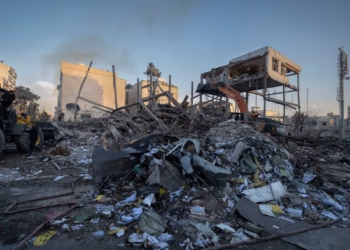 Civilian Deaths in Iran Pass 700 Amid Fear of Bombs and Regime Clampdown
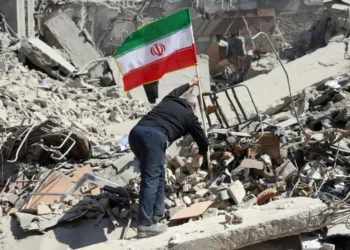 ‘Every Day Feels Like a Month’: Iranians Describe Life Under ‘Constant’ US‑Israeli Strikes
 Petrol Prices Soar as Retailers Accused of Gouging Amid Global Tension
 Penny Wong silent on Australian crew in sub strike
 Finland Plans to Lift Decades‑Old Ban on Hosting Nuclear Weapons
 Minister Meets Crews Who Will ‘Take Out’ Iranian Drones
 Oil Prices Surge Above $100 Amid Iran War
 Nine Days of Strikes Reshape the Middle East
 Trump Pressures Congress Over Save America Act
 Real Estate Brothers Convicted in Sex Trafficking Trial
 Iran War Puts Trump at Political Risk Amid Rising Prices
 Goma Drone Attack Kills Three as Conflict Escalates
 Queensland Protest Laws Spark Free Speech Backlash
 Trump Nato threats expose Iran strategy vacuum
 Trump’s Confidence Undimmed — But Every Iran Option Carries Risk
 Israel Says Iran Security Chief Larijani ‘Killed’
 Australia Imposes Sudden Travel Ban on Iranian Visitors
 Trump Facing Backlash from Epstein Survivors Over Files
 UK Forces Ready to Seize Russian Shadow Fleet Vessels
 Trump Considers Military Operation to Seize Iran’s Uranium
 Net Closes on Lyons Clan: Partner Arrested in Dubai as Crime Boss Snared in Bali
 Chain of Fire: US Bunker Busters Strike Major Iranian Ammo Depot in Isfahan
 ‘The Cost of Living’: Asia’s Migrant Workers Debate if Gulf Jobs are Worth the Risk of War
 “It Ends With Trial”: Judge Tosses Blake Lively’s Sexual Harassment Claims Against Justin Baldoni
 The Banbridge Rescue: 300 Sheep Saved from Massive Hay Shed Inferno
 Report Says Pezzullo Acted ‘Recklessly’ in Dealings
 Oil and Diplomacy: Russian Refineries Burn as Zelenskyy Secures Middle East Shield
 Electric Shock: Australians Buy Record Number of New EVs as Fuel Crisis Bites
 The Suffocating Silhouette: Why Metal’s Mask Trend is Turning Deadly
 The Great Chokehold: Why the Strait of Hormuz is the Epicenter of the 2026 Crisis
 Moldova River Crisis Exposes War’s Hidden Cost
 Tragedy Strikes Outside Melbourne Comic Con
 The Fog of War and the Ticker Tape: Suspicious Trades Rile Washington
 ‘A Fragile Calm’: Oil Prices Dip as Trump Extends Iran Ceasefire, But Blockade Holds Firm
 Justice and Deceit: High Court Convicts Woman in Hong Kong Blackmail Plot
 “Three-Wheeled Triumph”: Mayor of Erewash Completes 2,000-Mile European Charity Run
 Tragedy in the Red Centre: Outback Search Ends in Discovery of Missing Girl’s Body
 “An Endurance Test for the Mind”: British Couple Sentenced to 10 Years in Tehran
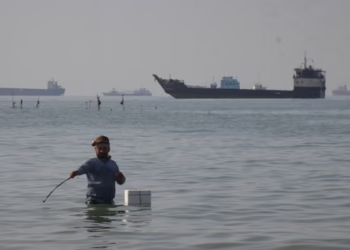 US to Escort Trapped Ships Through the Strait of Hormuz
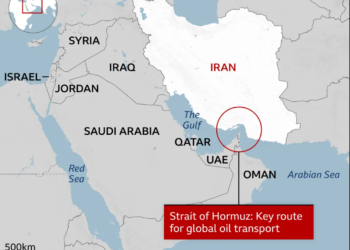 “The Pivot to Pakistan”: Trump Pauses ‘Project Freedom’ in Hormuz Amid Iran Deal Hopes
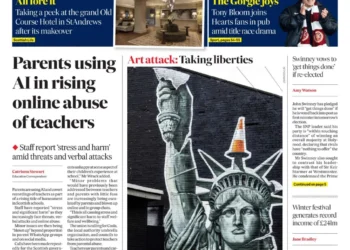 “The Digital Frontier”: Scotland’s Papers Grapple with AI Harassment and ‘Mortgage Bottlenecks’
 “The Local Gavel”: Polls Open Across Hampshire and Isle of Wight in Delayed ‘Milestone’ Vote
 “The Blue Light Intersection”: Seventeen-Year-Old Critically Injured in ‘Nasty’ Police Pursuit Crash
 “The Fractured Frontier”: Sir John Curtice Declares the ‘Sacred’ Two-Party Era Over After ‘Milestone’ Results
 US Awaits Iran Reply on New Ceasefire Proposal
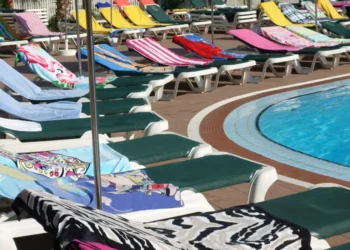 “The End of the Towel War?”: How Hotels are ‘Clinically’ Stopping the Sunbed Dash
 Putin Signals War End as Russian Momentum Stalls
 Philippine Senator Flees After Days Under Senate Siege
 High Street Crisis: Fears Grow Over Post Office Closures
 “Eyes in the Sky, Spikes on the Ground”: Advanced Satellite Imagery and AI Algorithms Deployed Across Britain to Save the Vanishing Hedgehog