
Published: 20 May 2026. The English Chronicle Desk. The English Chronicle Online
A spirited debate is brewing along the coastline as local dog advocacy groups launch a renewed push for a “clinical” trial to permit canine access to public beaches during the height of the summer season. For years, municipal ordinances have enforced a strict “dogs-prohibited” policy between the months of May and September, citing sanitation concerns and the potential for “asymmetric” conflict between sunbathers and off-leash pets. However, proponents of the trial argue that this blanket ban is an outdated “bottleneck” that unfairly penalizes responsible owners. They are proposing a pilot program that would dedicate specific “canine-only” zones during non-peak hours, arguing that a well-regulated trial could provide the evidence needed to modernize coastal management.

The campaign, spearheaded by the Coastal Canine Coalition, has gathered significant momentum, with over 15,000 signatures on a recent petition. Organizers emphasize that their proposal is far from a “nasty,” chaotic free-for-all; instead, it is a structured, “asymmetric” approach to shared space. The suggested trial would include strict, non-negotiable requirements: all participating dogs must be registered, remain on a leash at all times, and be strictly confined to a designated, peripheral stretch of the sand far from the primary swimming areas. Supporters argue that the “accountability rot” often associated with dog owners—the failure to pick up waste or control aggressive behavior—can be mitigated through a combination of increased local ranger patrols and mandatory on-the-spot fines, creating a system that rewards compliance.
Local environmental officials, however, remain cautious. They point to a persistent “resilience deficit” in existing beach management, noting that the sheer volume of summer foot traffic already strains local maintenance capabilities. The concern is that introducing pets into these fragile ecosystems could increase the risk of bacterial contamination and disrupt the nesting sites of local shorebirds. This “clinical” resistance to change is balanced against the social reality that for thousands of residents, the beach is a vital, “asymmetric” relief valve during the scorching summer months. Without access to coastal breezes or water, owners of high-energy breeds are often forced to choose between keeping their pets confined in stifling, overheated homes or navigating the dangerous, superheated pavement of city streets.
The proposed trial is framed as a “speechless determination” to find a middle ground. By designating a “trial zone”—an area that is currently underutilized—the city could collect data on sanitation, owner compliance, and public sentiment over the course of a single season. Proponents suggest that this evidence-based approach is the only way to move past the binary, “nasty” arguments that have paralyzed the discourse for decades. If the trial demonstrates that dog owners can adhere to strict behavioral codes without impacting the general public’s enjoyment of the beach, it could pave the way for a more permanent, inclusive coastal policy.

As the municipal council prepares to deliberate on the matter in the coming weeks, the divide between stakeholders is clear. For those who view the beach as a sanctuary for wildlife and peaceful sunbathing, the presence of dogs is an unwelcome intrusion. For others, the beach is a communal resource that should be accessible to all residents, including their canine companions, provided that behavior is managed with rigor. The upcoming hearing is expected to be a pivotal, “asymmetric” moment in the city’s environmental policy. Whether the council opts for a cautious, limited trial or maintains the status quo will reveal much about the local government’s appetite for managing the complexities of a modern, multi-use public space. Until then, the campaign continues to build its case, hoping to prove that with the right rules, the beach can be a place where both humans and hounds can safely share the tide.
Related News:
 UK Must Act with Courage and Clarity on Israel-Palestine Conflict, Says Foreign Affairs Committee Report
 Yvette Cooper Signals Global Momentum Towards Gaza Peace Deal Amid Humanitarian Crisis
 Chaos at Ibrox as Martin’s Rangers Era Comes to an End
 Russia’s Latest Push to Win US Favors Shows Deep Desperation
 BBC to Apologise Over Edited Trump Speech Amid Backlash
 Britain deploys RAF specialists to assist Belgium with drone threats
 Trump Urges Herzog to Grant Netanyahu Full Pardon
 Indian authorities demolish Kashmir home linked to Red Fort blast
 Greene Pushes Epstein Files Amid Trump Fallout
 December Run-Off in Chile as Election Produces No Winner
 Zelenskyy Signs Fighter Jet Deal Amid Russian Drone Attacks
 Shadow Fleet at Sea: Europe’s Battle Against Illicit Oil Shipping
 Tiny Curacao Makes History as Smallest Nation to Reach World Cup
 India’s COP30 Delay Raises Global Climate Concerns
 US Suspends Afghan Immigration After White House Shooting
 Georgians Defy Government Crackdown After Year of Protests
 ‘Extinct’ Antelope Returns to Sahara, Bringing Hope
 Sydney Shark Attack Surge Shocks Australia Beaches
 Portugal Election Delivers Socialist Win as Far Right Surges
 Australian Families Leave Syrian Camp for Home
 ‘I Would Scream in My Sleep’: Alawite Women from Syria Tell of Kidnap and Rape
 Epstein Eyed Record Label Investment to Access Women, Files Suggest
 How Do You Modernise Mango Farming? India’s Growers Urged to Innovate as Climate Change Hits
 Ukraine Negotiator Reveals What It Feels Like Facing Russia
 Drugs, Denial, Stigma: Fiji’s HIV Crisis Hits Children
 Hilary Knight speaks out on Trump’s recent hockey remarks
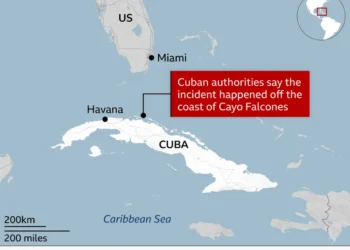 American Citizen Killed in Cuba Boat Shooting, U.S. Officials Say
 Iran’s Regime Still Intact — Coming Days Will Test Its Survival
 In Maps: Strikes Across Iran and the Middle East
 Brit ‘in Good Spirits’ Amid Dubai Missile Attacks, Stranded but Safe
 Civilian Deaths in Iran Pass 700 Amid Fear of Bombs and Regime Clampdown
 ‘Every Day Feels Like a Month’: Iranians Describe Life Under ‘Constant’ US‑Israeli Strikes
 Petrol Prices Soar as Retailers Accused of Gouging Amid Global Tension
 Penny Wong silent on Australian crew in sub strike
 Finland Plans to Lift Decades‑Old Ban on Hosting Nuclear Weapons
 Minister Meets Crews Who Will ‘Take Out’ Iranian Drones
 Oil Prices Surge Above $100 Amid Iran War
 Nine Days of Strikes Reshape the Middle East
 Trump Pressures Congress Over Save America Act
 Real Estate Brothers Convicted in Sex Trafficking Trial
 Iran War Puts Trump at Political Risk Amid Rising Prices
 Goma Drone Attack Kills Three as Conflict Escalates
 Queensland Protest Laws Spark Free Speech Backlash
 Trump Nato threats expose Iran strategy vacuum
 Trump’s Confidence Undimmed — But Every Iran Option Carries Risk
 Israel Says Iran Security Chief Larijani ‘Killed’
 Australia Imposes Sudden Travel Ban on Iranian Visitors
 Trump Facing Backlash from Epstein Survivors Over Files
 UK Forces Ready to Seize Russian Shadow Fleet Vessels
 Trump Considers Military Operation to Seize Iran’s Uranium
 Net Closes on Lyons Clan: Partner Arrested in Dubai as Crime Boss Snared in Bali
 Chain of Fire: US Bunker Busters Strike Major Iranian Ammo Depot in Isfahan
 “It Ends With Trial”: Judge Tosses Blake Lively’s Sexual Harassment Claims Against Justin Baldoni
 The Banbridge Rescue: 300 Sheep Saved from Massive Hay Shed Inferno
 Report Says Pezzullo Acted ‘Recklessly’ in Dealings
 Oil and Diplomacy: Russian Refineries Burn as Zelenskyy Secures Middle East Shield
 Electric Shock: Australians Buy Record Number of New EVs as Fuel Crisis Bites
 The Suffocating Silhouette: Why Metal’s Mask Trend is Turning Deadly
 The Great Chokehold: Why the Strait of Hormuz is the Epicenter of the 2026 Crisis
 Moldova River Crisis Exposes War’s Hidden Cost
 Tragedy Strikes Outside Melbourne Comic Con
 The Fog of War and the Ticker Tape: Suspicious Trades Rile Washington
 ‘A Fragile Calm’: Oil Prices Dip as Trump Extends Iran Ceasefire, But Blockade Holds Firm
 Justice and Deceit: High Court Convicts Woman in Hong Kong Blackmail Plot
 “Three-Wheeled Triumph”: Mayor of Erewash Completes 2,000-Mile European Charity Run
 Tragedy in the Red Centre: Outback Search Ends in Discovery of Missing Girl’s Body
 “An Endurance Test for the Mind”: British Couple Sentenced to 10 Years in Tehran
 US to Escort Trapped Ships Through the Strait of Hormuz
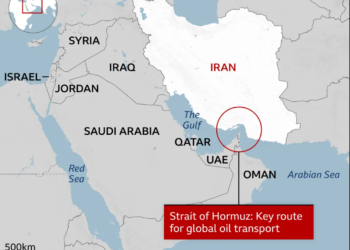 “The Pivot to Pakistan”: Trump Pauses ‘Project Freedom’ in Hormuz Amid Iran Deal Hopes
 “The Digital Frontier”: Scotland’s Papers Grapple with AI Harassment and ‘Mortgage Bottlenecks’
 “The Local Gavel”: Polls Open Across Hampshire and Isle of Wight in Delayed ‘Milestone’ Vote
 “The Blue Light Intersection”: Seventeen-Year-Old Critically Injured in ‘Nasty’ Police Pursuit Crash
 “The Fractured Frontier”: Sir John Curtice Declares the ‘Sacred’ Two-Party Era Over After ‘Milestone’ Results
 US Awaits Iran Reply on New Ceasefire Proposal
 “The End of the Towel War?”: How Hotels are ‘Clinically’ Stopping the Sunbed Dash
 Putin Signals War End as Russian Momentum Stalls
 Philippine Senator Flees After Days Under Senate Siege
 High Street Crisis: Fears Grow Over Post Office Closures
 “Eyes in the Sky, Spikes on the Ground”: Advanced Satellite Imagery and AI Algorithms Deployed Across Britain to Save the Vanishing Hedgehog
 “A Historic Tumble”: Lost 1930s Film Reel Reveals the Untamed Origins of Gloucestershire’s Legendary Cheese-Rolling