Published: 19th August 2025 .The English Chronicle Desk
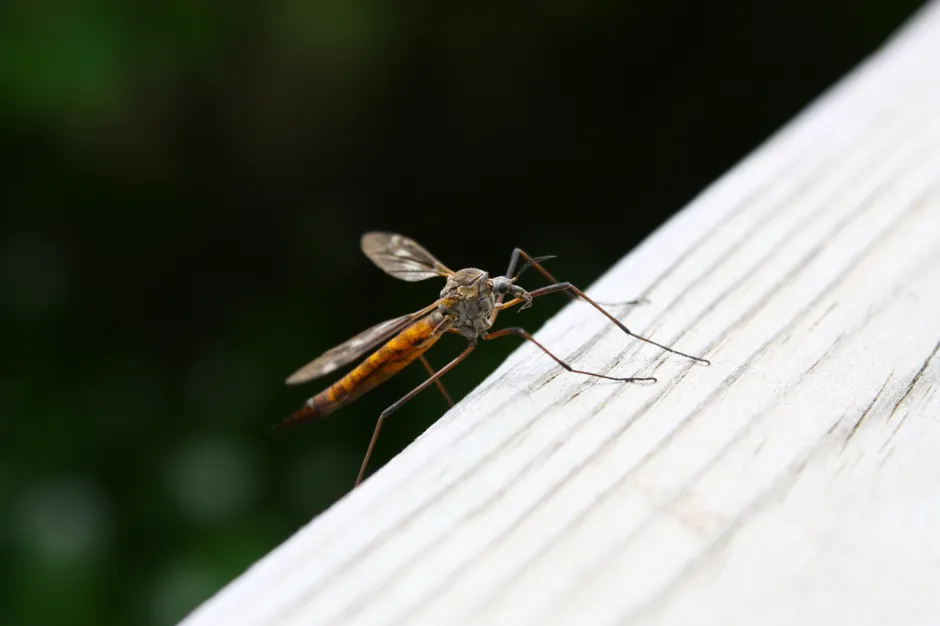
European health authorities are raising fresh concerns over the growing threat of so-called “suitcase viruses” as outbreaks of chikungunya and dengue fever spread across popular holiday destinations. Both illnesses, transmitted by infected aedes mosquitoes, are increasingly being detected in parts of Europe, heightening the risk that travellers could inadvertently carry them into countries such as the United Kingdom.

Medical experts warn that these mosquito-borne viruses often go unnoticed in transit, travelling with infected individuals or via vectors concealed in luggage, and can establish new transmission chains in regions not traditionally affected. Britain’s Health Security Agency (UKHSA) has already sounded the alarm, reporting a worrying rise in chikungunya cases among travellers returning from overseas. The trend has reignited debate on whether Europe is fully prepared to deal with tropical diseases that are becoming increasingly common due to globalisation and climate change.
Chikungunya, described by specialists as a “nasty disease,” is notorious for causing debilitating joint and muscle pain, intense headaches, sensitivity to light, and severe skin rashes. Although not usually fatal, the virus poses a heightened risk to vulnerable groups such as children, the elderly, and those with chronic health conditions. China recently reported more than 7,000 cases in Foshan, in Guangdong province, though officials say infection rates are now declining.
Dengue fever, meanwhile, has long been one of the most feared mosquito-borne illnesses due to its potential to escalate rapidly. In its milder form, dengue produces fever, rashes, and fatigue lasting around a week. Severe dengue, however, can result in internal bleeding, shock, organ failure, and even death. Health agencies estimate that one in 20 people infected with dengue will develop life-threatening symptoms within hours of onset. In 2024 alone, nearly 1,000 cases of dengue were recorded among travellers returning to England, Wales, and Northern Ireland, a sharp rise compared with the previous year.

The European Centre for Disease Prevention and Control (ECDC) has now identified France, Italy, and Portugal as the three current hotspots for chikungunya and dengue. Since January, France has reported 111 locally acquired chikungunya cases across 22 separate clusters, with significant concentrations in areas such as Vitrolles, Salon-de-Provence, Castries, and Grosseto-Prugna. The situation has worsened in recent weeks, with 48 new cases confirmed within just seven days. Italy has also reported fresh outbreaks, with clusters emerging in Modena and Verona, while Portugal registered two dengue cases earlier in the year on the island of Madeira.
For holidaymakers planning summer travel, the developments have prompted questions over safety. Health experts stress that most European cases remain “imported” infections, linked to returning travellers from Africa, Asia, or South America. Yet the increasing presence of the Asian tiger mosquito (aedes albopictus) across the continent has allowed local transmission to take root, raising the spectre of seasonal outbreaks in southern Europe.
Despite the concerning rise in infections, health authorities continue to insist that it is safe to travel to countries with reported cases, provided precautions are taken. Preventing mosquito bites remains the single most effective defence against both chikungunya and dengue. The UKHSA advises travellers to use insect repellent, wear light-coloured long-sleeved clothing, and sleep under mosquito nets when visiting high-risk areas.

As Europe enters the late summer travel season, the spread of these so-called suitcase viruses has become a stark reminder of how quickly diseases can transcend borders. For governments and public health agencies, the challenge lies not only in managing localised outbreaks but also in preparing for the long-term risks posed by global mobility and shifting climates. For travellers, vigilance and prevention remain the key to staying safe abroad.
Related News:
 NHS Resident Doctors Vote for Strike Action Amid Escalating Pay Dispute
 Concerns Mount Over Accuracy of At-Home Health Tests as Study Calls for Stricter Regulation
 Ageless Energy: How Life After 40 Is Sparking a New Era of Vitality and Innovation
 Labour Faces Standoff as NHS Strike Exposes Deeper Crisis
 NHS Braces for New Wave of Disruption as Resident Doctors Begin Five-Day Strike Across England
 The Ketamine Crisis in the UK is a Silent Epidemic Leaving Users with Lifelong Pain
 Tiny Moves, Big Gains: The Micro-Exercises That Match a 20-Minute Walk in Impact
 Justin Timberlake Shares His Lyme Diagnosis and the Strain of Performing Through Illness
 UK Launches World-First Gonorrhoea Vaccine Amid Record Infection Surge
 ‘I’m Trying to Cut Down My Alcohol Intake and This 99p Low-Calorie Drink Converted Me’
 Woman Warned She Might Need Leg Amputation to Survive After Liquid Brazilian Butt Lift
 It’s Thanks to Gabby That I Caught My Prostate Cancer in Time’ – Kenny Logan Opens Up on His Battle and His Mission to Save Lives
 AI Tools Used by English Councils Found to Downplay Women’s Health Issues, Raising Concerns Over Gender Bias in Care
 Rugby Confronts Safety Concerns with Smart Mouthguards at Women’s World Cup
 Cats Develop Dementia Similarly to Humans, Study Finds
 Money Problem: ‘My husband is freelance and in hospital – how can I make sure we don’t lose our home?’
 Alarming rise in abusive teen relationships in the UK sparks urgent warnings
 Inquest Finds Agency Worker Failings Led to Unlawful Death of Vulnerable 14-Year-Old
 Shocking Rise in Children’s Exposure to Violent Online Pornography Raises Alarm
 Compulsory Period Education for Boys and Girls Urged by New Study
 Can Hot Yoga Unlock a Healthier Midlife? One Man’s Journey from Scepticism to Transformation
 Calls Grow for a Complete Ban on Smacking as Public Opinion Shifts
 Baby Food Manufacturers Given 18 Months to Improve Nutrition and Labelling
 Costa Blanca Holiday Horror as Food Poisoning Outbreak Hits Four-Star Hotel
 ‘REAL DANGER’: Stark Fresher’s Flu Warning After 23-Year-Old Student, Who Woke Up With Sore Throat, Loses All Four Limbs
 England Plans Ban on Energy Drinks for Under-16s Amid Health Concerns
 Why E-Bikes and E-Scooters Are Making Streets a ‘Nightmare’ for Blind People
 Millions in the UK at Higher Risk of Heart Failure and Stroke Due to Air Pollution, Study Warns
 Norfolk Hospital Ranked Worst in England as NHS League Tables Return
 NHS Trials £100 Blood Test That Could Revolutionise Alzheimer’s Diagnosis
 More Than Half of UK Births Now Involve Medical Intervention
 UK Graduates in Healthcare Report Highest Satisfaction with Degree Choices
 Labour Urged to Launch National Occupational Health Service to Tackle Worklessness
 NHS ‘Toxic Culture’ Risks Harm to Mothers and Babies, Health Leader Warns
UK Doctors Guilty of Sexual Misconduct Continue Practising Amid Weak Sanctions, Research Finds
NHS ‘Toxic Culture’ Risks Harm to Mothers and Babies, Health Leader Warns
UK Doctors Guilty of Sexual Misconduct Continue Practising Amid Weak Sanctions, Research Finds
 Heavy Drinkers Lead Growth in Non-Alcoholic and Low-Alcohol Market
 Omeprazole Alert: NHS Issues Guidance on Safe Use for Heartburn and Indigestion
 Starmer Unveils Plan for NHS “Online Hospital” to Tackle Waiting Lists
 Tragic Death Strikes Half-Marathon in Stoke-on-Trent: Runner Dies Shortly After Crossing Finish Line
 Eligibility Confusion Over COVID Vaccination Leaves Pharmacies Struggling Across the UK
 Majority of UK Men Would Opt for Prostate Cancer Screening, Survey Finds
 Scientists Announce First Potentially Accurate Blood Test for Chronic Fatigue Syndrome
 NHS Facilities Staff Vote to Strike Over Pay Discrimination
 Survey Shows Most GPs Rushing Appointments
 Ambulance Worker Fired After Flinging Amputee from Wheelchair and Offering Bribe
 Women Challenge Meta Over Targeted Ads After Miscarriage
 Mum’s Final Wish: Donating Her Body to Science
 Genetic Tests May Predict Return of Blood Cancer
 UK Woman Becomes Longest Survivor of Heart-Lung Transplant
£18 Prostate Cancer Test Could Save Thousands of Lives
UK Woman Becomes Longest Survivor of Heart-Lung Transplant
£18 Prostate Cancer Test Could Save Thousands of Lives
 Thousands in the UK sue Johnson & Johnson over alleged talcum powder, linked to cancer
 Pregnant Women in England Face Rising Risk of Severe Birth Injury
 ‘Game-Changing’ HIV Prevention Jab Set for NHS Approval
 One in 12 Secondary Pupils Sent to Isolation Weekly
 UK Health Leaders Push for Urgent Tobacco & Vape Bill
 Man Trapped in Quicksand Rescued in Dramatic Coastal Rescue
 Marie Curie Launches End-of-Life Checklist to Ease Stress
 Hospice Cuts Raise Alarm Across England Amid Funding Crisis
 Celebrities and Charities Demand UK Government Act on Child Poverty
 Experts Warn on Home Birth Risks, Call for Skilled Midwives
 London’s Childlessness Crisis: Schools Closing as Families Shrink
 Seven Conditions That Automatically Qualify You for a Free Bus Pass
 Leading doctors issue warning amid ‘bad’ flu season
 Working-Class Men with Prostate Cancer Left Behind by NHS
 From Baby Teeth to Bioengineering: The Future of Self-Healing Teeth
 107-Year-Old Veteran Credits Whiskey for Longevity
 UK launches major AI drive to fight deadly superbugs
 ‘Traumatic Wait’: Northern Ireland Women Face Breast Cancer Delays
 Healthy Habits in Your 30s That Boost Life in Your 70s
 Woman Meets Boy Whose Life She Saved with Kidney
 Scottish Families Take Legal Action Over School CO Leak
 Welsh Government Christmas 2020 Lockdown Criticised
 Coffins Now Too Large to Cremate Amid Rising Obesity Crisis
 NHS paediatric leave parents waiting months for answers
 Vicki Fears Losing Motability Car
 Delhi’s Toxic Air Crisis Leaves Children Sick and Vulnerable
 Fibromyalgia Patients Struggle as NHS Fails to Provide Care
 “Enough is Enough”: Local MP Vows to Fight Rainham Quarry Plans
 Breast Density Awareness May Cause Unnecessary Anxiety, Study Finds
 GPs Failing Frail Elderly: Only 1 in 6 Assessed – NAO