Published: 17 October 2025. The English Chronicle Desk. The English Chronicle Online.
A modern reinvention of the traditional almshouse, designed to address loneliness among older residents, has claimed Britain’s most prestigious architecture award. The Appleby Blue Almshouse in Southwark, south London, was named the winner of this year’s Royal Institute of British Architects’ (RIBA) Stirling Prize, recognised as the nation’s highest accolade for outstanding architecture.
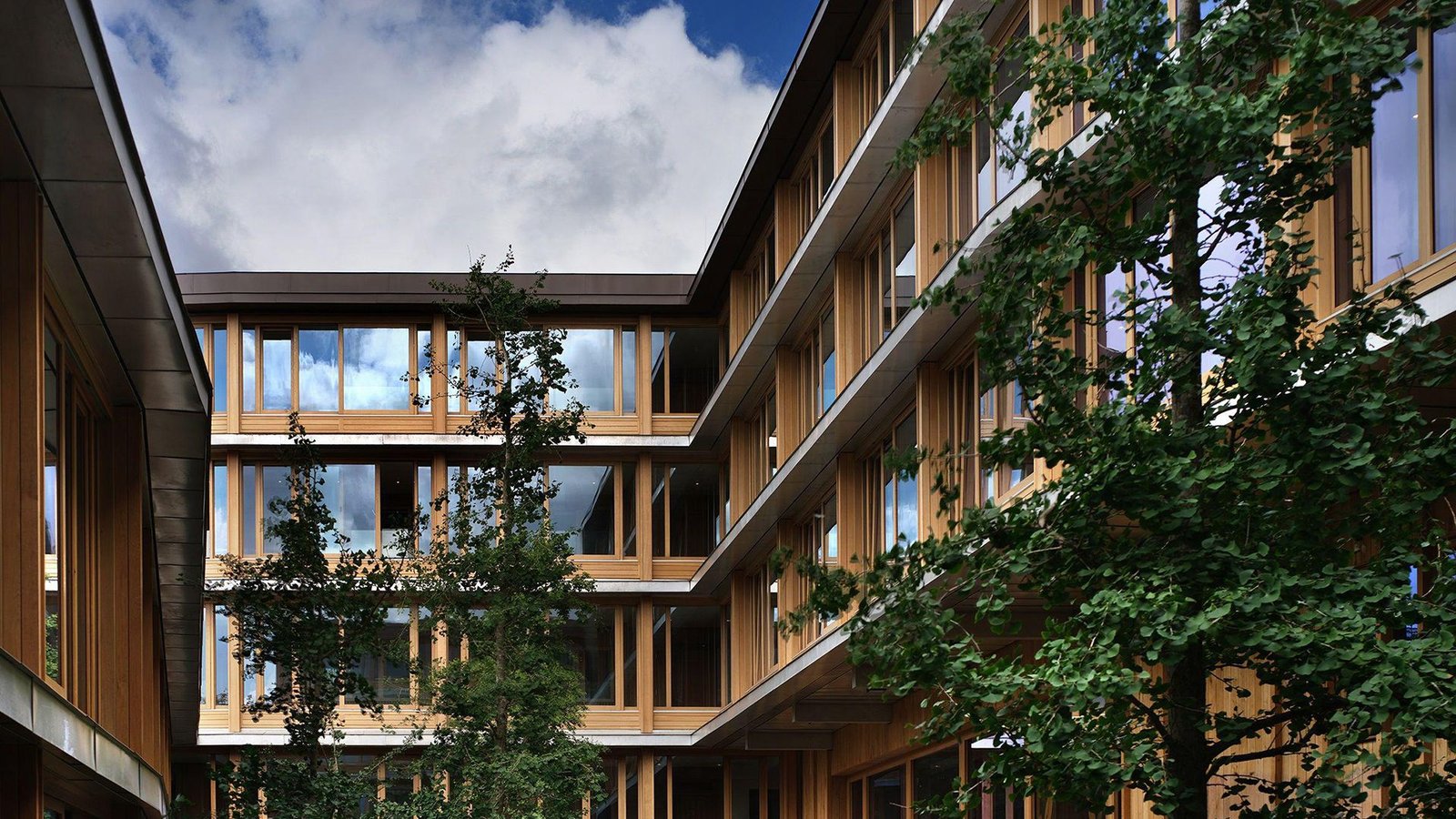
Situated in Bermondsey, the development provides 59 affordable flats for over-65s, complemented by a range of communal facilities aimed at fostering social interaction. Residents can enjoy a rooftop garden, a central courtyard, and a community kitchen, creating spaces where people can connect, relax, and share experiences. These design features reflect a conscious effort to combat isolation, offering older residents not just accommodation but a supportive environment that promotes wellbeing.

Judges praised the Appleby Blue Almshouse for setting “an ambitious standard for social housing among older people.” According to Ingrid Schroder, director of the Architectural Association (AA) School of Architecture and a member of the Stirling Prize jury, the architects, Witherford Watson Mann, have created “high-quality and thoughtful spaces that truly care for residents.” The careful attention to detail, from generously proportioned flats to terracotta-paved hallways adorned with benches, plants, and a soothing water feature, was singled out as exemplary. The overall effect is described as a “woodland oasis,” offering an aspirational living environment that contrasts sharply with the often institutional feel of traditional older people’s housing.
The Appleby Blue Almshouse was built on the site of a former care home, developed by United St Saviour’s Charity to provide affordable housing for people on low incomes. Almshouses have a long history in the United Kingdom, dating back to the Middle Ages, traditionally built to provide charitable accommodation for those in need. The Appleby Blue project builds on this heritage while bringing a contemporary approach that emphasises community, dignity, and quality of life.
The Stirling Prize is awarded annually to the building judged to be “the most significant of the year for the evolution of architecture and the built environment.” Projects are assessed on multiple criteria, including design vision, innovation, originality, and social impact. This year, the Appleby Blue Almshouse beat a strong field of nominees, including the restoration of London’s Big Ben tower, a new fashion college campus, a science laboratory, and an inventive home extension.
For Witherford Watson Mann, this is the firm’s second Stirling Prize win, 12 years after being recognised for their design of a modern holiday home inside the historic Astley Castle in Warwickshire. Their continued success underscores their ability to merge innovation with a deep sensitivity to context and human experience. Last year, the award went to London’s Elizabeth Line, highlighting the Stirling Prize’s recognition of diverse architectural achievements, from transport infrastructure to community-focused developments.
The award emphasises the evolving understanding of social housing in contemporary Britain, particularly for older adults. By prioritising communal engagement, environmental quality, and accessibility, Appleby Blue demonstrates how thoughtful design can significantly enhance the quality of life for residents. Spaces like the rooftop garden and communal kitchen are not merely aesthetic choices but integral to promoting interaction, preventing isolation, and supporting mental health.
Appleby Blue Almshouse also reflects a broader trend in modern architecture that seeks to reconcile tradition with innovation. By reimagining the historical almshouse, the architects have created a development that honours the charitable intent of past designs while addressing the needs of today’s older population. It shows that social housing can be beautiful, practical, and aspirational, setting a benchmark for future projects across the UK.
The RIBA Stirling Prize has a history of recognising projects that push architectural boundaries and enrich the built environment. Previous winners include Liverpool’s Everyman Theatre, Hastings Pier, and the Scottish Parliament building in Edinburgh, each celebrated for its design excellence, community contribution, and innovation. Appleby Blue now joins this lineage, illustrating how architecture can be a powerful tool for social good.
Jury members highlighted the meticulous attention to detail in the Appleby Blue project, from interior finishes to landscaping, noting that each element contributes to creating a sense of care and belonging. The water feature in the courtyard, for example, introduces a calming presence, while seating areas encourage casual interactions among residents. These features collectively foster a supportive atmosphere, encouraging engagement and combating the loneliness often experienced by older people living alone.
Beyond its physical attributes, Appleby Blue serves as a model for socially responsible architecture. The development demonstrates that even in high-density urban environments, it is possible to create housing that supports wellbeing, community cohesion, and dignity for residents. By addressing loneliness through design, the project highlights the transformative potential of architecture to impact people’s lives positively.

The Stirling Prize judges noted that Appleby Blue’s design could influence future approaches to older people’s housing across the country. Its combination of thoughtful planning, high-quality materials, and communal facilities sets a new benchmark, proving that social housing does not need to compromise on design excellence. The project shows that architecture can be both functional and aspirational, meeting practical needs while inspiring pride and enjoyment among residents.
As Britain faces increasing challenges in providing high-quality housing for older adults, Appleby Blue offers an example of how design innovation can address social issues. By reinterpreting a centuries-old concept—the almshouse—through a modern lens, Witherford Watson Mann has demonstrated that architecture can serve as a tool for wellbeing, social connection, and community building.
The project’s success reflects the growing recognition within the architectural community that buildings are not merely physical structures but spaces that profoundly affect human experience. Appleby Blue exemplifies how residential developments can combine aesthetic excellence with practical, human-centred solutions, ultimately creating environments where people can live well, feel secure, and engage meaningfully with others.
Related News:
 How to Exit Your Broadband Contract Without Paying Exit Fees
 HSBC Chief Warns Bank Tax Hike Could Undermine UK Growth Prospects
 Heathrow Unveils £21 Billion Third Runway Plan to Boost UK Connectivity Amid Environmental Concerns
 UK House Prices Rebound in July as Market Recovers Following June Dip
 Supreme Court Ruling on Car Finance Scandal Poised to Impact Millions of Motorists and Banks
 ICG Set to Acquire Three Major UK Regional Airports in Landmark £200 Million Deal
 Non-Dom Tax Crackdown Risks Backfiring as Exodus Threatens UK Revenue and Investment
 Stunning Welsh Island with Historic Fort and Modern Luxuries Hits Market for £3 Million
 UK Jobs Market Faces Strain as Employers Cut Bonuses and Hiring Amid Economic Slowdown
 David Lammy Faces Possible Legal Challenge Over Foreign Office Secondment Scheme
 Wage Rises Slow as Retail and Hospitality Jobs Continue to Fall
 Grant Shapps Cleared to Join Defence Startup Despite Ethical Concerns
 Chancellor Rachel Reeves Pushes for Sweeping Changes to Environmental Protections to Accelerate Development
 Inflation Latest: Cost of Living Expected to Rise Again in Key Figures Released Today
 How Home Sizes Are Changing in the UK: Are They Getting Bigger or Smaller?
 Ed Davey Urges Government to Block Elon Musk’s Tesla from Supplying UK Home Energy
 Rachel Reeves to Deliver Autumn Budget on 26 November Amid Economic Challenges
 UK Court Freezes £150m of Assets Belonging to Owner of Collapsed Prax Lindsey Refinery
 Retail Sales See Uptick Amid Errors and Delays as ONS Faces Scrutiny
 UK House Prices Hit Record £299,331 as Market Shows Steady Growth
Shein UK Faces Allegations of Shifting Majority of Profits to Singapore to Reduce UK Tax
UK House Prices Hit Record £299,331 as Market Shows Steady Growth
Shein UK Faces Allegations of Shifting Majority of Profits to Singapore to Reduce UK Tax
 UK Mobile Retailers Lock Doors Amid Surge in Organised Phone Thefts
 Londoners Buying Lowest Share of Property Outside Capital Since 2013
 UK Retail Sales Rise in August, but Tax Concerns Loom Over Festive Period
 UK Economy Flatlines in July, Raising Pressure on Rachel Reeves Ahead of Autumn Budget
 Starmer Urged to Champion Workers’ Rights Amid Low Public Awareness
 UK Could Generate Nearly £2bn Annually by Taxing SUVs, New Study Reveals
 Rachel Reeves Hosts Top UK and US Financial Executives as Trump’s State Visit Begins
 Jaguar Land Rover Extends Production Halt Following Cyber-Attack
 UK Labour Market Shows Signs of Cooling as Wage Growth Slows and Redundancies Rise
 UK Wage Growth Remains High, But Cost of Living Pressures Bite
 Next Shares Slide Amid Warning on Weak UK Growth and Jobs
 British AI Startup Outshines Human Forecasters in Global Prediction Contest
 Dagenham Left in Limbo After Smithfield and Billingsgate Market Relocation Cancelled
 King Charles Earns Over £1 Million from Duchy Land Linked to Scrapped HS2 Project
 Vodafone Franchisees Sound Alarm: Mental Health Toll of Commission Cuts Revealed Years Before £120m Court Battle
 Great Britain’s Energy Operator Commits to Strengthening Grid to Prevent Blackouts
 UK Government Backs Return of International Rail Travel to Kent Stations
 AstraZeneca to List on New York Stock Exchange While Retaining London Ties
 Retailers Warn Tax Rises Could Prolong Inflation as Shop Prices Climb
 Royal Mail Owner Acquires Stake in Collect+ and Launches High Street Rebrand
 Marks & Spencer Staff to Work on Boxing Day for First Time in Five Years Amid Cost-Cutting Measures
UK Housing Market Returns to Growth Amid Signs of Stability and Regional Variation
Marks & Spencer Staff to Work on Boxing Day for First Time in Five Years Amid Cost-Cutting Measures
UK Housing Market Returns to Growth Amid Signs of Stability and Regional Variation
 Senior Tories Condemn Badenoch’s Vow to Repeal Climate Change Act as Catastrophic
 Wetherspoon vows to keep prices low amid soaring energy and tax costs
 Millions of households in England face looming water bill hikes amid regulatory scrutiny
 He-Man Set for Big Comeback as UK Toy Industry Rides ‘Newstalgia’ Wave
 Delivery Apps Could Double the Cost of Your Groceries, Warns Consumer Watchdog
UK House Price Growth Slows as Buyers Exercise Caution Ahead of Autumn Budget
Delivery Apps Could Double the Cost of Your Groceries, Warns Consumer Watchdog
UK House Price Growth Slows as Buyers Exercise Caution Ahead of Autumn Budget
 Kemi Badenoch Unveils ‘Golden Rule’ to Halve Spending Cuts for Deficit Reduction at Tory Conference
 Royal Mail Fined £21m for Delivery Failures
 Parents spending £5,000 on special school assessments in England
 China warns UK over delayed London mega embassy decision
 Pizza Hut to shut 68 sites after collapsing into administration
 Lucy Powell urged ministers to reconsider costly legal case for Labour donor’s firm
 Miliband Promises New Nuclear Stations if SNP Ousted
 Lotto result jackpot draw halted due to technical glitch
 Rachel Reeves to lead UK trade push in Saudi Arabia amid rights debate
 UK Small Business Owner to Challenge L’Oréal in Tribunal
 150-Year-Old Arctic Beer to Be Reborn in Scotland
 Court Hears Challenge Over Water Bills Funding Sewage Fixes
 ABF May Split Primark from Food Division Amid Tough Market
 Rachel Reeves Set to Break Labour Pledge and Raise Income Tax
 UPS Cargo Plane Crash in Kentucky Kills Seven
 Tony Blair think tank warns Rachel Reeves must cut taxes if manifesto broken
 Oprah enjoys Meghan’s jam on English muffins
 MPs Press Rachel Reeves to Hike Gambling Taxes
 North Sea oil workers must lose weight or face job loss
 Warning as Britons prepare to spend £4 billion this Black Friday
 Borough Market Clash Sparks Influencer Backlash
 UK toy market enjoys bumper year as ‘kidults’ fuel demand
 Reeves’s Tax U-Turn Triggers Fresh Jitters in UK Markets
 Global markets drop amid tech sell-off and China slowdown
 PM Highlights UK Business at G20 in South Africa
 Mossmorran Plant Closure Hits Cowdenbeath Hard
 UK Taskforce Unveils Plan to Streamline Nuclear Reactor Rules
 Steel billionaire Lakshmi Mittal reportedly leaves UK
 English Mayors Set to Introduce Tourist Taxes
 Virgin Media Fined £23.8m Over Telecare Safety Failures
 Rising Water Bills Lift Troubled Thames Back to Profit