Published: 28 November 2025 Friday. The English Chronicle Desk. The English Chronicle Online
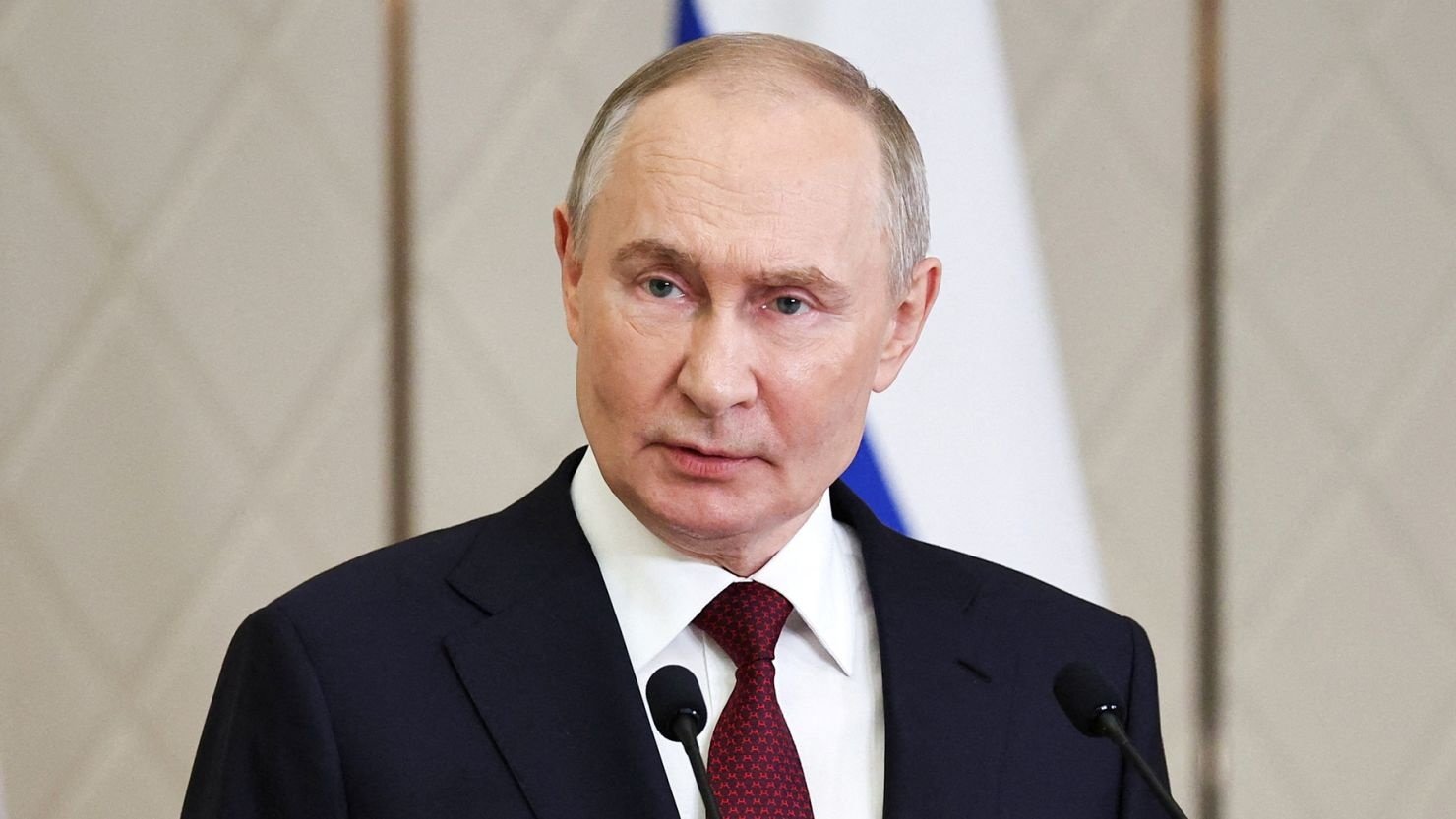
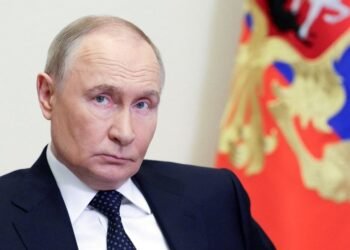
President Vladimir Putin has hardened his longstanding territorial demands ahead of high-stakes talks with US officials in Moscow, declaring that Russia will only halt its offensive in Ukraine once Kyiv’s forces fully withdraw from regions claimed by the Kremlin. The Russian leader’s remarks underscore how far apart the two sides remain, even as a recent surge of diplomatic activity has raised hopes in Washington for progress toward a negotiated settlement.
Speaking during a visit to Kyrgyzstan, Putin reiterated that any end to the war must include Ukrainian military withdrawal from the entire Donbas region—comprising Luhansk and Donetsk—and recognition of Russia’s control over Crimea, annexed in 2014. Kyiv has repeatedly rejected such conditions, stating that rewarding aggression is unacceptable and that Ukraine will not cede sovereignty over any part of its internationally recognised territory.
Ukraine’s President Volodymyr Zelensky responded by accusing Moscow of “scorning” genuine efforts to achieve peace. In a late-night address, he said that while Ukraine remained committed to diplomacy, any agreement must ensure both peace and solid security guarantees for his country’s future. The Ukrainian leader also confirmed that US and Ukrainian teams would continue technical talks aimed at translating tentative understandings reached in Geneva into actionable proposals.

The renewed diplomatic push follows reports that American and Russian officials drafted a preliminary peace outline earlier in October. Though initially leaning heavily toward Moscow’s demands, the plan was subsequently revised during discussions among US, Ukrainian, and European negotiators in Switzerland. Yet the issue of Russia’s occupation of Ukrainian territory—long the core obstacle to a settlement—remains unresolved.
Putin said Moscow had now reviewed the newest draft and described it as a possible “basis” for future negotiations. Still, he emphasised that certain “specific points” required further refinement in diplomatic language. Asked about suggestions that Crimea and the Donbas might be acknowledged as under Russian de facto control but not legally recognised as Russian territory, he confirmed that such ideas were part of ongoing discussions with American representatives.
A US delegation led by special envoy Steve Witkoff is expected in Moscow next week, with President Donald Trump hinting that his son-in-law Jared Kushner may also join the talks. Trump has publicly suggested that only a handful of disagreements remain between Russia and Ukraine, even implying that his own meeting with Zelensky would depend on the success of these discussions. In Kyiv, senior Ukrainian officials have said US Army Secretary Dan Driscoll is due to visit later in the week, though neither side has provided details about his role.

Despite the diplomatic activity, Putin dismissed the legitimacy of Ukraine’s government, claiming once again that there was “no use” signing documents with Zelensky. His comments come even though Ukraine’s parliament earlier this year unanimously extended the president’s mandate under martial law, which has been in place since Russia launched its full-scale invasion in February 2022.
On the battlefield, Russia continues to make slow, grinding advances in eastern Ukraine. Yet these gains have come at a steep cost in manpower and equipment. Analysts at the US-based Institute for the Study of War estimate that, at the current pace, Russia could take nearly two more years to seize the remaining parts of the Donetsk region still under Ukrainian control. Moscow nevertheless insists it has the advantage and is prepared to continue fighting “to the last Ukrainian”—a formulation Putin repeated during his press conference.
The Russian leader also scoffed at warnings from European security officials that Moscow could pose a threat to NATO members within the next decade. “That sounds laughable to us,” Putin said, brushing aside fears that Russia’s appetite for territorial expansion might extend beyond Ukraine.

European leaders, however, remain deeply sceptical of Russia’s intentions. European Commission president Ursula von der Leyen accused Moscow of clinging to a post-Second World War mindset, suggesting that the Kremlin still envisions Europe as a fragmented geopolitical landscape where powerful states carve out spheres of influence at the expense of smaller nations.
Against this backdrop, the flurry of diplomatic manoeuvring has produced cautious optimism in Washington but considerable wariness in Europe and Kyiv. For Ukraine, any negotiation that fails to restore its territorial integrity risks undermining the very principles of sovereignty and international law. For Russia, territorial recognition has become a central, non-negotiable pillar of its war aims.
As preparations continue for next week’s meetings in Moscow and Kyiv, the gulf between the two sides remains stark. Whether the latest round of diplomacy will narrow that divide—or simply expose how deeply entrenched each side has become—may determine the trajectory of the conflict in the months ahead. For now, Putin’s remarks make clear that Russia is not prepared to compromise on the very issues that Ukraine and its allies view as fundamental.
Related News:
 Trump to Recheck Green Cards from 19 Nations After DC Attack
 Mikie Sherrill Elected New Jersey’s Governor in Key Win
 Britain deploys RAF specialists to assist Belgium with drone threats
 Trump Claims Victory as Longest Shutdown Ends
 US Justice Department Files Lawsuit Against California Over Partisan Voting Maps
 December Run-Off in Chile as Election Produces No Winner
 UN Security Council Approves Trump’s Gaza Peace Plan
 Why Russian Liberals Push Strongly Pro-Israel Narratives
 Congress Approves Release of Epstein Files, Trump Expected to Sign
 Shadow Fleet at Sea: Europe’s Battle Against Illicit Oil Shipping
 Rama Rebukes Mahmood for Targeting Albanian Families
 Russian Vessel Used Lasers on RAF Pilots, UK Claims
 MP Offers Seat to Help Burnham Challenge Starmer
 Pentagon Officials in Ukraine to Discuss War End
 WhatsApp Messages Expose Nathan Gill’s Bribery
 Miss Mexico Wins Miss Universe After Walkout Drama
 Venezuela Threatens Nobel Winner Machado with Fugitive Status
 Texas Governor Faces Lawsuit From CAIR
 Mamdani’s Vision: Affordable, Democratic Socialism
 Trump Envoy to Discuss Ukraine Peace at Kremlin
 Two National Guard Soldiers Critically Injured Near White House
 Pope Leo XIV Begins Historic Trip to Turkey and Lebanon
 Georgians Defy Government Crackdown After Year of Protests
 US National Guard Member Killed in DC Shooting
 India’s Labour Law Overhaul Sparks Fierce Debate
 Video shows Israeli troops kill Palestinians after surrender
 Trump to pause migration from ‘third-world countries’
 Chinese & Japanese Boats Clash Near Disputed Islands
 Putin Meets US Envoy Amid Key Ukraine Peace Talks
 Kremlin Talks With US Yield No Ukraine Peace Breakthrough
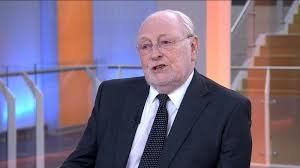 Kinnock’s Rebuke Echoes Loudly as Corbyn Allies Launch Left-Wing Breakaway: “A Gift to Farage”
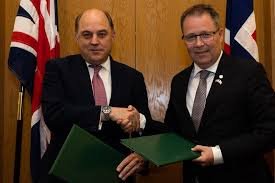 UK and Norway Forge Stronger Ties Through Joint Sanctions and Enhanced Defence Cooperation
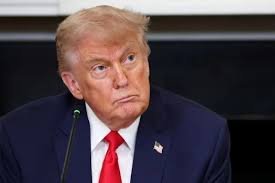 Trump Administration Dismisses 17 Immigration Judges, Sparking Debate Over Judicial Independence
 Lammy Condemns Israel’s Targeting of Starving Palestinians: Sanctions Threatened Amid Global Outrage
 Netanyahu Announces Plan to Take Over Gaza City, Escalating Conflict Further
 Prominent Al Jazeera Journalist Anas al-Sharif Among Five Reporters Killed in Israeli Airstrike on Gaza
 Denmark Investigates Professional Drone Incursions Across Multiple Airports, No Evidence of Russian Involvement
 Misinformation and Political Pressure Force Weston-super-Mare to Abandon Refugee Sanctuary Plan
 British Woman in Iran ‘Losing Hope’ Amid Ongoing Detention
 BBC Journalist Held and Interrogated in Vietnam
 Green Party Surges Past Labour in Latest UK Poll
 Celebrities and Charities Demand UK Government Act on Child Poverty
 UK University Suspends Human Rights Research Following Pressure from China
 UK University Faces Counter-Terror Probe Over China Pressure
 Boris Johnson accused of undermining BBC leadership
 BBC to Apologise Over Edited Trump Speech Amid Backlash
 ‘Reckless’ cuts to victims’ services will cost more than they save
 US Senate Passes Funding Bill to End Historic Shutdown
 Mary Earps’s Manchester United Return Faces Mixed Reception
 Politics latest: Starmer ‘will fight any leadership coup’ as Streeting denies attempt to oust Labour PM
 Ukraine-Russia war latest: Putin’s troops exploit bad weather to force Kyiv withdrawal from multiple towns
 PM Condemns Leaks, Vows Loyalty to Ministers and Stability
 Hitler’s DNA Confirms He Truly Had Only One Testicle
 Israel Confirms Returned Hostage as Meny Godard
 Greene Pushes Epstein Files Amid Trump Fallout
 Trump Deploys DHS to Charlotte in Major Arrest Operation
 Zelenskyy Signs Fighter Jet Deal Amid Russian Drone Attacks
 Orban Says Ukraine Has ‘No Chance’ as EU Support Continues
 Canada Passes Carney’s First Budget in Tight Parliamentary Vote
 Israeli Strike Kills 13 Near Palestinian Camp in Lebanon
 Zelensky Meets US Envoy in Turkey to Push Ukraine Peace Talks
 Haiti Qualifies for World Cup Despite Coach Never Visiting Country
 Deadly Russian Strikes Hit Western Ukraine, 20 Killed in Ternopil
 Labour Faces Historic Decline in Wales
 Ukraine Peace Plan: Zelensky Ready for Dialogue
 Vietnam Battles Deadly Floods as Rains Continue
 Director Michael Caton-Jones Reflects on Career and Beginnings
 India’s COP30 Delay Raises Global Climate Concerns
 At Least Three Dead in Bangladesh Earthquake
 Most Tories Expect to Support a Farage-Led Government
 Israel Confirms Hamas Returned Dror Or’s Body
 Millions Face Higher Taxes Under Reeves New Budget
 Peers Get Extra Time to Debate Assisted Dying Bill
 US Suspends Afghan Immigration After White House Shooting
 Mbappe Scores 4 as Real Madrid Edge Olympiakos
 Man City Lose, Champions League Risk
 Sri Lanka Floods Leave 56 Dead, Dozens Missing
 Government righting decades-old injustice for miners
 Jordan Bardella: France’s Young Presidential Contender
 Indonesia to Repatriate Two Dutch Drug Convicts