Published: 01 April 2026. The English Chronicle Desk. The English Chronicle Online.
The prime minister stood before the famous black door of Downing Street this morning. Sir Keir Starmer delivered a speech that felt like a major shift in British policy. He spoke about the urgent need for a much closer partnership with the European Union. The ongoing war in Iran has clearly forced a rethink within the current British government. Starmer argued that the volatile international situation makes European unity more essential than ever before. He believe that Britain’s long-term national interest is now tied directly to our closest neighbours. The conflict in the Middle East has refocused the cabinet on building very ambitious ties. These new connections will target both economic growth and a shared continental defence strategy today. Starmer suggested that the resolution of this crisis would define Britain for a whole generation. He emphasized that the world has become far too dangerous for the UK to stand alone.
The prime minister used this address to announce a significant new diplomatic meeting this week. The foreign secretary will host international partners to discuss the vital Strait of Hormuz situation. This strategic waterway remains a critical chokepoint for the global supply of energy and goods. Fighting in the region has caused massive disruption to shipping routes and global trade prices. Starmer confirmed that military planners would soon convene to look at all available British capabilities. They want to ensure the strait is accessible and safe once the current fighting stops. The prime minister was honest with the public about the scale of this difficult task. He warned the nation that restoring stability to the region will not be easy work. This mission represents a significant commitment of British resources during a very tense global period. The government appears ready to lead on the world stage despite many domestic economic pressures.
There was a clear sense that Britain is now pivoting away from traditional American reliance. Starmer indicated that he sees the UK’s future as being more closely tied to Europe. This comes ahead of a major summit with the European Union scheduled for next month. It follows a reset meeting last year that attempted to repair damaged post-Brexit diplomatic relations. The prime minister admitted that Brexit has done very deep damage to the British economy. He stated that opportunities to strengthen security and cut living costs are too big to ignore. The government wants to move beyond the basic commitments that were made at previous summits. Starmer is seeking closer economic cooperation and a much deeper security partnership with Brussels officials. He spoke of a future that recognizes shared values and shared interests across the continent. This vision is a direct response to the dangerous world we must navigate together now.

Journalists asked if this shift was caused by a deteriorating relationship with Donald Trump lately. The former president has continued to castigate both Britain and the prime minister quite personally. Starmer replied that pan-European security cooperation is actually in the interest of every single nation. He suggested that a stronger Europe would eventually help strengthen the relationship with the United States. This perspective seeks to frame the European pivot as a boost to the wider alliance. However, the tension between London and the current political climate in Washington remains very visible. The prime minister seems determined to find stability through European channels while America remains politically divided. This strategy marks a significant departure from the special relationship focus of previous British leaders. It suggests a more pragmatic approach to the changing realities of modern global power structures.
The prime minister was also asked about recent threats regarding the future of the alliance. Reports suggest that Donald Trump is strongly considering pulling the United States out of Nato. Starmer responded by saying he would always act in the best British national interest. He dismissed the political noise and pressure that often surrounds these major international policy decisions. The prime minister promised to stay focused on the safety and prosperity of the UK. This resolve will be tested as the conflict in Iran continues to impact global markets. Energy prices remain a major concern for households across the country during this difficult winter. Starmer believes that a closer trade deal with Europe could help mitigate these rising costs. He wants to remove the barriers that have hindered British businesses since the Brexit transition. This ambitious plan requires a level of cooperation not seen in over a decade.
The upcoming summit will be a turning point for the government’s foreign policy and trade. Officials are working behind the scenes to draft new agreements on security and intelligence sharing. There is a growing consensus that European nations must take more responsibility for their defense. The war in Iran has highlighted the vulnerability of global trade to regional military conflicts. Britain’s role in securing the Strait of Hormuz is seen as a vital contribution here. Starmer hopes that this leadership will earn goodwill from European leaders in other policy areas. He is gambling that a more integrated Europe can provide a buffer against global instability. The British public remains divided on the issue of Europe but seeks economic stability above all. Starmer is framing this shift as a common-sense solution to very extraordinary global problems. His success will depend on the willingness of EU leaders to embrace this new vision.
The rhetoric from Downing Street today was notably more pro-European than in previous months of governance. Starmer appears to be preparing the public for a much deeper level of institutional integration. While he has ruled out joining the single market, the proposed ties are very significant. Cooperation on energy security and climate change will likely form the backbone of new deals. The prime minister knows that the UK needs reliable partners to survive the current turmoil. He is positioning Britain as a bridge between European values and a changing global order. The speech was designed to project strength and clarity during a time of great uncertainty. Many analysts believe this is the most honest assessment of Brexit’s impact by a leader. Starmer is no longer trying to hide the economic challenges posed by the previous withdrawal. He is looking for practical ways to fix the cracks in the British economic foundation.
The reaction from international markets to the prime minister’s speech has been cautiously optimistic so far. Investors are looking for signs of long-term stability in the relationship between London and Brussels. A closer partnership could reduce the red tape that has frustrated many British exporters recently. However, the path to a new treaty is filled with many complex political hurdles today. Starmer will need to balance his European ambitions with the concerns of more skeptical voters. The shadow of the Iran war provides a powerful justification for this radical policy change. It allows the government to frame European cooperation as a matter of urgent national security. This narrative may help to quieten some of the internal opposition within the political class. The prime minister is clearly betting his political legacy on this major strategic shift. He believes that the British people want a leader who faces reality with courage.
 As the foreign secretary prepares for the upcoming meeting, all eyes are on the Middle East. The situation in the Strait of Hormuz remains the most immediate threat to global peace. British military planners are already assessing the risks of a long-term presence in the region. This operation will require close coordination with European navies and other international maritime forces. Starmer’s call for a collective response reflects a move away from unilateral military action. It signals a preference for multilateralism and international law in solving complex regional disputes. The prime minister’s tone was sober and reflective of the high stakes involved in war. He understands that the consequences of failure would be felt in every British home. This is why he is pushing for a more ambitious and unified European front. The world is watching to see how Britain navigates this very difficult and dangerous path.
In conclusion, Sir Keir Starmer has set a new course for the United Kingdom today. He has linked our domestic prosperity to the success of our relationship with our neighbors. The war in Iran has served as a catalyst for a profound change in strategy. Britain is moving toward a future defined by European cooperation rather than post-Brexit isolationism lately. The prime minister is ready to lead the nation through these very turbulent international waters. He has offered a vision of a Britain that is secure, ambitious, and European. This shift represents a pragmatic response to a world that is changing very quickly. The coming months will reveal if this new ambition can be turned into reality. Starmer is confident that this is the only way to protect the British national interest. The road ahead is long but the direction of travel is now very clear. Britain is looking toward Europe to find its place in a very dangerous world.
Related News:
 Trump Plans Venezuela Meeting, Warns of Cartel Land Strikes
 Mandelson apologises over Epstein ties after public scrutiny
 US Senate rejects resolution limiting Trump military powers
 Trump Calls Greenland Critical for US Security After Denmark Talks
 Trump: Iran Killing Has Stopped, Strike Threats Pulled Back
 Machado Trump medal gesture reshapes Venezuela power struggle
 Trump Receives Machado’s Nobel Medal in White House Meeting
 Iran unrest slows under brutal crackdown and global tensions
 Trump Allies Pursue $200m European Gas Pipeline Deal
 US Considers Asylum for British Jews Amid Rising Antisemitism
 Starmer Challenges US Over Controversial Greenland Deal
 Spoof “Make America Go Away” Caps Rally Denmark Over Greenland
 Trump slams UK ‘stupidity’ over Chagos Islands, eyes Greenland takeover
 UK Presses On With Chagos Handover Despite Trump Criticism
 Kim Jong-un Fires Vice-Premier Over Factory Failures
 Shinzo Abe’s killer receives life sentence in Japan
 Starmer Resists Matching Trump Amid Greenland Tensions
 Netanyahu Accepts Trump’s ‘Board of Peace’ Invitation
 South Korean Ex-PM Jailed 23 Years Over Martial Law Role
 Canada Rules Out Free Trade Deal With China Amid US Tensions
 Snow Threatens Japan Election Turnout Amid Extreme Cold
 Keir Starmer meets Xi to strengthen UK-China economic relations
 Cambridge Faces Scrutiny Over Arms Investment Transparency
 Files Link Andrew to Epstein Dinner After Prison Release
 Thousands Protest ICE Operations in Nationwide US Day of Action
 Epstein Files Reveal Trump Officials’ Emails with Financier
 Thousands Protest ICE in New York Against Trump Deportation Campaign
 Trump-Petro Meeting Sparks Hopes of Diplomatic Detente
 Epstein UAE Emails Shake British Royal Andrew’s Legacy
 Liberal Fallout: Taylor Challenge Casts Shadow Over Sussan Ley’s Leadership
 Ukraine, Russia Meet in Geneva Ahead of War Anniversary
 Brazilian Politician Brothers Sentenced for Marielle Murder
 Tommy Robinson Meets Trump Officials at US State Department
 New Zealand Covid Response Praised Despite Lingering Scars
 HMS Dragon to Head to Cyprus Amid Rising Tensions
 Starmer Praised for Stance on Trump and Iran Conflict
 Yvette Cooper: UK Must Follow Principles, Not US Pressure
 UK Ministers Signal Strategic Independence From Trump Demands
 Florida Governor renames Palm Beach Airport for Donald Trump
 Big Tech Faces Investigation Over Australia’s Social Media Ban
 Farage Shuns Truss as US Right-Wing Roadshow Hits London
 European Leaders Slam Hungary Over Alleged Russian Ties
 A Global Voice For Justice: Stephen Lewis Dies At Age 88
 Trump Mocks Starmer and UK Carriers in White House Speech
 Final Countdown as Trump Deadline Looms Over Tehran
 Starmer visits Gulf as US and Iran agree ceasefire
 GOP Senator Criticizes Trump’s Feud With Pope Leo XIV
 Global Oil Prices Surge Amid Renewed Gulf Tensions
 Faith and Power: Catholics React to Trump-Pope Feud
 Timor-Leste Faces Tough Questions Over Resort Proposal
 Security Scrutiny After Washington Shooting Incident
 Aukus Submarine Plan Faces Critical Failures
 UK Envoy Sparks Controversy Over Special Relationship Claims
 US Calls Australia Media Law “Foreign Extortion”
 USS Gerald R Ford Ends Record Naval Deployment
 Activists allege abuse after Gaza flotilla seizure
 Australia pushes Pacific security pact amid China tension
 Indiana Republicans Defy Trump in Key Vote Test
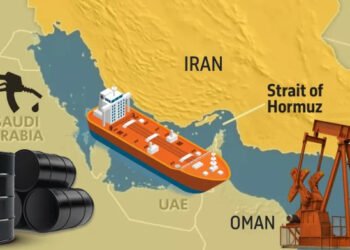 Middle East Crisis Escalates as Oil Routes Shake Markets
 One Nation Candidate’s Surprising Ties to Independents
 Anika Wells Repays Over £5,000 in Travel Claims
 Tensions Emerge in Netanyahu-Trump Alliance
 California Mayor Resigns Over Foreign Agent Charges
 Liberal Senator Criticises Immigration Rhetoric
 Hanson Stunner: Norway Model Sparking Energy Row
 Tony Abbott Returns as New Liberal Party President
 Tulsi Gabbard exits after turbulent intelligence tenure
 UK Urged to Build EU Rejoin Consensus, Says Miliband
 Zelenskyy warns over Oreshnik threat as Kyiv hit
 Discontent grows around Putin amid war strain
 Former ICC prosecutor condemns US sanctions
 Trump Weighs Retreat from Controversial $1.8bn Slush Fund
 Iran Prepares for Massive Six-Day Funeral for Khamenei
 Trump’s Mount Rushmore Speech: A Divisive Anniversary
 Iran Mourns: Millions at Khamenei’s Final Procession
 Starmer Braces for Nato Spending Clash in Ankara
 Trump Swaps Planes Amid Iran Tensions
 House Democrats Divided Over Israel Military Funding Bid
 Houthis Strike Saudi Arabia as Middle East Tensions Rise
 Taliban global ties grow as rights fears mount