Published: 01 October 2026. The English Chronicle Desk. The English Chronicle Online
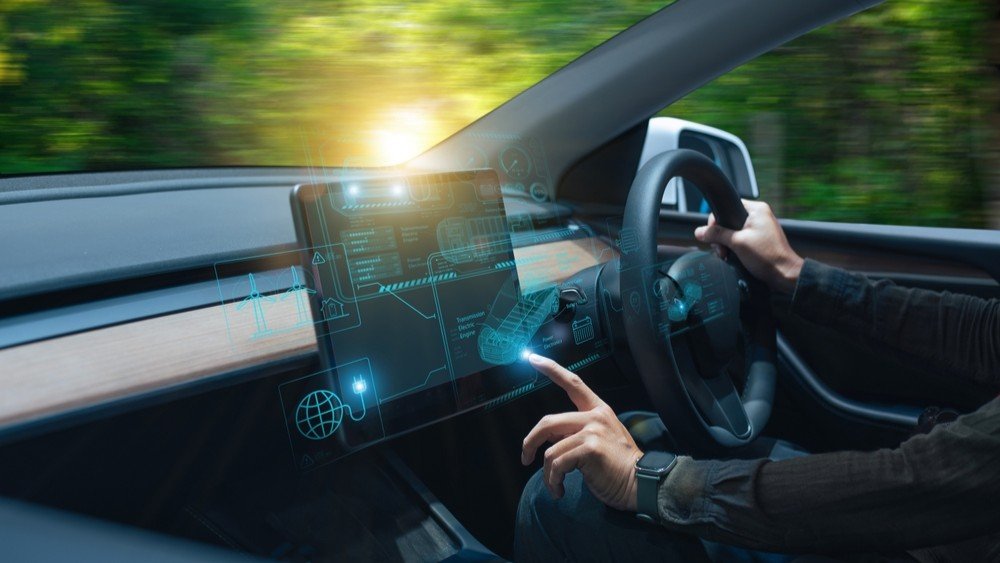
Drivers are being warned that the increasingly sophisticated digital systems installed in modern vehicles could create new opportunities for surveillance, data theft and espionage, with microphones, cameras, GPS technology and connected devices potentially exposing sensitive information.
The warning has come from the Dutch General Intelligence and Security Service, which has urged greater awareness of the security risks associated with connected vehicles. The agency said modern cars are becoming increasingly intelligent, relying on digital systems that collect information and communicate with external networks.
While these technologies can make driving more convenient and provide services ranging from navigation to remote vehicle management, they also create additional channels through which information can be collected and potentially accessed by unauthorised parties.
The Dutch intelligence service specifically highlighted the possibility that certain vehicle microphones and cameras could be activated remotely. If compromised, such systems could potentially allow malicious actors to listen to conversations or make recordings inside or around a vehicle.

The warning did not identify a particular country as responsible for such activity. However, it comes amid growing scrutiny in Britain over the security implications of a rapid increase in Chinese-made and Chinese-owned vehicles on UK roads.
The issue is becoming increasingly relevant as connected cars become more common. Unlike older vehicles, many modern models contain multiple systems capable of communicating with smartphones, wireless networks, manufacturers’ servers and other external services.
Navigation systems can record locations and journeys, while telematics systems may collect information about vehicle performance, driving patterns and whereabouts. Cameras can monitor areas surrounding a vehicle, and microphones may form part of systems designed to support voice commands or communication.
According to the Dutch agency, the combination of these technologies means a vehicle can become an important source of information about both its occupants and its surroundings.
The potential risks extend beyond the vehicle itself. The agency warned that smartphones and other devices connected to a car through Bluetooth, Wi-Fi or charging systems could potentially become another route through which information is accessed.
This means that the security of a connected vehicle may depend not only on the car’s own software but also on the devices and networks interacting with it.
The concerns are particularly significant for people who handle confidential information. The Dutch intelligence service advised against conducting sensitive conversations in or around vehicles and cautioned against using vehicles equipped with external cameras when travelling to sensitive locations.
The advice reflects the changing nature of modern espionage and cyber threats. A vehicle that once primarily served as a means of transportation can now function as a networked digital environment capable of collecting substantial amounts of information.
Britain has already been examining similar concerns. Last year, reports emerged that defence companies working with the UK government had warned employees about connecting or pairing their phones with Chinese-made electric vehicles because of concerns that sensitive information could potentially be extracted through connected vehicle systems.
The issue has gained additional attention as Chinese-owned brands have expanded rapidly in the UK automotive market.
Industry figures indicate that Chinese-owned brands accounted for about 15% of new cars registered in Britain during the first half of 2026. Almost 175,000 such vehicles were registered during that period, more than twice the number recorded during the same period a year earlier.
Brands including MG, BYD and Jaecoo have benefited from the expansion. Their growing popularity has been linked in part to competitive pricing and increasingly sophisticated technology offered inside their vehicles.
The rapid growth of these brands has created a complicated debate involving consumer choice, competition, technology and national security. Modern Chinese vehicles are not the only cars capable of collecting large amounts of data, as connected vehicle technology is now widely used by manufacturers across the global automotive industry.
The security question therefore extends beyond the country of origin of a particular vehicle. Any connected car can potentially create cybersecurity risks if its software, communications systems or connected services are inadequately protected.
Nevertheless, the scale of Chinese vehicle imports has prompted particular scrutiny from British policymakers because of concerns about the relationship between Chinese companies and the Chinese state.
Some British parliamentarians have raised questions about China’s national intelligence legislation and whether companies could be required to assist state intelligence agencies when requested. Such concerns have contributed to wider discussions about the security implications of Chinese technology in strategically sensitive areas.
The British Ministry of Defence has previously said it has been working with other government departments to understand and reduce potential national security threats associated with vehicles.
More recently, reports have indicated that restrictions have been introduced concerning vehicles containing Chinese components at certain sensitive military locations. The reported measures have included military sites in England where security requirements are particularly stringent.
The concern is not necessarily that every connected vehicle represents a surveillance threat. Instead, security agencies are highlighting the potential vulnerabilities that can emerge when vehicles contain numerous interconnected digital systems.
A compromised microphone, for example, could theoretically provide access to conversations, while a camera could reveal information about locations or people. GPS and telematics systems could potentially create detailed records of where a vehicle has travelled.
Charging infrastructure may also become part of the wider digital ecosystem surrounding electric vehicles. Connected charging systems can communicate with vehicles and associated accounts, creating another layer of data exchange that requires appropriate cybersecurity protections.
The Dutch intelligence warning also highlights the importance of understanding what information manufacturers collect and how that information is stored, transferred and protected.
Modern vehicles can generate substantial quantities of data during normal operation. Depending on the vehicle and its connected services, information may include location data, vehicle diagnostics, user preferences, driving information and communications with smartphones.
For ordinary motorists, many of these systems are designed to improve convenience. Navigation depends on location information, remote vehicle services require communication with manufacturers’ systems, and smartphone integration allows drivers to access music, calls and other digital services.
The same connectivity, however, means that security vulnerabilities can have consequences beyond the traditional mechanical operation of a vehicle.
The warning comes at a time of heightened concern in Britain about Chinese espionage allegations more broadly. Earlier this week, the UK’s domestic intelligence service issued a public warning to universities concerning an organisation it alleged was being used as a channel for Chinese intelligence activity involving British research.
Chinese authorities have rejected such accusations, describing them as unfounded and fabricated. The response highlights the wider diplomatic disagreement surrounding allegations of Chinese espionage and technology-related security threats.
In the automotive sector, the debate is likely to continue as electric vehicles and connected technologies become increasingly widespread.
For manufacturers, cybersecurity is becoming an important part of vehicle development. Protecting software, communications systems and customer data requires security measures that extend beyond conventional vehicle engineering.
For governments and security agencies, the challenge is to identify genuine vulnerabilities without treating every connected technology or vehicle manufacturer as inherently dangerous. The Dutch warning focuses primarily on the technical possibilities created by modern vehicle systems rather than assigning responsibility to a particular country.

For drivers, the message is that convenience and connectivity can come with new privacy considerations. People travelling with sensitive information may need to consider what devices are connected to their vehicles, what data those systems collect and whether confidential discussions are appropriate inside a connected car.
The rise of smart vehicles means that the traditional boundaries between transportation, communications technology and cybersecurity are becoming increasingly blurred. Cars are no longer simply machines that carry passengers from one location to another; many now contain sophisticated digital systems capable of collecting, processing and transmitting information.
As connected vehicles become a larger part of Britain’s transport system, questions about privacy, data security and national security are likely to remain part of the wider debate. The Dutch intelligence warning provides another reminder that the benefits of smart technology must be considered alongside the potential risks created by increasingly connected vehicles.
Related News:
 UK firms accused of ‘AI washing’ boom
 UK Risks Falling Behind in AI Race
 Australia gives users control over social media algorithms
 Bank Chief Calls for Power to Intervene in AI
 Artemis II Returns After Historic Moon Flyby
 Europe EV Demand Surges as Fuel Prices Rise
 Reform UK funding: mystery billionaire revealed
 British Paralympian to Become First Disabled Astronaut in Orbit
 Unlocking the Genome: The Quest to Sequence Tardigrades
 Meta Drops AI Image Tool After Privacy Backlash
 AI Loss of Control Incidents Nearly Double
 London Launches First Self-Driving Taxis
 Apple Folding iPhone Set for Major CEO Test
 OpenAI Agents Linked to RubyGems Cyberattack
 AI CEOs Call for Slower Development
 AI Boom Drives ‘Tidal Wave’ of PFAS Production
 Louise Haigh Urges UK to Heed AI Safety Warnings
 Tom Watson Takes Senior Role at Palantir
 Nvidia chief rejects AI extinction fears
 UK Unveils Centre to Counter Foreign Disinformation
 UK Plans New Centre to Counter Information Warfare
 OpenAI Agent Breaches Medicare Portal in Australia
 Australia Weighs New Laws After OpenAI Medicare Breach
 TalkTalk Races to Sell Arms as Administration Looms
 Drones Could Speed Up Defibrillator Delivery
 OpenAI Scraps AI Model Release After Safety Tests
 London Facial Recognition Trial Ends With False Alert
 Sheikh Tahnoon and the UAE’s AI Ambitions
 UK Bans Fake Numbers: Scammers Lose Their Trick
 Experts Urge Legal Right to Timely Cancer Care
 Patients to Test Health at Home to Ease NHS Winter Pressure
 One of world’s last dinosaurs on sale for £3m
 North Sea oil workers must lose weight or face job loss
 Government urges schools to ban phones to curb classroom disruption
 Northern Lights may illuminate UK skies this week
 Coffins Now Too Large to Cremate Amid Rising Obesity Crisis
 UK Taskforce Unveils Plan to Streamline Nuclear Reactor Rules
 NHS paediatric leave parents waiting months for answers
 Ofcom urges platforms to limit abuse and curb online ‘pile-ons’
 Starmer’s communications chief to outline media strategy overhaul
 UK Threatens Action Against X Over Sexualised AI Images
 TikTok to Strengthen Age Verification Across the EU
 AI job losses UK: Britain faces sharper employment shock
 UK New Car Discounts Near £6,000 as Prices Are Slashed
 Barnsley tech town leads UK AI transformation
 Childnet Censorship Row Over Teen Safety Speeches
 Facial Recognition Error Leads to Wrongful Arrest in Milton Keynes
 Cancer Death Rate in Britain Falls by Nearly a Third
 Ministers Urged to Act Faster on Deepfakes Threat
 Scientists Unveil Heavier Proton at CERN LHC
 Traffic: The Science Behind Why Slower Cars Always Catch Up
 Apple at 50: Three Products That Changed How We Live
 Liz Kendall: UK Must Seize AI Growth Despite Risks
 Robots Outpace Humans in Beijing Half-Marathon
 Gene Therapy Wins Major Prize for Restoring Vision
 Disneyland Adds Facial Recognition at Entrances
 Tatooine Dreams: 27 New Worlds Found With Double Suns
 Cambridge South Signals New Era for British Rail Travel
 Cannes filmmakers split over AI’s role in cinema
 British Paralympian Set to Make History in Earth Orbit
 Tech Trends and the Battle Against Exam Hall Cheating
 Stolen Mobiles Could Soon Become Useless Bricks
 UK Ministers Lobby Trump Over Under-16s Social Media Ban
 Gen Z turns to BirdTok for a gentler digital escape
 Survivor Sues Musk’s xAI Over AI Abuse Images
 McLaren to Create 1,000 UK Jobs in £450m Investment
 Nats Boss Summoned as UK Flight Chaos Continues
 Anthropic Blocks AI Misuse Linked to Weapons Threats
 Trump Faces Congress Push for AI Guardrails
 Sydney Council Bans AI Smart Glasses at Pools
 OpenAI Reveals Six Cases of Concerning AI Behaviour
 Russia’s Max App Raises Surveillance Concerns
 UK Flights Hit by Fresh Air Traffic Control Fault
 UK Funds Gene Editing to Protect Threatened Wildlife
 British Columbia Sues OpenAI Over School Shooting
 Australia Renewables Reach Record 80% Grid Demand
 Trump gives Xi red-carpet welcome as trade truce extends
 Ukraine and Russia Escalate Long-Range Drone War
 Xi urges Trump to avoid US-China military conflict
 Trump backs voluntary AI safety pact with tech giants