Published: 04 May 2026. The English Chronicle Desk. The English Chronicle Online.
Berg Wu remembers the immense pride he felt when he was crowned world barista champion. The stands that June day in Dublin were packed with many cheering local friends. He bested talented competitors from more than fifty countries to take the first place. This historic victory occurred at the prestigious 2016 World Coffee Championships held in Ireland. As the first Taiwanese person to win, he draped a bright flag over shoulders. He posed for many pictures with his award while holding the Republic of China flag. But a decade later, that victory now carries a very bitter asterisk for him. On Wednesday, the Taiwan Coffee Association announced a truly sudden and quite shocking change. Organisers informed them that all Taiwanese participants must now compete as Chinese Taipei instead. This new rule is described as a basic and unavoidable condition for future participation. The move applies retroactively, meaning his past victory now represents an entirely different entity. Wu says his title now represents a name that he does not personally recognise.
The whole process was extremely opaque and happened without any prior warning or consultation. None of the competitors had heard anything about this major change before the announcement. No one in the wider coffee community was prepared for such a controversial shift. For decades, Olympians from Taiwan have had to compete under the name Chinese Taipei. This is an International Olympic Committee rule often attributed to pressure from the Chinese government. The Chinese Communist Party claims Taiwan as territory it eventually intends to fully annex. China uses its hefty influence to shrink Taiwan’s international space whenever it possibly can. This pressure appears at the United Nations and even within small birdwatching global associations. The recent move has enraged many members of the local Taiwanese coffee community today. One barista using a social media handle expressed deep anger over the sudden news. He claimed the decision made him shake with a sense of profound professional injustice.

Representation at coffee championships is a far cry from the scale of the Olympics. However, many people see this as a fresh blow in a global erasure campaign. China is actively waging a campaign to label the island as a Chinese province. The number of formal diplomatic allies for Taipei has shrunk to only twelve countries. China wields growing political and economic might to isolate the democratically ruled island nation. Beijing claims the island as a breakaway province despite never having ruled it directly. International companies are fearful of losing access to the world’s largest growing consumer market. They are increasingly referring to the island as a province of China to please Beijing. Many global brands yield to these wishes to ensure their continued economic survival abroad. Professor Sean Chen says this represents the Olympic formula spreading into everyday cultural life. He believes they are trying to erase all Taiwanese implications within modern international societies.
The worst thing is that even some Taiwanese people are slowly getting used to it. Participants competed under the name Taiwan for nineteen years without any major political issues. Barista Lin Shao-sing won the World Latte Art Championship in San Diego this April. He competed as a representative of Taiwan just weeks before this new rule appeared. Many people are now questioning why the organisers decided to change the rules now. The Taiwan Coffee Association says that talks are ongoing with the championship organisers currently. If they are unwilling to reverse the decision, Wu has very few choices left. He recognizes that reluctant compliance might be the only way to keep competing globally. When a large organisation makes an announcement, disagreement often leads to a total ban. That is the harsh reality facing young baristas who dream of winning world titles. The aroma of specialty coffee is now mixed with the scent of complex geopolitics.
This shift signals a broader trend where cultural events become sites of political tension. Coffee was once seen as a neutral ground for skill and artistic expression globally. Baristas spend years perfecting their craft to represent their homes on the world stage. Now, the identity of their home is being redefined by an external governing body. This creates a sense of loss for those who value their specific national heritage. The specialty coffee industry prides itself on transparency and ethical sourcing of every bean. Many fans find it hypocritical that the governing body lacks transparency in its politics. The retroactive nature of the name change is particularly painful for former world champions. It feels like rewriting history to suit a modern political climate that favors power. For Berg Wu, the golden memories of Dublin are now clouded by this news. He wonders if future winners will feel the same joy he once felt then.
Younger baristas in Taipei are now facing a difficult choice about their professional futures. They must decide if the title is worth more than their sense of identity. Some argue that the craft should remain separate from the name on the jacket. Others believe that the name represents the very soul of their local coffee culture. Taiwan has one of the highest densities of independent coffee roasters in the world. The island has developed a unique and vibrant cafe culture over the last century. This culture is distinct and reflects the history and creativity of the Taiwanese people. Using a proxy name feels like a denial of this rich and specific history. The global coffee community is watching closely to see how the association responds next. There is a hope that a compromise can be found to honor the athletes. However, the influence of large markets often outweighs the voices of smaller island nations.
The British coffee scene has also taken note of this developing international news story. Many UK roasters maintain close ties with Taiwanese farmers and award-winning local baristas. They recognise the high level of technical skill that comes from the vibrant island. News of the forced name change has sparked debates in cafes across London today. Supporters of the baristas argue that sports and skills should remain entirely neutral always. They worry that political pressure is ruining the spirit of international friendly craft competitions. The English Chronicle has reached out to the championship organisers for an official comment. As of today, the organisers have not provided a detailed explanation for the timing. The silence from the top adds to the frustration felt by the coffee community. It leaves many wondering which industry will be the next to face such pressure. For now, the baristas of Taiwan continue to brew their world-class morning coffee. They do so with a heavy heart but a steady hand and focus..

The resilience of the Taiwanese people is well known in the face of pressure. They have often found creative ways to assert their identity despite global naming restrictions. Perhaps the coffee community will find a way to signal their origins subtly. Every cup served is a testament to the land where the beans were grown. The geography of the island produces unique flavors that cannot be easily renamed or hidden. Tasters can identify a Taiwanese bean by its specific floral and complex fruit notes. These physical traits of the coffee remain unchanged regardless of the official team name. In the end, the quality of the work speaks louder than any label. Berg Wu still coaches young talents who hope to follow in his famous footsteps. He tells them to focus on the coffee and the people they serve. The passion for excellence is what truly defines a world champion in any field. Even with a new name, the spirit of Taiwan’s coffee remains very strong.
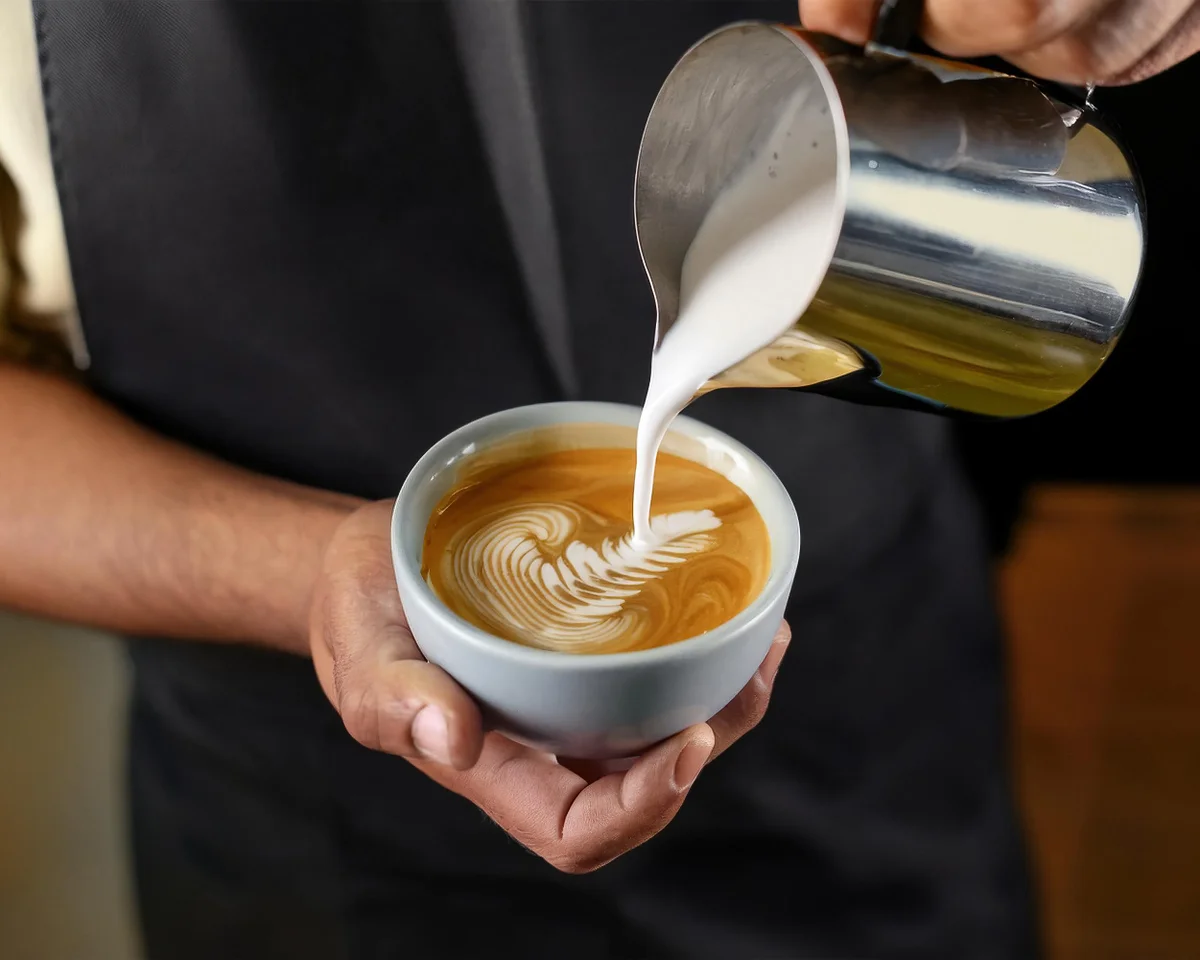
The struggle for recognition is a long and tiring road for many small nations. Each small victory in a niche field feels like a win for the country. When those wins are retroactively altered, it feels like a personal theft of pride. The international community must decide if it values fairness over the demands of power. For now, the baristas will prepare for the next big global stage soon. They will bring their best beans and their most refined skills to the table. The world will still see their faces and taste the excellence of their craft. No name change can take away the skill required to pour perfect latte art. The bitter aftertaste of this decision may linger for quite a long time indeed. But the pursuit of the perfect cup of coffee will always continue forward. The English Chronicle will continue to follow this story as it develops further. We stand with those who seek to represent their true homes with total honesty. This is a story about more than just coffee and steamed hot milk. It is a story about the right to exist as who you are.
Related News:
 Capitol Attack Anniversary Sparks Deep Political Divide
 Saudi Officials Report Zubaidi Flee Before Yemen Peace Talks
 UK Targets in New York Bomb Threat Hoax: Man Jailed
 Gambia Supreme Court Hears Case to Overturn FGM Ban
 Trump targets Iran trade with 25% tariff warning
 US Senate rejects resolution limiting Trump military powers
 Gulf states warn Trump Iran strikes risk wider Middle East war
 Machado Trump medal gesture reshapes Venezuela power struggle
 Greenland defence seen as shared Nato duty amid troop arrivals
 Geopolitical football: Iran, Trump and the World Cup clash
 Canada-China trade gains momentum in new strategic partnership
 Trump Receives Machado’s Nobel Medal in White House Meeting
 Syria President Declares Victory as Ceasefire Reached with SDF
 US Considers Asylum for British Jews Amid Rising Antisemitism
 Trump slams UK ‘stupidity’ over Chagos Islands, eyes Greenland takeover
 Shinzo Abe’s killer receives life sentence in Japan
 China General Under Investigation Amid Leadership Purge
 Philippines ferry disaster leaves 15 dead, dozens missing
 Cambridge Faces Scrutiny Over Arms Investment Transparency
 Epstein UAE Emails Shake British Royal Andrew’s Legacy
 Christchurch gunman seeks to vacate guilty plea
 Infantino Faces Russia Threat and Trump Concerns at Uefa Congress
 Concerns rise for Canberra boy amid Iran detention fears
 Caribbean Leaders Urge Dialogue Amid US Oil Embargo on Cuba
 Ukraine Sends Drone Experts to Defend US Bases in Jordan
 Abramovich Chelsea Sale Cash Faces Jersey Probe
 Yvette Cooper: UK Must Follow Principles, Not US Pressure
 Slovenia Election: A Nation at a Crossroads
 Jury Rules Meta and YouTube Liable for Addictive Design
 Saudi Arabia Urging US to Keep Up Iran Attacks
 Trump Softens Cuba Oil Stance as Russian Tanker Nears
 The Woman Guarding Earth From the Threat of Asteroids
 IMF Predicts Global Economic Crisis Due to Gulf Unrest
 California Defies Trump With Strict New AI Standards
 Germany Grapples With AI Abuse Following TV Star Scandal
 Exiled Tycoon Warns of New Russian Attacks on UK Soil
 LA 2028: Millions of Affordable Olympic Tickets Announced
 Trump Slams Europe as Transatlantic Tensions Boil Over
 Inside the Deceptive Machine: A Former Producer Speaks Out
 Italy Faces Third Successive World Cup Absence After Loss
 Spain Faces Backlash Over Xenophobic Chants in Egypt Draw
 A Global Voice For Justice: Stephen Lewis Dies At Age 88
 Hope and Fear as Iranians Flee Across the Turkish Border
 Tragic End to Outback Search as Floods Claim a Life
 Ben Roberts-Smith Arrested Over Alleged War Crimes
 Reform UK Pledges To Halt Visas Over Reparations Demands
 US and Iran Agree to Two-Week Provisional Ceasefire
 Starmer visits Gulf as US and Iran agree ceasefire
 Gaza Child Arrives in UK for Life-Changing Care
 Israel Defies Ceasefire as Lebanon Operations Persist
 Pakistan Brokers Historic Peace Deal Amid Rising Tensions
 UK Holds Firm on Strait of Hormuz Amid Trump Pressure
 Rory McIlroy Eyes New Horizons After Masters Defence
 Trump Signals Hope for New Iran Talks as Ceasefire Fades
 Reeves Slams Trump Over Iran War Lack Of Exit Plan
 US and Iran Pursue Extension of Ceasefire via Pakistan
 Trump’s Islamabad Gamble: The High Stakes of a New Iran Deal
 Wall Street Hits Historic High Amid Hopes for Iranian Peace
 Ian Katz to Step Down as Channel 4 Content Chief
 The General’s Gambit: Pakistan’s New Role in Global Peace
 Mexico, Spain and Brazil call for Cuba dialogue amid crisis
 US Forces Seize Iranian Ship Near Hormuz Blockade
 Pakistan’s Ambitious Bid for Middle East Peace
 Trump Starts $166bn Tariff Refund Process
 Israeli Soldiers Jailed Over Vandalism of Lebanese Statue
 Trump Weighs Sending Afghan Allies to the Congo
 Timor-Leste Faces Tough Questions Over Resort Proposal
 Pentagon Shakes Up Navy Leadership Amid Hormuz Blockade
 Trump Threatens UK With Big Tariff Over Tech Tax
 Prominent Voices Challenge Palestine Action Ban
 Security Scrutiny After Washington Shooting Incident
 Stalled Diplomacy: Middle East Peace Efforts Reach Deadlock
 Merz Criticises US Approach in Iran Conflict
 UK Envoy Sparks Controversy Over Special Relationship Claims
 Ukraine Urges UK to Seize Russian Oil Tankers
 US Calls Australia Media Law “Foreign Extortion”
 The Billionaire’s Secretary and the £1m Fraud
 Desperation in Odisha: A Brother’s Grim Bank Protest
 Questions Remain Over The Tragic Bondi Massacre
 Ukraine strikes Tuapse as oil disaster worsens