Published: 04 May 2026. The English Chronicle Desk. The English Chronicle Online.
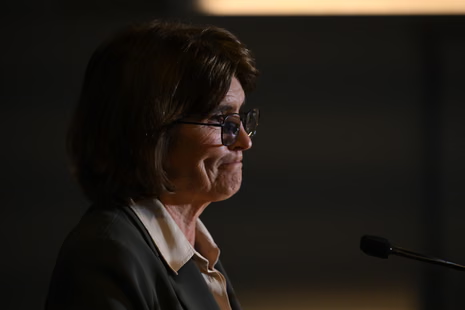
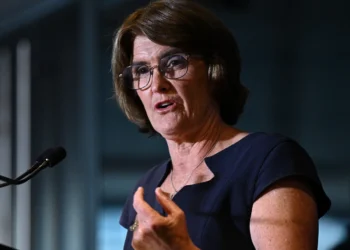
The recent statement from Michele Bullock serves as a sobering reminder of global interconnectedness today. Her words suggest that Australians are now facing a reality that is difficult to accept easily. The governor of the central bank delivered a message that few people ever want to hear. She noted that citizens are becoming poorer and there is currently no simple way out now. This blunt assessment followed the announcement of a third consecutive interest rate hike for the nation. Such a move rarely wins applause from a public already struggling with high daily living costs. However, her logic regarding the conflict between the United States and Iran remains very hard to fault. The war on the other side of the world has created a significant shock for everyone. This disruption has sent oil and energy prices climbing to levels that strain every household budget. Commodity prices across the board are being impacted by the instability within the Middle Eastern region. Bullock explained to journalists that these external pressures are making the entire population feel much poorer. The Reserve Bank of Australia has released forecasts that confirm this very somber economic outlook soon. Higher prices and lower growth are the primary features of the current financial landscape in Australia. Wage increases are unfortunately failing to keep pace with the rapid rate of inflation right now. The economy is expected to grow at a very slow and anaemic rate during this year. Growth may reach only one point three percent which is half of the previous year’s pace. Bullock clarified that this situation does not necessarily signal a full technical recession for the country. Even the most pessimistic scenarios considered by the bank do not show a total economic collapse. Instead, the nation faces a period of economic malaise that many hoped to avoid this year. Just six months ago there was a sense of optimism that the worst had finally passed. Now that hope has been replaced by the reality of a conflict with far reaching effects. There is some good news found within the latest data provided by the central bank experts. Unemployment is expected to remain reasonably steady in the low four percent range through this December. This means that while people are getting poorer they are likely to remain employed for now. As far as silver linings go this particular one lacks the shine most people truly desire. One might think the decent thing to do is avoid putting more pressure on mortgage holders. Higher interest rates represent a heavy burden for families who are already stretched very thin today. Bullock maintains that she must focus on the long term rather than the next few months. She believes the current fuel shock is already locked into the system and must work through. The governor has only one blunt tool at her disposal to manage these complex economic forces. There were some small glimmers of sunlight mentioned during the recent press conference held on Tuesday. The latest rate increase provides the board with more space to observe the ongoing global conflict. Bullock suggested that another interest rate hike is not necessarily a certain or done deal yet. This phrase was repeated several times to emphasize that the bank remains cautious and very observant. Analysts at the National Australia Bank hold a somewhat different view of the current situation now. They believe the central bank is actually more worried about inflation than they are publicly admitting. These experts suggest that another rate hike could occur as early as the meeting in June. The ultimate path of the economy depends heavily on what happens next within the Iranian borders. There is another immediate factor that remains entirely outside of the control of the central bank. The upcoming government budget will play a massive role in how the economy performs this year. If households are getting poorer the government will feel an instinctive need to provide some relief. Bullock was more blunt than usual when discussing the potential impact of government spending programs today. She warned that giving more money to households makes it much harder to dampen consumer demand. Splashing taxpayer money around to ease the pain could force the bank to raise rates further. This type of talk is unlikely to be received well by the political leaders in Canberra. For now the Treasurer is promising to play a helpful role in fighting national inflation levels. The government claims it does not want to do anything that might harm the economic recovery. Balancing the needs of struggling families with the necessity of fiscal restraint is a difficult task. The war continues to cast a long shadow over the financial security of people living far away. Global supply chains are sensitive to any disruption occurring in the volatile and essential oil markets. Every increase in the price of crude oil eventually filters down to the local petrol pump. Higher transport costs then lead to more expensive groceries and services for every single Australian consumer. The ripple effects of a distant war are felt in the checkout lines of local supermarkets. Families are forced to make difficult choices about what they can afford to buy each week. The dream of home ownership feels more distant as mortgage repayments continue to rise quite sharply. Financial stress has a way of impacting the mental health and well being of the community.

Bullock is simply the messenger of a harsh reality that many people would prefer to ignore. Her honesty is refreshing even if the news she delivers is deeply unpopular with the public. The central bank must remain independent to make the tough decisions required for long term stability. It is a lonely position to hold when the entire country is feeling the financial pinch. The international community is watching the conflict closely to see if any resolution can be found. Peace in the Middle East would likely provide the relief that global markets so desperately need. Until then the economic forecast remains clouded by uncertainty and the threat of further price shocks. Australians are learning that global events have a direct impact on their personal bank account balances. The era of cheap energy and low interest rates appears to be over for the foreseeable. Policy makers must navigate a narrow path to avoid a deeper downturn while still controlling inflation. It is a high stakes game where the livelihoods of millions of people are at stake. The upcoming budget will be a true test of the government’s commitment to fiscal responsibility today. Voters will be looking for help while the central bank will be looking for restraint instead. This tension between political goals and economic necessity is a hallmark of the current era now. No one has a perfect solution for the problems caused by a sudden global energy crisis. The resilience of the Australian people will be tested as they adjust to being slightly poorer. Community support and careful budgeting will become essential tools for surviving this difficult period of history. The governor will continue to monitor the data and adjust her strategy as the situation evolves. Every decision made in the boardroom has a direct consequence for the person in the street. It is a heavy responsibility that requires a steady hand and a clear vision for the future. The war on the other side of the world is a reminder of our vulnerability. We are all part of a global system that can be disrupted by a single spark. Understanding this reality is the first step toward building a more resilient and stable national economy. Bullock has laid out the facts with a clarity that is both rare and very necessary. Whether the public accepts her logic or not the economic numbers tell a very clear story. The road ahead is likely to be bumpy and filled with many more financial challenges. Staying informed and prepared is the best defense against an unpredictable and changing global economic climate. The English Chronicle will continue to provide updates as this story develops over the coming weeks. We remain committed to delivering news that is fair and professional for our valued British readers. The world is changing quickly and we must all adapt to the new realities we face. Economic strength is built on a foundation of truth and a willingness to face hard facts. Bullock has provided that truth even if it is not the message we wanted today. We must now look forward and find ways to thrive in a more expensive world. This is the challenge of our time and we must face it with collective courage. The global economy is a complex beast that defies simple explanations or easy fixes for anyone. Australians are indeed poorer for now but the future still holds the potential for eventual recovery.
Related News:
 UPS Cargo Plane Crash in Kentucky Kills Seven
 US private equity set to acquire UK online retailer Very Group
 Switzerland Rolls Out Charm Offensive to Cut Trump’s 39% Tariffs
 Canada Passes Carney’s First Budget in Tight Parliamentary Vote
 India’s Labour Law Overhaul Sparks Fierce Debate
 Carney’s Alberta Pipeline Deal Sparks Immediate Pushback
 Mark Carney Walks Diplomatic Tightrope on China Visit
 Wall Street shaken by Trump tariff shock as markets tumble
 ‘Black Tax’: Burden, Pride and Survival for African Workers
 UK New Car Discounts Near £6,000 as Prices Are Slashed
 Coles Discounts Under Fire in Federal Court
 Trump Tower Gold Coast to Redefine Skyline
 Rory Amon Trial: Alleged Victim Speaks in Court
 Oil Prices Surge as Iran War Jolts Markets
 Gulf shipping crisis as war risk cover pulled
 Global markets face turmoil as Hormuz crisis deepens
 Gulf shipping crisis sparks food price fears
 Oil Prices Surge Above $100 Amid Iran War
 G7 Weighs Emergency Oil Reserves as Prices Surge
 Brazil Floods Warning as Scientists Urge Fossil Fuel Exit
 Asia Scrambles to Confront Energy Crisis Amid Iran War
 The Truth Behind Rising Energy Costs and Fossil Fuel Myths
 UniCredit’s Bold Move to Reshape European Banking
 RBA rate hike sparks fears amid global crisis
 UK Wage Growth Slows as Jobs Market Holds Firm
 Oil Slides, Stocks Jump on Trump Peace Signals
 ABC Staff Strike Over Pay and AI Concerns
 Middle East Conflict to Hit UK Economy Hardest
 Australian Growth Slows as Global Inflation Spike Looms
 The Strategic Failure of Trump’s Conflict With Iran
 Trump to Deploy “God Squad” Over Gulf Wildlife Protections
 Trump Threatens Iran With Total Infrastructure Destruction
 Iran Drone Strike Hits Kuwaiti Oil Tanker in Dubai Port
 Russia: The Unforeseen Winner of the Iran Conflict
 Albanese to Address Nation as War Sparks Economic Crisis
 US Senators Slam Ticketmaster Over Sneaky New Fee Hikes
 Apple at 50: Three Products That Changed How We Live
 California fireworks blast: murder charges filed in case
 IMF Warns Iran War Could Spark Deep Global Recession
 Trump Slams UK Ties and Threatens To Rewrite Trade Deal
 Athens Mayor Moves to Tackle Overtourism Crisis
 Southeast Asia Turns to Russia Amid Energy Crisis
 Ukraine Urges UK to Seize Russian Oil Tankers
 US Calls Australia Media Law “Foreign Extortion”
 Capitalism ‘Suicidal’, Warns Petro at Climate Summit
 Oil Prices Surge Above $120 Amid Iran Blockade Fears
 $13bn World Cup Set to Break All Revenue Records
 US to Escort Trapped Ships Through the Strait of Hormuz
 Trump approval plunges amid Iran war fears
 Infantino’s Grip Tightens as FIFA Eyes a $14bn Future in Vancouver
 Trump Threatens UN Budget Cuts as US Pushes ‘Trade Over Aid’ Agenda
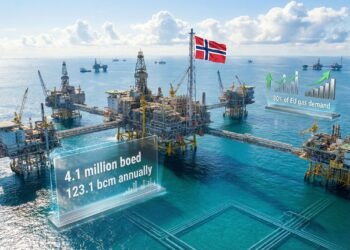 Norway Doubles Down on Oil and Gas for Europe Energy Security
 US Awaits Iran Reply on New Ceasefire Proposal
 Trump’s Gold Coast Tower Dreams Crumble Amid Toxic Fallout
 Trump: Preventing Nuclear Iran Is ‘The Only Thing That Matters’
 High Street Crisis: Fears Grow Over Post Office Closures
 Beijing Becomes Centerstage for Global Diplomatic Ballet
 Oil Markets Face ‘Red Zone’ Threat Amid Iran Crisis
 Hormuz Talks Near Critical Stage
 UK Pushes for New EU Goods Trade Deal
 Reeves Fights to Keep Treasury Role Amid Labour Turmoil
 China mine blast death toll rises to 90
 Japan Suffers Plastic Shortage Due to Middle East Crisis
 UK Economy Suffers a Sharp Downturn as Iran Conflict Bites
 Europe Weighs Hormuz Navigation Fee Plan
 Ukraine Creates Long-Range Strike Command
 ‘Extinct’ Antelope Returns to Sahara, Bringing Hope
 Irish Beach Tragedy: Irish Drown at Whitehaven Beach in Australia
 Starmer Faces Parliamentary Battles Over UK-EU ‘Reset’ Plan
 ScottishPower Tops List of Worst UK Energy Suppliers
 UK and US Drop in Global Corruption Index Rankings
 UK Unemployment Rate Climbs to 5.2% Peak
 Canberra Poster Seizure Sparks Free Speech Row
 Jacinda Ardern Move Sparks Kiwi Reflection
 Middle East Airspace Crisis Strands Thousands
 Kelly Wilkinson Inquest Reveals Bail Failure
 Injured Mojtaba Khamenei Elevated as Iran Leader
 Tube Strike Brings Capital to a Standstill Over Shift Disputes
 Sainsbury’s Boss Optimistic As Grocery Inflation Eases
 Houthis Strike Saudi Arabia as Middle East Tensions Rise