Published: 07 May 2026. The English Chronicle Desk. The English Chronicle Online.
The European artificial intelligence landscape currently stands at a very critical and defining crossroads. Industry experts now warn that local firms risk losing their prestigious world-leading global status. This growing concern follows a major decision by a prominent German translation technology startup. DeepL recently chose to partner with the massive cloud computing division of American giant Amazon. This specific move has sparked significant alarm throughout the entire continental technology business sector. European businesses have historically lagged behind both the United States and China in AI. However, a small group of European companies successfully cornered the high-quality professional translation market. Cologne-based DeepL represents the most impressive success story within this specialized niche digital field. The online translator regularly outperforms Google Translate in various independent and rigorous technical accuracy assessments. Governments and courts across the globe rely heavily on its sophisticated and nuanced linguistic outputs. Half of the prestigious Fortune 500 companies also utilize this specific German translation software daily. Recent financial reports indicate that the company recorded impressive annual revenues of 185.2 million dollars.

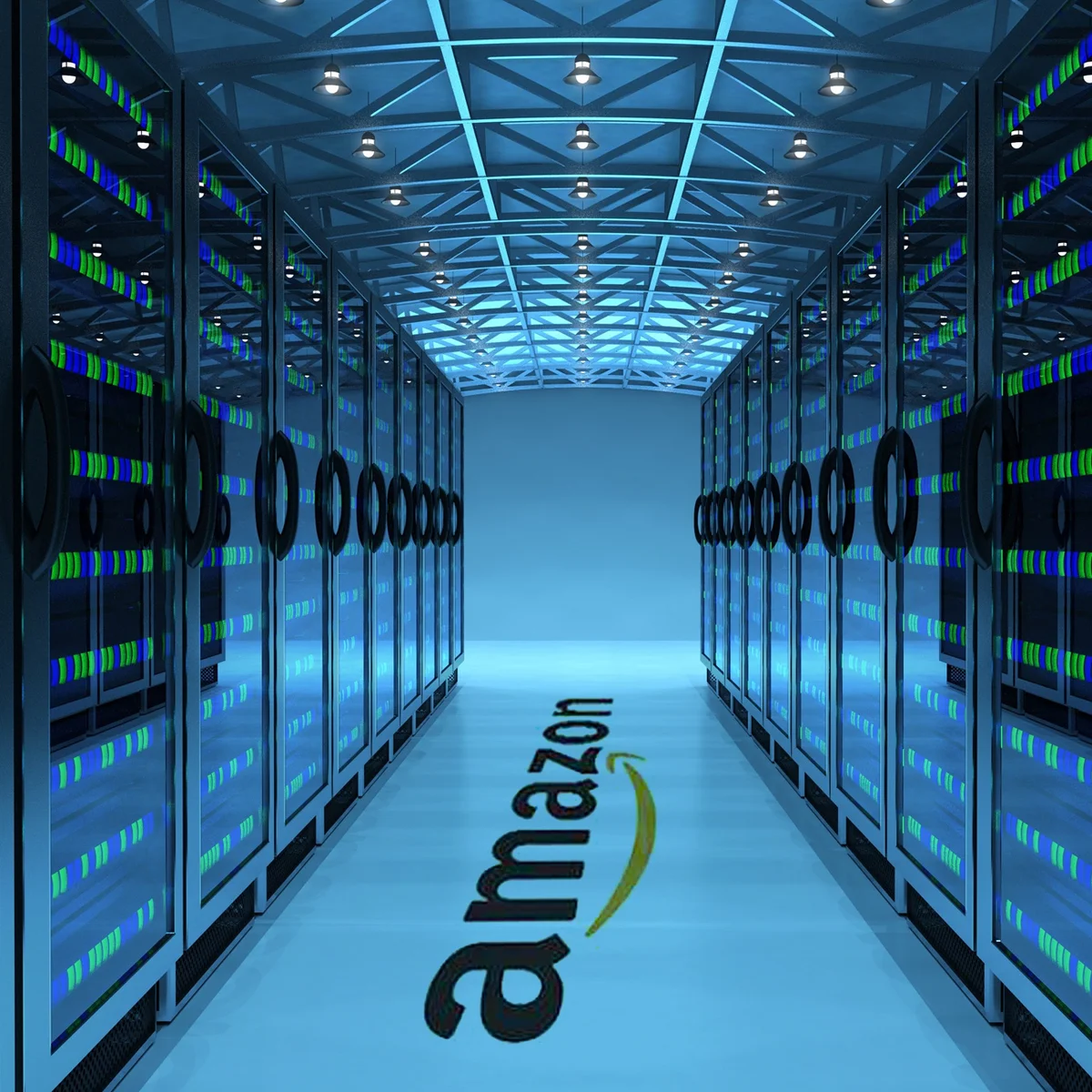
DeepL recently launched a revolutionary live voice-to-voice translation service for its global user base. This innovation reminds many readers of the fictional babel fish from Douglas Adams’ famous novels. However, a major shift in data handling occurred just before this exciting product launch. The company informed its paying subscribers that data processing would no longer remain entirely internal. DeepL officially entered a strategic partnership with the dominant infrastructure provider known as Amazon Web Services. This transition has prompted deep concern among many professional users and long-term industry observers. Critics argue that this move strengthens the digital monopoly held by powerful Silicon Valley corporations. These concerns are amplified by the recent actions and unpredictable policies of the Trump administration. Many people now worry about the long-term independence of European technology companies and their data. Jörg Weishaupt serves as the chief executive of the Malogica Group based in Madeira, Portugal. He expressed significant displeasure regarding the new partnership between the German startup and American firm. Weishaupt has been a loyal business customer who appreciated the high performance of the software. However, the recent change in data processing policy led him to cancel his corporate subscription. He no longer feels comfortable uploading sensitive contracts or private strategy papers to the site. These are highly confidential documents that require the highest levels of digital privacy and security. Weishaupt insists that he must know exactly where his corporate information eventually ends up residing. DeepL has responded by stating that Amazon will not have access to any customer data. The company claims that Amazon cannot view content or train its own internal AI algorithms. They maintain that the partnership is essential for scaling their services to a global audience. A company spokesperson clarified that DeepL remains the primary data processor for all its clients. They added Amazon Web Services as a sub-processor to provide necessary infrastructure for international growth. The firm insists that Amazon will not control or access data in any usable form. All customer data remains fully encrypted while in transit and while stored on the servers. Furthermore, the company does not use data from paid services to train its AI models. Weishaupt remains skeptical and points to the 2001 Patriot Act and 2018 Cloud Act. These American laws allow the United States government to request information from cloud service providers. A Microsoft legal director recently admitted that data sovereignty cannot be fully guaranteed to Europeans. If the Trump administration demands information, US companies may be legally forced to comply eventually. Since the Cloud Act, American firms have tried to create technical solutions for their clients. DeepL offers a specific data residency option to ensure information stays within the European borders. Yet some experts question whether these technical reassurances can be fully trusted by legal professionals. Weishaupt notes a growing movement toward total digital sovereignty within the European Union right now. This shift is driven by the current geopolitical situation and likely will not fade away. Many European businesses are actively trying to escape the perceived lock-in with American technology providers. The Trump administration has frequently clashed with European officials over various strict big tech regulations. Ursula von der Leyen recently stated that Europe must take control over its own technologies. She suggested that this control represents a vital moment for the independence of the continent. In this tense climate, any collaboration with US providers will certainly face intense public scrutiny. Marco Trombetti is the co-founder of Translated, a Rome-based competitor to the German translation firm. He believes that Europe must remain absolutely independent regarding its vital digital and physical infrastructure. Digital infrastructure serves as the modern road network for the entire globalized and connected economy. He argues that European firms should not have to pay tolls to American infrastructure owners. Paying a toll for every transaction will eventually increase costs and limit future economic growth. Trombetti considers the reliance on foreign servers to be a significant and potentially irreversible error. He also suggests that such moves run counter to the long-term interests of European businesses. Interestingly, about 80 percent of his own company revenue currently comes from large Silicon Valley clients. These clients include major international brands such as Airbnb, Uber, and the satellite firm Starlink. Despite this, Trombetti refuses to relocate his core operations to the United States for growth. He believes moving to America would be a total disaster for a multilingual translation business. European companies thrive because they operate within a complex and diverse market of many languages. This environment makes developers acutely aware of the linguistic problems they are trying to solve. From a European base, companies can easily cover 200 different languages within two time zones. Relying on American infrastructure might cause European firms to lose this unique and competitive advantage. New rules from the US Department of Commerce prioritize American companies for advanced hardware chips. This means US firms get first access to powerful units when global demand exceeds production. Trombetti warns that the global playing field will become increasingly uneven for all non-American participants. Priority access to chips creates a very strong incentive for startups to relocate to America.

This strategy might work in the short term but motivates others to build local alternatives. Building a truly independent European digital network remains a significant and very expensive technical challenge. Leevi Saari is a researcher at the University of Amsterdam specializing in AI and infrastructure. He notes that scaling services requires massive capacity that only companies like Amazon can provide. In the current global AI boom, building modern datacenters has become an incredibly expensive endeavor. Hardware chips also lose their financial value much faster than they did in previous decades. Despite some major Amazon outages in 2025, few European firms have switched to local providers. As translation moves toward live voice services, the main technical issue becomes minimizing datacenter latency. Latency refers to the specific time it takes for data to travel between two points. Amazon achieves very low latency through a massive global network of cables and dedicated datacenters. Currently, the immense gravitational forces of the AI industry pull most startups toward the US. Creating a European gravity well for technology remains a very difficult and trillion-euro question today. The future of European innovation depends on finding a balance between global scale and local. If companies cannot maintain their independence, they may simply become subsidiaries of the American tech empire. This struggle for digital autonomy will likely define the next decade of European economic policy. For now, the industry watches closely as more firms decide where their loyalties truly lie. The path forward requires both massive financial investment and a firm commitment to regional sovereignty. Europe must decide if it wants to be a leader or a permanent digital tenant. The consequences of these decisions will be felt by businesses and private citizens for generations. As the technology continues to evolve, the demand for secure and local processing only grows. The outcome of this debate will determine the ultimate fate of Europe’s high-tech linguistic crown.
Related News:
 Canada-China trade gains momentum in new strategic partnership
 India-EU Free Trade Deal Marks Historic Economic Shift
 Keir Starmer meets Xi to strengthen UK-China economic relations
 UK Experts Raise Alarm Over Machinery Export to Armenian Firm
 Caffè Nero Warns Coffee Prices May Rise Again
 Abramovich Chelsea Sale Cash Faces Jersey Probe
 Stocks rise as Trump offers Iran peace plan
 US Military Weighs Perilous Moves to Reopen Hormuz
 IMF Predicts Global Economic Crisis Due to Gulf Unrest
 Manila Transport Crisis: Fuel Costs Hit Breaking Point
 Trump Slams Europe as Transatlantic Tensions Boil Over
 Trump Issues Stark Warning After Strike On Iran’s Largest Bridge
 Middle East Conflict Sparks Global Food Price Surge
 Albanese Flies to Singapore to Bolster Fuel Security
 US and Iran Agree to Two-Week Provisional Ceasefire
 Norwegian Group Eyes South Yorkshire Steel Revival
 Ian Katz to Step Down as Channel 4 Content Chief
 Middle East Conflict Risks UK Food Supply Chains This Summer
 Cost of Conflict: UN Warns of Lost Lives in Iran War
 BP Profits Surge Amidst Middle East Conflict Crisis
 Ukraine Urges UK to Seize Russian Oil Tankers
 US Calls Australia Media Law “Foreign Extortion”
 Oil Prices Surge Above $120 Amid Iran Blockade Fears
 Trump Offers EU Independence Day Deadline For Trade Deal
 US Cities See 42% Drop in Canadian Visits Under Trump 2.0
 High Stakes in Beijing as Trump and Xi Meet Amid Global Turmoil
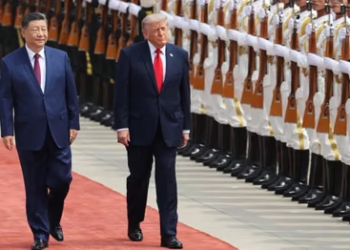 Trump and Xi Convene in Beijing for Historic High-Stakes Summit
 Big Tobacco Under Fire Over Controversial New Ad Campaign
 Rubles and Resilience: How Russia-China Border Towns Thrive
 UK Urged to Build EU Rejoin Consensus, Says Miliband
 Cash Registers Stall Japan’s Promised Food Tax Relief
 Trump Floats Fresh Tariffs on 60 Nations Over Forced Labour
 The Exploding Australian Black Market For Nicotine
 Japan Suffers Plastic Shortage Due to Middle East Crisis
 Steel Tensions Rise Between United Kingdom and European Union
 New York Consumer Watchdog Tackles Corporate Lawbreaking
 Levi’s Sues Globe Over Infringing Pocket Tabs
 BYD Aims for Global Car Supremacy Within Five Years
 Trump Signs Historic Iran Peace Plan to Avert Depression
 Gas Prices Fall Below $4 Following US-Iran Peace Deal
 Remote Mine Sites Face Deep Culture Crisis
 EU Slashes Steel Quotas But Grants UK Favourable Rates
 Inflation Eases to 3.5% Amid Fragile US-Iran Tensions
 Reeves Faces Setback as Labour May Miss Homes Target
 Trump’s UK Ambassador Urges North Sea Drilling to Strengthen US Ties
 Millionaires group urge Reeves to introduce wealth tax to ‘lift kids out of poverty’
 Starmer Says Labour’s Economic Plan Needs Years to Deliver
 Starmer Faces Parliamentary Battles Over UK-EU ‘Reset’ Plan
 Friedman Uninvited From 2024 Adelaide Writers’ Week
 ScottishPower Tops List of Worst UK Energy Suppliers
 UK Unemployment Rate Climbs to 5.2% Peak
 New Zealand Covid Response Praised Despite Lingering Scars
 Rising Costs Force Families to Rethink Days Out
 Security Alert Near Israeli Embassy as Police Investigate
 US-Iran Standoff: Will Trump Deploy Ground Troops?
 Investigation Into Anti-Trump Motives After Gala Shooting
 Silent Tracks: Rail Line Without Passengers
 One Nation Candidate’s Surprising Ties to Independents
 Aramco Surges as East-West Pipeline Counters Gulf Tensions
 Putin Signals War End as Russian Momentum Stalls
 Romania’s Judicial Crisis: A System Under Siege
 Scepticism and tight security as Beijing braces for Trump
 Philippine Senator Flees After Days Under Senate Siege
 High Street Crisis: Fears Grow Over Post Office Closures
 UK Firms Freeze Spending as Iran Conflict Bites
 Reeves to Fast-Track Clean Energy Amid Iran Crisis
 Secrecy Down Under: Albanese Faces FoI Scandal
 Oil Markets Face ‘Red Zone’ Threat Amid Iran Crisis
 Tony Abbott Returns as New Liberal Party President
 Belfast Approves Pilot Extension of Sunday Trading Hours
 Discontent grows around Putin amid war strain
 Tube Strike Brings Capital to a Standstill Over Shift Disputes
 Teaching Machines Right From Wrong in the Digital Age
 Trump Urged to Condemn UFC Fighter Over Obama Slurs
 US Military Pacific Boat Strike Kills Three People
 Sainsbury’s Boss Optimistic As Grocery Inflation Eases
 Trump’s Mount Rushmore Speech: A Divisive Anniversary
 Trump Swaps Planes Amid Iran Tensions
 Yemen Accuses Iran of Violating National Sovereignty
 Houthis Strike Saudi Arabia as Middle East Tensions Rise