Published: 08 May 2026. The English Chronicle Desk. The English Chronicle Online.
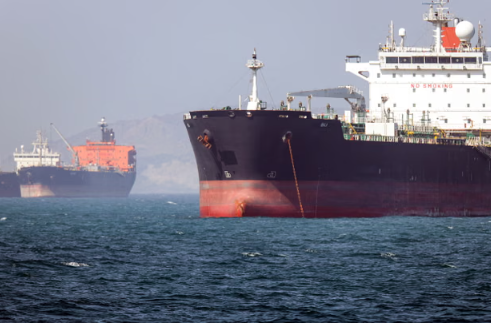
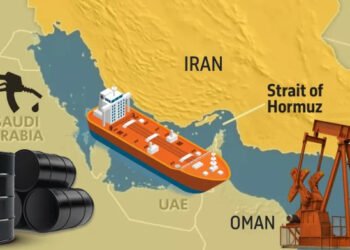
A sudden refusal by Saudi Arabia to allow the United States to use its critical military bases and sovereign airspace has forced Donald Trump to shelve a major naval escort plan. The ambitious operation had been designed to provide a military guard for international oil tankers passing through the volatile Strait of Hormuz. This unexpected diplomatic wall appeared only days after the White House had initially launched the mission to secure the vital maritime route. Riyadh informed Washington officials that it would not permit the Prince Sultan airbase to serve as a launchpad for the mission. The operation was formally titled Project Freedom and had been presented by the American administration as the logical strategic successor to the recent bombing campaign known as Operation Epic Fury.
The Saudi government remained firm in its opposition despite a direct and personal telephone conversation between the crown prince, Mohammed bin Salman, and Donald Trump. This confrontation highlights a growing rift in the region as Saudi Arabia clearly signals a desire for a permanent end to the war. The conflict between the United States, Israel, and Iran has become increasingly damaging to regional stability and local economies. Riyadh appears willing to accept almost any diplomatic terms to conclude the fighting, which stands in sharp contrast to the United Arab Emirates. The Emirates have adopted a much more assertive and hawkish stance toward Tehran during the recent escalation of hostilities.

Frustration within the United Arab Emirates regarding the cautious approach of their Saudi neighbours has reached a breaking point lately. In a dramatic move, the Emirates have already withdrawn from the Saudi-dominated oil producers’ group known as OPEC. There are now serious reports that Abu Dhabi is even considering a full departure from the Arab League in the coming weeks. As a key signatory to the Abraham Accords, the Emirates have long maintained a much closer strategic alignment with Israel than the Saudis. However, these historic tensions within the Gulf have widened significantly as the current war has dragged on for months. The conflict has caused untold damage to the international image and the long-term economic prospects of the entire region.
Officials in the Emirates are reportedly furious because they have become the primary target for recent Iranian retaliatory strikes. They feel there has been a distinct lack of solidarity across the Gulf Cooperation Council during these difficult times. Saudi Arabia feared that Project Freedom lacked clear terms of engagement and might spark a risky naval confrontation. Such a clash between Iran and the United States would likely mark the definitive end of the current ceasefire. This fragile peace agreement has been in partial force since the seventh of April but remains highly unstable. Iran had explicitly warned that it would view any American military escort of tankers as a direct breach of that ceasefire.
An end to the ceasefire would likely result in a major naval conflict within the narrow waters of the strait. Beyond the sea, Tehran would almost certainly resume its damaging drone and missile attacks on American bases. These strikes would also target energy installations across the Gulf, which have already suffered more damage than previously reported. This Saudi intervention is being viewed by many international observers as a late expression of deep lack of confidence. Riyadh has grown increasingly frustrated with how the Trump administration has handled the complexities of the current regional conflict. For much of the war, the Saudis have felt like an aggrieved but largely powerless victim of a fight.
The Saudi leadership never advocated for this specific war and remained unimpressed by the level of American protection provided. They also questioned the overall coherence of the strategy coming from the White House over the past several months. One senior Saudi diplomat remarked that it was obvious the United States had landed itself in a deep trap. The American military appeared unable to either escalate the conflict to a conclusion or find a safe way to exit. There was significant surprise on Tuesday when Trump suddenly reversed his course after two days of building up the plan. He had spent forty-eight hours emphasizing the great importance of Project Freedom before posting a message halting the entire operation.
Trump claimed the mission was being paused for a short period by mutual agreement because of progress with Iran. He suggested that an intervention by China had helped move both sides toward a potential deal for lasting peace. The President stated that the suspension would provide enough time to see if a formal agreement could be reached. However, the official statement made absolutely no reference to the firm Saudi objections or the denial of local airspace. This surprise decision effectively undercut a day of heavy and consistent messaging by the senior members of his cabinet. US Secretary of State Marco Rubio and Defence Secretary Pete Hegseth had both praised the mission hours earlier.
General Dan Caine, the chair of the Joint Chiefs of Staff, had also claimed the operation would guarantee navigation. These officials believed the plan would finally free the hundreds of merchant ships currently stranded in the Persian Gulf. The original American plan was for the blockade of Iranian ports to continue even while escorts were being provided. Saudi Arabia may have also been concerned that Project Freedom would draw the Houthi movement in Yemen into the war. Riyadh has been working exceptionally hard behind the scenes to keep this armed group out of the current conflict. Any intervention by the Houthis in the Red Sea would make the threat to global oil supplies worse.

The Saudis had previously reached a private agreement with Iran that successfully safeguarded their vital pipeline to the city of Yanbu. This arrangement ensured that Saudi Arabia could export as much as fifty per cent of its output via the west. In contrast, the Emirates have been much bolder in trying to get their tankers past the Iranian naval blockade. Emirati captains have often turned off their tracking transponders in the hope of avoiding detection by Iranian revolutionary guard patrols. The intervention by Riyadh has now severely reduced the options available to Trump to break the ongoing maritime blockade. This move is likely to prompt a further and perhaps permanent deterioration in the Saudi-Emirati relationship.
Riyadh was already deeply concerned that the strengthening ties between the UAE and Israel could lead to new military developments. There are fears that a small number of Israeli troops might eventually operate on Emirati soil for security purposes. Saudi Arabia has a much larger population and must tread more carefully regarding its public stance on Israeli relations. Alongside France, the Saudis have led a renewed effort to revive the concept of a viable two-state solution. This diplomatic track aims to ensure that a Palestinian state is eventually recognized on the international stage by all powers. Saudi Arabia also has several separate points of dispute with the Emirates regarding influence in Yemen and Sudan.
None of these regional disputes will be made easier if the United States decides to settle with Iran soon. The Emirates and Israel believe any such deal would fail to meet the minimal objectives of the critics of Tehran. They fear a premature agreement would leave the Iranian government with too much influence and power in the Middle East. As the situation in the Strait of Hormuz remains at a standstill, the diplomatic pressure continues to mount. The global energy market remains on edge while the various powers involved wait to see if the ceasefire holds. For now, the tankers remain anchored and the ambitious plans for Project Freedom stay firmly on the shelf.
Related News:
 Ukraine war briefing: Zelenskyy offers help to Saudi Crown prince on combatting Iranian drones
 Ukraine Sends Drone Experts to Defend US Bases in Jordan
 Saudi Arabia Urging US to Keep Up Iran Attacks
 Diplomacy on the Brink: Pakistan’s Risky Peace Mission
 Trump Slams Europe as Transatlantic Tensions Boil Over
 High-Value Target: Iranian Strike Destroys US Radar Plane
 UN Warns Israeli Death Penalty Bill Could Be a War Crime
 Pakistan and China Propose Five-Part Peace Plan
 Trump Issues Stark Warning After Strike On Iran’s Largest Bridge
 Hope and Fear as Iranians Flee Across the Turkish Border
 The Price of Hubris: Trump, Netanyahu, and the ‘Easy’ War
 Israel Defies Ceasefire as Lebanon Operations Persist
 Middle East Peace Crisis: Ceasefire Strained by New Violence
 Pakistan Brokers Historic Peace Deal Amid Rising Tensions
 Netanyahu Vows Continued Lebanon Strikes Amid Peace Talks
 Islamabad Hosts Historic Peace Talks Between Iran and USA
 US and Iran Pursue Extension of Ceasefire via Pakistan
 Trump’s Islamabad Gamble: The High Stakes of a New Iran Deal
 The General’s Gambit: Pakistan’s New Role in Global Peace
 Can Trump’s Ceasefire Hold in Lebanon?
 Global order shifts amid Trump-era turmoil
 Middle East Crisis Escalates as Oil Routes Shake Markets
 Tensions Emerge in Netanyahu-Trump Alliance
 UAE’s Secret Strike on Iran Risks Wider Gulf Conflict
 Netanyahu Claims Secret UAE Visit Amid Regional Conflict
 Netanyahu Calls Early Election Amid Coalition Turmoil
 Plea for Mercy: The Battle to Bring Ahmed al-Doush Home
 Trump Issues New Threat of Strikes Amid Iran Standback
 Global Outrage After Israeli Minister Mocks Bound Activists
 Israeli Strikes in Lebanon Kill 10 Amid Ceasefire Strain
 Hunger increasingly weaponised in global conflicts
 Former ICC prosecutor condemns US sanctions
 Trump and Netanyahu Clash Over Crucial US and Iran Peace Deal
 Washington Brokerage Sparking Hope Amid Regional Firestorms
 Israel Defies Trump in Direct Strikes on Targets Across Iran
 US and Iran Agree Historic Framework to End 15-Week War
 Global Powers Navigate Fragile Peace as Hormuz Reopens
 Trump Signs Landmark Iran Accord in Versailles
 Uncertainty Prevails as Landmark Peace Talks Abruptly Conclude Before Commencement
 Iran To Propose New Shipping Fees In Strait Of Hormuz
 Grief and Devotion Amidst the Rubble of Nabatieh
 High Drama in Tehran Over Secret Nuclear Letters
 Iran Prepares for Massive Six-Day Funeral for Khamenei
 Iran Prepares for Massive Funeral for Supreme Leader
 Iran Bids Farewell to Fallen Leader in Massive Procession
 Iran Mourns: Millions at Khamenei’s Final Procession
 Hamas Proposes Handing Over Control of Gaza Strip
 Israeli Officer Investigated for Car Grenade Attack
 Yemen Accuses Iran of Violating National Sovereignty
 Trump Threatens Iran Power Strikes Over Hormuz Impasse
 Houthis Strike Saudi Arabia as Middle East Tensions Rise
 Friedman Uninvited From 2024 Adelaide Writers’ Week
 New Zealand Covid Response Praised Despite Lingering Scars
 Injured Mojtaba Khamenei Elevated as Iran Leader
 Trump’s Six-Week Iranian War: The High Cost of Ignorance
 Reform UK Pledges To Halt Visas Over Reparations Demands
 US and Iran Agree to Two-Week Provisional Ceasefire
 Trump Signals Hope for New Iran Talks as Ceasefire Fades
 Security Alert Near Israeli Embassy as Police Investigate
 US-Iran Standoff: Will Trump Deploy Ground Troops?
 Investigation Into Anti-Trump Motives After Gala Shooting
 One Nation Candidate’s Surprising Ties to Independents
 Putin Signals War End as Russian Momentum Stalls
 Romania’s Judicial Crisis: A System Under Siege
 Scepticism and tight security as Beijing braces for Trump
 Philippine Senator Flees After Days Under Senate Siege
 Tensions Flare as Israeli Nationalists March in Jerusalem
 Secrecy Down Under: Albanese Faces FoI Scandal
 Tony Abbott Returns as New Liberal Party President
 Discontent grows around Putin amid war strain
 Teaching Machines Right From Wrong in the Digital Age
 Oman Defies US Pressure Over Strategic Strait of Hormuz
 Ex-CIA Agent Accused of $40m Gold Theft and Fake Spy Unit
 Aukus Deal Facing Fierce Backing and Historic Criticism
 Tragic Loss of Australian Sprinter Jemma Stapleton
 Trump Urged to Condemn UFC Fighter Over Obama Slurs
 Russian Tanker Captain Remanded in UK Court After Channel Seizure
 US Military Pacific Boat Strike Kills Three People
 Trump’s Mount Rushmore Speech: A Divisive Anniversary
 Trump Swaps Planes Amid Iran Tensions