Published: 8 May 2026. The English Chronicle Desk. The English Chronicle Online
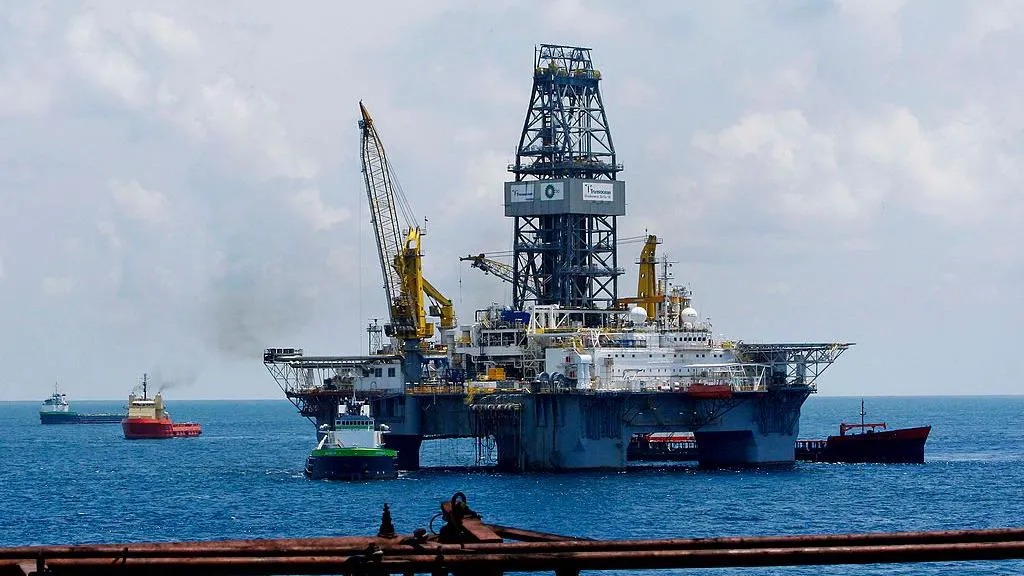
In a “national security emergency” for global household budgets, a “milestone” series of earnings reports has revealed the “asymmetric” winners of the 2026 Iran war. While millions face a “resilience deficit” at the petrol pump and the grocery store, a “divergent” group of energy majors, defense contractors, and financial institutions are reporting a “160 MPH clip” of profit growth. The closure of the Strait of Hormuz has created a “floating bottleneck” that has “recalibrated” global wealth, siphoning billions from public budgets into corporate “sacred” dividends.

As the Southbank Centre celebrates 75 years of progress, the “accountability rot” of war-profiteering has become a “nasty” central theme in the global discourse on the “Energy Transition.”
The “nasty and mischievous” spike in crude prices—hitting a “milestone” $126 a barrel—has delivered what Greenpeace calls a “bonanza” for the fossil fuel industry.
The “$22 Billion” Quarter: Europe’s six largest oil behemoths—Shell, BP, TotalEnergies, Eni, Equinor, and Repsol—recorded a combined $22 billion in profit during Q1 2026, a 43% jump from the previous year.
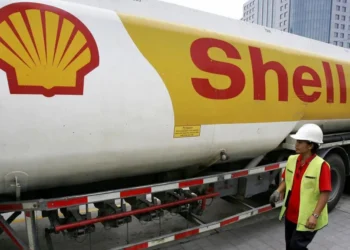
Shell’s “Per Minute” Profit: Shell reported $6.9 billion in quarterly earnings, or approximately $53,241 per minute, bypassing the “bottleneck” of production losses in Qatar with “clinical” gains from its oil trading division.
The Dividend “Golden Tone”: Rather than addressing the “resilience deficit” of consumers, these firms have moved at a “160 MPH clip” to reward shareholders, with TotalEnergies doubling its buybacks.
As the U.S. and Israel engage in “human-machine coordination” over Tehran, the “Prime” defense contractors are seeing a “sacred” surge in their order backlogs.
The “Lockheed” Leap: Following the initial strikes on Iran, Lockheed Martin saw a “clinical” 3.4% stock jump, while Northrop Grumman posted a “milestone” 6% increase.
The “Precision” Drain: With the U.S. reportedly “burning” through long-range missile reserves in less than a week, firms like RTX (formerly Raytheon) are facing a “160 MPH” demand for replenishment, bypassing the “bottleneck” of peacetime production rates.
The “$110 Billion” Buyback: Critics point to a “nasty” irony: while the Pentagon requests a “humanitarian” $50 billion in extra funding, top contractors spent $110 billion on buybacks and dividends between 2020 and 2025.
The “accountability rot” extends to the “clinical” sectors that manage global trade and capital, where volatility is a “golden tone” for revenue.
The “Tanker” Premium: Shipping firms like d’Amico reported a “milestone” 46% surge in profits as tanker rates hit all-time highs. Bypassing the “Hormuz bottleneck” has “recalibrated” the cost of every barrel of oil delivered.
The “Trading” Surge: Leading global banks have seen “tens of billions” in profits from increased trading activity. Market uncertainty allows these institutions to move at a “160 MPH clip,” capitalizing on price swings that leave ordinary families in a “medication desert.”

The “Renewable” Pivot: In a “divergent” silver lining, the “resilience deficit” of fossil fuels has driven record interest in NextEra Energy and Orsted, as governments seek to bypass the “nasty” geopolitical risks of the Middle East.
As the RHS Wisley wisteria reaches its peak, the “clinical” reality of the 2026 economy is clear: crisis is a “milestone” for corporate growth.
“We have bypassed the ‘bottleneck’ of ethics to find a ‘golden tone’ of profit,” a financial analyst noted. By acknowledging the “resilience deficit” of the global public, advocates are calling for a “sacred” permanent tax on these “spoils of war.” For now, the “speechless determination” of the markets continues at a “160 MPH clip,” even as the world prays for the “clinical” conclusion of the conflict.
Related News:
 Fuel and Remittances: How Iran Conflict Hits India At Home
 US Eases Sanctions on Russian Oil Sales to India During Iran Conflict
 Trump likens US Navy actions to ‘pirates’
 Fog of War: US Rejects Iranian Claims of Missile Strike on Navy Frigate
 “Asymmetric Operations”: Iran Warns US “We Are Just Getting Started” as Project Freedom Escalates
 “The Pivot to Pakistan”: Trump Pauses ‘Project Freedom’ in Hormuz Amid Iran Deal Hopes
 “The Strait Scramble”: Inside Trump’s ‘Project Freedom’ and the Hormuz Naval Escort
 “The Hormuz Ceasefire”: Oil Slips and Markets Surge as Trump Pauses Naval Mission
 “The Pint-Glass Paradox”: How Beer Fuelled a ‘Clinical’ Debate on Australia’s Gas Tax and Energy Giants
 “The Energy Levy”: Understanding the ‘Milestone’ Windfall Tax on Oil and Gas Giants
 “The Peace Dividend”: Oil Prices Plunge and Global Stocks Surge on Reports of Iran Ceasefire Deal
 Starmer Weighs Fast-Tracking Defence Boost
 Macron Rebuked in Franco-German Defence Row
 Facing a Demographic Catastrophe, Ukraine Is Paying for Troops to Freeze Their Sperm
 Ukraine-Russia War Latest: Kyiv’s Forces Make Huge Gains Ahead of Geneva Peace Talks
 Japan Braces as Takaichi Begins New Term with Huge Mandate for Low‑Tax, Ultra‑Conservative Agenda
 US Build-Up of Warships and Fighter Jets Tracked Near Iran
 US Trade Deficit Hits Fresh High Despite Trump’s Tariffs
 Musk Cuts Starlink Access for Russian Forces – Giving Ukraine an Edge at the Front
 Ukraine war briefing: Russia exporting more oil now than before war despite sanctions – report
 German Chancellor Lands in Beijing for Inaugural China Trip
 Canada Says U.S. Unlikely to Lift Tariffs Amid Ongoing Trade Tensions
 RAF Responding to Suspected Drone Strike at UK Cyprus Base
 UK Will Allow US to Use Bases to Strike Iranian Missile Sites, PM Says
 Cooper: Joining US Strikes on Iran ‘Not in Britain’s Interest’
 Trump’s Iran Endgame Unclear After Mixed Messaging on War Aims
 The US Now Has the Medicine for Cheap Swarming Drone Attacks
 Stock Markets and Oil Prices Still Volatile Over Fears Iran War May Drag On
 Petrol Prices Soar as Retailers Accused of Gouging Amid Global Tension
 Minister Meets Crews Who Will ‘Take Out’ Iranian Drones
 UK Prepares Aircraft Carrier for Middle East Crisis
 UK–US Tensions Ease as Starmer and Trump Hold First Call Since Iran Row
 G7 to Hold Emergency Oil Talks as Markets Plunge
 Trump Threatens Iran With ‘Twenty Times Harder’ Oil Strike
 Iran War Puts Trump at Political Risk Amid Rising Prices
 Gulf Oil Shock Sends Global Economic Ripples
 Iran Rejects Ceasefire, Warns Trump With Chilling Message
 Oil Price Jumps Despite Deal to Release Record Amount of Reserves
 UK Wage Growth Slows as Jobs Market Holds Firm
 Philippines energy emergency sparks coal power surge
 Russia Drone Attack Intensifies Ukraine War Pressure
 UK Forces Ready to Seize Russian Shadow Fleet Vessels
 China’s Secret Mountain Ruins Rise Again in New Cold War
 ‘Strategic Reserve’: Italy Defers Coal Phase-Out to 2038 Amid Energy Crisis
 ‘Patriots, Carry On’: Hegseth Overrules Army to Reinstate Pilots After Kid Rock Flyover
 ‘Blue Helmets’ in the Crossfire: Initial Probe Points to Roadside Bomb in Killing of UN Peacekeepers
 Trump Signals US Exit From Iran as Tehran Eyes Peace
 Americans Struggle as Petrol Prices Surge Past Four Dollars
 Markets Shaken as Trump Vows to Hit Iran ‘Extremely Hard’
 Uncertainty Lingers as Trump’s Iran Strategy Remains Shrouded
 Questions Linger as Trump’s Iran Strategy Faces Scrutiny
 Pakistan’s Diplomatic Gambit: Bridging the Divide in the Iran War
 The Bitter Aftertaste: Iran War Threatens to Spike Prices for Indian Beer and Bottled Water
 Ros Atkins on… The Staggering Financial Toll of the Iran War
 The Iron Curtain Falls: Iran’s Steel Giants Forced Offline by US-Israeli Airstrikes
 Regional Escalation: Drone Strike Hits Kuwait’s Al-Zour Refinery Amid Trump’s “Stone Age” Ultimatum
 ‘The frontline is like Terminator’: Ukraine’s fighting robots
 Hungary Claims Plot to Target Gas Pipeline Pre-Vote
 The Vance Verdict: How the Vice President Navigated the Islamabad “Pressure Cooker”
 Struggling to Survive: Millions of Iranian Jobs Lost to Conflict
 RAF Typhoons scrambled amid Russian drone threat near Nato
 Aid Crisis Grows as Hormuz War Disrupts Supply
 Crude Surge: Oil Hits Four-Year High as Trump Weighs “New Options” for Iran
 “The Art of the Withdrawal”: Trump Targets Germany Troops as Iran Row Boils Over
 Coalition pushes fossil fuel phaseout plan
 The “Taiwan Exception”: China Unveils Historic Zero-Tariff Access for 53 African Nations
 Trump orders US troop pullout from Germany
 Ukraine strikes Tuapse as oil disaster worsens
 Ohio’s Battle for Trust: Democrats Vying to Flip the Buckeye State
 “A Summer of Consolidation”: Government Triggers Emergency Flight Rules as Jet Fuel Crisis Looms
 “Human-Machine Coordination”: Robots Deployed as Death Toll in Liuyang Factory Blast Rises to 26
 “Lotus Blooms in the East”: BJP Scripts History with Landslide Victory in West Bengal
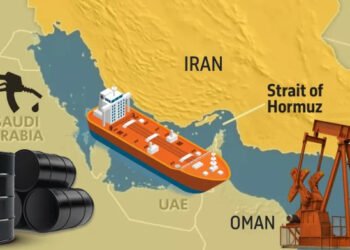 Middle East Crisis Escalates as Oil Routes Shake Markets
 “The New Silk Road”: India and Vietnam Forge Strategic Maritime Alliance to Counter Regional Volatility
 “The Power Paradox”: Can Scotland’s Politicians Truly Bypass the ‘Hormuz’ of Energy Pricing?
 “The Digital Frontier”: Scotland’s Papers Grapple with AI Harassment and ‘Mortgage Bottlenecks’
 “The Anchors Up”: Hull’s Affiliated Frigate HMS Iron Duke ‘Quietly Withdrawn’ From Service
 “The Sky Gaps”: ‘Turbulent’ Geopolitics and Storm Damage Force Temporary Flight Halts
 “The Trading Bonanza”: Shell Profits Soar to $6.9 Billion Amid Iran War ‘Volatility’
 “The Mirage of Stability”: Gulf Economies Face Long-Term ‘Resilience Deficit’ from Iran Conflict