Published: 09 May 2026. The English Chronicle Desk. The English Chronicle Online.
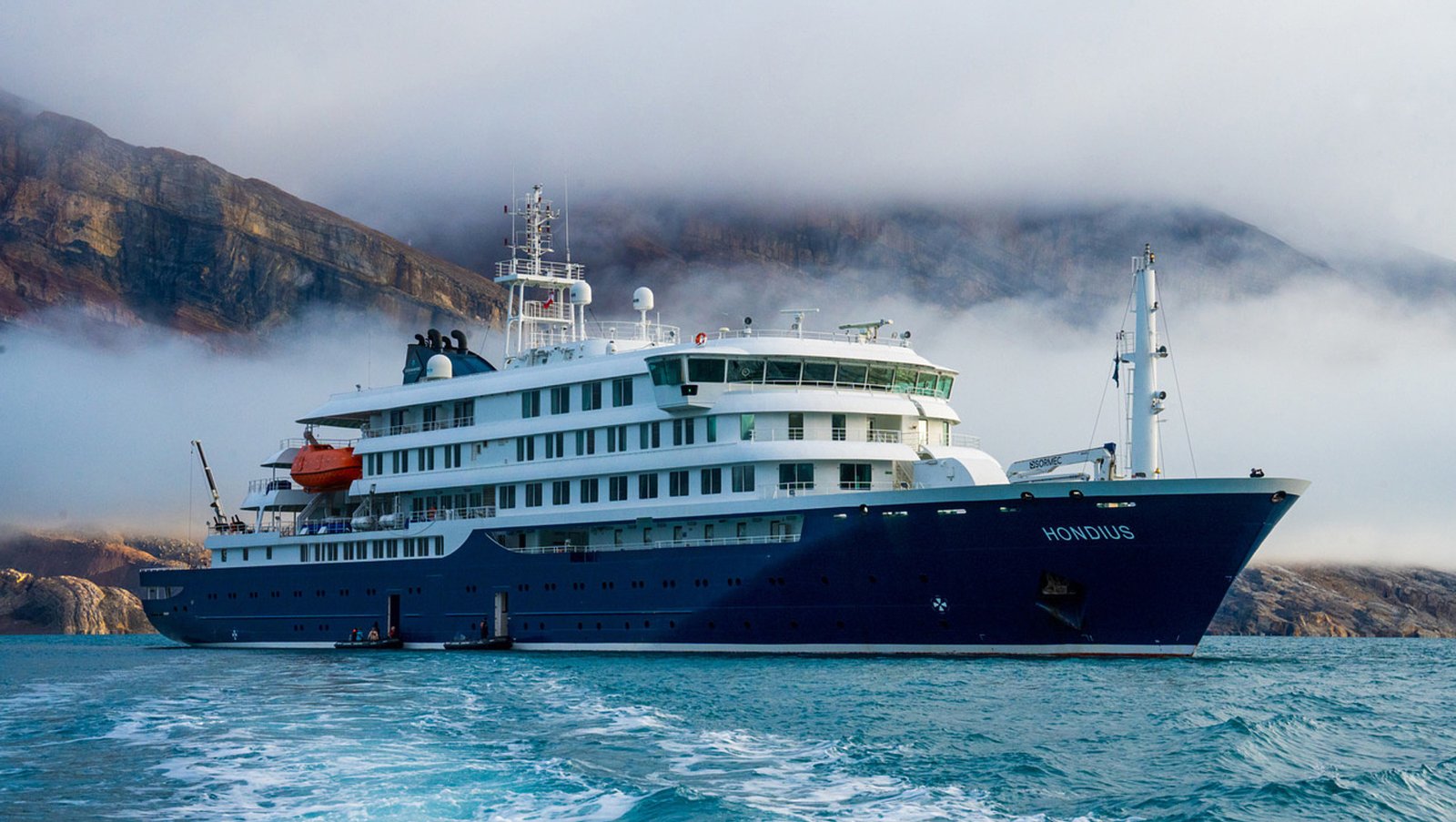
A large-scale international evacuation effort is under intense time pressure in the Canary Islands as authorities race against worsening weather conditions to manage the disembarkation and medical assessment of passengers aboard the hantavirus-affected cruise ship MV Hondius. Officials have warned that the entire operation could be delayed by days or even weeks if it is not completed within a narrow weather window.
The Dutch-flagged vessel, which was travelling from Argentina to Cape Verde, is expected to reach waters off Tenerife this weekend. What follows has been described by Spanish authorities as an “unprecedented operation” due to the scale of coordination required and the international nature of the passengers involved.
The emergency response has been triggered by an outbreak of Hantavirus onboard the ship, which has already resulted in multiple fatalities and confirmed infections across several countries. Three passengers—a Dutch couple and a German national—have died, while additional confirmed cases have been reported among British, Dutch, and Swiss nationals receiving treatment in hospitals across Europe and beyond.

Spanish Health Minister Mónica García confirmed that Spain has been asked by the World Health Organization to lead the coordination effort. She described the situation as highly unusual, involving complex logistics, strict medical protocols, and coordination between at least 23 countries.
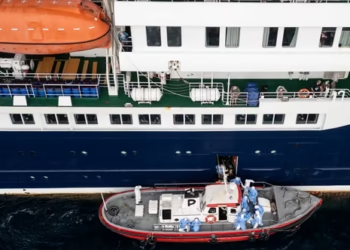
Authorities have confirmed that the ship will not dock in port. Instead, it will remain anchored offshore near the port of Granadilla, in southern Tenerife, where passengers will be assessed onboard before being repatriated or transferred to hospitals where necessary. The decision is aimed at preventing any possible spread of infection to the local population.
However, regional officials have warned that the operation is entirely dependent on a narrow weather window. Alfonso Cabello, a spokesperson for the Canary Islands regional government, said conditions would only allow safe transfers for a limited period on Sunday. If the operation is not completed within that timeframe, strong winds and high seas are expected to make maritime transfers impossible until at least the end of the month.
Cabello described the situation as highly restrictive, stating that the critical operational window may last only a few hours. If missed, evacuation efforts could be suspended, leaving passengers stranded offshore until conditions improve significantly.
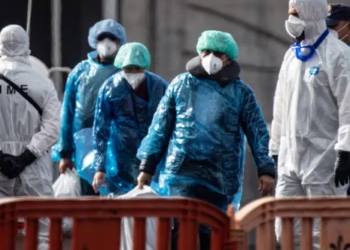
The crisis has placed enormous pressure on Spanish emergency services, naval units, and international health agencies. The coordination effort includes medical teams, military transport, and diplomatic liaison officers from multiple countries, all working to ensure safe evacuation without exposing the public to infection risks.
Passengers on board include nationals from several continents. Spanish citizens among the 149 passengers and crew are expected to be transported under strict quarantine conditions to a military hospital in Madrid. Other international passengers will be repatriated directly to their home countries, even if they show symptoms, provided they do not require urgent hospital care.
Officials have emphasized that strict infection control measures will be enforced throughout the evacuation process. Patients will be assessed onboard the vessel before any transfer takes place, and no contact will be allowed between passengers and the local population of Tenerife.
The World Health Organization has stated that the overall public health risk remains low, as hantavirus is not easily transmitted between humans under normal conditions. WHO spokesperson Christian Lindmeier explained that the virus typically spreads through very close contact and does not behave in a manner comparable to airborne pandemics such as COVID-19.
Despite this reassurance, the outbreak has triggered widespread concern due to the international nature of the exposure. Health authorities across Europe, Asia, and the Americas are currently tracing passengers who disembarked earlier in the voyage before the outbreak was fully identified.
One of the most challenging aspects of the situation involves passengers who left the vessel in earlier stops without full contact tracing protocols in place. Reports indicate that more than two dozen individuals from at least 12 countries disembarked before the scale of the outbreak was understood, complicating global monitoring efforts.
Several countries have already activated emergency response procedures. Singapore’s Communicable Diseases Agency confirmed that two passengers who had been in contact with a confirmed case tested negative for the virus but will remain in quarantine for precautionary monitoring. Similarly, Australian consular officials have travelled to Tenerife to assist with the repatriation of citizens currently on board.
In Europe, hospitals in the Netherlands, Switzerland, and South Africa are treating confirmed cases. Medical teams are closely monitoring patients for complications, although most reported cases appear to have been identified early due to coordinated international surveillance.
Authorities are also investigating two possible additional cases, including one in the United Kingdom and another linked to a passenger who travelled through Spain after exposure. These cases remain under observation while diagnostic testing continues.
In Tenerife, local officials have expressed both concern and cautious reassurance. The President of the Canary Islands, Fernando Clavijo, has insisted that strict safeguards are in place to prevent any public exposure. He confirmed that evacuation logistics have been designed to ensure passengers are transferred directly from the ship to aircraft without entering public spaces.
Clavijo has also argued that Spain was not legally obliged to accept the vessel but agreed to do so on humanitarian and logistical grounds. He stressed that no passengers would disembark unless their onward transport was already secured and waiting.
Despite official reassurances, the situation has generated debate among local communities and tourism operators in Tenerife. The island, which relies heavily on tourism, has experienced mixed reactions from residents and business owners. Some have expressed concern that the presence of a disease-affected cruise ship could affect visitor confidence, even though authorities insist there is no risk to the public.
Local businesses near popular tourist areas have reported a largely calm atmosphere, with visitors continuing normal holiday activities. Many residents have accepted official assurances that the ship will remain offshore and that containment measures are sufficient to prevent any local spread.

However, some tourism operators have warned that public perception could still be affected if media coverage of the outbreak intensifies. They argue that even low-risk health alerts can influence travel behaviour in sensitive markets.
Medical experts involved in the response have reiterated that hantavirus outbreaks, while serious, are typically limited in transmission scope. They emphasize that infection usually occurs in very specific conditions involving close contact with bodily fluids or contaminated environments, rather than casual exposure.
The evacuation operation remains highly sensitive to timing, weather, and coordination across multiple jurisdictions. With international flights, military assets, and medical teams all positioned for a narrow operational window, officials say success will depend on precise execution within hours rather than days.
As the MV Hondius approaches Tenerife waters, the next phase of the crisis response will determine whether passengers can be safely evacuated or whether deteriorating weather conditions will force a prolonged delay at sea. For now, authorities remain in a race against time to complete one of the most complex maritime health emergencies in recent years.
Related News:
 Pope Meets Families in Italy Toxic Waste Zone
 England and Norway Fans Turn Miami Into World Cup Carnival
 The diet that can significantly ease symptoms of IBS
 Europe, North America face early wave of bird flu
 High-speed Spain train crash leaves nation in mourning
 EU weighs response amid Greenland tariff crisis with Trump
 EU Says US Ties Have Suffered ‘Big Blow’ After Greenland Crisis
 Thousands Left Without Heating in Ukraine Amid Russia Strikes
 Russia sanctions hit economy hard, says EU envoy
 Portugal Election Delivers Socialist Win as Far Right Surges
 Tick Bite Tragedy Claims Teen in Meat Allergy Case
 Hospital Fungal Outbreak Sparks Major Cover-Up Claims
 Hungary Faces Political Tension Over the Ukraine Crisis
 Middle East Airspace Crisis Strands Thousands
 Cyprus Drone Strike Sparks Europe’s Strong Response
 Tehran Diary: Dark Days Under Relentless Bombardment
 Canada Plasma Deaths Raise Safety Concerns After Two Donors Die
 Italian Town Buys Mussolini Villa to Keep Away Fascist Fans
 Hungary election: Orbán faces biggest test amid scandal
 “I was fighting two wars”: Ukraine soldiers’ addiction crisis
 Two Dead in Adelaide Airport Plane Crash Fire
 Border Chaos: UK Travellers Face Massive EU Delays
 Ukraine strikes Tuapse as oil disaster worsens
 Global order shifts amid Trump-era turmoil
 Giuliani hospitalised in critical condition
 Ceasefire Standoff Deepens in Ukraine War
 US Court Restores Abortion Pill Access Temporarily
 Hantavirus Cruise: Britons Face 45-Day Isolation Order
 France Faces Record Presidential Crowded Race Amid Far-Right Surge
 Norway Doubles Down on Oil and Gas for Europe Energy Security
 Search Intensifies for Missing Hiker on WA Bibbulmun Track
 Putin Declares Russia Victory at Scaled Victory Day Parade
 Crisis in the Canary Islands as Cruise Ship Evacuated
 Cruisers Face Perth Quarantine After Hantavirus Outbreak
 Ex-Chief of Staff Named in Major Ukraine Corruption Probe
 Australia Welcomes the Iconic Michelin Guide
 France Quarantines Cruise Ship After Suspected Virus Death
 Lockdown Lifted for British Cruise Ship in Bordeaux
 WHO Declares Ebola Outbreak a Global Emergency
 Deadly Ebola Outbreak Surges as Western Aid Vanishes
 Ebola outbreak in DRC overwhelms health system as cases surge
 Maldives Cave Diving Tragedy Raises Safety Alarm
 Zelenskyy warns over Oreshnik threat as Kyiv hit
 Man killed in shark attack on Great Barrier Reef
 Former ICC prosecutor condemns US sanctions
 Irish Gangland Figure Fails in Dublin Election Bid
 Europe Swept by Historic May Heatwave
 Deadly Russian Air Raids Strike Across Ukraine
 Papal Visit Offers Political Lifeline to Spanish Premier
 Airlines Demand Freeze on EU Border System as Chaos Peak Looms
 BMA Faces Unprecedented Staff Cuts Amidst Severe Financial Turmoil
 Unflinching Witness: Doctors Document Gaza’s Medical Crisis
 Le Pen to Run for President Despite Embezzlement Conviction
 Mystery Grows Over Mitch McConnell’s Health
 London Tube Heat Reaches Dangerous Levels
 Olympus Awaits Unesco Heritage Recognition
 Wildfires Force Mass Evacuations in France And Spain
 Wildfires rage across Europe as hundreds arrested in France
 BBC to Apologise Over Edited Trump Speech Amid Backlash
 Reeves rejects £1bn plea for NHS redundancy payouts
 Greene Pushes Epstein Files Amid Trump Fallout
 Zelenskyy Signs Fighter Jet Deal Amid Russian Drone Attacks
 Shadow Fleet at Sea: Europe’s Battle Against Illicit Oil Shipping
 US Suspends Afghan Immigration After White House Shooting
 Five-Year-Old Dies After Rare Tonsil Surgery Complication
 ‘Extinct’ Antelope Returns to Sahara, Bringing Hope
 Irish Beach Tragedy: Irish Drown at Whitehaven Beach in Australia
 Streeting moves on doctor pay to end strike dispute
 UK and US Drop in Global Corruption Index Rankings
 Battle of Britain Tower to House Tourists and Bats
 Ben Roberts-Smith Denies War Crime Allegations in First Statement
 Crisis in NHS Surgery Scheduling Hits Patients Hard
 Arteta urges Arsenal to step up in Atlético semi-final
 RFU Backs Borthwick Despite England’s Poor Six Nations
 Scepticism and tight security as Beijing braces for Trump
 Tensions Flare as Israeli Nationalists March in Jerusalem
 Clean Air Initiatives Spark Major Fall in London Hospital Admissions
 The Fear Gap: Why Europe Feels Less Safe Than It Is
 UK Schools Struggle as Classrooms Top 40C
 Houthis Strike Saudi Arabia as Middle East Tensions Rise