Published: 14 May 2026. The English Chronicle Desk. The English Chronicle Online.
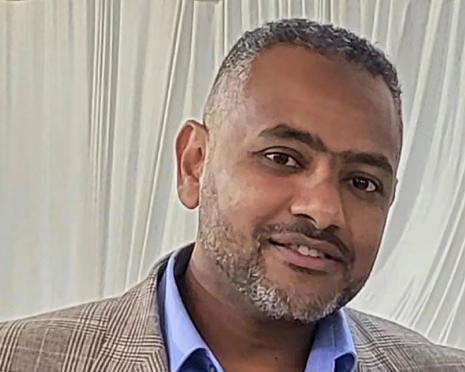
The quiet streets of Manchester feel much colder these days for Amaher Nour and her family. Her husband Ahmed al-Doush remains trapped in a prison cell thousands of miles away in Riyadh. The British national was arrested in 2024 during what should have been a joyful family holiday. Since that fateful day his wife has fought a tireless battle for his freedom and safety. Her latest plea is a deeply personal appeal directed to the Saudi Crown Prince himself. She asks for clemency and the chance for her four young children to see their father. This heart-wrenching request comes as reports suggest that Ahmed’s physical and mental health are failing. His family and human rights advocates now fear that time is running out for his rescue.
The case has drawn significant international attention from the United Nations and various major human rights groups. In late 2025 a UN working group conducted an eight-month inquiry into his difficult situation. They determined that his detention was entirely arbitrary and violated several fundamental international legal standards. The group recommended his immediate release and suggested that he be paid substantial financial compensation. Despite these high-level findings Saudi authorities have not yet moved to set the British man free. Instead they recently confirmed a conviction while reducing his original sentence to a total of five years. This decision has left his legal team and his loved ones in a state of shock. They continue to argue that the charges against him are based on very thin evidence.
The original charges involve social media posts that were published more than five years ago online. Ahmed reportedly had only thirty-seven followers and had posted only four times on his personal account. One post allegedly concerned political events in Sudan which is the country of his own birth. Saudi authorities claim these posts promoted terrorist ideology and supported dangerous groups within the Middle East. However his lawyers insist he is merely a private citizen who shared minor personal opinions online. The UN working group agreed that his arrest was likely due to his perceived political associations. They found no evidence that he posed any genuine threat to the security of the kingdom. This disconnect between the charges and the evidence has caused great distress for his family.
Amaher Nour describes the last twenty months as a period of profound emptiness and constant pain. Her youngest child is only one year old and has never truly known a father’s touch. The other three children are all under the age of ten and struggle with his absence. Nour explains that her husband’s return would restore the stability that her young family desperately needs. She is not focusing on the complexities of the Saudi legal system in her latest letter. Her message is a humanitarian cry for a father to be reunited with his growing children. She hopes that the Saudi leadership will show mercy and allow him to return to England. The emotional toll on the family has been described as an unending and cruel nightmare.
Amnesty International has joined the call for his release with a series of very urgent warnings. They report that Ahmed has undertaken multiple hunger strikes to protest his lack of family contact. Chronic restrictions on communication have left him feeling profoundly isolated and vulnerable within the prison system. Most recently his condition has deteriorated to a level that has prompted fears of potential self-harm. Human rights advocates believe that his life may be at risk if he remains in detention. They are calling for an immediate intervention by the United Kingdom government to protect its citizen. The fear is that the consequences of further delay could soon become tragic and irreversible. His family remains in constant contact with supporters while they wait for any small sign of hope.
The United Kingdom Foreign Office has stated that they are providing support to the detained man. Middle East minister Hamish Falconer has reportedly raised the case with his Saudi counterparts many times. However critics argue that the British government needs to take a much firmer stance with Riyadh. The UK currently provides significant military assets to Saudi Arabia to help protect its sovereign borders. This security partnership is worth billions of pounds and involves high-level strategic cooperation between both nations. Some advocates believe this relationship should give Britain more leverage to secure the release of prisoners. They argue that the protection of British citizens must always be a top priority for ministers. The balance between trade interests and human rights remains a subject of intense political debate.
Legal experts have also criticized the initial handling of the case by the British authorities involved. The UN report noted that the Foreign Office withheld information from the family for several months. Officials cited data protection laws as the reason for not sharing details about Ahmed’s early detention. This practice has been criticized by families of other detainees who felt abandoned by their government. It took months before Ahmed was allowed a consular visit or a single call to Manchester. His lawyers argue that these delays hindered their ability to build a proper defense for him. They believe the UK must now use the UN findings to resolve this unjust situation quickly. Every day that passes without action adds to the suffering of an innocent British family.
The Saudi government maintains that all proper legal procedures were followed during the trial and sentencing. They claim that Ahmed was granted access to a lawyer and that his trial was public. Officials in Riyadh insist that their actions are in line with both domestic and international laws. They view the charges of supporting terrorist ideology as a matter of serious national security concern. This stance creates a difficult diplomatic hurdle for those seeking a path toward his early release. The lack of transparency regarding the written judgment has also made the appeal process very difficult. His legal team at 33 Bedford Row continues to push for clarity and for justice. They remain committed to challenging the narrative presented by the prosecution in the Saudi courts.
As the sun sets over Manchester Amaher Nour continues to hold on to her fading hope. She believes that a personal appeal for mercy is the best way to reach the prince. Her husband is a man who loved his family and worked hard to provide for them. The thought of him suffering in a distant cell is more than she can easily bear. She remembers the joy they felt when they planned their holiday to the kingdom in 2024. That joy has been replaced by a quiet desperation that defines her every waking hour now. The international community is watching closely to see how Saudi Arabia responds to this growing pressure. For a father of four the stakes of this diplomatic struggle could not be higher.
The case of Ahmed al-Doush serves as a stark reminder of the risks facing global travelers. It highlights how digital footprints can be used against individuals in different legal jurisdictions around the world. For now the focus remains on the health and safety of a man in crisis. His family refuses to give up until he is back home on British soil once again. They hope that the power of a mother’s plea will finally break the silence of detention. The world awaits a gesture of compassion that could mend a broken family in the north. Until then the campaign for Ahmed will continue to grow in strength and in local urgency. Justice for one citizen is a test for the values of an entire nation’s diplomacy.
Related News:
 UN Warns Israeli Death Penalty Bill Could Be a War Crime
 Israeli Strikes in Lebanon Kill 10 Amid Ceasefire Strain
 Former ICC prosecutor condemns US sanctions
 Gambia Supreme Court Hears Case to Overturn FGM Ban
 Iran Death Toll Crisis Exposed: Bodies, Mass Graves, and Concealment
 Files Link Andrew to Epstein Dinner After Prison Release
 Thousands Protest ICE in New York Against Trump Deportation Campaign
 Concerns rise for Canberra boy amid Iran detention fears
 Brazilian Politician Brothers Sentenced for Marielle Murder
 Anthony Albanese Must Uphold Rights for All Australians
 Woman Executed in Somalia Sparks Debate on Justice System
 Uganda Crackdown: Two Women Arrested for Public Kissing
 Ukraine war briefing: Zelenskyy offers help to Saudi Crown prince on combatting Iranian drones
 Saudi Arabia Urging US to Keep Up Iran Attacks
 Diplomacy on the Brink: Pakistan’s Risky Peace Mission
 Police Seek Immunity in Indigenous Custody Death Case
 Manila Transport Crisis: Fuel Costs Hit Breaking Point
 Trump Slams Europe as Transatlantic Tensions Boil Over
 High-Value Target: Iranian Strike Destroys US Radar Plane
 UK Activist Leaders Convicted Over Protest Violations
 Spain Faces Backlash Over Xenophobic Chants in Egypt Draw
 A Global Voice For Justice: Stephen Lewis Dies At Age 88
 Trump Issues Stark Warning After Strike On Iran’s Largest Bridge
 Artist Sues in Paris Over Israeli Strike Killing Parents
 Canadian Mother and Daughter Released From ICE Detention
 Hope and Fear as Iranians Flee Across the Turkish Border
 Death, displacement and military duties: children plunged into crisis
 The Price of Hubris: Trump, Netanyahu, and the ‘Easy’ War
 Queensland Youth Justice Debate: The Data Behind the Law
 Gaza Child Arrives in UK for Life-Changing Care
 Israel Defies Ceasefire as Lebanon Operations Persist
 Brisbane Rideshare Driver Faces Serious Assault Charges
 Pakistan Brokers Historic Peace Deal Amid Rising Tensions
 Tragedy in the Channel as Four Lives Lost in Boat Sinking
 Netanyahu Vows Continued Lebanon Strikes Amid Peace Talks
 Islamabad Hosts Historic Peace Talks Between Iran and USA
 US and Iran Pursue Extension of Ceasefire via Pakistan
 Trump’s Islamabad Gamble: The High Stakes of a New Iran Deal
 Kyiv and Odesa Mourn After Deadly Wave of Russian Strikes
 France Urges Release of Elderly Widow Held by ICE
 The General’s Gambit: Pakistan’s New Role in Global Peace
 Can Trump’s Ceasefire Hold in Lebanon?
 Trump Weighs Sending Afghan Allies to the Congo
 Prominent Voices Challenge Palestine Action Ban
 Aid Crisis Grows as Hormuz War Disrupts Supply
 Australian Activists Detained as Gaza Aid Flotilla Intercepted
 Standoff Over Syria: Australia Defies Trump Repatriation Plea
 Activists allege abuse after Gaza flotilla seizure
 Middle East Crisis Escalates as Oil Routes Shake Markets
 Australia Faces Rising Tide of Modern Antisemitism
 Saudi Arabia Blocks Trump’s Naval Plan for Hormuz Strait
 Security Failures and the Road to the Bondi Inquiry
 Tensions Emerge in Netanyahu-Trump Alliance
 Mexico’s Missing: State Complicity in a Growing Crisis
 UAE’s Secret Strike on Iran Risks Wider Gulf Conflict
 Nobel Laureates Demand Release of Activist Narges Mohammadi
 Netanyahu Claims Secret UAE Visit Amid Regional Conflict
 Court Upholds Landmark Win for Transgender Rights
 Global Outrage After Israeli Minister Mocks Bound Activists
 Taliban Codifies Strict New Marriage and Divorce Legislation
 Hunger increasingly weaponised in global conflicts
 Trump and Netanyahu Clash Over Crucial US and Iran Peace Deal
 Silenced Stitches: The Cost of Memory in Hong Kong
 Israel Defies Trump in Direct Strikes on Targets Across Iran
 Vision Lost Amid the Rubble of Modern Conflict
 US and Iran Agree Historic Framework to End 15-Week War
 Controversial London Property Show Sparks Legal Fury
 Uncertainty Prevails as Landmark Peace Talks Abruptly Conclude Before Commencement
 High Drama in Tehran Over Secret Nuclear Letters
 US Supreme Court Rejects Trump Attack on Birthright Law
 Iran Prepares for Massive Six-Day Funeral for Khamenei
 Iran Prepares for Massive Funeral for Supreme Leader
 Iran Bids Farewell to Fallen Leader in Massive Procession
 Iran Mourns: Millions at Khamenei’s Final Procession
 UK Charity Funds Illegal Hebron Settlement Expansion
 Israeli Officer Investigated for Car Grenade Attack
 Yemen Accuses Iran of Violating National Sovereignty
 Trump Threatens Iran Power Strikes Over Hormuz Impasse
 Houthis Strike Saudi Arabia as Middle East Tensions Rise
 Taliban global ties grow as rights fears mount