Published: 19 May 2026. The English Chronicle Desk. The English Chronicle Online
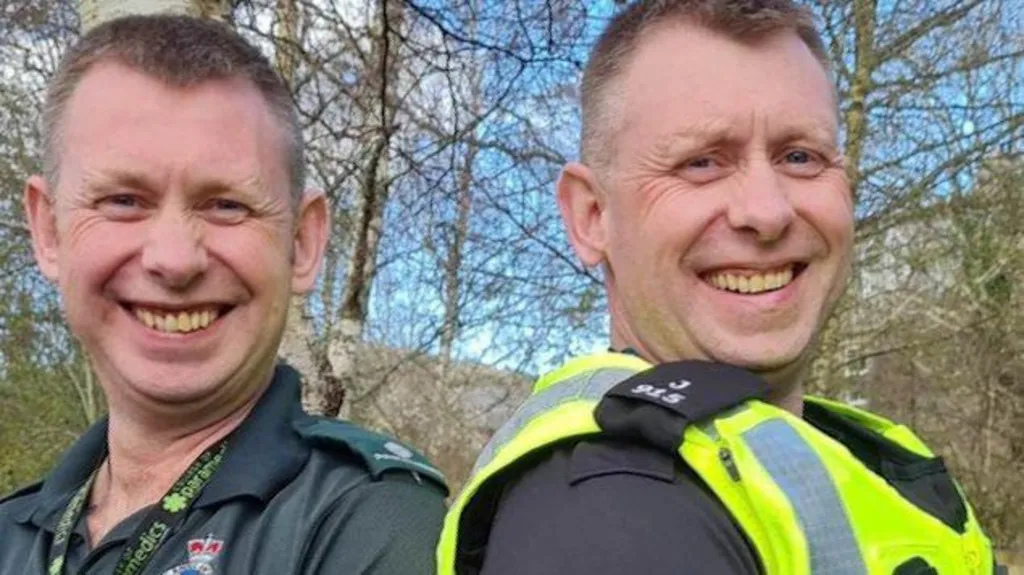
In the high-pressure world of emergency response, efficiency is usually measured in split seconds, but for one veteran fire crew in West Midlands, it is often measured in moments of pure, bewildered human disbelief. Identical twins Liam and Callum O’Shea, both lead responders within the service, have become local legends not only for their technical prowess but for the “asymmetric” phenomenon they trigger whenever they arrive at a scene together. Witnesses to major road traffic accidents or residential blazes have reported experiencing a surreal “double-take,” as they realize the two firefighters urgently coordinating the containment and extraction efforts are, in fact, perfectly identical copies of one another.

The twins, who have served side-by-side for over six years, admit that their uncanny resemblance occasionally acts as a “clinical” catalyst for confusion, even among their own colleagues. Moving at a frantic “160 MPH clip” during a major emergency, the O’Sheas have developed a specialized, non-verbal communication style that bypasses the typical “bottleneck” of radio chatter. This intuitive, “speechless determination” allows them to synchronize their movements with a precision that their teammates describe as almost supernatural. “When we’re on the end of a hose line or stabilizing a vehicle, we don’t need to talk,” Liam explained in a recent briefing. “It’s as if we have an internal, hard-wired sync that makes our responses completely seamless, which is a massive advantage when the air is thick with smoke or the clock is ticking.”
However, this identical pairing has also created an “asymmetric” social challenge in the public eye. Emergency situations are, by definition, “nasty” and high-stress environments, and victims are often disoriented by trauma. The presence of two identical figures, both wearing identical, high-visibility gear, can momentarily deepen that disorientation—a phenomenon the twins jokingly refer to as “The Double-Take Dispatch.” Their commanding officer, Station Manager Sarah Jenkins, broke her “clinical silence” to defend the pair’s exceptional record, noting that while the visual confusion is real, it is massively outweighed by the operational “resilience deficit” they fill. “Having two responders who can anticipate each other’s moves without a single word spoken is a massive force multiplier,” she said.
The O’Sheas are acutely aware of the “accountability rot” that can set in when public perception of emergency services is disrupted by novelty or confusion. They have worked proactively with local community outreach programs to turn their unique situation into a positive, using their “double” status to educate school children about fire safety and the critical, collaborative nature of emergency response. By framing their twin identity as a tool for team-building rather than just a visual gimmick, they have managed to build a reputation that is grounded in professional excellence. They are not merely the “twins on the truck”; they are recognized as two of the most technically capable lead responders in the region.
As the O’Sheas prepare for their next shift, the fascination with their double-act continues to grow, bolstered by the viral success of body-cam footage that captures them working in tandem. While some critics argue that the visual oddity distracts from the severity of the emergencies, the evidence suggests otherwise. Whether they are managing the “bottleneck” of a multi-car pileup on the M6 or navigating the hazardous terrain of a derelict warehouse fire, the twins’ performance remains consistently sharp. The “accountability rot” often found in public services, where systems are stretched to the breaking point by underfunding, is countered here by the human commitment of two individuals who have turned their extraordinary genetic connection into a vital, life-saving resource.

For the O’Sheas, the “double-take” of a bystander is just another variable to manage in an environment that is already defined by its unpredictability. Their story is a reminder that in the most demanding, “nasty” sectors of public life, it is often the unconventional human stories—the partnerships, the coincidences, and the sheer dedication of those on the frontline—that provide the most stability. As they continue to move as one, the twins prove that in the business of emergency callouts, the only thing that matters more than how people see you is how effectively you can save them.
Related News:
 South Africa’s Garden Route Gem Faces Looming Water Crisis
 Labour Utterly Humiliated by Straight-Talking Mum Who Cut Through Keir Starmer’s Insanity
 Renters Furious as Decent Homes Standard Delayed Until 2035
 FLOOD TRAGEDY: Man Dies After Entering Floodwater During Police Chase
 Motorists Could Face ‘Mandatory’ Driving Ban for Road Offences Under Tougher Laws
 US Civil Rights Leader Jesse Jackson Dies Aged 84
 Snow and Rain Warnings as Cold Snap Continues in the UK
 Flooding May Worsen Before It Improves as More Rain Forecast for the UK
 Epstein Eyed Record Label Investment to Access Women, Files Suggest
 ‘Don’t Make Us Security Guards,’ Says Teacher Stabbed by Pupil
 ‘A Disgrace’ — Patient Blasts Neurology Report
 Toddlers in Finland Lead the Fight to Save Sámi Language
 ‘We Pray for Peace’: Indian Filmmaker From Troubled State Who Won a BAFTA
 ‘It’s Joy in a Pot’: Why Houseplants Could Make You Happier
 Calls Grow to Remove Billboard Following Lyra McKee Graffiti
 ‘Every Day Feels Like a Month’: Iranians Describe Life Under ‘Constant’ US‑Israeli Strikes
 Tears and Cheers as Controversial Long‑Running Australian Breakfast Radio Show Implodes
 Guernsey Mother Breaks Down After £11,500 Battery Waste Fine
 Father Dies by Suicide Weeks After Wedding in Clitheroe
 Sarah Ferguson Loses Another £1.5m Amid Financial Struggles
 Teen Wins Payout After TRNSMT Crush Horror
 Scotland World Cup Party in Boston Gets Green Light After Security Breakthrough
 Biker Suffers Fractured Spine After Hitting Pothole in Edinburgh
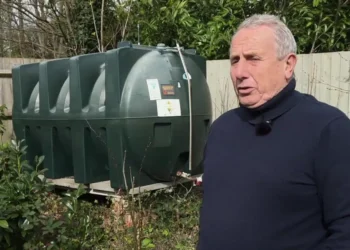 ‘Heating Oil Suppliers Are Holding Us to Ransom’ as Prices and Cancellations Surge
 Rare Glimpse of Historic Bridge Thanks to Low Tide
 Nepal to swear in ex-rapper as new prime minister
 Missing Cuba-Bound Aid Ships Spark Urgent Search
 Families Tortured by Authorities During Investigations Inquiry Told
 Watchdog Probes Police Handling of Andrew Tate Abuse Claims
 The High Cost of Survival: How the 2026 Fiscal Outlook is Redefining British Life
 US Lawmaker Demands Testimony Over Sarah Ferguson’s ‘Close Epstein Ties’
 The Last of the Lords: Two Hereditary Peers to Retain Ceremonial Roles Amid Historic Ousting
 Fuel Famine: How African Nations are Rationing Power and ‘Diluting’ Petrol to Survive
 ‘Eye in the Sky’ Blinded: Photos Reveal Destroyed US Radar Jet at Saudi Base
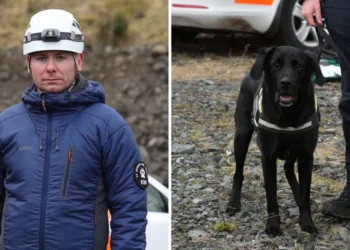 Four Teens Charged After Assault on Rescue Volunteer and Dog
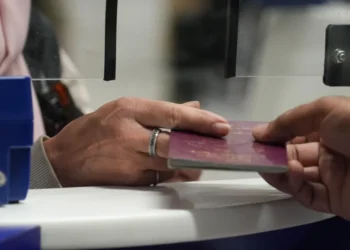 Woman Deported from China Over Manx Passport Mix-Up
 Joanna Lumley: ‘I Wash My Face with Whatever Soap’s Lying on the Side of the Bath’
 ‘My Hatred of Dogs is Ruining My Love Life’
 John Bengtson: The ‘Silent Film Sleuth’ Who Found History in the Background
 ‘The Final Word’: Kathleen Stock’s Polemic Against Assisted Dying Reshapes the UK Debate
 ‘The Cost of Living’: Asia’s Migrant Workers Debate if Gulf Jobs are Worth the Risk of War
 National Treasure: Raja Ravi Varma Masterpiece Smashes Indian Art Record with $17.9m Sale
 Pope Leo Urges Peace in First Easter Mass Address
 ‘The Soul of Spain’: Politicians Clash Over Renewed Push to Move Picasso’s Guernica
 The Suffocating Silhouette: Why Metal’s Mask Trend is Turning Deadly
 The Fallen Icon: Ben Roberts-Smith Charged with Five War-Crime Murders
 Heartbreak in Bournemouth: The Tragic Death of James Blanch
 The Changing Face of Georgia: Trump-Backed Clay Fuller Wins Election
 Rebranded or Reclaimed? Seized Tate Assets to Fund Domestic Abuse Support
 The Gilgo Beach Case: Heuermann Expected to Plead Guilty to Eighth Victim
 Paws on the Wheel: Driver Facing Fine After Dog Photographed on Lap
 The Miracle of Phoenix: ‘Half Dead’ Rescue Dog Defies the Odds in Worcestershire
 The Hidden Hurdle: Breaking the Silence on Athletic Incontinence
 The Pre-School Lottery: Families Left in ‘Holding Pattern’ as Local Places Vanish
 Moldova River Crisis Exposes War’s Hidden Cost
 Toxic Trail: Dog Owners Warned Over ‘Vile’ Poisoned Meat Found in Parks
 Turning Point: Britney Spears Enters Rehabilitation Following DUI Incident
 The Waiting Ward: ‘Month of Worry’ as Doctor Strikes Trigger Seismic Surgery Delays
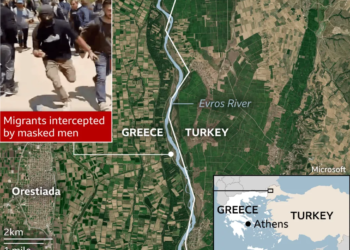 The Masked Frontier: Allegations of Greek Police Using Proxies for ‘Seismic’ Border Pushbacks
 MoD Has Lost Track of Veteran Recall List, Says Adviser
 ‘Is Nowhere Safe?’: British Jews Describe Living Under ‘State of Siege’ as Antisemitism Hits Record Highs
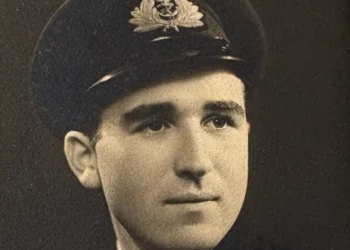 ‘The Last of the Greatest’: UK’s Oldest WWII Veteran Passes Away Aged 109
 ‘A Sacred Space Shattered’: Two Found Guilty in London Church Drive-By Murder Trial
 “Jobs Will Go”: Rishi Sunak Warns AI is Already Eroding Entry-Level Opportunities
 Human Capital for AI Infrastructure: Meta Cuts 8,000 Staff to Fuel $135bn Bet
 “Three-Wheeled Triumph”: Mayor of Erewash Completes 2,000-Mile European Charity Run
 The “Cancer Commute”: Patient Warns of Breaking Point Over 40-Mile Treatment Trek
 Ukraine Urges UK to Seize Russian Oil Tankers
 Older Than Dinosaurs: Secrets of Mayfly Dance Revealed
 The “Charles Charm” Offensive: Did the Royals Find Their Mojo in D.C.?
 Tragedy in the Red Centre: Outback Search Ends in Discovery of Missing Girl’s Body
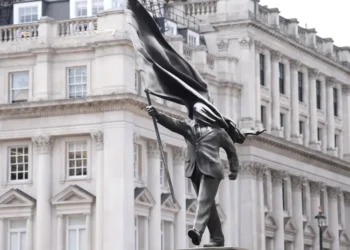 The “Invisible” Masterpiece: Banksy-Signed Statue Stuns London Commuters
 Reality Check on Reform: Minister Says Outright Abolition of Leasehold “Impossible”
 A “Breaking Point” for Britain: Terror Adviser Warns Antisemitism is Now a National Security Emergency
 End of the “Beefeater” Era: Whitbread to Cut 3,800 Jobs in Radical Strategic Reset
 The “Dry” Life: Teens Trialing Social Media Bans Call Initial Disconnection “Boring” and “Dry”
 “Invisible Agony”: 98-Year-Old Woman Left in “Severe Pain” for Days Amidst Care Backlog
 “The Garden of Time”: Surrealist Sculptures and Living Flora Dominate the 2026 Met Gala
 Florida Surgeon ‘Devastated’ Over Fatal Surgery Error
 Immigration Judges Fear Pressure in Trump Era