Published: 19 May 2026. The English Chronicle Desk. The English Chronicle Online
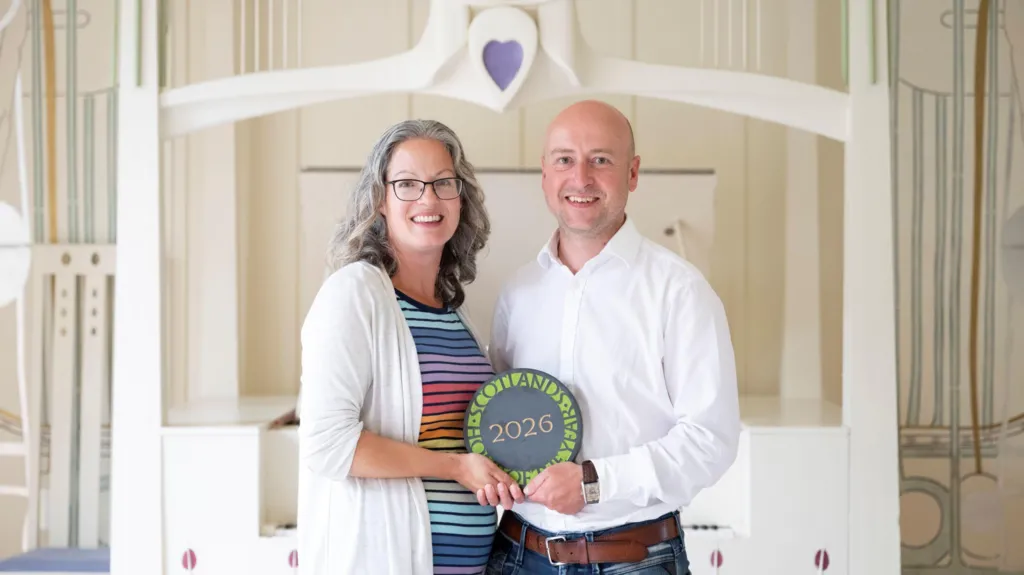
In the wake of being crowned “Scotland’s Home of the Year 2026,” the owner of the winning property has provided a refreshingly blunt assessment of the grueling three-year journey required to turn a derelict Edinburgh bungalow into a design triumph. Describing the process of gutting, extending, and reimagining the space as “like childbirth,” the winner—who spent the better part of a thousand days living in a construction zone—revealed that the beauty of the finished home was forged through a crucible of physical exhaustion, financial uncertainty, and profound emotional strain. While the final product is a masterclass in modern, light-filled architecture that judges praised as “flawless,” the owner’s admission has struck a chord with a public currently navigating an increasingly difficult and expensive renovation market, where the dream of the “perfect home” often clashes with the reality of building site chaos.

The project, which saw the unassuming 1950s bungalow transformed into a contemporary, energy-efficient sanctuary, faced an “asymmetric” series of hurdles from the moment planning permission was finally granted. According to the owner, the renovation didn’t just move at a frantic pace—it moved at a “160 MPH clip” during periods of intense structural work, only to grind to a total, agonizing “bottleneck” whenever supply chain shortages or unexpected building regulation adjustments intervened. For the owner, the comparison to childbirth wasn’t intended to diminish the architectural achievement, but to emphasize the visceral, “nasty” nature of creation; the sleepless nights spent obsessing over material specifications, the overwhelming physical toll of manual labor on weekends, and the profound, almost primal desire to see the project “delivered” after years of gestation.
This “resilience deficit” is a common theme for those attempting large-scale residential projects in the current economic climate, where the “accountability rot” of unreliable contractors and soaring material costs can turn a homeowner’s passion project into a source of long-term trauma. The Edinburgh property, which judges selected for its “brave spatial configuration” and “unwavering commitment to natural light,” serves as a testament to the fact that the most remarkable spaces are often the ones that cost the most, not just in pounds, but in personal capacity. The owner openly discussed the “clinical silence” that descended over the household during the darkest months of the build, when the project felt like an insurmountable burden that had permanently disrupted the rhythm of family life.
As the news of the award circulates, it has sparked a wider conversation about the “speechless determination” required to push a project across the finish line when every indicator suggests it might be better to walk away. Industry analysts have noted that the 2026 housing market is witnessing a distinct polarization: while new-build demand remains high, a growing “asymmetric” surge of homeowners are choosing to stay and renovate, driven by a lack of affordable housing and a desire to customize their living environments to fit modern, work-from-home requirements. However, as the winner of Scotland’s Home of the Year has candidly demonstrated, this path is not for the faint of heart. The gloss of the finished interior—the polished concrete floors, the seamless glazing, and the curated minimalist aesthetic—conceals a history of dust, debris, and the kind of “nasty”, logistical headaches that rarely feature in the polished segments seen on television.

The win has inevitably elevated the home to the status of a local landmark, drawing curiosity from across the city, yet the owner remains focused on the domestic reality behind the architecture. For them, the trophy is less a symbol of prestige and more a badge of endurance, a recognition that the space they now inhabit was birthed through a process of extreme, sustained effort. By pulling back the curtain on the “childbirth” analogy, the winner has provided a rare, honest look at the human cost of creating something exceptional in a world that is obsessed with the finished result. As Scotland celebrates its most beautiful home, the story serves as both an inspiration to aspiring renovators and a necessary, sobering warning: beauty, in the form of a dream home, is never given—it is earned, often at a price that only the renovator truly understands.
Related News:
 Karen Gillan Reveals What She Misses Most About Scotland’s Food and People
 Teen Wins Payout After TRNSMT Crush Horror
 Second Man Arrested Over ‘Gunshot’ Death of Young Dad in Motherwell Home
 10 Scenic Stays in Scotland’s Highlands & Islands
 South Africa’s Garden Route Gem Faces Looming Water Crisis
 Labour Utterly Humiliated by Straight-Talking Mum Who Cut Through Keir Starmer’s Insanity
 Renters Furious as Decent Homes Standard Delayed Until 2035
 Motorists Could Face ‘Mandatory’ Driving Ban for Road Offences Under Tougher Laws
 US Civil Rights Leader Jesse Jackson Dies Aged 84
 Snow and Rain Warnings as Cold Snap Continues in the UK
 Epstein Eyed Record Label Investment to Access Women, Files Suggest
 ‘Don’t Make Us Security Guards,’ Says Teacher Stabbed by Pupil
 ‘A Disgrace’ — Patient Blasts Neurology Report
 Toddlers in Finland Lead the Fight to Save Sámi Language
 Bodies of Man and Boy Found in Burnt‑Out Car After Horror Crash in the Highlands
 ‘We Pray for Peace’: Indian Filmmaker From Troubled State Who Won a BAFTA
 ‘It’s Joy in a Pot’: Why Houseplants Could Make You Happier
 New Infection Risk Alert at Glasgow’s Flagship Hospital
 Calls Grow to Remove Billboard Following Lyra McKee Graffiti
 ‘Every Day Feels Like a Month’: Iranians Describe Life Under ‘Constant’ US‑Israeli Strikes
 Tears and Cheers as Controversial Long‑Running Australian Breakfast Radio Show Implodes
 Scots Man Convicted in Dirty Money Case After DNA Found on Cash
 Father Dies by Suicide Weeks After Wedding in Clitheroe
 Sarah Ferguson Loses Another £1.5m Amid Financial Struggles
 CCTV Shows Limping Man Missing Nine Days as Police Appeal
 Scotland World Cup Party in Boston Gets Green Light After Security Breakthrough
 Biker Suffers Fractured Spine After Hitting Pothole in Edinburgh
 Tommy and Gail Sheridan to Stand for New Political Party After Alba Demise
 ‘Heating Oil Suppliers Are Holding Us to Ransom’ as Prices and Cancellations Surge
 Rare Glimpse of Historic Bridge Thanks to Low Tide
 Nepal to swear in ex-rapper as new prime minister
 Missing Cuba-Bound Aid Ships Spark Urgent Search
 Families Tortured by Authorities During Investigations Inquiry Told
 Watchdog Probes Police Handling of Andrew Tate Abuse Claims
 The High Cost of Survival: How the 2026 Fiscal Outlook is Redefining British Life
 US Lawmaker Demands Testimony Over Sarah Ferguson’s ‘Close Epstein Ties’
 The Last of the Lords: Two Hereditary Peers to Retain Ceremonial Roles Amid Historic Ousting
 Fuel Famine: How African Nations are Rationing Power and ‘Diluting’ Petrol to Survive
 ‘Eye in the Sky’ Blinded: Photos Reveal Destroyed US Radar Jet at Saudi Base
 Four Teens Charged After Assault on Rescue Volunteer and Dog
 Woman Deported from China Over Manx Passport Mix-Up
 Joanna Lumley: ‘I Wash My Face with Whatever Soap’s Lying on the Side of the Bath’
 ‘My Hatred of Dogs is Ruining My Love Life’
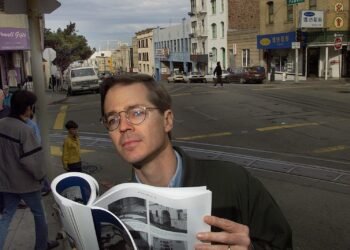 John Bengtson: The ‘Silent Film Sleuth’ Who Found History in the Background
 ‘The Final Word’: Kathleen Stock’s Polemic Against Assisted Dying Reshapes the UK Debate
 ‘The Cost of Living’: Asia’s Migrant Workers Debate if Gulf Jobs are Worth the Risk of War
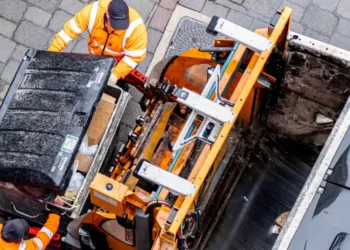 ‘White Elephant on Wheels’: Orkney Council to Sell £456,000 Bin Lorry with Only 2,000 Miles
 National Treasure: Raja Ravi Varma Masterpiece Smashes Indian Art Record with $17.9m Sale
 Pope Leo Urges Peace in First Easter Mass Address
 ‘The Soul of Spain’: Politicians Clash Over Renewed Push to Move Picasso’s Guernica
 The Suffocating Silhouette: Why Metal’s Mask Trend is Turning Deadly
 The Fallen Icon: Ben Roberts-Smith Charged with Five War-Crime Murders
 Heartbreak in Bournemouth: The Tragic Death of James Blanch
 The Changing Face of Georgia: Trump-Backed Clay Fuller Wins Election
 Rebranded or Reclaimed? Seized Tate Assets to Fund Domestic Abuse Support
 The Gilgo Beach Case: Heuermann Expected to Plead Guilty to Eighth Victim
 Paws on the Wheel: Driver Facing Fine After Dog Photographed on Lap
 The Miracle of Phoenix: ‘Half Dead’ Rescue Dog Defies the Odds in Worcestershire
 The Pre-School Lottery: Families Left in ‘Holding Pattern’ as Local Places Vanish
 Moldova River Crisis Exposes War’s Hidden Cost
 Toxic Trail: Dog Owners Warned Over ‘Vile’ Poisoned Meat Found in Parks
 The Waiting Ward: ‘Month of Worry’ as Doctor Strikes Trigger Seismic Surgery Delays
 MoD Has Lost Track of Veteran Recall List, Says Adviser
 ‘The Last of the Greatest’: UK’s Oldest WWII Veteran Passes Away Aged 109
 ‘A Sacred Space Shattered’: Two Found Guilty in London Church Drive-By Murder Trial
 “Jobs Will Go”: Rishi Sunak Warns AI is Already Eroding Entry-Level Opportunities
 “Three-Wheeled Triumph”: Mayor of Erewash Completes 2,000-Mile European Charity Run
 The “Cancer Commute”: Patient Warns of Breaking Point Over 40-Mile Treatment Trek
 Ukraine Urges UK to Seize Russian Oil Tankers
 Older Than Dinosaurs: Secrets of Mayfly Dance Revealed
 Tragedy in the Red Centre: Outback Search Ends in Discovery of Missing Girl’s Body
 The “Invisible” Masterpiece: Banksy-Signed Statue Stuns London Commuters
 Reality Check on Reform: Minister Says Outright Abolition of Leasehold “Impossible”
 End of the “Beefeater” Era: Whitbread to Cut 3,800 Jobs in Radical Strategic Reset
 The “Dry” Life: Teens Trialing Social Media Bans Call Initial Disconnection “Boring” and “Dry”
 “Invisible Agony”: 98-Year-Old Woman Left in “Severe Pain” for Days Amidst Care Backlog
 “The Garden of Time”: Surrealist Sculptures and Living Flora Dominate the 2026 Met Gala
 “The Digital Frontier”: Scotland’s Papers Grapple with AI Harassment and ‘Mortgage Bottlenecks’
 Florida Surgeon ‘Devastated’ Over Fatal Surgery Error
 Immigration Judges Fear Pressure in Trump Era