Published: 21 May 2026. The English Chronicle Desk. The English Chronicle Online.
The British countryside is currently facing a silent and deeply concerning ecological crisis this year. Recent data reveals that migratory bird numbers have plummeted drastically across the United Kingdom. This worrying decline has occurred despite the exceptionally warm spring weather recorded last year. Activists and researchers alike are expressing deep concern over these unexpected environmental trends. The British Trust for Ornithology has compiled extensive data regarding these avian populations. Their latest findings paint a remarkably bleak picture for several beloved summer visitors. Citizens across the nation are noticing an eerie quietness in fields and woodlands. This absence of birdsong highlights a shifting balance within our fragile natural world.
To understand the current situation we must examine the preceding weather patterns carefully. The United Kingdom experienced a remarkably mild, wet, and stormy winter season initially. Following that turbulent period, spring arrived with unprecedented levels of warmth and dryness. The subsequent summer then shattered previous records, particularly across England and Wales. Such conditions usually suggest a prosperous period for nesting and foraging wildlife. Warmth typically increases insect populations, providing abundant food for hungry young chicks. One would naturally expect migratory species to thrive under these ideal conditions. Instead, the reality on the ground has proven to be entirely different. Something went terribly wrong during what should have been a highly successful season.
The primary evidence for this decline comes from dedicated local bird ringers. These volunteers trap, tag, and release thousands of birds throughout the country. Their meticulous work allows scientists to track population health with incredible precision. When the British Trust for Ornithology collated the numbers, patterns emerged clearly. Last year’s breeding season was ultimately classified as a pretty disastrous event. Eight specific species of warblers were monitored closely during this comprehensive study. These tiny, resilient creatures travel thousands of miles from their African winter quarters. They rely heavily on stable British ecosystems to raise their vulnerable young. Unfortunately, the latest statistics indicate that their long journey faced immense hardship.
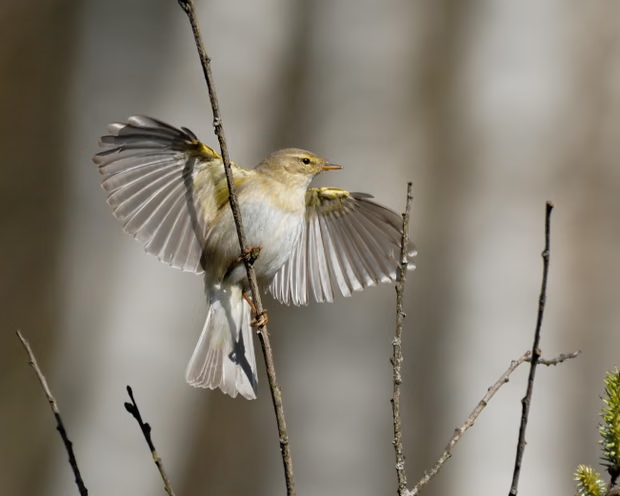
Four prominent warbler species showed significant and highly alarming drops in overall numbers. These affected groups include the willow warbler, blackcap, garden warbler, and common whitethroat. Hearing their distinctive melodies has become a rare privilege for keen British birdwatchers. Three other species also suffered notable declines during this same observational period. The sedge warbler, reed warbler, and lesser whitethroat all experienced population dips. While their losses were less severe, the downward trend remains deeply concerning. Only one specific warbler species managed to buck this tragic downward national trend. The resilient chiffchaff actually showed a welcome rise in its overall breeding numbers.
Experts believe the unique migration habits of the chiffchaff explain this solitary success. Unlike its cousin species, the chiffchaff chooses to winter much closer to home. Many spend the colder months in North Africa or the Iberian Peninsula. A growing number of these birds even stay put in southern Britain. This shorter journey shields them from the perilous hazards of crossing the Sahara. They avoid the grueling exhaustion that claims so many other migratory bird lives. Consequently, they arrive at breeding grounds much healthier and ready to nest. Their success story highlights how migration distance affects survival in changing times.
Further confirmation of these mixed fortunes comes from another major annual study. The Breeding Bird Survey provides an additional layer of vital avian population data. This comprehensive research revealed fascinating yet troubled trends among British pigeons and doves. The larger species, specifically woodpigeons and stock doves, continued their steady rise. Their adaptability allows them to exploit urban landscapes and agricultural fields effectively. In stark contrast, the two smaller species faced a completely different reality. Both collared doves and turtle doves continued their rapid and devastating decline. The iconic purr of the turtle dove is fast becoming a memory.
Ecologists urge extreme caution when interpreting these dramatic shifts in wildlife numbers. It is dangerous to ascribe population changes solely to single-year weather events. Ecosystems are incredibly complex webs influenced by a massive variety of factors. Habitat loss remains a critical threat both here in Britain and abroad. Development, intensive farming, and deforestation constantly shrink the spaces where birds thrive. International stopover sites are also disappearing rapidly due to human expansion activities. Without safe places to rest and feed, migration becomes a deadly gamble. Therefore, the domestic weather is only one piece of a massive puzzle.
Nevertheless, the undeniable reality of the global climate crisis cannot be ignored. Climate change is directly leading to far more frequent extreme weather events. Sudden droughts, severe storms, and unseasonal cold snaps disrupt delicate natural cycles entirely. Birds time their migrations based on ancient instincts that are now failing. If insects hatch too early, arriving birds face a devastating food shortage. The margin for error in nature is becoming terrifyingly slim for migrants. Vigilance is required now more than ever to protect these vulnerable species. We must monitor these changes closely to understand how to intervene.
This urgent need for constant data highlights the crucial importance of conservationists. The staff and volunteers at the British Trust for Ornithology excel here. Their tireless efforts provide the essential scientific evidence needed for political action. Without their dedication, this silent crisis would unfold completely unnoticed by society. Knowing which species are struggling allows organizations to target their limited resources. Conservation strategies can be tailored to protect specific habitats before it is too late. The dedication of these citizens is truly the frontline defense for wildlife.
Protecting these migratory birds requires a concerted effort spanning across international borders. British gardens can play a small but vital role in supporting visitors. Planting native shrubs and avoiding harmful pesticides provides immediate food and shelter. Community initiatives can also create local wildlife corridors through increasingly urbanized areas. On a grander scale, international policies must protect vital migration transport corridors. Global cooperation is absolutely essential to ensure these species have a future. The UK must lead by example in restoring its own degraded ecosystems.
Ultimately, the latest report serves as a stark warning about planetary health. A warm British summer is meaningless if the wider environment is collapsing. The birds are clear messengers telling us that something is deeply wrong. We must listen to the data provided by our dedicated scientific community. Preserving the natural symphony of our countryside requires immediate and decisive action. Every lost species represents a fraying thread in our own life-support system. Let us hope that future springs bring better fortunes for these travelers. The survival of Britain’s migratory birds depends entirely on choices we make today.
Related News:
 Aberdeen Chosen for GB Energy HQ at Marischal Square
 Scotland’s Climate Plans Face Scrutiny Over ‘Science Fiction’ Targets
 Ocean Warming Drives Massive Marine Life Loss, Study Warns
 Tropical Flowers Shift Blooming Due to Climate Crisis
 UK Energy Reform Could Cut Bills by £200
 Evacuations Ordered as California Wildfires Spread Fast
 UK Records Earliest Spring as Nature Awakens Fast
 North Sea Drilling to Cut UK Imports Only Slightly
 Queensland Braces for Potential Second Severe Cyclone Hit
 Heavier SUVs Accelerate Britain’s Pothole Crisis
 Cyclone Vaianu Forces Mass Evacuations in New Zealand
 Chornobyl Still at Risk 40 Years After Disaster
 Crackdown Backfires on UK Climate Protesters
 Older Than Dinosaurs: Secrets of Mayfly Dance Revealed
 Capitalism ‘Suicidal’, Warns Petro at Climate Summit
 Coalition pushes fossil fuel phaseout plan
 Record May Heat to Cold Front in Eastern Australia
 Norway Doubles Down on Oil and Gas for Europe Energy Security
 Doomsday Clock Nears Midnight Amid Global Crises
 Tractor Breakdown Tests Lincolnshire Farmers
 Britons Build Emergency Supplies Amid Rising Fears
 UK Faces Mass Water Shortages by 2055, Lords Warn
 Sycamore Gap Artwork Chosen After Public Vote
 Pope Meets Families in Italy Toxic Waste Zone
 UK rejects EV charging VAT cut amid Treasury clash
 Essex valley emerges as rising English wine hub
 Hope for mountain bongos returns to Kenya
 UN Issues Urgent Warning: Imminent Return of El Niño
 Europe Swelters as UK and France Smash Heat Records
 Germany Summons Chinese Envoy Over Russian Troop Training
 Sydney Records Hottest June Since 1859 as Expert Warns New High a ‘Signature’ of Global Warming
 UK Heatwaves Ignite Crisis of Sleep and Public Safety
 UK Seas Face Extreme Heatwave as Global Temperatures Surge
 Europe Pushes for Binding Heat Safety Laws at Work
 Europe Scorched as Record Heatwaves Grip the Continent
 UK Power Grid Strained by Summer Heatwave
 UK Schools Struggle as Classrooms Top 40C
 London Tube Heat Reaches Dangerous Levels
 Venezuela Quake Death Toll Surpasses 4,000
 Olympus Awaits Unesco Heritage Recognition
 Wildfires Force Mass Evacuations in France And Spain
 Three-Quarters of England’s Riverbanks Still Off Limits
 Powerful 7.7-Magnitude Earthquake Hits Eastern Indonesia
 London’s 2026 ‘Great Stink’ Raises Sewer Concerns
 Wildfires rage across Europe as hundreds arrested in France
 Burnham unveils £65m drought aid for farmers
 Gen Z turns to BirdTok for a gentler digital escape
 Zelenskyy Signs Fighter Jet Deal Amid Russian Drone Attacks
 Sundar Pichai Cautions on AI Hype and Market Risks
 Shadow Fleet at Sea: Europe’s Battle Against Illicit Oil Shipping
 Snow and Ice Cause Travel Chaos in North Yorkshire
 Director Michael Caton-Jones Reflects on Career and Beginnings
 Inside the Helpline Protecting Missing Children in the UK
 PlayStation PS5 Deals Hit Lowest Prices Ahead of Black Friday
 US Suspends Afghan Immigration After White House Shooting
 Five-Year-Old Dies After Rare Tonsil Surgery Complication
 Starmer Says Labour’s Economic Plan Needs Years to Deliver
 ‘Extinct’ Antelope Returns to Sahara, Bringing Hope
 IndiGo Cancels Hundreds of Flights Amid Pilot Shortages
 Young Britons Face Heaviest Burden from Ageing Population, Lords Warn
 U‑Turn on Farmers’ Inheritance Tax Sparks Political Firestorm
 Aston Villa Remain Arsenal’s Key Obstacle in Title Pursuit
 Wes Streeting faces narrow road to Labour members’ favour
 Keir Starmer Struggles to Secure His Grip on Downing Street
 Trump and Xi Convene in Beijing for Historic High-Stakes Summit
 Farage Faces Standards Probe Over Cash Property Purchase
 Closing the Gap: UK Pensions Commission Demands Action
 Reality TV Under Scrutiny Following Serious Allegations
 UK Eases Russian Oil Sanctions as Fuel Costs Soar
 The Battle for Wembley Sparking Unprecedented Legal Warfare
 Tony Abbott Returns as New Liberal Party President
 Royal Ascot Allegation Sparks Wider Police Inquiry
 Secret Role of UK Security Services in Troubles Amnesty Law
 Tube Strike Brings Capital to a Standstill Over Shift Disputes
 Teaching Machines Right From Wrong in the Digital Age
 Is Ollie Robinson the Chaos English Cricket Needs Today?
 The Hidden Crisis Eroding Trust in British Communities
 Saving the Scalloped Hammerhead: The Pacific Battle
 Stolen Mobiles Could Soon Become Useless Bricks
 Clean Air Initiatives Spark Major Fall in London Hospital Admissions