Published: 21 May 2026. The English Chronicle Desk. The English Chronicle Online.
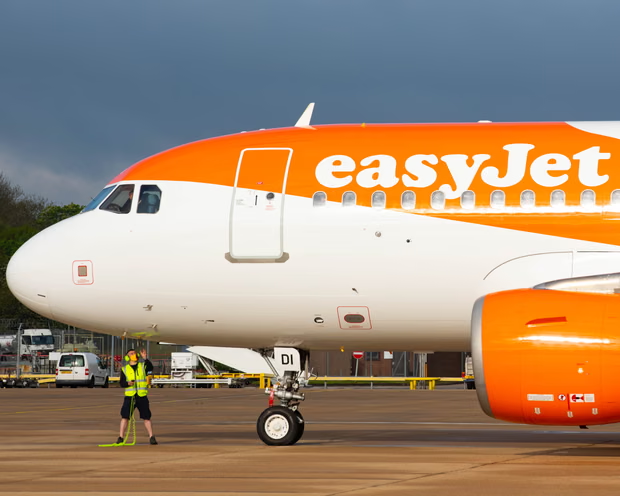
The modern aviation industry relies heavily on consumer confidence and predictable global energy markets. Recent geopolitical developments in the Middle East have disrupted this delicate economic balance significantly. Budget airline easyJet recently announced that its summer holiday bookings are lagging behind last year. The ongoing war involving Iran heavily weighs on general European consumer confidence right now. This uncertainty has left many passengers waiting much later to book their summer trips. Travelers are hesitant to commit to holiday plans during such volatile global events.
The carrier faced immediate financial pressure as soon as the regional conflict escalated. EasyJet had to spend an unexpected extra twenty-five million pounds on jet fuel. This sudden spike in operational costs occurred during the busy month of March. The financial surge followed the start of the joint military action in Iran. Higher fuel prices represent a major challenge for budget airlines operating in Europe. Managing these sudden expenses requires careful financial planning and strong corporate balance sheets.
Despite these rising costs, easyJet offered some reassurance regarding its operational capacity. The prominent airline said it was not experiencing any disruption to fuel supplies. Management added that it maintained its usual visibility of crucial energy supplies. This monitoring covers a rolling four-week period to ensure consistent daily operations. The company remains confident in its ability to secure necessary fuel resources. Stable supply chains are vital for maintaining customer trust during international crises. The aviation sector remains highly sensitive to warnings about potential energy infrastructure vulnerabilities. EasyJet does not expect to cancel any further flights this summer season. This statement stands despite an earlier warning in April by Ryanair boss Michael O’Leary. He suggested the United Kingdom was highly vulnerable to potential jet fuel shortages. This vulnerability would increase significantly should the strategic Strait of Hormuz remain closed. Such a closure would impact shipping lanes and global oil distribution networks.
The budget carrier is actively working to reassure anxious holidaymakers across Britain. The airline said that customers should continue to book with absolute confidence. This advice comes amid signs that worries over fuel shortages are discouraging travelers. Potential flight cancellations have also made people hesitant to plan their summer breaks. These industry sentiments closely echo recent comments from major rivals including Ryanair. Airlines are united in their efforts to restore normal consumer booking patterns.
Passenger booking behavior has shifted noticeably over the last few months of uncertainty. The airline said customers were still reluctant to book far ahead of time. Many people are waiting until their exact month of departure to travel. This trend toward last-minute booking complicates scheduling and revenue forecasting for carriers. Vacationers prefer flexibility when international news remains unpredictable and highly volatile. Airlines must adapt their marketing strategies to accommodate these late booking trends.
The company released an official statement regarding current seasonal reservation statistics today. We continue to see positive late bookings since the conflict began initially. However, overall bookings for the summer period are behind last year’s figures. This comparison looks at the exact same point in the calendar cycle. The data reflects a broader caution characterizing the contemporary British travel market. People are choosing to wait and see how global events unfold.
Airlines frequently use financial hedging strategies to protect against volatile oil prices. The company has hedged seventy-two percent of its total fuel needs. This protection covers the next six months of scheduled commercial airline operations. The strategy protects the busy summer period up to the end of September. However, easyJet has temporarily suspended its short-term hedging programs for now. This decision comes as a direct result of elevated near-term fuel prices.
The financial impact of these global events is visible in recent corporate data. The updates came as easyJet reported a massive pre-tax financial loss. The airline lost five hundred and fifty-two million pounds recently. This figure covers the six months ending on the thirty-first of March. The company lost three hundred and ninety-four million pounds last year. This represents a significant widening of losses during the winter trading period.
The timing of these losses is typical for European short-haul carriers. The carrier typically makes most of its money in the second half. This profitable period includes the peak summer holiday travel season for families. High summer demand usually offsets the financial losses incurred during winter months. The airline depends heavily on strong July and August ticket sales revenue. Consequently, the current booking slowdown presents a significant challenge for management.
In response to these pressures, the airline adjusted its commercial pricing structure. The airline said it had raised its minimum ticket fare recently. This price increase responds directly to significantly higher global jet fuel costs. Management is also actively reviewing all of its discretionary corporate costs now. Every department must justify its spending to preserve essential capital reserves. This disciplined approach helps protect the airline against prolonged market instability.
The executive leadership remains confident in the company’s long-term financial resilience. Kenton Jarvis, easyJet’s chief executive, spoke positively about their strategic position. He stated the airline was able to cope well with current situations. Despite conflict in the Middle East creating near‑term uncertainty, they remain strong. EasyJet is well placed to manage the current challenging macroeconomic environment successfully. This strength is supported by an excellent investment‑grade corporate balance sheet.
The chief executive emphasized that daily flights are operating entirely as normal. EasyJet is not seeing any disruption to its vital fuel supply chain. We continue to operate normally and our customers should book with confidence. This clear message aims to counteract negative headlines regarding European aviation fuel. The company wants to ensure passengers feel secure when planning their trips. Maintaining regular schedules is their highest priority during this volatile period.
The airline previously took precautions to optimize its scheduled commercial flight network. The airline said it had reviewed its summer flight schedule in March. This review followed the sudden outbreak of the conflict in the region. The tactical adjustments resulted in a small reduction in total available seats. This net reduction amounted to just zero point three percent overall. The minor change allowed the company to streamline operations effectively.
The company has now revised its operational outlook based on current stability. However, it now intends to operate its full summer schedule as planned. Passengers holding existing tickets do not need to worry about cancellations now. The airline feels confident that its current fuel supplies are entirely sufficient. This decision brings welcome clarity to thousands of British families planning holidays. Full schedule operations will continue across all major UK airport bases.
There is one specific area of the business experiencing remarkable growth. The carrier said it continued to experience strong demand for holiday packages. EasyJet Holidays has become an increasingly popular choice for cost-conscious British consumers. Customer numbers increased by twenty-two percent during the recent six-month period. This growth is measured against the same financial period one year earlier. The package holiday sector remains a bright spot for the company.
The growth in package holidays suggests that consumers still desire foreign travel. People appreciate the value and protection offered by traditional inclusive holiday deals. This demand helps balance the slower booking rates seen in flight-only reservations. The airline can leverage this strength to navigate the difficult summer season. Bundled services provide a stable revenue stream during periods of inflation.
The coming months will test the resilience of the entire aviation sector. EasyJet appears prepared to handle the financial headwinds caused by international conflict. Its high hedging ratios provide significant protection against further energy price shocks. The main challenge remains convincing wary travelers to book their flights early. If late bookings continue to rise, the summer season could recover. The industry will watch these passenger trends closely over the coming weeks.
Related News:
 Reeves Faces Setback as Labour May Miss Homes Target
 Virgin Trains Moves Closer to Challenging Eurostar Monopoly
 Trump’s UK Ambassador Urges North Sea Drilling to Strengthen US Ties
 Ryanair Chief UK Economy ‘Doomed’ Under Labour
 M&S Profits More Than Halve After Cyber-Attack
 Earl of Yarmouth Faces £1.3m Legal Bill Over Family Estate
 Millionaires group urge Reeves to introduce wealth tax to ‘lift kids out of poverty’
 From Lego to Pokémon: How Adults Are Driving UK Toy Market Growth
 New laws to bolster UK’s defences against cyber attacks on NHS, transport and energy
 Canada Passes Carney’s First Budget in Tight Parliamentary Vote
 Starmer Says Labour’s Economic Plan Needs Years to Deliver
 Virgin Media Fined £23.8m Over Telecare Safety Failures
 Starmer Faces Parliamentary Battles Over UK-EU ‘Reset’ Plan
 Reeves Pub Business Rates U-Turn Calms Labour Revolt
 ScottishPower Tops List of Worst UK Energy Suppliers
 Markets Slide As Gold Rally Signals Risk From Trump Greenland Tariff Plan
 UK Eyes Global Investment with Visa Fee Refunds
 City & Guilds pay surge sparks backlash amid £22m cuts
 UK Inflation Hits 3.4% in December, Ending Five-Month Decline
 Trump Fed bid heads to Supreme Court
 ‘Black Tax’: Burden, Pride and Survival for African Workers
 AI job losses UK: Britain faces sharper employment shock
 India-EU Free Trade Deal Marks Historic Economic Shift
 Telstra AI jobs cuts as automation drive expands
 BT Names New Openreach Chief Amid Major Fibre Expansion
 UK Banks Plot Payment Backup Amid Trump Fears
 UK Unemployment Rate Climbs to 5.2% Peak
 UK shelves £110m border project amid trade strain
 Rachel Reeves Faces Middle East Conflict Test
 Grocery Inflation Rises Amid War Fears
 BrewDog sold Highland estate for knockdown price after abandoning reforestation plans
 Rising Costs Force Families to Rethink Days Out
 Oil Slides, Stocks Jump on Trump Peace Signals
 UK inflation held at 3% before global energy price hit
 Ticketmaster Fees Rise Despite Recent US Junk Fee Crackdown
 M&S Demands Urgent Action on Rising Violent Retail Crime
 New Era for Sick Pay as Millions Gain Critical Rights
 Oil Prices Surge as Trump Issues New Deadline to Iran
 US and Iran Agree to Two-Week Provisional Ceasefire
 Stefano Gabbana Resigns as Chair of Italian Luxury Giant
 Rolls-Royce SMR Secures £600m Boost for Nuclear Future
 Aegon Sells Historic UK Arm to Standard Life for £2bn
 Central Bank Chiefs Hold Crisis Simulation in Washington
 UK Staycations Rise as Travel Fears Grow
 Former Brexit Chief Calls for Rejoining the EU
 Albanese Rejects Gas Export Tax Push
 Oil Prices Surge Above $120 Amid Iran Blockade Fears
 Silent Tracks: Rail Line Without Passengers
 Trump approval plunges amid Iran war fears
 Tough Fiscal Realities Await Next Scottish Government
 DeepMind Staff Vote to Unionize Over US Military Contract
 Global Conflict Hits Home As Bullock Warns Of Economic Pain
 STV Election Coverage Disrupted Amid Bitter Pay Dispute
 Aramco Surges as East-West Pipeline Counters Gulf Tensions
 High Stakes in Beijing as Trump and Xi Meet Amid Global Turmoil
 Lotus Boss Pledges Future to Norfolk and Seeks State Support
 Trump and Xi Convene in Beijing for Historic High-Stakes Summit
 High Street Crisis: Fears Grow Over Post Office Closures
 UK Firms Freeze Spending as Iran Conflict Bites
 Rubles and Resilience: How Russia-China Border Towns Thrive
 UK Eases Russian Oil Sanctions as Fuel Costs Soar
 Reeves to Fast-Track Clean Energy Amid Iran Crisis
 Oil Markets Face ‘Red Zone’ Threat Amid Iran Crisis
 Belfast Approves Pilot Extension of Sunday Trading Hours
 Albanese Defends Tax Reforms Amid Emotional Speech
 Tube Strike Brings Capital to a Standstill Over Shift Disputes
 BP Stands Firm on Amanda Blanc Amid Boardroom Storm
 UK House Prices Drop For Third Month Due To War Fears
 Top Chefs Back Andy Burnham to Save UK Hospitality Sector
 GSK Secures Landmark $10.6bn Deal for Nuvalent
 UK Economy Suffers a Sharp Downturn as Iran Conflict Bites
 AI Scams Push UK Investment Fraud Past £220m
 Rethinking the Blueprint for Youth Employment in Britain
 Sainsbury’s Boss Optimistic As Grocery Inflation Eases
 UK Households Suffer Squeeze As Disposable Incomes Drop
 Creditors Eye Thames Water Even Under Nationalisation
 Record £28m Fine for Virgin Media Over Cancellation Woes
 Ukraine Creates Long-Range Strike Command
 BBC Faces Real Jeopardy as Licence Fee Income Declines
 Thames Water Future Remains Uncertain Amid Funding Crunch