Published: 4 June 2026
The English Chronicle Desk
The English Chronicle Online
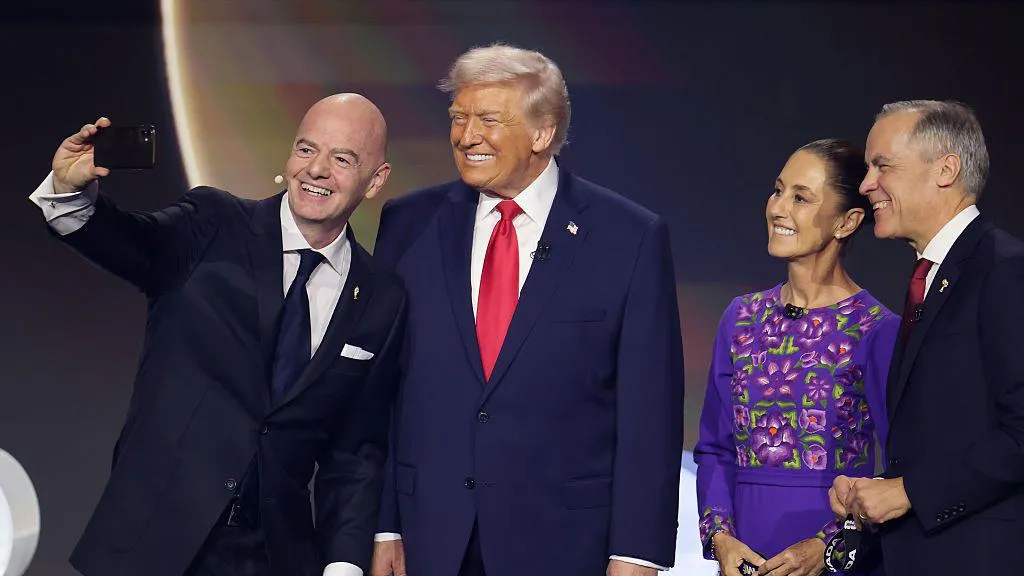
As preparations intensify for the 2026 FIFA World Cup, questions continue to emerge over whether the tournament’s three host nations — the United States, Canada and Mexico — can set aside political tensions and diplomatic disputes long enough to deliver a united global sporting event.
The expanded tournament, scheduled to begin later this month, marks the first World Cup jointly hosted by three countries and the largest edition in FIFA history. While organisers have promoted the event as a symbol of North American cooperation, growing disagreements over immigration, border security, trade and national politics have complicated that narrative.

Relations between the neighbouring countries have faced repeated strains in recent years. Disputes over migration policies, tariffs, organised crime, drug trafficking and economic competition have frequently dominated diplomatic discussions among Washington, Ottawa and Mexico City.
Security coordination remains one of the biggest challenges ahead of the tournament. Millions of supporters are expected to travel across borders during the month-long competition, requiring unprecedented cooperation between law enforcement agencies, immigration authorities and intelligence services.
Officials from all three nations insist operational planning remains on track. FIFA has repeatedly stated that cross-border movement for teams, staff and accredited supporters will be facilitated through special arrangements designed to minimise delays and security risks.
However, concerns persist over visa restrictions, political protests and differing immigration policies, particularly in the United States, where election-year rhetoric has intensified debates over border control and foreign travel.
Mexico also faces scrutiny over security conditions in several host regions, while Canada has expressed concerns regarding logistical coordination and infrastructure pressure linked to the tournament’s expanded format.
Despite the political tensions, football officials argue the World Cup presents a rare opportunity for regional unity and economic cooperation. Tourism authorities estimate the competition could generate billions of dollars in revenue across North America through hospitality, transport, sponsorship and global broadcasting.

Fans and analysts alike say the success of the tournament may depend not only on football, but also on whether the three nations can maintain stable diplomatic coordination throughout the event.
The 2026 FIFA World Cup will feature 48 teams for the first time, with matches scheduled across multiple cities in the United States, Canada and Mexico.
Check Out Our Latest News At>>
Related News:
 Iran, the US, and a World Cup That Starts in Three Months
 Trump to Recheck Green Cards from 19 Nations After DC Attack
 Russia losses Ukraine war peace talks intensify amid rising deaths
 Trump Escalates Minnesota Immigration Surge Amid Rising Tensions
 Trump: US Stands Ready to Help Iran Find Freedom Amid Widespread Unrest
 Trump Administration Probe of Fed’s Powell Draws Pushback
 Trump Threatens Strong Action If Iran Executes Protesters
 Trump Receives Machado’s Nobel Medal in White House Meeting
 Greenland Crisis Forces Europe to Draw a Line With Trump
 Iran Cannot Be Bombed Into Democracy, Only Helped There
 Historic Abu Dhabi Talks Bring US, Ukraine and Russia Together
 Trump Pulls Canada from His Controversial ‘Board of Peace’ Plan
 EU Says US Ties Have Suffered ‘Big Blow’ After Greenland Crisis
 Thousands Protest ICE Operations in Nationwide US Day of Action
 Epstein Files Reveal Trump Officials’ Emails with Financier
 Trump Praises ‘Terrific’ Petro After White House Talks
 Fears of New Arms Race as US-Russia Nuclear Weapons Treaty Expires
 New Nuclear Talks Between US and Iran Begin in Geneva
 ‘He Did It for Us’: US Soldier Recalls Jesse Jackson’s Efforts to Free Him and Two Other POWs
 Stephen Colbert Says CBS Spiked Interview With Democrat Over FCC Fears
 US Urges Iran to Make Deal as Military Presence Rises
 Inland Australia Town Turns Streets into a Beach for Volleyball Contest
 Billionaire Les Wexner Tells US Lawmakers He Was ‘Naive’ and ‘Conned’ by Epstein
 ‘Burned and Destroyed’: Locals and Tourists Describe Mexico Unrest
 Inside Kyiv’s resolve as conflict nears five‑year mark
 What to Watch for During Trump’s State of the Union Address
 Clinton Testimony Erupts in Fiery Exchange
 American Citizen Killed in Cuba Boat Shooting, U.S. Officials Say
 Hillary Clinton Tells House Panel She ‘Had No Idea’ of Epstein’s Crimes
 Hopes and Fears as US Iranians Take to Streets After Toppling of Supreme Leader
 Britain’s Position and Trump Vows to Press On in Iran Conflict
 Trump Faces Questions Over Iran Conflict Plan
 Australian GP Confident Amid Travel Disruption
 Trump’s Iran Endgame Unclear After Mixed Messaging on War Aims
 Rubio Responds to Reported Strike on Iranian School
 U.S. Tells Citizens to Leave Israel Now as Regional Conflict Escalates
 US Senate Backs Trump War Powers Amid Iran Missile Barrage
 US Senate Vote Fails to Rein in Trump War Powers on Iran
 Watershed Moment as Russia’s Sporting Exile Ends
 Trump Removes Kristi Noem From Homeland Security Role
 UK Prepares Aircraft Carrier for Middle East Crisis
 Pete Hegseth Iran War Remarks Spark Alarm
 Iran War Puts Trump at Political Risk Amid Rising Prices
 Iranian Players Get Australian Visas After Anthem Protest
 Iran Rejects Ceasefire, Warns Trump With Chilling Message
 Iranian Footballers Escape Team Hotel to Seek Asylum
 Iran Women Footballers Seek Asylum After Anthem Protest
 Trump’s Confidence Undimmed — But Every Iran Option Carries Risk
 Fox News Cut In Over Trump King Charles Claim
 Trump Seeks to Delay Meeting With Xi
 Trump Faces New Warning Signs as Iran War Hits Home
 Can Congress Stop US Sports Teams From Moving Cities?
 Trump’s Harsh Rhetoric on Iran Sparks Global Alarm
 The Academic Chill: Beijing Condemns ‘Hostile’ US Questioning After Researcher’s Death
 Midnight Fire: Israel and Hezbollah Exchange Strikes as Trump Lashes Out at Tehran
 ‘Safe Haven’: Iranian Footballers Rebuild Lives in Australia Following Asylum Bid
 Charles Faces Trump Test in High-Stakes US Visit
 US Court Ruling Reshapes Voting Rights Landscape
 US states redraw maps after voting rights ruling
 Trump orders US troop pullout from Germany
 Trump likens US Navy actions to ‘pirates’
 Trump approval plunges amid Iran war fears
 Giuliani hospitalised in critical condition
 Ohio’s Battle for Trust: Democrats Vying to Flip the Buckeye State
 Trump Threatens UN Budget Cuts as US Pushes ‘Trade Over Aid’ Agenda
 Trump warns Iran as Middle East tensions surge again
 US ‘Narco Boat’ Strikes Draw Global Outcry
 US Court Restores Abortion Pill Access Temporarily
 Ohio Primaries Set Stage for Crucial Midterms
 Afghan Families Left in Limbo Face Risk of Deportation
 Miami Upgrades Shake Up F1 Title Fight
 Tensions Emerge in Netanyahu-Trump Alliance
 US Awaits Iran Reply on New Ceasefire Proposal
 Hormuz Talks Near Critical Stage
 Former ICC prosecutor condemns US sanctions
 Gunman Killed After White House Security Shootout
 Trump Claims Iran Peace Deal Near Completion
 US Midterm Primaries: Democrats Target Key Republican Seats
 House Curbs Trump’s War Powers in Rare Rebellion
 Trump-Netanyahu Call Fuels Iran Talk Crisis