Published: 5 June 2026
The English Chronicle Desk
The English Chronicle Online
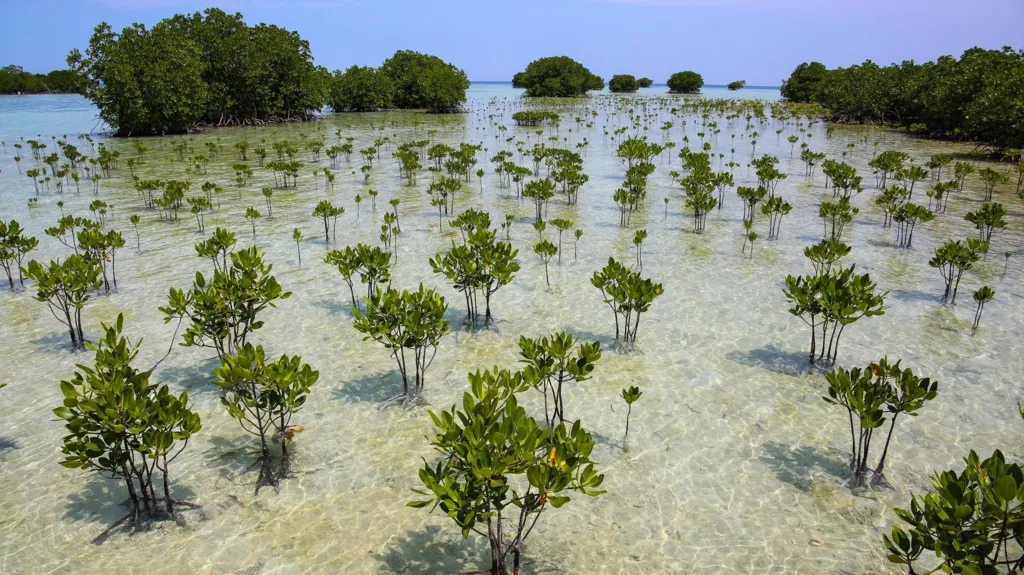
Mangrove forests around the world are showing signs of recovery after decades of human destruction, according to environmental researchers monitoring coastal ecosystems.
Scientists say restoration projects, stronger environmental protections and growing awareness about climate resilience have helped revive damaged mangrove habitats in several countries across Asia, Africa and Latin America.

Mangroves, which grow along tropical coastlines and riverbanks, are considered among the world’s most important ecosystems due to their ability to absorb carbon dioxide, reduce coastal erosion and protect communities from storms and flooding.
For decades, large areas of mangrove forests were destroyed by urban expansion, shrimp farming, industrial development and illegal logging, leading to severe environmental damage and biodiversity loss.
Researchers now report encouraging recovery trends in regions where governments and local communities have implemented conservation programmes and replanting initiatives.
Environmental experts say healthier mangrove systems are already improving fish populations, supporting wildlife habitats and strengthening natural coastal defences against rising sea levels linked to climate change.
Several countries have expanded protected coastal zones and introduced stricter regulations targeting pollution and unsustainable land use practices that previously threatened mangrove ecosystems.
Climate scientists also describe mangroves as critical “carbon sinks” because they store significantly more carbon than many traditional forests, making them an important tool in global efforts to combat climate change.
Despite the positive progress, researchers warn that many mangrove regions remain vulnerable to illegal development, warming ocean temperatures and extreme weather events.

Conservation groups are calling for increased international funding and stronger enforcement measures to ensure long-term protection of coastal ecosystems.
Experts say continued recovery of mangrove forests could provide major environmental and economic benefits for millions of people living in coastal communities dependent on fishing, tourism and agriculture.
The United Nations has repeatedly highlighted mangrove restoration as a key component of global climate adaptation and biodiversity protection strategies.
Check Out Our Latest News At>>
Related News:
 Brace for Trump’s Brave New World of 1.7°C Global Warming
 ‘The New Tobacco’: Cities Ban Fossil Fuel Adverts
 Ocean Warming Drives Massive Marine Life Loss, Study Warns
 UK Winter Nowhere Near a Record Breaker Despite Floods and Storms
 UK Records Warmest Day of the Year as Temperatures Exceed 18 °C
 Conservation Budgets Hit by Increased Fly‑Tipping Costs
 Water Cremation Introduced in UK First
 Tiny Possum and Glider Thought Extinct for 6,000 Years Found in Remote West Papua
 Rescued Sea Turtle Shows ‘Fighting Spirit’ After Vital CT Scan
 The Great Escape: ‘Challenging’ Search for Missing Capybara Enters New Phase
 Moldova River Crisis Exposes War’s Hidden Cost
 ‘A Ticking Time Bomb’: Communities Sound Alarm Over ‘Catastrophic’ Battery Storage Risks
 Chornobyl Still at Risk 40 Years After Disaster
 Escobar’s Hippos May Be Moved to India Zoo
 Older Than Dinosaurs: Secrets of Mayfly Dance Revealed
 The Ethylene Enigma: Is Foil-Wrapping the Stems Truly the Secret to “Evergreen” Bananas?
 Record May Heat to Cold Front in Eastern Australia
 BP’s Influence Sparks Controversy in UK STEM Education
 Robo-Vaccination Could Transform Fight Against Bovine TB
 South Africa’s Garden Route Gem Faces Looming Water Crisis
 What is Groundwater Flooding and Why Dorset is Seeing ‘Historical Highs’
 Dozens of Flood Warnings in England After Days of Non-Stop Rain
 Temperatures Dip Below Freezing as Arctic Air Sweeps Across the UK
 Flooding May Worsen Before It Improves as More Rain Forecast for the UK
 How Do You Modernise Mango Farming? India’s Growers Urged to Innovate as Climate Change Hits
 ‘A Disgrace’ — Patient Blasts Neurology Report
 UK’s First Geothermal Plant Powers 10,000 Homes
 Vegetarian Diet Linked to Lower Risk of Several Cancers

 Study Says Only Two Nations May Survive Nuclear War
 Fuel and Remittances: How Iran Conflict Hits India At Home
 Community farm appeal to cover thousands in repairs
 Guernsey Mother Breaks Down After £11,500 Battery Waste Fine
 Net Zero by 2050 ‘Cheaper Than One Fossil Fuel Crisis’
 ‘Greedy’ Beaver Caught Twice in Wildlife Monitoring Trap
 Uzbekistan’s Natural Landscapes Take Centre Stage
 Nepal to swear in ex-rapper as new prime minister
 ‘F***, We’re Dead’: The Chilling Final Words from the Air France 447 Cockpit
 Spring Awakening: Temperatures to Hit 17°C as Britain Bathes in Sunshine
 How and When to See April’s Full Pink Moon
 John Bengtson: The ‘Silent Film Sleuth’ Who Found History in the Background
 “Homo Sapiens are All of Us”: Artemis II Crew Sends Emotional Message of Unity from Deep Space
 Evacuations Ordered as California Wildfires Spread Fast
 Country Diary: A Bum Note Amid the Dawn Chorus
 ‘The Best Decision I Ever Made’: A Mother’s Viral Plea After a Near-Miss with Lung Disease
 ‘No Gas, No Food’: LPG Shortage Triggers Reverse Migration in Indian Metros
 The Friendship Friction: Would You Call Out Your Friend’s Toxic Behaviour?
 The Silent Lifeline: Why the 2026 Digital Switchover has Millions Saying, ‘I Didn’t Realise How Much I Needed My Landline’
 The Lough’s Lament: Can Fiction Spark a ‘Seismic’ Rescue for Lough Neagh?
 Southern Skies: High Turnout and Surprise Visitors in Birdwatch 2026
 Heavier SUVs Accelerate Britain’s Pothole Crisis
 Cyclone Vaianu Forces Mass Evacuations in New Zealand
 Digital Shield: Met Police Trial AI to Fast-Track Child Abuse Investigations
 The Wheels of Hope: Charity Delivers ‘Seismic’ Joy Through Specialized Bikes for Children with Cancer
 The Pouch Peril: Dental Experts Probe the ‘Seismic’ Impact of Nicotine Pouches on Oral Health
 Nature Calls (Virtually): Seres Patents Voice-Activated In-Car Toilet
 Big Tech Lobbies EU to Hide Massive Datacentre Emissions
 Canadian astronaut French words ease language row
 Human Capital for AI Infrastructure: Meta Cuts 8,000 Staff to Fuel $135bn Bet
 Reform UK funding: mystery billionaire revealed
 Disneyland Adds Facial Recognition at Entrances
 Capitalism ‘Suicidal’, Warns Petro at Climate Summit
 The “Dry” Life: Teens Trialing Social Media Bans Call Initial Disconnection “Boring” and “Dry”
 Robotic Revolution: UK Surgeons Complete First “Fully Autonomous” Abdominal Procedure
 “Fear is a Choice”: The 80-Year-Old Great-Grandmother Defying the “Dopamine Desert”
 The “Dementia Deficit”: Why 2026 is the Breaking Point for UK Social Care
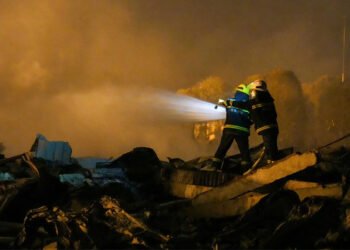 China Fireworks Factory Blast Kills 21 in Hunan
 “From Tile to Vinyl”: How a Viral Kitchen Serenade Landed One TikToker in a Top LA Studio
 “Precision Over Personnel”: Robots Move In as Waste Firms Battle 40% Staff Turnover
 “The Trial’s Strange Turn”: Musk v. Altman Case Veers into Personal Testimony and ‘Sperm Offers’
 Tractor Breakdown Tests Lincolnshire Farmers
 Britons Build Emergency Supplies Amid Rising Fears
 Father’s diaries reveal doubts over Hawking
 Sycamore Gap Artwork Chosen After Public Vote
 Pope Meets Families in Italy Toxic Waste Zone
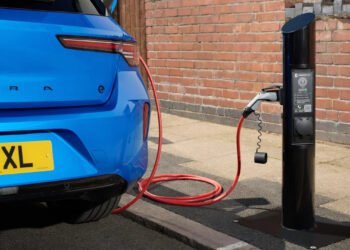 UK rejects EV charging VAT cut amid Treasury clash
 Hope for mountain bongos returns to Kenya
 Thailand Tightens Visa Rules to Curb Tourist Misbehavior
 UN Issues Urgent Warning: Imminent Return of El Niño
 Everest Climber Recalls Guide’s Six-Day Survival