Published: 8 June 2026
The English Chronicle Desk
The English Chronicle Online
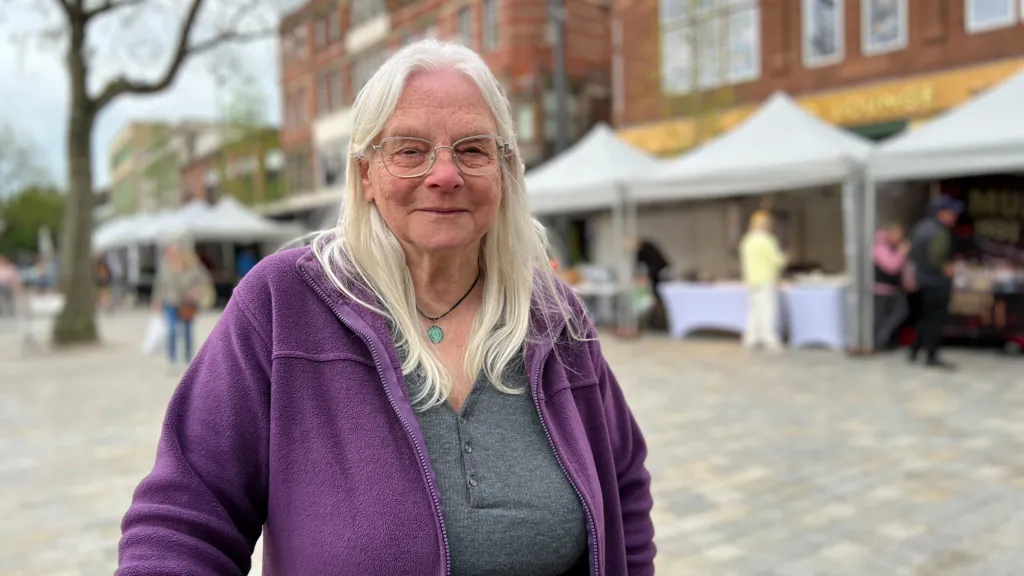
A patient has described making a 50-mile bus journey to reach a medical appointment located just four miles from their home, highlighting ongoing challenges in local transport connectivity and access to healthcare services.
The journey reportedly required multiple bus changes, long waiting times and indirect rural routes, turning a short geographical distance into several hours of travel.

The case has drawn attention to wider concerns about public transport availability in rural and semi-rural areas, where limited routes can significantly increase travel times for essential services.
Healthcare access advocates say such situations can create barriers for patients, particularly elderly individuals, those with mobility issues and people without access to private transport.
Local residents have raised concerns that reduced bus services and timetable cuts have made it increasingly difficult to attend medical appointments, work commitments and education facilities.
Transport campaigners argue that fragmented rural networks often prioritise main routes, leaving smaller communities dependent on infrequent or indirect services.
Health professionals warn that missed or delayed appointments can lead to worsening medical conditions and increased pressure on emergency services.
Local authorities say they face ongoing funding pressures when attempting to maintain and expand rural transport services.
Policy experts suggest that improving coordination between transport planning and healthcare provision could reduce unnecessary travel burdens for patients.
The situation has reignited debate over the long-term sustainability of rural public transport systems and their role in supporting equitable access to essential services.
Some community groups are calling for flexible transport solutions, including demand-responsive buses and subsidised patient travel schemes.

Officials say reviews of local transport networks are ongoing as part of wider efforts to improve accessibility in underserved regions.
The case has become a symbol of how infrastructure gaps can significantly affect everyday life, even when services are geographically close.
Check Out Our Latest News At>>
Related News:
 SNP Health Secretary Criticised Over NHS Failures Locally
 Scotland Combines Alcohol and Drug Strategy to Cut Addiction Deaths
 ‘My Daughter is Under the Rubble’: The Human Cost of the Tehran Strikes
 The Sofa Sanctuary: Llantwit Major Family Living in ‘Disgusting’ Rat Infestation
 NHS Safety Fears as Nurses Cover Doctor Gaps
 A Nation in Flux: UK Healthy Life Expectancy Plummets to Record Lows
 Understaffed and Overstretched: CQC Downgrades CAMHS Wards as “Requires Improvement”
 “Invisible Agony”: 98-Year-Old Woman Left in “Severe Pain” for Days Amidst Care Backlog
 The “Time Tax” of Memory: Why Dementia Care is the Ultimate Test of UK Resilience
 The “Dementia Deficit”: Why 2026 is the Breaking Point for UK Social Care
 Co-Housing Grows as People Battle Loneliness
 Southampton Recovers After Night of Violence
 Two Major Torridge Projects Approved
 Norfolk Hospital Ranked Worst in England as NHS League Tables Return
 UK Health Leaders Push for Urgent Tobacco & Vape Bill
 Celebrities and Charities Demand UK Government Act on Child Poverty
 Reeves rejects £1bn plea for NHS redundancy payouts
 “Enough is Enough”: Local MP Vows to Fight Rainham Quarry Plans
 Reform UK Health Plan ‘Would Cost £1.7bn’, Streeting Says
 Last‑ditch Call to Save Police Front Counters in London
 NHS Negligence Ruling Raises Payout Costs
 Schools in England to Get Budget for Children with Special Needs as Part of SEND Overhaul
 NHS Maternity Units Cover Up Harmful Childbirth Errors
 ‘I Almost Died After a Touch‑and‑Go C‑Section’
 Water Cremation Introduced in UK First
 Streeting Criticises SNP Over NHS App Dispute
 Scots Firefighter Cycles 800 Miles for MND Charity
 Woman, 29, ‘Chucked’ Into Care Home 100 Miles Away
 Labour Faces Backlash Over Conscription Warning
 Father Dies by Suicide Weeks After Wedding in Clitheroe
 Rare Glimpse of Historic Bridge Thanks to Low Tide

 ‘Teenage Me Could Not Have Imagined This’ Says First Female Archbishop
 The High Cost of Survival: How the 2026 Fiscal Outlook is Redefining British Life
 Safety Fears at New £200m Maternity Unit: Mums-to-Be ‘Put at Risk’
 US Lawmaker Demands Testimony Over Sarah Ferguson’s ‘Close Epstein Ties’
 The Last of the Lords: Two Hereditary Peers to Retain Ceremonial Roles Amid Historic Ousting
 Fuel Famine: How African Nations are Rationing Power and ‘Diluting’ Petrol to Survive
 ‘No Surprise’: Ramaphosa Downplays South Africa’s Exclusion from Emergency G7 Summit
 ‘Eye in the Sky’ Blinded: Photos Reveal Destroyed US Radar Jet at Saudi Base
 ‘Full and Immediate Access’: Netanyahu Reverses Palm Sunday Ban on Latin Patriarch
 How the King Became the Jewish Community’s Greatest Ally
 No, the RNLI is Not a ‘Taxi Service’ for Migrants – I Would Know
 NHS Staff Shortages Stifling Recovery for Stroke Survivors
 ‘It’s Heartbreaking’: NHS Training Freeze Leaves Resident Doctors in Limbo
 Wes Streeting Accuses Doctors of Torpedoing Pay Deal
 ‘Look After the Children’: The 84-Year-Old Widower Fighting a Broken Care System
 ‘The Best Decision I Ever Made’: A Mother’s Viral Plea After a Near-Miss with Lung Disease
 Paws on the Wheel: Driver Facing Fine After Dog Photographed on Lap
 The Miracle of Phoenix: ‘Half Dead’ Rescue Dog Defies the Odds in Worcestershire
 The Hidden Hurdle: Breaking the Silence on Athletic Incontinence
 The Friendship Friction: Would You Call Out Your Friend’s Toxic Behaviour?
 Near-Miss Tragedy: 11-Year-Old Injured After Found Gun Discharges
 The Price of Help: Fuel Surge Threatens Charitable ‘Power Plant’
 Toxic Trail: Dog Owners Warned Over ‘Vile’ Poisoned Meat Found in Parks
 The Waiting Ward: ‘Month of Worry’ as Doctor Strikes Trigger Seismic Surgery Delays
 Policy Stand-Off: Streeting Denies Any ‘System Update’ to Resident Doctor Pay Deal
 Rights and Respect: Nurse Wins Legal Settlement Over Transgender Pronoun Dispute
 MoD Has Lost Track of Veteran Recall List, Says Adviser
 “Jobs Will Go”: Rishi Sunak Warns AI is Already Eroding Entry-Level Opportunities
 The “Cancer Commute”: Patient Warns of Breaking Point Over 40-Mile Treatment Trek
 Breaking the “Glass Turnstile”: Bradford City Leads Charge for Greater Gender Diversity
 The “Charles Charm” Offensive: Did the Royals Find Their Mojo in D.C.?
 Reality Check on Reform: Minister Says Outright Abolition of Leasehold “Impossible”
 A “Breaking Point” for Britain: Terror Adviser Warns Antisemitism is Now a National Security Emergency
 “Adult Trends” for Children: Mum’s Viral Horror at “Sexualised” Swimwear in Major UK Retailer
 The “Dry” Life: Teens Trialing Social Media Bans Call Initial Disconnection “Boring” and “Dry”
 The £3,000 License: Learners “Held Hostage” by Cancelled Tests and Shifting Goalposts
 The “Final Fence”: A Guide to Navigating the 2026 Badminton Horse Trials
 “Fear is a Choice”: The 80-Year-Old Great-Grandmother Defying the “Dopamine Desert”
 “A Medicine Desert”: Why the Battle for Basic Prescriptions is About to Intensify
 “Not a Game Show”: Sir John Major Slams the “Projected Career” Culture of Modern No. 10
 Labour Members Turn Against Starmer Leadership
 NHS Drug Deal Faces Legal Threat Over US Trade Agreement
 Farage and Reform UK Reshape British Politics
 Starmer Leadership Under Pressure After Setbacks
 Emergency Caesareans Rise Across England
 Family Says Heatwave Drownings Reopen Grief
 Woman Warns of Lifelong Damage From Ketamine
 Dad Receives Baby Magazine 19 Years After Ordering