Published: 08 June 2026. The English Chronicle Desk. The English Chronicle Online.
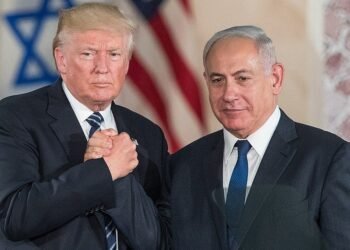
A direct appeal from Donald Trump to Benjamin Netanyahu has failed to prevent further conflict. The United States president explicitly asked the Israeli prime minister to halt any military retaliation. This urgent plea followed recent Iranian missile strikes targeted directly at major locations within Israel. Those strikes were launched by Tehran in response to earlier actions by the Israeli military. Specifically, Israel had targeted the southern suburbs of Beirut during a tense weekend operation. The situation now threatens to spiral completely out of control across the entire region.
The Israeli military confirmed its air force successfully hit several targets inside Western Iran. Senior military officials chose not to provide specific details regarding the exact locations hit. Meanwhile, representatives at the White House remained completely silent about these latest explosive developments. They did not clarify if these air operations were coordinated with American intelligence forces. The lack of public communication has created intense speculation among international diplomats in Washington. Many observers worry about a complete breakdown in strategic communication between these close allies.
Before these strikes occurred, President Trump expressed genuine optimism regarding ongoing diplomatic negotiations. He claimed that Washington was incredibly close to finalizing a major deal with Tehran. During a detailed interview with Axios, he noted his desire to preserve these talks. The president stated he did not want the fragile process to blow up now. He emphasized that both nations had already demonstrated their military capabilities to the world. In his view, further retaliation from either side was entirely unnecessary for national security.
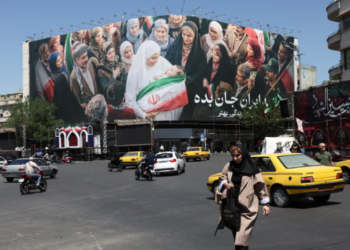
However, the political leadership in Iran has adopted an increasingly aggressive stance this week. Mohammad Bagher Ghalibaf, the speaker of the Iranian parliament, issued a very stern warning. He stated that all American military bases have now become entirely legitimate targets. This declaration directly followed the initial Israeli airstrikes on the sovereign territory of Lebanon. Iranian officials have promised a decisive and deeply painful response to these recent actions. Consequently, air raid sirens have been sounding continuously across many parts of Northern Israel.
Beyond the escalating crisis in the Middle East, Trump faces intense pressure at home. The president recently walked out of a high profile television interview in Wisconsin. He abruptly ended his conversation with Kristen Welker on the Meet the Press programme. The dramatic exit occurred after a series of incredibly tense exchanges about domestic elections. Trump repeated his familiar claims that the previous presidential election was heavily rigged. Welker consistently pushed back against these assertions during the recorded segment which aired Sunday.
The interview became particularly heated when discussing the events of the January 6 insurrection. Welker questioned the president regarding potential financial compensation for individuals charged in the attack. Trump became visibly irritated by questions focusing on those who assaulted capital police officers. He refused to definitively rule out using public funds to support these specific individuals. Instead, the president claimed without evidence that protesters were actively invited into the building. He argued that many defendants only accepted plea deals out of intense personal fear.
The president then turned his anger directly toward the mainstream media during the broadcast. He labeled the veteran journalist and her entire news network as thoroughly crooked organizations. Trump asserted that media professionals willingly participate in a cover up regarding election integrity. After several minutes of circular arguments, the president decided he had finally had enough. He removed his microphone and thanked the host before walking out of the room. This sudden departure highlights his growing frustration with intense media scrutiny of his actions.
Simultaneously, extraordinary reports have emerged regarding American foreign policy objectives in the Indian Ocean. The Trump administration is reportedly considering an ambitious plan to purchase the Chagos Islands. This potential move would involve direct negotiations with the government of Mauritius. It comes amid stalled British efforts to cede sovereignty of the territory to Mauritius. The United States aims to secure permanent and total control of Diego Garcia base. This particular facility represents a vital strategic asset for both American and British forces.
The controversial proposal would effectively bypass officials in London to secure a separate bilateral agreement. White House staff declined to comment on the initial reports published by the Telegraph. However, insiders suggest the administration wants to block Mauritius from controlling the strategic archipelago. American officials remain deeply concerned about the growing influence of China in that region. Maintaining an uninterrupted global chain of military bases is seen as a top priority. Diego Garcia allows long range bomber missions to reach targets across Asia and Africa.
Meanwhile, the American defense secretary has sparked a major diplomatic row during a visit to France. Pete Hegseth spoke at an event marking the eighty second anniversary of D-day landings. During his speech, he controversially linked historic wartime liberation to current European immigration policies. He claimed that European beaches are currently being stormed by entirely different dangerous ideologies. Hegseth explicitly warned that the continent is facing a new invasion from foreign shores. His comments immediately drew fierce condemnation from prominent historians and international human rights campaigners.
Critics have accused the defense secretary of grotesque stupidity and disrespecting fallen Allied soldiers. They argue his rhetoric desecrates the solemn memory of those who fought the Nazis. However, his speech aligns perfectly with the broader national security strategy of this administration. The White House has consistently criticized European governments for maintaining weak border control policies. Trump and his closest advisers regularly claim that mass migration threatens European civilization. This stance has significantly strained relations with key members of the North Atlantic Treaty Organization.
These ongoing controversies are occurring as the United States approaches its historic two hundred fiftieth anniversary. Instead of fostering national unity, the upcoming milestone has intensified existing cultural battles. President Trump has actively added fuel to passionate disputes over public monuments and national memory. His administration has proposed several highly contentious changes to how history is displayed publicly. Critics argue these initiatives are designed to divide the American electorate for political gain. Supporters maintain they are simply protecting traditional values from radical revisionist history.
The intersection of foreign conflict and domestic turmoil creates a complex challenge for Washington. Trump must balance his desire for international peace deals with aggressive rhetoric from allies. The coming weeks will test whether his personal diplomacy can truly contain regional wars. For now, the missiles flying in the Middle East suggest his influence has limits. European allies also remain deeply wary of American policy shifts under his current leadership. The English Chronicle will continue to track these fast moving global stories closely.
Related News:
 Saudi Officials Report Zubaidi Flee Before Yemen Peace Talks
 UK Targets in New York Bomb Threat Hoax: Man Jailed
 Gambia Supreme Court Hears Case to Overturn FGM Ban
 Trump targets Iran trade with 25% tariff warning
 US Senate rejects resolution limiting Trump military powers
 Gulf states warn Trump Iran strikes risk wider Middle East war
 Machado Trump medal gesture reshapes Venezuela power struggle
 Geopolitical football: Iran, Trump and the World Cup clash
 Canada-China trade gains momentum in new strategic partnership
 Syria President Declares Victory as Ceasefire Reached with SDF
 Shinzo Abe’s killer receives life sentence in Japan
 China General Under Investigation Amid Leadership Purge
 Philippines ferry disaster leaves 15 dead, dozens missing
 Cambridge Faces Scrutiny Over Arms Investment Transparency
 Concerns rise for Canberra boy amid Iran detention fears
 Ukraine Sends Drone Experts to Defend US Bases in Jordan
 Abramovich Chelsea Sale Cash Faces Jersey Probe
 Yvette Cooper: UK Must Follow Principles, Not US Pressure
 Jury Rules Meta and YouTube Liable for Addictive Design
 The Woman Guarding Earth From the Threat of Asteroids
 Exiled Tycoon Warns of New Russian Attacks on UK Soil
 LA 2028: Millions of Affordable Olympic Tickets Announced
 Trump Slams Europe as Transatlantic Tensions Boil Over
 Inside the Deceptive Machine: A Former Producer Speaks Out
 Spain Faces Backlash Over Xenophobic Chants in Egypt Draw
 A Global Voice For Justice: Stephen Lewis Dies At Age 88
 Hope and Fear as Iranians Flee Across the Turkish Border
 Reform UK Pledges To Halt Visas Over Reparations Demands
 US and Iran Agree to Two-Week Provisional Ceasefire
 Starmer visits Gulf as US and Iran agree ceasefire
 Pakistan Brokers Historic Peace Deal Amid Rising Tensions
 Trump Signals Hope for New Iran Talks as Ceasefire Fades
 US and Iran Pursue Extension of Ceasefire via Pakistan
 Trump’s Islamabad Gamble: The High Stakes of a New Iran Deal
 The General’s Gambit: Pakistan’s New Role in Global Peace
 Mexico, Spain and Brazil call for Cuba dialogue amid crisis
 Pakistan’s Ambitious Bid for Middle East Peace
 Israeli Soldiers Jailed Over Vandalism of Lebanese Statue
 Trump Weighs Sending Afghan Allies to the Congo
 Pentagon Shakes Up Navy Leadership Amid Hormuz Blockade
 Trump Threatens UK With Big Tariff Over Tech Tax
 Prominent Voices Challenge Palestine Action Ban
 Security Scrutiny After Washington Shooting Incident
 Merz Criticises US Approach in Iran Conflict
 UK Envoy Sparks Controversy Over Special Relationship Claims
 Ukraine Urges UK to Seize Russian Oil Tankers
 US Calls Australia Media Law “Foreign Extortion”
 The Billionaire’s Secretary and the £1m Fraud
 Ukraine strikes Tuapse as oil disaster worsens
 Brewing Tension: Taiwan Baristas Rebrand for World Stage
 Tensions Emerge in Netanyahu-Trump Alliance
 Mission to the World’s Edge: A Heroic Rescue in Tristan
 US and Mexico Face Heatwave as Floods Batter South Africa
 Mexico’s Missing: State Complicity in a Growing Crisis
 French Patient Told Hantavirus Was Just Anxiety
 The Long Way Home: Australia’s High-Stakes Virus Mission
 Putin Signals War End as Russian Momentum Stalls
 Romania’s Judicial Crisis: A System Under Siege
 Lee Lai Makes History with Landmark Stella Prize Victory
 Philippine Senator Flees After Days Under Senate Siege
 Alberta Separatist Bid Blocked by Canadian Court
 Canadian Court Blocks Alberta Independence Referendum Bid
 Big Tobacco Under Fire Over Controversial New Ad Campaign
 Bolsonaro Son Tape Scandal Sparks Massive Brazil Backlash
 Court Upholds Landmark Win for Transgender Rights
 Tragedy in the Maldives: Inside the Deep Sea Rescue
 Liberal Senator Criticises Immigration Rhetoric
 Senate Moves to Restrict Trump’s War Powers on Iran
 ICC Arrest Warrant Threat Sparks West Bank Retaliation
 Uefa Transforms Men’s Major Tournament Qualification
 Taliban Codifies Strict New Marriage and Divorce Legislation
 Tony Abbott Returns as New Liberal Party President
 Tulsi Gabbard exits after turbulent intelligence tenure
 Discontent grows around Putin amid war strain
 Trump Diplomacy Faces Hurdles from Tehran to Tbilisi
 Trump Faces Legal Blow Over Global Tariffs
 Washington Brokerage Sparking Hope Amid Regional Firestorms
 New York Consumer Watchdog Tackles Corporate Lawbreaking
 Global Tech Giants Face Off Against Australia Over Media Levies
 ANU Reputation Crumbles Under Leadership Woes and Huge Losses