Published: 25 June 2026. The English Chronicle Desk. The English Chronicle Online.
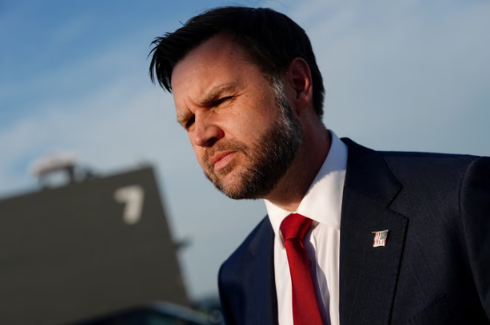
The high-stakes world of international diplomacy has rarely seen a gamble as dramatic as the one currently playing out in Washington. United States Vice President JD Vance has taken the greatest risk of his executive career by stepping forward as the main public representative of a highly fragile ceasefire agreement with Tehran. This tentative truce, designed to halt the explosive conflict that erupted in February, already looks dangerously close to falling apart before the ink has even dried. For a politician who built his brand on avoiding foreign entanglements, this unexpected move into the diplomatic spotlight is a massive professional pivot. Yet, after enduring months of political isolation caused by the outbreak of the war, this challenging assignment could represent his absolute best opportunity to rebuild his standing.
A heavy sense of gloom had settled over the vice president’s inner circle since the current administration initiated its military campaign inside Iran. Vance was a famous opponent of the endless conflicts that defined previous presidencies, having served his country directly as a combat reporter in Iraq. Now, he found himself in the deeply uncomfortable position of publicly justifying the most expansive American military intervention in the Middle East seen for an entire generation. During the initial phases of the conflict, Vance was noticeably excluded from high-level meetings held at the Mar-a-Lago war room. He appeared completely separated from the core team responsible for planning the strategic direction of the ongoing war. Behind closed doors, journalists received steady briefings regarding the vice president’s deep internal opposition to the heavy bombardment.
Former congressional colleagues have noted that Vance looked visibly uneasy with the aggressive direction of the foreign policy initiative. This specific style of intervention was definitely not what he had hoped to achieve when joining the executive ticket. However, he ultimately made a conscious decision to remain loyal to the president during a time of immense national crisis. His political allies knew that an open rebellion against the commander-in-chief would have brought a swift and brutal end to his career. By staying quiet, he protected his standing within the party but heavily damaged his credibility among independent voters who favored non-intervention. This compromise left him deeply vulnerable as the military campaign grew more controversial and expensive for the American taxpayer.
This prolonged period of public discomfort has severely threatened his anticipated campaign for the American presidency during the upcoming 2028 election cycle. Although he remains the traditional frontrunner for the Republican nomination, he has rapidly dropped ground to his chief rival, Marco Rubio. Rubio has operated as a highly aggressive foreign policy hawk while proving himself to be an incredibly capable diplomat and national security official. Many traditional conservative voters now view Vance as the face of a deeply unpopular executive administration overseeing a struggling domestic economy. He is linked to an era of clear geopolitical retreat and a catastrophic regional war that few Americans truly desired. The path to the nomination in 2028 is no longer a guaranteed certainty for the embattled vice president.
To regain his dominant political position, Vance desperately needed to find a way to rebrand himself before the primary season began. Observers never doubted that he was accepting an extraordinary hazard when he volunteered to oversee the delicate negotiations using Pakistani intermediaries. This effort represented the most significant direct engagement between Washington and Tehran since the historic Islamic Revolution and subsequent hostage crisis of 1979. As the specific conditions of the peace framework became clear to the public, Vance found himself saddled with deeply controversial concessions. The draft agreement offered Iran substantial economic sanctions relief alongside the immediate unfreezing of billions of dollars in blocked overseas financial assets. These generous diplomatic incentives quickly transformed him into a prime target for pro-Israel politicians and hawkish members of his own political movement.
In his initial public appearances, Vance spoke with immense enthusiasm about achieving the most meaningful diplomatic breakthrough seen in half a century. These overly optimistic statements caused domestic critics to label him as far too naive regarding the actual value of Iranian promises. Making matters much worse, his delicate diplomatic efforts were being routinely compromised by erratic statements originating directly from the White House. President Trump frequently threatened to launch a new wave of devastating air strikes while negotiations were actively taking place in Switzerland. Trump even publicly mused about ordering the targeted elimination of top Iranian envoys while the peace talks were still fully operational.
As he has done so often in the past, Vance attempted to minimize the damage caused by the president’s aggressive rhetoric. He explained to reporters that the administration simply needed to correct the record whenever foreign adversaries engaged in hostile language. He described the tense exchanges as a mixture of standard diplomatic posturing and predictable complaining from the other side. Despite these regular rhetorical disruptions, the negotiations managed to yield an interim agreement that established a sixty-day window for further discussions. Vance managed to secure a commitment from Tehran to allow international atomic inspectors back into their sensitive nuclear facilities. This development was hailed by his supporters as a historic triumph for global security and a step toward permanent regional stability.
By pushing this unlikely peace initiative forward, Vance has displayed genuine political leadership for the first time in his vice-presidential term. He is attempting to achieve the twin goals of ending an unpopular war and restoring his personal reputation as a pragmatic anti-interventionist. Over the course of a very intense week, Vance was sent onto major television networks to defend the administration’s shifting foreign policies. He faced an exceptionally hostile reception during an appearance on a popular daytime talk show, where the celebrity hosts mocked his position. They openly questioned whether he was acting as a true vice president or merely serving as an interpreter for an unpredictable leader.
During an extensive interview with prominent print journalists, Vance offered an surprisingly blunt critique of the current defense strategy employed by Israel. When questioned about the heavy resistance his peace plan faced from conservative Israeli leaders, his response was remarkably direct. He noted that a nation of nine million citizens cannot simply rely on endless violence to resolve its deep security dilemmas. This uncharacteristically sharp remark sent shockwaves through the Washington diplomatic corps and further alienated traditional hawkish donors within his party. The immense risks associated with this solo diplomatic mission could not possibly be higher for his long-term career prospects.
The White House has repeatedly demonstrated that it allows its subordinates great freedom in creating policy but holds an absolute intolerance for failure. The president has already publicly stated that he will claim full credit if the peace initiative brings a successful end to the war. However, he made it explicitly clear that Vance will bear the entire blame if the agreement falls apart in the coming weeks. This blunt warning was an exact copy of a joke directed at Rubio during a previous foreign policy crisis. Now, it is Vance who finds himself trapped in the ultimate political hot seat as the deadline approaches. If the ceasefire collapses, his dreams of reaching the Oval Office will likely be buried under the rubble of the Middle East.
Related News:
 Government Unveils Northern Powerhouse Rail Plans
 Trump Fed bid heads to Supreme Court
 Sanders Condemns Billionaire ‘Greed’ in California Tax Debate
 Can Congress Stop US Sports Teams From Moving Cities?
 Iron Worker Challenges Trump Loyalist in Ohio
 US Labor Department in turmoil after secretary resigns
 Spirit Airlines shuts down after 34 years amid crisis
 Trump’s Approval Hits Record Low Amid Economic Crisis
 Trump approval plunges amid Iran war fears
 Trump Threatens UN Budget Cuts as US Pushes ‘Trade Over Aid’ Agenda
 US Awaits Iran Reply on New Ceasefire Proposal
 US Senate Moves to Confirm Kevin Warsh as Fed Chair
 Trump: Preventing Nuclear Iran Is ‘The Only Thing That Matters’
 Kevin Warsh sworn in as Fed chair amid economic backlash
 Hormuz Talks Near Critical Stage
 New Investment ‘Trump Accounts’ Launch for US Children
 Trump Refuses to Sign Housing Bill, But Law Takes Effect
 Reeves Faces Setback as Labour May Miss Homes Target
 Virgin Trains Moves Closer to Challenging Eurostar Monopoly
 Trump’s UK Ambassador Urges North Sea Drilling to Strengthen US Ties
 Ryanair Chief UK Economy ‘Doomed’ Under Labour
 M&S Profits More Than Halve After Cyber-Attack
 Millionaires group urge Reeves to introduce wealth tax to ‘lift kids out of poverty’
 From Lego to Pokémon: How Adults Are Driving UK Toy Market Growth
 Canada Passes Carney’s First Budget in Tight Parliamentary Vote
 US National Guard Member Killed in DC Shooting
 Starmer Says Labour’s Economic Plan Needs Years to Deliver
 American Mother Extradited From UK to U.S. on Murder Charges
 Starmer Faces Parliamentary Battles Over UK-EU ‘Reset’ Plan
 Federal Immigration Shift: Officers Leave Louisiana for Minneapolis
 Trump press secretary attacks reporter over ICE question
 ScottishPower Tops List of Worst UK Energy Suppliers
 City & Guilds pay surge sparks backlash amid £22m cuts
 Partial US Government Shutdown Hits Homeland Security Funding
 Sinema payment row deepens after $9,000 transfer claim
 BT Names New Openreach Chief Amid Major Fibre Expansion
 Nurses’ families fear breakup under UK immigration crackdown
 UK Banks Plot Payment Backup Amid Trump Fears
 UK Unemployment Rate Climbs to 5.2% Peak
 Rachel Reeves Faces Middle East Conflict Test
 New Poll Reveals Reform UK Stance on British Citizenship
 Adelaide University Faces Backlash Over Event Cancellation
 Rising Costs Force Families to Rethink Days Out
 UK inflation held at 3% before global energy price hit
 Ticketmaster Fees Rise Despite Recent US Junk Fee Crackdown
 M&S Demands Urgent Action on Rising Violent Retail Crime
 New Era for Sick Pay as Millions Gain Critical Rights
 US and Iran Agree to Two-Week Provisional Ceasefire
 Trump Signals Hope for New Iran Talks as Ceasefire Fades
 Aegon Sells Historic UK Arm to Standard Life for £2bn
 Central Bank Chiefs Hold Crisis Simulation in Washington
 UK Staycations Rise as Travel Fears Grow
 Louisiana Tragedy: Eight Children Die in Mass Shooting
 Former Brexit Chief Calls for Rejoining the EU
 UK Stands Firm on Falklands Amid US Rift
 Investigation Into Anti-Trump Motives After Gala Shooting
 Albanese Rejects Gas Export Tax Push
 Oil Prices Surge Above $120 Amid Iran Blockade Fears
 Trump orders US troop pullout from Germany
 Silent Tracks: Rail Line Without Passengers
 DeepMind Staff Vote to Unionize Over US Military Contract
 High Stakes in Beijing as Trump and Xi Meet Amid Global Turmoil
 Lotus Boss Pledges Future to Norfolk and Seeks State Support
 Fear and Betrayal: The Chilling Case of Kouri Richins
 Trump and Xi Convene in Beijing for Historic High-Stakes Summit
 Rubles and Resilience: How Russia-China Border Towns Thrive
 UK Eases Russian Oil Sanctions as Fuel Costs Soar
 Mid-Year Surge to Push Average Annual Bills Beyond £1,900
 Trump’s Grip on the GOP Tested in Texas Senate Battle
 Tube Strike Brings Capital to a Standstill Over Shift Disputes
 No Brutal EV Price War For British Motorists
 Gas Prices Fall Below $4 Following US-Iran Peace Deal
 Sainsbury’s Boss Optimistic As Grocery Inflation Eases
 US Courts Back Trump on Park Signage Removals
 Trump’s Mount Rushmore Speech: A Divisive Anniversary
 US Airman Avoids British Court in Indecent Exposure Case
 Ukraine Creates Long-Range Strike Command
 Florida Executes One of Its Oldest Death Row Prisoners
 Thames Water Future Remains Uncertain Amid Funding Crunch
 Houthis Strike Saudi Arabia as Middle East Tensions Rise