Published: 30 June 2026. The English Chronicle Desk. The English Chronicle Online.
The vibrant tapestry of the British hospitality industry is currently facing a silent and devastating crisis. Across the United Kingdom, countless local pubs, beloved restaurants, and bustling bars are struggling to survive. A significant portion of these treasured venues is now operating at a complete financial loss. This troubling trend is forcing many business owners to make incredibly difficult and heartbreaking decisions. The rich cultural heritage of British hospitality is actively being eroded by immense financial pressures. Many iconic establishments that define local high streets might soon disappear forever from our communities.
Recent extensive industry research paints a deeply concerning picture of the current economic reality. Nearly twenty-five percent of all hospitality venues are currently failing to turn any profit. This represents a massive and rapid increase from the figures recorded just three months ago. The financial viability of these businesses has deteriorated at an incredibly alarming and unprecedented rate. One in six business owners fears absolute bankruptcy within the next twelve months of trading. Furthermore, five percent of respondents admitted their operations are already completely unviable without immediate help.
This growing economic emergency has united prominent figures from across the diverse hospitality sector. A powerful new campaign is launching this week to demand an immediate tax reduction. Celebrated chefs and major corporate business leaders are actively spearheading this critical nationwide movement. The primary objective is to secure a substantial cut in Value Added Tax. They are collectively proposing a significant reduction from twenty percent down to ten percent. This targeted campaign is operating under the highly direct and urgent banner of VAT’s the problem.
The official public launch of this vital initiative is scheduled to begin this Wednesday. Campaign organizers intend to gather widespread support directly from regular customers across the United Kingdom. Visitors to local pubs and restaurants will be asked to sign a national petition. This collective petition aims to demonstrate the immense public backing for immediate government intervention. Organizers believe that grassroots support is absolutely essential to force an official policy change. The campaign hopes to create a powerful message that the Treasury simply cannot ignore.
The current financial pressure on the sector stems from several major economic factors. Recent policy changes regarding national insurance contributions have dramatically increased total employment costs for businesses. Simultaneously, a substantial rise in the national minimum wage has further squeezed operating margins. These legislative changes arrived alongside historic levels of inflation and unprecedented commercial energy costs. Consequently, businesses that traditionally operated on very thin profit margins are now completely overwhelmed. The cumulative effect of these overlapping financial challenges has proven unbearable for many owners.
The hospitality industry has decided to focus its entire political strategy on this tax. Lowering the tax rate is viewed as the most effective mechanism for survival. However, this proposed tax cut would represent a massive financial commitment for the government. Independent economists estimate the total cost to the Treasury at twelve billion pounds. This substantial figure has naturally sparked intense debate within the halls of Westminister. Despite the cost, the policy has received some tentative backing from prominent politicians.
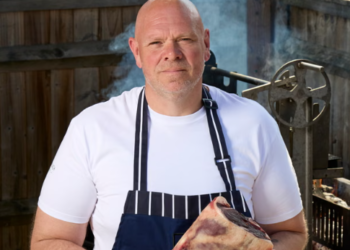
The unfair nature of the current tax system is a major talking point. Renowned chef Tom Kerridge has been particularly vocal about the ongoing industry struggle. Kerridge currently operates six successful venues and holds three prestigious Michelin stars across Britain. He strongly believes that British hospitality culture is truly the best in the world. Yet, he argues that the domestic tax system unfairly penalizes these vital businesses. Kerridge insists that immediate structural changes are necessary to protect the future of dining.
A quick comparison with European neighbors reveals a very stark disparity in taxation. The average tax rate for hospitality services across Europe sits at twelve percent. Major nations like France, Spain, and Italy all charge a stable ten percent. Germany maintains an even lower rate of seven percent for its hospitality sector. Furthermore, the Republic of Ireland is actively lowering its rate to nine percent. This international data suggests the United Kingdom is a clear outlier in taxation.
Almost every other developed nation clearly recognizes the fundamental need to support its hospitality. This observation is shared by Thomasina Miers, the highly successful founder of Wahaca. She is joined in this campaign by Nick Mackenzie, a major corporate leader. Mackenzie manages Greene King, a massive chain encompassing over two thousand local pubs. Celebrated chef-restaurateur Ravneet Gill has also added her influential voice to the cause. This diverse coalition represents both small independent bistros and massive national corporate chains.
However, the proposed tax reduction has faced some skepticism from independent economic analysts. The respected thinktank Tax Policy Associates has raised several valid concerns about the policy. They warn that a broad tax cut might primarily benefit massive corporate entities. The thinktank suggests that twelve billion pounds could be spent more effectively elsewhere. They believe alternative investments might generate stronger economic growth for the entire nation. This perspective highlights the complex balance the government must strike regarding fiscal policy.
Political figures are facing increasing pressure to clarify their official stances on this. Andy Burnham has previously indicated a strong personal willingness to support the sector. However, his most recent major speech on national economic priorities omitted the topic. This omission has created a sense of urgency among various hospitality trade bodies. They are determined to keep the issue at the forefront of political discussion. The industry believes that delaying action will result in thousands of preventable closures.
The joint statement issued by the leading trade bodies emphasizes the stark reality. They stated that the number of failing businesses is accelerating at terrifying speed. Too many independent owners are facing the gut-wrenching decision to close permanently. They argue that a targeted tax cut represents the single most impactful solution. The government must act decisively to back hospitality and reduce the tax burden. Without intervention, the British high street could be changed fundamentally and irreversibly.
The coming weeks will undoubtedly prove decisive for the future of the industry. As the petition gains momentum, the pressure on the Treasury will intensify significantly. Regular patrons will have to decide whether to actively back their local venues. The survival of Great British hospitality ultimately hangs in a very delicate balance. Everyone involved agrees that the current status quo is entirely unsustainable for business. The decisions made this summer will echo through British culture for decades.
Related News:
 Reeves Faces Setback as Labour May Miss Homes Target
 Trump’s UK Ambassador Urges North Sea Drilling to Strengthen US Ties
 ABF May Split Primark from Food Division Amid Tough Market
 UPS Cargo Plane Crash in Kentucky Kills Seven
 M&S Profits More Than Halve After Cyber-Attack
 Tony Blair think tank warns Rachel Reeves must cut taxes if manifesto broken
 Oprah enjoys Meghan’s jam on English muffins
 Millionaires group urge Reeves to introduce wealth tax to ‘lift kids out of poverty’
 UK toy market enjoys bumper year as ‘kidults’ fuel demand
 Global markets drop amid tech sell-off and China slowdown
 PM Highlights UK Business at G20 in South Africa
 Mossmorran Plant Closure Hits Cowdenbeath Hard
 UK Taskforce Unveils Plan to Streamline Nuclear Reactor Rules
 Steel billionaire Lakshmi Mittal reportedly leaves UK
 Starmer Says Labour’s Economic Plan Needs Years to Deliver
 Virgin Media Fined £23.8m Over Telecare Safety Failures
 Rising Water Bills Lift Troubled Thames Back to Profit
 Sainsbury’s CEO leads business honours in New Year list
 Starmer Faces Parliamentary Battles Over UK-EU ‘Reset’ Plan
 Phoenixism Costs UK Taxpayers Millions in Recruitment Sector
 ScottishPower Tops List of Worst UK Energy Suppliers
 City & Guilds pay surge sparks backlash amid £22m cuts
 UK Government Borrowing Drops to £11.6bn in December
 AI job losses UK: Britain faces sharper employment shock
 Most young adults in UK fear uncertain jobs and economic future
 Royal Mail delivery delays affect 16 million during Christmas
 UK Housing Market Shows Early Recovery Signs
 UK economy struggles as growth stalls at 0.1% in late 2025
 Bank of England Urged to Cut Rates to Spur Growth
 UK Unemployment Rate Climbs to 5.2% Peak
 UK shelves £110m border project amid trade strain
 UK Inflation Surprise Sparks Early Rate Cut Hopes
 Progress on gender equality at top UK firms ‘achingly slow’
 Strong Rebound for UK Housing Market Sees 6% More Homes
 Reeves Must Back Defence Plan or Face Dismissal, Says Unite Chief
 Doom Bar Closure Stuns Cornish Brewing Fans
 Switching Energy Deal Can Save £200 as Price Cap Falls
 OBR Reform Row Deepens Before Spring Forecast
 UK Hotel Data Sharing Probe Shakes Global Chains
 Rachel Reeves Faces Middle East Conflict Test
 Grocery Inflation Rises Amid War Fears
 Peak Greggs fears as profits tumble sharply
 BrewDog sold Highland estate for knockdown price after abandoning reforestation plans
 Yorkshire Water Funding Sparks Debate Amid Fines and Pay Row
 John Lewis bonus returns after four years as profits rise
 New £10bn rescue plan offered for Thames Water
 UK Energy Reform Could Cut Bills by £200
 Rising Costs Force Families to Rethink Days Out
 Hospitality Sector Teeters on Brink as Costs Surge
 Iceland Boss Offers Role to Sacked Waitrose Employee
 Student Loan Interest May Rise Despite 6% Cap
 Aegon Sells Historic UK Arm to Standard Life for £2bn
 Major Housebuilder Cuts Land Buying Amid Global Unrest
 UK Staycations Rise as Travel Fears Grow
 City & Guilds Sale Sparks Fees and Pay Uproar
 Silent Tracks: Rail Line Without Passengers
 Heathrow Chair Seeks Peace to Save Third Runway
Carillion Executives Banned After Reckless Misconduct
Heathrow Chair Seeks Peace to Save Third Runway
Carillion Executives Banned After Reckless Misconduct
 Lotus Boss Pledges Future to Norfolk and Seeks State Support
 Millionaires Back Higher Taxes to Save UK Public Services
 UK Firms Freeze Spending as Iran Conflict Bites
 Summer Shock: British Energy Bills Set for Grim July Hike
 Reeves to Fast-Track Clean Energy Amid Iran Crisis
 M&S Boss Slates Food Price Caps as ‘Preposterous’
 Tube Strike Brings Capital to a Standstill Over Shift Disputes
 Tube Strike Brings Capital to a Standstill Over Shift Disputes
 BP Stands Firm on Amanda Blanc Amid Boardroom Storm
 UK House Prices Drop For Third Month Due To War Fears
 Top Chefs Back Andy Burnham to Save UK Hospitality Sector
 UK Steel Crisis: Jingye Demands Payout After Takeover
 Flutter to Cancel London Stock Exchange Share Listing
 AI Scams Push UK Investment Fraud Past £220m
 Thames Water Nationalisation Pushes Closer After Rescue Objected
 Andy Burnham Enlists Economic Heavyweights for Leadership Bid
 Tories Clinch Shock Victory in Aberdeen South Byelection
 Rethinking the Blueprint for Youth Employment in Britain
 Sainsbury’s Boss Optimistic As Grocery Inflation Eases
 UK Households Suffer Squeeze As Disposable Incomes Drop
 Bank of England Eases Rules Despite Rising AI Risks
 BBC Faces Real Jeopardy as Licence Fee Income Declines