Published: 09 July 2026. The English Chronicle Desk. The English Chronicle Online.
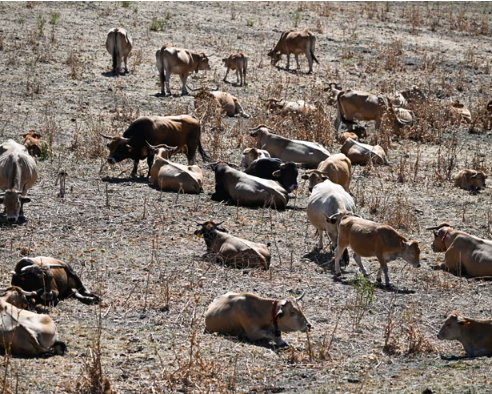
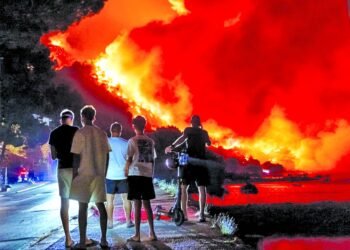
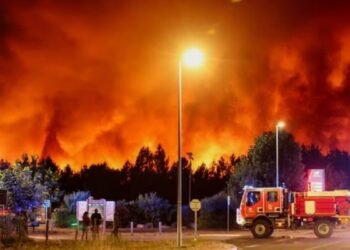
Western Europe has just endured its hottest June ever recorded in documented history. Scientists confirmed that this month brought unprecedented temperatures that shattered many previous climate records. This intense heat arrived as the United Kingdom enters its third major heatwave this year. Meanwhile, devastating wildfires are currently ravaging vast stretches of land across France and Spain. Experts claim that human carbon pollution has significantly inflamed this extreme and dangerous weather. Surface air temperatures across the region reached three degrees Celsius above the recent decadal average. Data provided by the European Union’s Copernicus monitoring service highlights these very worrying trends. Globally, June 2026 was notably hotter than the average levels seen between 1991 and 2020. It was also significantly warmer than levels recorded during the early preindustrial era of history.  This makes June the second warmest month ever observed by scientists across the entire globe. Perhaps most concerning is that the planet’s oceans reached record-breaking temperatures during this period. These combined records reflect a climate system that is constantly accumulating far too much heat. Samantha Burgess, a climate scientist at Copernicus, recently shared her thoughts on these findings. She stated that the result is increasingly intense heatwaves and a persistently warm global ocean. These factors create growing risks for people, ecosystems, and vital infrastructure across the entire continent. Western Europe is currently facing its third major heatwave in just six short weeks. Widespread dryness is now helping small, manageable wildfires explode into large and unchecked blazes. Copernicus officials noted that this succession of heatwaves illustrates the growing challenges facing modern society. Raging infernos have laid waste to large areas of southern Europe in recent days. This has prompted the European Union to scramble firefighters and water planes to assist nations. National services have been completely overwhelmed by the sheer number of simultaneous, fast-moving blazes. Data published this week shows EU wildfires have burned fifty-six percent more land than usual. The area destroyed by flames is four times larger than average for this specific period. In France, over thirty-five thousand hectares of land have been lost to these massive fires. Spain has seen even worse destruction, with over fifty-five thousand hectares burned during June alone. These figures were provided by the official European Forest Fire Information System earlier this week. Barcelona set a new, shocking heat record on Wednesday, reaching temperatures of forty degrees Celsius. Meanwhile, tragedy struck in France when a young firefighter died tackling a massive alpine blaze. The French interior ministry confirmed this heartbreaking loss during a recent press briefing on Wednesday. In the United Kingdom, meteorologists warned that coastal seas are facing an extreme marine heatwave. Daytime temperatures on land are expected to reach highs of thirty-four degrees this coming Thursday. While not as hot as the record-breaking June peak, the heat will persist for days. The Met Office warned that these high temperatures will drag out over a sweltering week. A defining feature of last month’s heatwave was the exceptionally warm temperatures during the night. Frequent tropical nights helped drive the highest average June minimum temperatures on record for Britain. A recent poll found that this weather led to widespread and mass sleep deprivation nationwide. Two in three people reported struggling to get adequate rest during these very hot nights. Stephen Belcher, chief scientist at the Met Office, described these temperatures as truly very sobering. He noted that events like these bring home the real implications of ongoing climate change. The National Fire Chiefs Council in the UK urged citizens to take extra precautions outside. The current heatwave significantly increases the risk of fast-spreading wildfires across the countryside areas. Fire services have already responded to numerous wildfires across southern and eastern England this month. Dave Swallow, a tactical adviser, said that most wildfires start because of a simple spark. He warned that a disposable barbecue or a discarded cigarette can start a massive fire. We all have a collective role to play in preventing these dangerous, avoidable outdoor accidents. Heatwaves have grown hotter as fossil fuel pollution and nature destruction bake our fragile planet. Scientists have urged a quick shift to a clean economy and better weather adaptation strategies. The World Health Organization estimates that two hundred thousand people died from heat in Europe. They say that most of these tragic deaths are entirely preventable with the right tools. Experts recommend installing air-conditioning for vulnerable groups and shading buildings with effective external shutters. Providing cool centers and bolstering health systems will help save many lives during future summers. Shade from urban trees can keep neighborhoods significantly cooler during periods of extreme hot weather. However, new analysis shows that the UK is far behind its neighboring European countries.
  The average UK urban area is just eighteen percent tree-covered, which is quite low. By comparison, the average for European cities is about thirty percent tree cover overall. Out of forty-seven UK cities in the dataset, forty-five fall below this European average. London has average cover for the UK, while Burnley is the least green city. Guildford remains the most shaded area in the country, with thirty-seven percent tree cover. By comparison, Barcelona has thirty-one percent tree cover and Nice has thirty-nine percent cover. The UK ranked thirty-first out of thirty-eight countries based on the older 2018 data. The lowest levels of tree shade are found in the most economically deprived city neighborhoods. Previous research found that higher-canopy neighborhoods were four degrees cooler during a severe heatwave. Planting trees can over time help to bring down temperatures in the buildings they shade. This provides vulnerable people hope of being able to leave their homes safely each day. They need to visit the local shop or the doctor without fearing the extreme sun. Tom Cantillon, an analyst at the ECIU, stated that the UK is clearly way behind. Transforming our urban environments is essential to surviving the warming climate of the future years. Protecting our citizens requires immediate action, better planning, and a commitment to greening cities.
Related News:
 UK Heatwaves Ignite Crisis of Sleep and Public Safety
 Traces of Glyphosate Found in UK Playground Tests
 Polycrisis Anxiety Leaves Many Feeling Trapped in the Present
 James Valentine Retires from ABC After Cancer Battle
 Chikungunya Spread in Europe Climbs as Climate Warms
 Scotland’s Climate Plans Face Scrutiny Over ‘Science Fiction’ Targets
 Ocean Warming Drives Massive Marine Life Loss, Study Warns
 Tropical Flowers Shift Blooming Due to Climate Crisis
 ‘Drinking from a Fetid Pond’: Superbug Genes in Lough Neagh
 Evacuations Ordered as California Wildfires Spread Fast
 UK Records Earliest Spring as Nature Awakens Fast
 Queensland Braces for Potential Second Severe Cyclone Hit
 Britain Must Break Its Long Addiction To Toxic Herbicides
 The Toxic Scent Destroying Life in a Lancashire Town
 Capitalism ‘Suicidal’, Warns Petro at Climate Summit
 Record May Heat to Cold Front in Eastern Australia
 UK Faces Mass Water Shortages by 2055, Lords Warn
 Pope Meets Families in Italy Toxic Waste Zone
 Hope for mountain bongos returns to Kenya
 Nature Deficit: How Britain Lost Its Connection with the Great Outdoors
 Deadly H5 Bird Flu Reaches Australia’s East Coast
 UK Seas Face Extreme Heatwave as Global Temperatures Surge
 UK Schools Struggle as Classrooms Top 40C
 London Tube Heat Reaches Dangerous Levels
 Three-Quarters of England’s Riverbanks Still Off Limits
 Wildfires rage across Europe as hundreds arrested in France
 Hospice Cuts Raise Alarm Across England Amid Funding Crisis
 Patients to Test Health at Home to Ease NHS Winter Pressure
 Shouting Works Best to Deter Gulls, UK Study Finds
 Reeves rejects £1bn plea for NHS redundancy payouts
 Senator John Fetterman Hospitalized After Fall from Heart Flare-Up, Keeps Sense of Humor
 New AI tool could cut wasted efforts in organ transplants
 Stroke Patient Mistaken for Drunk, Care Delayed
 ‘Traumatic Wait’: Northern Ireland Women Face Breast Cancer Delays
 Scottish Families Take Legal Action Over School CO Leak
 Five-Year-Old Dies After Rare Tonsil Surgery Complication
 Fibromyalgia Patients Struggle as NHS Fails to Provide Care
 More Patients Now Contacting GPs Online, Data Shows
 ‘Extinct’ Antelope Returns to Sahara, Bringing Hope
 Kenya Signs $2.5bn Health Deal with US Amid Data Concerns
 UK Enforces Junk Food Ad Ban Before 9pm
 Patients Collapsing in NHS Corridors, Watchdog Warns
 Google Removes Some AI Health Summaries Over Safety Concerns
 Judi Dench Champions Fight to Save London’s Green Spaces
 Half the World’s Largest Cities Face Rising Water Stress
 Streeting moves on doctor pay to end strike dispute
 Autistic Girls Often Missed in Childhood Diagnoses, Study Finds
 UK reports baby formula toxin poisoning cases across the country
 Placenta Accreta Warning as Hunt Urges Action
 Greenpeace $345m Ruling Sparks Appeal Battle
 New Zealand Covid Response Praised Despite Lingering Scars
 NHS Plans to Cut Overseas Workers Labeled Overambitious
 Extreme Weather: Europe Shivers as Cyclone Narelle Hits
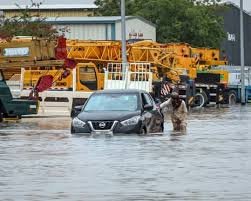 Middle East Deluge: Freak Storms Bangle Desert Nations
 Palantir Boss Defends NHS Deal Amid Government Break Clause
 Unions Raise Concerns Over Doctors’ Pay Dispute
 Medellín’s Green Revolution: A Global Climate Blueprint
 Crisis in NHS Surgery Scheduling Hits Patients Hard
 Britain’s Health Decline: A Growing National Concern
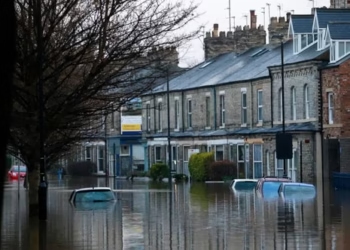 Urban Flood Crisis: A Growing Threat to English Homes
 New AI Tool To Target Obesity Risk And Transform NHS Care
 EU Deal May Force UK Ban on Cancer-Linked Weedkiller
 Barrister Criticises Trial After Suicide Case Verdict
 Cruisers Face Perth Quarantine After Hantavirus Outbreak
 Wes Streeting faces narrow road to Labour members’ favour
 Britain’s Quest to Crown Its Ultimate Butterfly Superstar
 Maldives Cave Diving Tragedy Raises Safety Alarm
 Ben Proud Defends Enhanced Games Participation
 AI Medical Error: NHS Doctors Risk Facing Huge Lawsuits
 Clean Air Initiatives Spark Major Fall in London Hospital Admissions
 Labour MP Revives Blocked Assisted Dying Bill in Commons
 Southern Europe Reels as Wildfires Force Mass Evacuations
 Breakthrough NHS Tests for Endometriosis Patients
 Britain’s Mini Fan Craze Sparks Major Waste Crisis
 Colombia’s Fight Over Fossil Fuels
 US Chemical Accidents Rise as Protections Are Rolled Back
 Swift Nesting Crisis Sparks Outrage in South Tyneside
 Thames Water Future Remains Uncertain Amid Funding Crunch
 Wildfires Force Mass Evacuations in France And Spain
 Gen Z turns to BirdTok for a gentler digital escape