Published: 11 July 2026. The English Chronicle Desk. The English Chronicle Online.
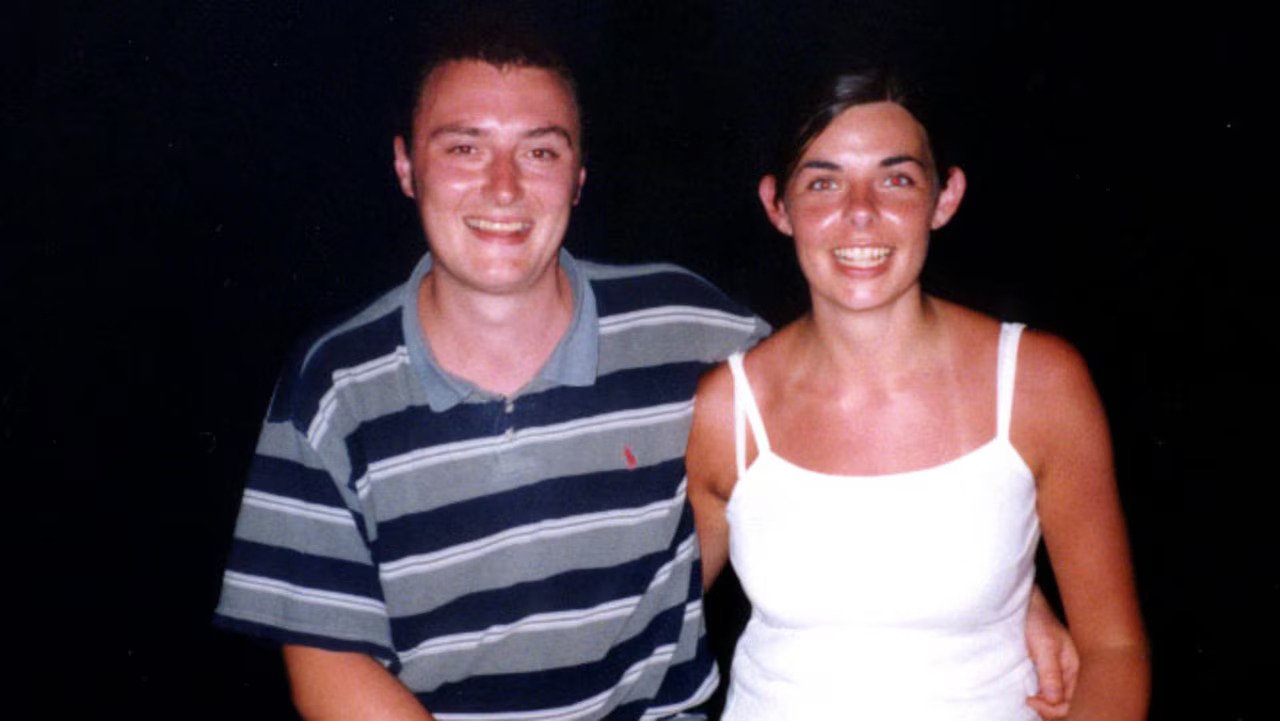
Freshly released police footage has brought renewed attention to one of Australia’s most enduring murder mysteries, revealing convicted killer Bradley John Murdoch refusing to disclose the location of British backpacker Peter Falconio’s body just weeks before his death. The previously unseen body-worn camera recording was released by Northern Territory Police ahead of the 25th anniversary of Falconio’s murder, offering a final glimpse into investigators’ unsuccessful effort to persuade Murdoch to reveal what happened to the missing remains.
Despite serving more than two decades behind bars for Falconio’s murder, Murdoch consistently maintained his innocence and never admitted responsibility for disposing of the victim’s body. His death from throat cancer in July 2025 closed what many investigators considered their final realistic opportunity to recover Falconio’s remains through a confession.
The newly published footage captures a tense exchange between detectives and Murdoch during an interview conducted less than a month before his death in Alice Springs Hospital. Police hoped the terminally ill prisoner might reconsider his long-standing refusal to cooperate and finally provide answers that Falconio’s family has sought for a quarter of a century.

Instead, the interview ended with Murdoch firmly rejecting every attempt to persuade him. Officers appealed to his conscience, asking him to imagine how he would feel if Peter Falconio had been his own son and someone else knew where the body had been hidden. Investigators emphasised the pain endured by the victim’s family and suggested that revealing the location could provide long-overdue closure.
Murdoch dismissed the appeal immediately. He insisted that he knew nothing about Falconio’s disappearance and angrily repeated the position he had maintained throughout his imprisonment. As detectives continued questioning him, he became increasingly frustrated, insisting he had repeated the same account for more than twenty years and accusing investigators of confronting him only because they knew he was dying.
The emotional exchange ultimately produced no new information, leaving investigators no closer to solving the final unanswered question in one of Australia’s most notorious criminal cases.
Peter Falconio, a 28-year-old British tourist, disappeared while travelling through Australia’s Northern Territory with his girlfriend Joanne Lees in July 2001. The couple had been driving along the isolated Stuart Highway near the small settlement of Barrow Creek when another vehicle approached from behind, signalling that their camper van appeared to have mechanical problems.
After stopping to investigate, Falconio walked behind the vehicle with the driver while Lees remained inside the van. Moments later, she heard a gunshot.
According to evidence presented during Murdoch’s trial, Lees was then overpowered, restrained using cable ties and had her head covered. Despite the terrifying circumstances, she managed to escape into nearby bushland, where she remained hidden for approximately five hours while Murdoch searched for her with the assistance of his dog.
Eventually, she emerged from hiding and flagged down a passing truck driver, whose assistance proved crucial in launching one of Australia’s largest criminal investigations.
Although Falconio’s body has never been found, the evidence collected by investigators ultimately led to Murdoch’s conviction.
The case initially stalled until a separate criminal investigation in South Australia created an unexpected breakthrough. Murdoch had been charged with unrelated offences involving a 12-year-old girl but was acquitted by a jury. However, during that investigation authorities legally obtained his DNA sample.
Northern Territory detectives later matched Murdoch’s DNA to biological evidence recovered from the cable ties used to restrain Lees as well as traces found on her clothing. The forensic breakthrough resulted in his arrest in November 2003 and ultimately secured his conviction for murder, assault and attempted kidnapping.
Murdoch received a life sentence and spent the remainder of his life in prison, but throughout numerous appeals and interviews he consistently denied involvement in Falconio’s killing.
The disappearance quickly became one of Australia’s highest-profile criminal investigations, attracting worldwide media attention because of its dramatic circumstances, the vast and remote crime scene and the continuing absence of Falconio’s body.
The case also influenced popular culture, with many observers drawing parallels between the real-life events and the Australian horror film Wolf Creek, which depicted violent attacks on travellers in the country’s remote outback. Although the filmmakers have said the production drew inspiration from several historical crimes, Falconio’s disappearance remains among the incidents most commonly associated with the film.
Twenty-five years later, police continue to believe that solving the mystery remains possible.
Northern Territory Police have used the anniversary to renew public appeals for information, stressing that recovering Falconio’s remains remains one of the force’s highest investigative priorities. Detectives believe there may still be individuals who possess valuable information, whether through conversations with Murdoch before his death or through knowledge that has never previously been shared with authorities.
Investigators say memories, documents or seemingly insignificant details could still help identify the location where Falconio’s body was concealed.
To encourage new witnesses to come forward, authorities continue to offer a reward of 500,000 Australian dollars for information leading to the discovery of Falconio’s remains.
In a statement accompanying the release of the footage, Northern Territory Police described the 25-year anniversary as a significant milestone but insisted the investigation remains active. Officials reaffirmed their commitment to pursuing every available lead until the case reaches its fullest possible conclusion.

For Peter Falconio’s family, however, the latest footage represents another painful reminder of the questions that remain unanswered. While Murdoch’s conviction established legal responsibility for the killing, the absence of Falconio’s body has denied relatives the opportunity to lay him to rest and brought decades of continuing uncertainty.
The newly released interview now stands as the final recorded attempt by investigators to persuade Bradley John Murdoch to reveal the truth before his death. Instead of closure, it leaves behind the same unanswered mystery that has haunted Australian criminal history since that lonely night on the Stuart Highway in July 2001.
With Murdoch no longer alive, detectives acknowledge that solving the remaining mystery may depend entirely on new witnesses or information emerging from people who have remained silent for the past twenty-five years. Until then, the search for Peter Falconio—and the hope of finally bringing his family lasting closure—continues.
Related News:
 Ben Roberts-Smith Denies War Crime Allegations in First Statement
 Police Suspect Help in Missing Alice Springs Girl Case
 Cartel crackdown raises fears of fresh violence
 China mine blast death toll rises to 90
 Ebola outbreak in DRC overwhelms health system as cases surge
 Israeli Strike in Southern Lebanon Kills Seven
 Pregnant UK Teen to Be Freed from Georgian Jail
 Just Stop Oil Protesters Convicted Amid Climate Defence Row
 British Grandmother to Return Home After Death Sentence in Bali
 Oklahoma Governor Grants Last-Minute Clemency to Death Row Inmate
 Teens ‘Ran Amok’ at Ex-MP’s Covid Testing Firm
 Files Link Andrew to Epstein Dinner After Prison Release
 Emails Show Epstein Funded Mandelson’s Husband After Jail
 Suspect Named in Canada School Mass Shooting
 Undercover officer deceived women with ‘grotesque and cruel’ lies, spycops inquiry told
 California fireworks blast: murder charges filed in case
 Prevent Failings Exposed After Southport Attack
 Learner Driver Charged After Expo Tragedy
 OpenAI CEO Apologizes After Canada Shooting Case
 FBI Links Brown University Shooting to Long-Term Grievances
 US states redraw maps after voting rights ruling
 Judge halts deportation of Yemeni refugees in US
 US ‘Narco Boat’ Strikes Draw Global Outcry
 Search Intensifies for Missing Hiker on WA Bibbulmun Track
 Barrister Criticises Trial After Suicide Case Verdict
 Immigration Judges Fear Pressure in Trump Era
 Israeli Strikes in Lebanon Kill 10 Amid Ceasefire Strain
 US judge dismisses Kilmar Abrego Garcia indictment
 Victim says non-custodial rape sentence ‘rock in my face’
 Former ICC prosecutor condemns US sanctions
 Gunman Killed After White House Security Shootout
 Irish Gangland Figure Fails in Dublin Election Bid
 Murder Probe Continues After Arrest Release
 Ukraine Creates Long-Range Strike Command
 Dreyfus Statue Finally Gets Permanent Paris Home
 Teen Charged After Layla Jeffery Found Dead
 Westminster Council Threatens Charing Cross Soup Kitchen
 BBC Warned About Missing Clothes of Murder Victim
 Cambridge Professor Jason Arday Found Dead at Home
 Five Years of Taliban Rule Leave Afghanistan in Crisis
 Northern Ireland Family of Three Shot Dead in Maguiresbridge Home Incident
 Badenoch Warns Farage’s Grooming Gangs Plan Could Backfire
 Police Probe Four Knife Incidents Linked to Cambridgeshire Train Attack
 French Taxi Driver Cleared in David Lammy Theft Case After Fare Dispute
 US Justice Department Files Lawsuit Against California Over Partisan Voting Maps
 Rio Raid’s Death Toll Raises Questions About Gang Impact
 Israel Confirms Returned Hostage as Meny Godard
 Greene Pushes Epstein Files Amid Trump Fallout
 Trump Deploys DHS to Charlotte in Major Arrest Operation
 Charlotte Raids: 130 Arrested in Major Immigration Sweep
 Deadly Russian Strikes Hit Western Ukraine, 20 Killed in Ternopil
 Serial Rapist and Former Cop Found Guilty Again
 Man Charged Over Attempted Murder of Senior Officer
 Man Denies Stealing Bronze Age Gold from Museum
 Venezuela Threatens Nobel Winner Machado with Fugitive Status
 Runaway Driver Caught by DNA Evidence
 Two National Guard Soldiers Critically Injured Near White House
 Southern Lebanon reels as Israeli strikes shatter communities
 Tokyo court rules Japan’s same-sex marriage ban constitutional
 American Mother Extradited From UK to U.S. on Murder Charges
 Thousands Protest ICE Operations in Nationwide US Day of Action
 SA Police Intensify Search in Gus Lamont Case
 El Mencho Killed as Mexico Faces Violence
 Australian Women in Syrian Camp Offer Separation Deal
 Kelly Wilkinson Inquest Reveals Bail Failure
 Bondi terror attack linked to global rise in IS plots
 Fugitive Dezi Freeman Killed in Rural Victoria Shootout
 Report Says Pezzullo Acted ‘Recklessly’ in Dealings
 Hungary election: Orbán faces biggest test amid scandal
 Suspected Plot Targets Pipeline Before Hungary Vote
 City & Guilds Sale Sparks Fees and Pay Uproar
 Ukraine Urges UK to Seize Russian Oil Tankers
 China Fireworks Factory Blast Kills 21 in Hunan
 Afghan Families Left in Limbo Face Risk of Deportation
 Trump Announces 3-Day Russia–Ukraine Ceasefire Deal
 Florida Surgeon ‘Devastated’ Over Fatal Surgery Error
 US green card applicants must apply from abroad, DHS says
 Maldives Cave Diving Tragedy Raises Safety Alarm
 Le Pen’s Popularity Holds Despite Conviction
 UK’s Largest Muslim Convention Scales Up Security Amid Rising Bigotry