Published: 14 July 2026. The English Chronicle Desk. The English Chronicle Online.
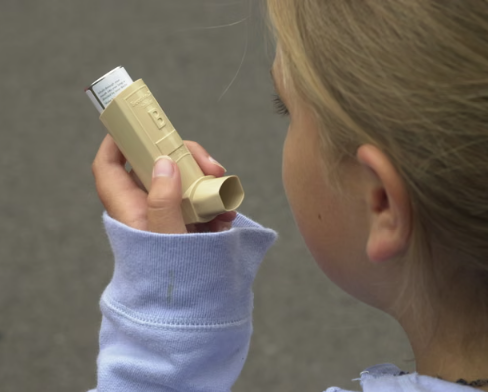
Children across the United Kingdom are currently facing an incredibly uncertain and challenging future. Leading paediatricians have recently declared that they represent one of the unhealthiest generations in decades. A new report highlights how child health outcomes have stalled or declined across many areas. These alarming findings suggest that our nation is failing to protect its youngest and most vulnerable. Experts warn that the current situation should be considered a significant national source of embarrassment. The research indicates that the United Kingdom is falling behind many other western European nations. This comprehensive analysis was conducted by the Royal College of Paediatrics and Child Health experts. They examined twelve vital global indicators regarding the overall wellbeing of our young children today. These metrics included infant mortality rates, oral health standards, obesity levels, and vaccination coverage. Mental health disorders and rising asthma rates were also identified as primary areas of concern. Every single metric showed either a complete stagnation or a decline in child health results.
This poor performance has left the United Kingdom trailing behind its international peer nations significantly. Vaccination rates provide a stark example of the failures currently plaguing our public health system. Only eighty-four percent of children receive two doses of the MMR vaccine by age five. This figure falls well below the ninety-five percent target set by the World Health Organization. Consequently, the United Kingdom currently ranks as the worst performer among the G7 nations. Asthma-related mortality rates in this country are also among the highest across the entire continent. Furthermore, infant mortality rates have shown almost no improvement since the year twenty-twenty-three. These figures remain stubbornly higher than those observed in many comparable European nations today. Such data paints a bleak picture of the current state of national child health care. Parents across the country seem to share these deep concerns regarding the current trends. A recent poll indicates that only twelve percent of parents feel health has improved. Most families do not feel that any meaningful progress has been made over the decade.
Significant inequalities continue to exacerbate the poor health outcomes for children living across the nation. The report reveals that infant mortality is twice as high in the most deprived areas. Similar patterns of disparity are observed in childhood obesity rates among families with lower incomes. Dr. Helen Stewart, a leading officer at the Royal College, expressed her profound professional concern. She described the current records on child health as a true national embarrassment for us. Many other countries are achieving far superior health outcomes for their own children every day. Too many youngsters in this country are being systematically left behind by our current system. The State of Child Health report confirms that we are categorically failing our young people. Children from ethnic minorities and those from poorer backgrounds face the most severe health challenges. This situation requires immediate and sustained attention from the highest levels of our national government.
Dr. Stewart has made an urgent appeal to the incoming prime minister, Andy Burnham. He is expected to take office on the twentieth of July later this month. She urged the new government to treat this urgent issue as a top political priority. Without decisive action, more children will grow up facing long-term physical and mental health issues. These individuals will eventually enter their adult lives at a very significant competitive personal disadvantage. Furthermore, this trend places immense and unsustainable pressure on our families and public health services. Dr. Stewart suggested that the government must act boldly within its first one hundred days. She proposed that policymakers should focus on sustained investment and improved data usage immediately. Paediatricians have already provided a clear blueprint for the government to follow and implement now. The medical community is waiting for policymakers to listen to these critical expert recommendations.
The Royal College of Paediatrics and Child Health has proposed several specific policy measures. They called for increased investment in specialised children’s health services and the wider workforce. Better methods for collecting and sharing health data across the nation are also essential requirements. The report also demands binding national targets to improve outcomes for all children in society. These targets must specifically aim to narrow the wide gap between the most deprived areas. Sarah Woolnough, who leads the health charity the King’s Fund, echoed these serious concerns. She stated that the report should be treated as a major wake-up call today. Without urgent and sustained action, current children will experience poorer health than previous generations. This report clearly paints a deeply worrying picture for the future of our younger citizens. It serves as a stark reminder that health inequalities begin very early in our lives. These factors shape the future wellbeing and life opportunities of people for many years ahead. Whether the issue is infant mortality or obesity, the evidence remains clear and very concerning. Children from disadvantaged backgrounds are significantly more likely to experience much worse health outcomes overall.
A government spokesperson responded to the findings by acknowledging the gravity of the current situation. They admitted that a decade of neglect has led to these poor health outcomes today. Many children in deprived communities continue to suffer from conditions that are largely preventable now. The government claims to be taking decisive action to lift families out of poverty levels. They are committed to tackling these deep-seated health inequalities to raise a much healthier generation. The official statement highlighted plans to end the controversial two-child benefit limit very soon. They are also expanding mental health support services in schools and local colleges nationwide. New family hubs and local health centres are being opened to support struggling parent populations. Furthermore, the government is protecting children by implementing tougher rules on smoking and vaping products. They are also moving to limit junk food advertisements to protect our nation’s younger consumers. Primary pupils will receive a healthier start through the introduction of new free breakfast clubs. Finally, free school meals are being provided to children from households receiving universal credit payments. The path forward remains challenging, but the focus on child health is now officially central.
Related News:
 Hospice Cuts Raise Alarm Across England Amid Funding Crisis
 Celebrities and Charities Demand UK Government Act on Child Poverty
 Patients to Test Health at Home to Ease NHS Winter Pressure
 Shouting Works Best to Deter Gulls, UK Study Finds
 Reeves rejects £1bn plea for NHS redundancy payouts
 Working-Class Men with Prostate Cancer Left Behind by NHS
 Senator John Fetterman Hospitalized After Fall from Heart Flare-Up, Keeps Sense of Humor
 New AI tool could cut wasted efforts in organ transplants
 Stroke Patient Mistaken for Drunk, Care Delayed
 ‘Traumatic Wait’: Northern Ireland Women Face Breast Cancer Delays
 Healthy Habits in Your 30s That Boost Life in Your 70s
 Scottish Families Take Legal Action Over School CO Leak
 Coffins Now Too Large to Cremate Amid Rising Obesity Crisis
 Vicki Fears Losing Motability Car
 Delhi’s Toxic Air Crisis Leaves Children Sick and Vulnerable
 Five-Year-Old Dies After Rare Tonsil Surgery Complication
 Fibromyalgia Patients Struggle as NHS Fails to Provide Care
 More Patients Now Contacting GPs Online, Data Shows
 Kenya Signs $2.5bn Health Deal with US Amid Data Concerns
 Children to Receive Home Vaccines as England Acts
 Childhood Hypertension Sparks Urgent UK Testing Calls
 UK Enforces Junk Food Ad Ban Before 9pm
 Patients Collapsing in NHS Corridors, Watchdog Warns
 Google Removes Some AI Health Summaries Over Safety Concerns
 Polycrisis Anxiety Leaves Many Feeling Trapped in the Present
 UK Mothers Overloaded: Mental Health Pressures Worsen
 Small risk warning raised over weight-loss jabs in UK review
 Streeting moves on doctor pay to end strike dispute
 Autistic Girls Often Missed in Childhood Diagnoses, Study Finds
 UK reports baby formula toxin poisoning cases across the country
 Most Statin Side-Effects Are Not Caused by Drugs, Study Confirms
 UK, US Medics Barred from Gaza Amid Rising Aid Concerns
 Chikungunya Spread in Europe Climbs as Climate Warms
 Placenta Accreta Warning as Hunt Urges Action
 Half of Britons Avoid GP When Ill, Survey Reveals Growing Concern
 The rise of rejection sensitive dysphoria: How it shapes lives
 Sudden Blindness 2,000 Miles from Home – Alone and Penniless
 NHS Maternity Units Cover Up Harmful Childbirth Errors
 Weight-loss drugs may transform heart attack recovery
 Zorevunersen Breakthrough for Dravet Syndrome
 Cancer Death Rate in Britain Falls by Nearly a Third
 New Zealand Covid Response Praised Despite Lingering Scars
 Taking Multivitamins Daily Could Slightly Slow Ageing, Study Finds
 Canada Plasma Deaths Raise Safety Concerns After Two Donors Die
 ‘Drinking from a Fetid Pond’: Superbug Genes in Lough Neagh
 UK Biobank Health Data Leaks Raise Privacy Concerns
 NHS Plans to Cut Overseas Workers Labeled Overambitious
 Palantir Boss Defends NHS Deal Amid Government Break Clause
 Reformer Pilates Boom Sparks Surge in Injuries, Experts Warn
 Unions Raise Concerns Over Doctors’ Pay Dispute
 Blue Badge Surge Prompts Calls for Urgent Fraud Crackdown
 Private Profits From NHS Contracts Spark Urgent National Debate
 Crisis in NHS Surgery Scheduling Hits Patients Hard
 Britain’s Health Decline: A Growing National Concern
 New AI Tool To Target Obesity Risk And Transform NHS Care
 WHO approves first malaria drug for babies
 Hantavirus Cruise: Britons Face 45-Day Isolation Order
 Barrister Criticises Trial After Suicide Case Verdict
 Crisis in the Canary Islands as Cruise Ship Evacuated
 UK Experts Urge Four-Day Week to Combat National Obesity
 Cruisers Face Perth Quarantine After Hantavirus Outbreak
 Wes Streeting faces narrow road to Labour members’ favour
 French Patient Told Hantavirus Was Just Anxiety
 Heavy Caring Burden Linked to Faster Mental Decline
 NHS Drug Deal Faces Legal Threat Over US Trade Agreement
 Maldives Cave Diving Tragedy Raises Safety Alarm
 Pope Meets Families in Italy Toxic Waste Zone
 Ben Proud Defends Enhanced Games Participation
 Record Spending Highlights Growing Crisis In National Health Service
 AI Medical Error: NHS Doctors Risk Facing Huge Lawsuits
 Clean Air Initiatives Spark Major Fall in London Hospital Admissions
 Labour MP Revives Blocked Assisted Dying Bill in Commons
 NHS Urges Investigation For Irregular Periods
 Deadly H5 Bird Flu Reaches Australia’s East Coast
 Breakthrough NHS Tests for Endometriosis Patients
 UK Heatwaves Ignite Crisis of Sleep and Public Safety
 Trump Immigration Cuts Threaten US Caregiver Stability
 UK Schools Struggle as Classrooms Top 40C
 London Tube Heat Reaches Dangerous Levels
 Weight-Loss Drugs Offer Food Savings Mainly to High Earners