Published: 28 July 2026 | The English Chronicle Desk | The English Chronicle Online
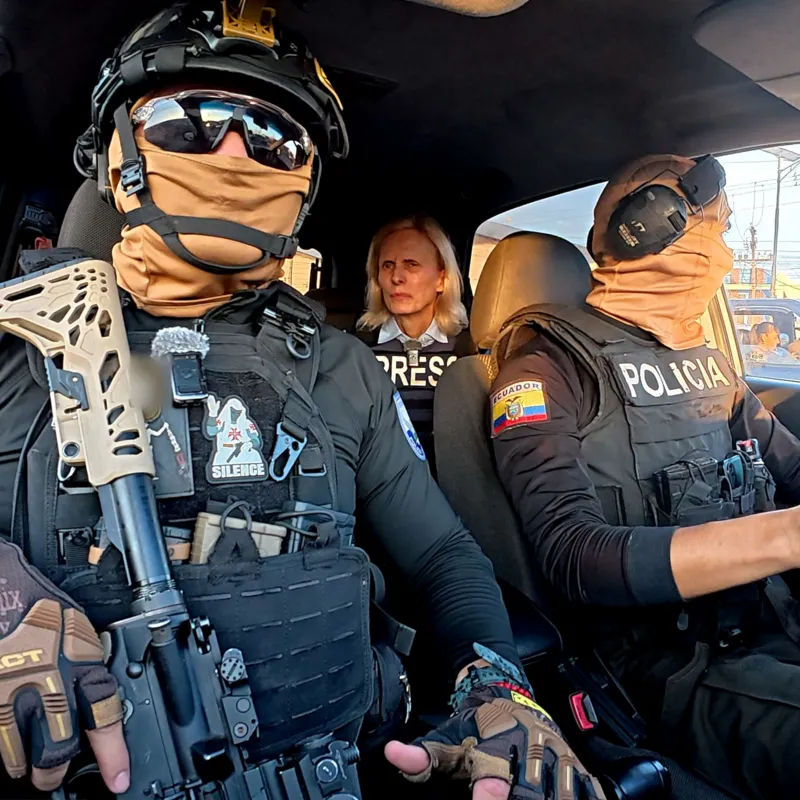
On the streets of Ecuador’s most troubled cities, police officers are fighting a rapidly escalating drugs war against powerful criminal groups armed with weapons, international connections and growing influence. For frontline officers, the battle is not only against drug trafficking networks but also against violent gangs, illegal weapons and corruption that have challenged the country’s security institutions.
Once considered one of Latin America’s more peaceful nations, Ecuador has experienced a dramatic rise in organised crime in recent years. Its strategic location between major cocaine-producing countries has transformed it into a key transit route for international drug trafficking operations.
As criminal groups compete for control of ports, prisons and territory, violence has surged, leaving communities caught between rival gangs and security forces attempting to restore order.

Police officers working on the front line say the nature of the conflict has changed significantly. They are no longer dealing only with street-level crime but with heavily organised groups capable of carrying out coordinated attacks, intimidating communities and challenging state authority.
Many officers describe the situation as a national security crisis requiring a combination of law enforcement action, intelligence operations and efforts to address the social conditions that allow criminal networks to recruit members.
Ecuador’s port cities, particularly those linked to international trade routes, have become central battlegrounds in the fight against drug trafficking.
Criminal organisations have sought control over maritime routes used to move cocaine shipments towards North America and Europe. Authorities say international demand for narcotics has fuelled the expansion of local criminal groups, increasing competition and violence.
Police operations frequently involve raids on suspected gang locations, weapons seizures and investigations into trafficking networks.
Officers face significant risks during these operations. Criminal groups have access to firearms, including weapons obtained through illegal international markets, giving them the ability to challenge police forces in heavily armed confrontations.
Security officials say criminals have become increasingly aggressive, targeting police officers, public officials and rival groups.
The violence has also affected ordinary citizens, with communities experiencing intimidation, extortion and fear.
Many businesses have reported being pressured to pay protection money to criminal organisations, while residents in affected neighbourhoods often feel trapped between gangs and security operations.
The growth of organised crime has also created concerns about corruption within institutions.
Authorities acknowledge that criminal networks have attempted to infiltrate police forces, prisons and government structures by offering money or using threats.
Investigating and removing corrupt officials has become a major part of Ecuador’s security strategy.
Police commanders say maintaining public trust requires transparency and accountability, particularly during a period when institutions face intense pressure.
The prison system has also become a major focus of Ecuador’s security crisis.
Overcrowded prisons have become centres of power for criminal organisations, with gang leaders allegedly directing operations from inside detention facilities.
Deadly prison riots in recent years exposed the extent of gang influence and highlighted the challenges facing authorities.
The government has responded with increased security measures, including military involvement in certain operations and efforts to regain control of prisons.
However, experts warn that a purely security-focused approach may not be enough to solve the deeper causes of organised crime.
Analysts say criminal groups often recruit young people from disadvantaged communities where opportunities are limited.
Providing education, employment opportunities and social support is seen as essential in preventing future generations from being drawn into criminal networks.
Police officers on the ground say they understand the importance of addressing these issues, but their immediate priority remains protecting communities from violence.
Many describe their work as a daily struggle against increasingly sophisticated criminal organisations.
The dangers faced by officers have increased significantly.
Some have been threatened or targeted simply because of their role in disrupting trafficking operations. Others have lost colleagues during confrontations with armed groups.
Despite the risks, many officers continue working because they believe maintaining security is essential for Ecuador’s future.
The government has increased resources for security operations, including improved equipment, intelligence gathering and cooperation with international partners.
Because drug trafficking networks operate across borders, Ecuador has strengthened collaboration with neighbouring countries and international agencies.
Authorities say cooperation is essential because criminal groups often move drugs, money and weapons through multiple countries.
International law enforcement agencies have also identified Ecuador as an important location in efforts to disrupt global cocaine supply chains.
The country’s ports and geographic position have made it attractive to criminal organisations seeking access to international markets.
However, Ecuador’s struggle has also highlighted the wider regional challenge of organised crime in Latin America.
Several countries have experienced rising violence linked to drug trafficking, with criminal groups becoming more powerful and adaptable.
Experts say the problem requires long-term cooperation between governments, stronger institutions and policies that address both crime and social inequality.
Public opinion in Ecuador remains divided over how best to respond.
Some citizens support tougher security measures, arguing that stronger action is necessary to confront violent gangs.
Others warn that excessive reliance on force without addressing underlying problems may not provide a lasting solution.
Human rights organisations have also called for security operations to respect legal protections and avoid harming innocent civilians.
Officials insist that combating organised crime must be carried out while maintaining respect for the rule of law.
For police officers working in Ecuador’s most dangerous areas, the conflict represents a daily test of courage and resilience.

They operate in environments where criminal groups have significant resources and where communities desperately need protection.
Their mission involves not only confronting criminals but also rebuilding public confidence in state institutions.
The fight against Ecuador’s drugs crisis is unlikely to be resolved quickly.
Criminal networks have developed deep connections, significant financial resources and international reach.
Experts say defeating them will require sustained effort over many years.
For those on the front line, however, the objective remains immediate and clear: reducing violence, protecting communities and preventing criminal groups from controlling the future of the country.
As Ecuador continues its battle against gangs, guns and corruption, police officers remain at the centre of one of Latin America’s most challenging security struggles.
Their fight reflects a broader global challenge: confronting organised crime networks that adapt quickly, exploit vulnerabilities and threaten the stability of communities far beyond national borders.
Related News:
 Cartel crackdown raises fears of fresh violence
 US ‘Narco Boat’ Strikes Draw Global Outcry
 UK University Faces Counter-Terror Probe Over China Pressure
 Second world war veterans honoured as King leads Remembrance Sunday
 Ukraine-Russia war latest: Putin’s troops exploit bad weather to force Kyiv withdrawal from multiple towns
 New Epstein Files Spark Political Clash in Washington
 Ukraine Energy Corruption Scandal Hits Zelensky’s Inner Circle
 Greene Pushes Epstein Files Amid Trump Fallout
 UN Security Council Approves Trump’s Gaza Peace Plan
 WhatsApp Messages Expose Nathan Gill’s Bribery
 Venezuela Threatens Nobel Winner Machado with Fugitive Status
 Trump Envoy to Discuss Ukraine Peace at Kremlin
 Video shows Israeli troops kill Palestinians after surrender
 Guinea-Bissau President Flees After Military Coup
 Saif al-Islam Gaddafi Reportedly Killed in Libya Shooting
 Belgium Narco-State Warning Raises Alarm Over Crime Surge
 Iran Crisis Tests Trump’s Global Leadership
 Ben Roberts-Smith Denies War Crime Allegations in First Statement
 US states redraw maps after voting rights ruling
 Search Intensifies for Missing Hiker on WA Bibbulmun Track
 Gunman Killed After White House Security Shootout
 Irish Gangland Figure Fails in Dublin Election Bid
 Murder Probe Continues After Arrest Release
 New Footage Revives Peter Falconio Mystery
 Ukraine Creates Long-Range Strike Command
 Dreyfus Statue Finally Gets Permanent Paris Home
 Why Violence Has Surged Before Kashmir Election
 US and Iran Pause Strikes as Diplomatic Talks Loom
 Burnham Reaffirms Support for Ukraine During Zelensky Visit
 Channel Crossings Surge: Over 1,000 People Arrive in the UK in Small Boats in a Single Day
 French Taxi Driver Cleared in David Lammy Theft Case After Fare Dispute
 BBC to Apologise Over Edited Trump Speech Amid Backlash
 Britain deploys RAF specialists to assist Belgium with drone threats
 Indian authorities demolish Kashmir home linked to Red Fort blast
 December Run-Off in Chile as Election Produces No Winner
 Canada Passes Carney’s First Budget in Tight Parliamentary Vote
 Shadow Fleet at Sea: Europe’s Battle Against Illicit Oil Shipping
 Deadly Russian Strikes Hit Western Ukraine, 20 Killed in Ternopil
 Georgians Defy Government Crackdown After Year of Protests
 American Mother Extradited From UK to U.S. on Murder Charges
 Russia losses Ukraine war peace talks intensify amid rising deaths
 Albanese Opens Door to Bondi Royal Commission Amid Rising Pressure
 Trump Escalates Minnesota Immigration Surge Amid Rising Tensions
 EU weighs response amid Greenland tariff crisis with Trump
 EU Says US Ties Have Suffered ‘Big Blow’ After Greenland Crisis
 Police response times face strict new national limits
 Israel Moves to Bar MSF From Gaza Operations
 Australian Families Leave Syrian Camp for Home
 Nine Arrested in France Over Death of Far‑Right Student
 Andrew Arrest Sparks Republic Debate in Australia
 Farage Chagos Islands Row Sparks Fury
 Has Europe truly learned from the failures of 2022?
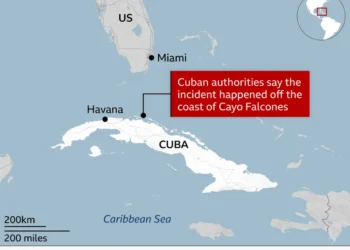 American Citizen Killed in Cuba Boat Shooting, U.S. Officials Say
 Trump Faces Questions Over Iran Conflict Plan
 Herzog Asio meeting sparks security storm
 Trump Pressures Congress Over Save America Act
 Iranian Football Squad Asylum Drama Shocks Australia
 After Mugabe: Family Feuds and Legal Battles
 Queensland Protest Laws Spark Free Speech Backlash
 Yvette Cooper: UK Must Follow Principles, Not US Pressure
 Trump Nato threats expose Iran strategy vacuum
 Philippines energy emergency sparks coal power surge
 Trump Facing Backlash from Epstein Survivors Over Files
 Report Says Pezzullo Acted ‘Recklessly’ in Dealings
 The ‘Big Fish’ Lands: Marcos Confirms Arrest of Key Figure in Flood-Control Scandal
 Rat Poison Found in Baby Food Sparks Major Recall Row
 Capitalism ‘Suicidal’, Warns Petro at Climate Summit
 Trump Threatens UN Budget Cuts as US Pushes ‘Trade Over Aid’ Agenda
 US Awaits Iran Reply on New Ceasefire Proposal
 Discontent grows around Putin amid war strain
 DeSantis’s ‘Alligator Alcatraz’ Faces Final Shutdown
 Israel, Lebanon Agree on Fragile Ceasefire Deal
 Trump’s Iran Legacy Hangs on Tehran Deal
 Trump’s Major Recruitment Drive Targets Border Patrol Growth
 Le Pen to Run for President Despite Embezzlement Conviction
 Safeguards Lag as Prisoners Face Early Release
 Le Pen’s Popularity Holds Despite Conviction
 Police Rule Out Political Motive in Widdecombe Killing
 UK’s Largest Muslim Convention Scales Up Security Amid Rising Bigotry
 Berlin Pride Attack Suspect Killed in Police Raid