Published: 29 July 2026 | The English Chronicle Desk | The English Chronicle Online
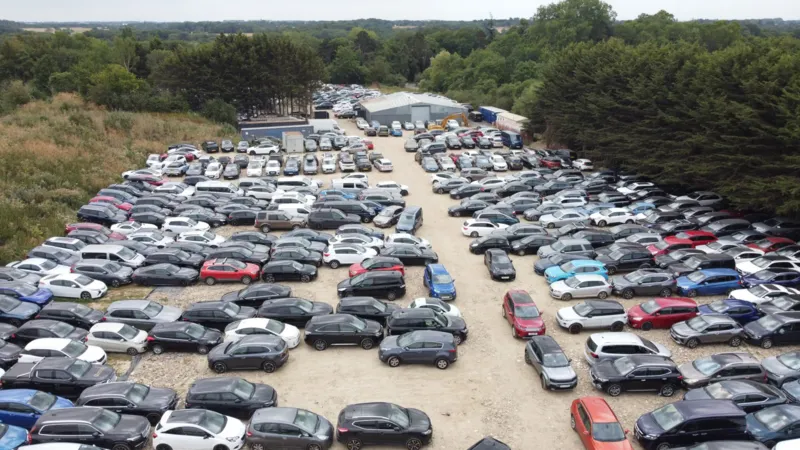
An unauthorised airport car park has continued to grow despite officials issuing a stop notice ordering the operator to halt activity, raising concerns over planning enforcement and the impact on nearby communities.
The site, which has reportedly expanded despite warnings from authorities, has become the focus of a dispute involving local residents, planning officials and the operators of the parking facility.
Concerns have been raised about whether proper permissions were obtained, the effect on the surrounding area and the ability of authorities to enforce planning rules effectively.
Planning officials issued a stop notice after concerns emerged that the car park was operating without the required approval.
Such notices are designed to prevent unauthorised development or activities while authorities investigate potential breaches of planning regulations.

However, residents say the site has continued to expand despite the instruction, leading to questions about why enforcement action has not prevented further growth.
Local campaigners argue that allowing unauthorised developments to continue can undermine confidence in the planning system.
They say businesses that follow proper procedures may be placed at a disadvantage if others are able to operate without securing necessary permissions.
People living near the site have raised concerns about increased traffic, noise and disruption linked to the growing car park.
Residents say the expansion has changed the character of the area and increased pressure on nearby roads.
Some have questioned whether the infrastructure around the site is suitable for handling additional vehicles, particularly during busy holiday periods when airport demand increases.
Local communities near airports often face challenges linked to increased transport activity, including congestion, pollution and noise.
Residents have called for authorities to take action and ensure that developments comply with planning requirements.
The growth of private airport parking businesses reflects increasing demand from travellers looking for alternatives to official airport car parks.
Many passengers choose independent parking operators because they can sometimes offer lower prices or additional services such as airport transfers.
However, operators must usually meet planning, safety and environmental requirements before opening facilities.
Authorities say regulations exist to ensure that businesses operate responsibly and do not create unacceptable impacts on local areas.
The dispute highlights the challenge of balancing consumer demand for affordable airport services with the need to protect communities and maintain proper planning standards.
Planning regulations are designed to control how land is used and developed.
Businesses wishing to create facilities such as large car parks generally need approval from local planning authorities before beginning operations.
Applications are assessed based on factors including traffic impact, environmental concerns, local infrastructure and the effect on neighbouring properties.
Operating without permission can lead to enforcement action, including stop notices requiring activities to cease.
However, campaigners say enforcement can sometimes be slow, allowing unauthorised developments to become established before action is taken.
The continued expansion of the car park has raised questions about the effectiveness of planning enforcement procedures.
Local authorities often face challenges when dealing with unauthorised developments, including legal processes, appeals and limited resources.
Officials must follow specific procedures before taking stronger action, which can sometimes delay immediate intervention.
However, residents affected by unauthorised developments often argue that delays allow problems to become more difficult to resolve.
They say faster enforcement would help prevent situations where businesses continue operating despite official warnings.
Beyond planning concerns, unauthorised airport car parks can raise questions about safety standards.
Large parking facilities need appropriate arrangements for lighting, security, drainage and emergency access.
Environmental concerns may also arise depending on the location and size of the development.
Additional vehicles can increase emissions and place pressure on surrounding roads.
Environmental groups say developments of this type should consider long-term impacts rather than focusing only on short-term convenience.
Operators of independent airport parking facilities often argue that they provide valuable competition and affordable choices for travellers.
Many customers prefer private parking services because they can be cheaper than airport-owned options.
Businesses in the sector say they support jobs and contribute to local economies.
However, industry experts acknowledge that all operators must comply with planning and safety requirements to ensure fair competition and protect customers.
A balance must be found between encouraging business growth and ensuring developments are properly regulated.
The dispute comes as airport travel continues to increase, creating greater demand for parking facilities.
During peak holiday seasons, airport car parks can become crowded, encouraging travellers to seek alternative options.
Independent parking companies have expanded in response to this demand, particularly around major airports.
However, authorities say growth in airport-related businesses must be managed carefully to avoid creating problems for nearby communities.
Officials are expected to continue monitoring the situation and deciding what further action may be required.
If the operator fails to comply with planning requirements, authorities may consider additional enforcement measures.
These could include legal action or steps to prevent continued operation of the site.
Residents say they want a clear resolution and reassurance that planning rules are being properly enforced.
The case has become part of a wider debate about how effectively local authorities can control unauthorised developments.
Supporters of stronger enforcement argue that planning rules must be respected to maintain fairness and protect communities.
Others say authorities need to balance enforcement with the economic benefits created by businesses providing services to the public.
The situation highlights the ongoing challenge faced by councils across the UK as they attempt to manage development while responding to changing commercial demands.

The continued growth of the unauthorised airport car park despite a stop notice has raised concerns over planning enforcement, community impact and regulatory control.
While airport parking services meet a growing need among travellers, officials and residents argue that businesses must operate within the rules designed to protect local areas.
The dispute will likely continue as authorities decide what action should be taken and whether further measures are needed to address the expansion.
For nearby residents, the priority remains ensuring that development is properly managed and that concerns over traffic, safety and disruption are fully addressed.
Related News:
 Royal Mail Blames Poor Weather and Sickness for Delayed Deliveries
 Jet2 Hands Passengers Life Ban After Mid‑Air Brawl
 Storm Hernando: Edinburgh Airport Flights Cancelled in US Travel Chaos
 Rolling Hills and Heritage: A Car-Free Break in Leicestershire
 easyJet Edinburgh Flight Diverts to Manchester After Mid‑Air Emergency

 Greater Manchester Expands Night Bus Network Across Boroughs
 UK Aviation Watchdog Clips Heathrow’s Fee Hike Wings
 EU Biometric Border Checks Delayed for UK Travellers
 Storm Dave Disrupts Travel but Conditions Set to Ease
 Manchester Paralyzed: Overhead Wire Failure Strands Thousands at Piccadilly
 From “Rockets” to “Feathers”: Why UK Pump Prices Are Stuck in High Gear This May
 The £3,000 License: Learners “Held Hostage” by Cancelled Tests and Shifting Goalposts
 The “Final Fence”: A Guide to Navigating the 2026 Badminton Horse Trials
 Cambridge South Signals New Era for British Rail Travel
 Essex valley emerges as rising English wine hub
 London Tube Heat Reaches Dangerous Levels
 EasyJet Takeover Sparks Fears Over Passengers’ Future
 UK Airport Drop-Off Charges Rise by One-Third as Motorists Face Higher Travel Costs
 Reeves Faces Setback as Labour May Miss Homes Target
 Kate Winslet to Narrate Film Highlighting King’s Environmental Mission
 Trump’s UK Ambassador Urges North Sea Drilling to Strengthen US Ties
 UK Bans Fake Numbers: Scammers Lose Their Trick
M&S Profits More Than Halve After Cyber-Attack
UK Bans Fake Numbers: Scammers Lose Their Trick
M&S Profits More Than Halve After Cyber-Attack
 Patients to Test Health at Home to Ease NHS Winter Pressure
 Millionaires group urge Reeves to introduce wealth tax to ‘lift kids out of poverty’
 Reeves rejects £1bn plea for NHS redundancy payouts
 Northern Lights may illuminate UK skies this week
 PM Condemns Leaks, Vows Loyalty to Ministers and Stability
 Major Rent Reform Ends No-Fault Evictions in England
 Stroke Patient Mistaken for Drunk, Care Delayed
 Inside the Helpline Protecting Missing Children in the UK
 PlayStation PS5 Deals Hit Lowest Prices Ahead of Black Friday
 Five-Year-Old Dies After Rare Tonsil Surgery Complication
 Starmer Says Labour’s Economic Plan Needs Years to Deliver
 Children to Receive Home Vaccines as England Acts
 Cambridge College Faces Backlash Over Private School Recruitment
 Bereaved Fathers Gain New Paternity Leave Rights in UK
 Woman Jailed for Life After Killing E-Bike Rider in Tragic Mistaken Identity Case
 No Gas Boiler Ban as UK Warm Homes Plan Backs Heat Pumps
 Police response times face strict new national limits
 Devon hosts first high-density hydro power system
 Send spending gap leaves deprived areas behind
 Civil Service Pay: Union Urges Ministers to End ‘Barking Mad’ Limits
 UK Job Vacancies Hit Five-Year Pandemic Low
 UK Youth Unemployment Surges Amid Tax Changes
 Half of Britons Avoid GP When Ill, Survey Reveals Growing Concern
 Russian Trade Routed Through British Islands Exposed
 Mother Says ‘I Hugged My Daughter’s Killer’ as They Cried Together in Prison
 Mayor Spends £20m to Encourage More Bus Trips
 Gen Z Binge Drinking Surges in Early 20s
 Thousands Protest Iran Strikes Outside US Embassy London
 UK Oil and Gas Supplies Reassured Amid Middle East Concerns
 ‘We can’t go back’: mother of six-year-old cancer survivor fears UK visa changes
 Charity Watchdog Takes Control of Learning Disability Care Home
 MP Outrage Grows as Travelodge Boss Misses Key Safety Talk
 NHS Braces for Impact as Resident Doctors Begin Strike
 Is Britain Ready? Experts Warn of ‘Bizarre’ Military Delay
 Benjamin Field Murder Conviction Overturned by Appeal Court
 Prominent Voices Challenge Palestine Action Ban
 New Scan Offers Hope for Faster Endometriosis Diagnosis
 Rugby Legend Scott Hastings Dies Aged 61
 The Battle for Wembley Sparking Unprecedented Legal Warfare
 Belfast Approves Pilot Extension of Sunday Trading Hours
 Record Spending Highlights Growing Crisis In National Health Service
 Secret Role of UK Security Services in Troubles Amnesty Law
 Tragedy on the River Don as Search Ends in Heartbreak
 US Commentators to Address Oxford Union via Livestream
 Broadview Six Case Collapses Amid Prosecutor Misconduct
 Digital Scrutiny Under the Spotlight in Makerfield
 Ryanair Faces Probe Over Mandatory Family Seating Fees
 Appeal Court Rules Ban on Palestine Action Was Lawful
 Starmer Set to Announce Exit Plan as Burnham Eyes No 10
 Peak District Solstice Tragedy: Victim Formally Named
 UK Households Suffer Squeeze As Disposable Incomes Drop
 UK Property Prices Stagnate Amid Growing Fears of Summer Slump
 Burnham Promises Relief on Cost of Living Crisis
 Starmer Predicts Labour Election Win Under Burnham
 Farage Rivals Rule Out Clacton By-Election Fight
 Labour MPs Push for Stricter Political Funding Reforms